The story
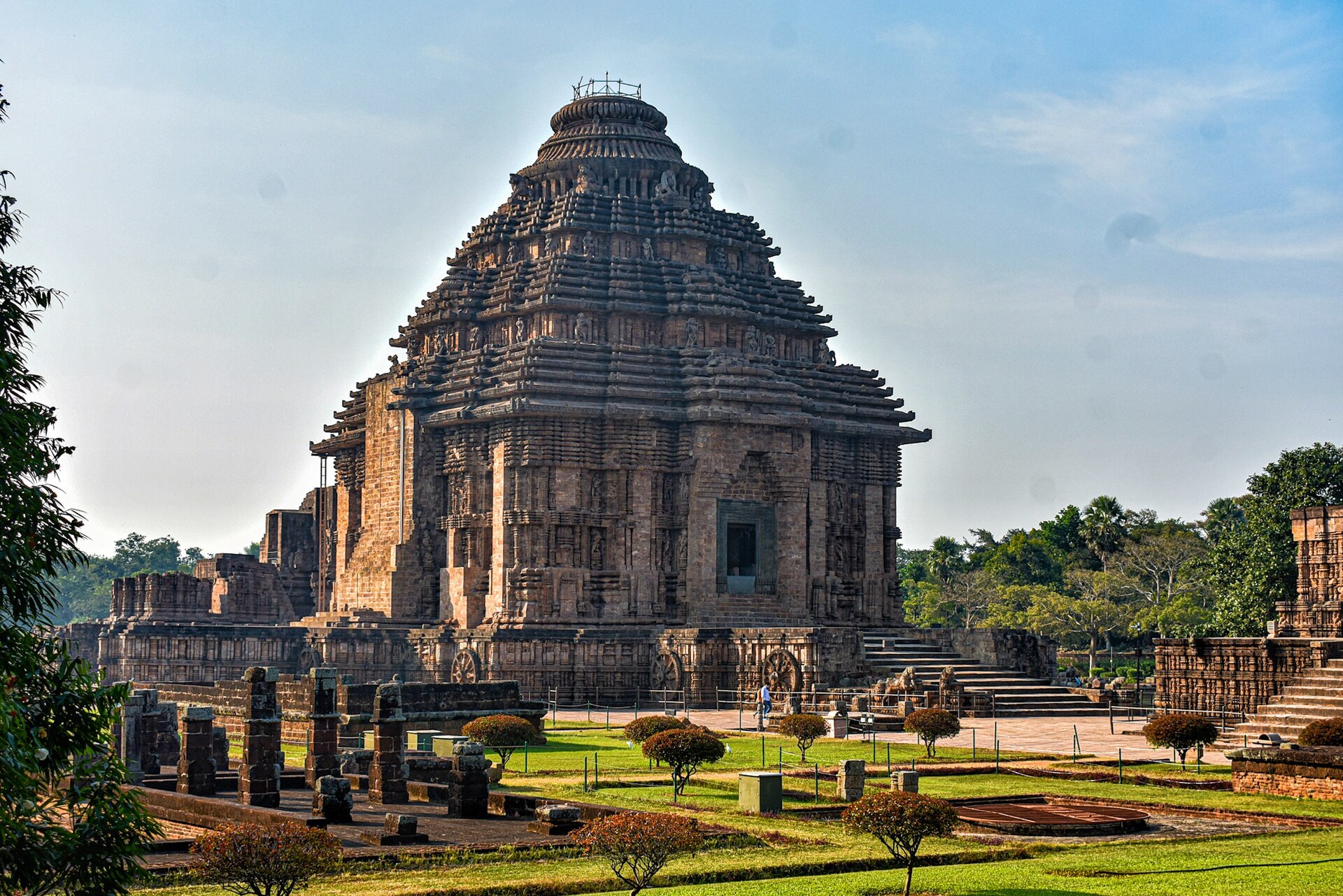
Around 1250 CE, King Narasimhadeva I of the Eastern Ganga dynasty built the Konark Sun Temple to honor Surya, the Hindu sun god. The whole temple was designed as Surya's chariot racing across the sky.
It has 24 giant wheels, each about 3 meters across, carved with tiny scenes. Seven horses pull the chariot, standing for the seven days of the week. The temple faced east, so the first light of dawn struck its entrance.
The tall main tower once rose high above the coast. Sailors called it the Black Pagoda and used it as a landmark. The tower later collapsed, but the great hall in front still stands.
How it ended
The main tower collapsed, maybe from weak foundations, storms or the loss of iron supports. The temple stopped being used for worship. In 1903, the British filled the main hall with sand and sealed it to keep it from falling down.
What life was like
Thousands of craftsmen worked for years to carve the temple. Dancers performed in the Natya Mandir, a dance hall in front of the temple. Priests made offerings to Surya at sunrise. Carvings show everyday life, including musicians, hunters, elephants and kings meeting visitors.
Wow facts
- The spokes of the wheels cast shadows that can tell the time.
- The seven horses stand for the seven days of the week.
- Carved elephants, lions and musicians cover almost every surface.
Photos
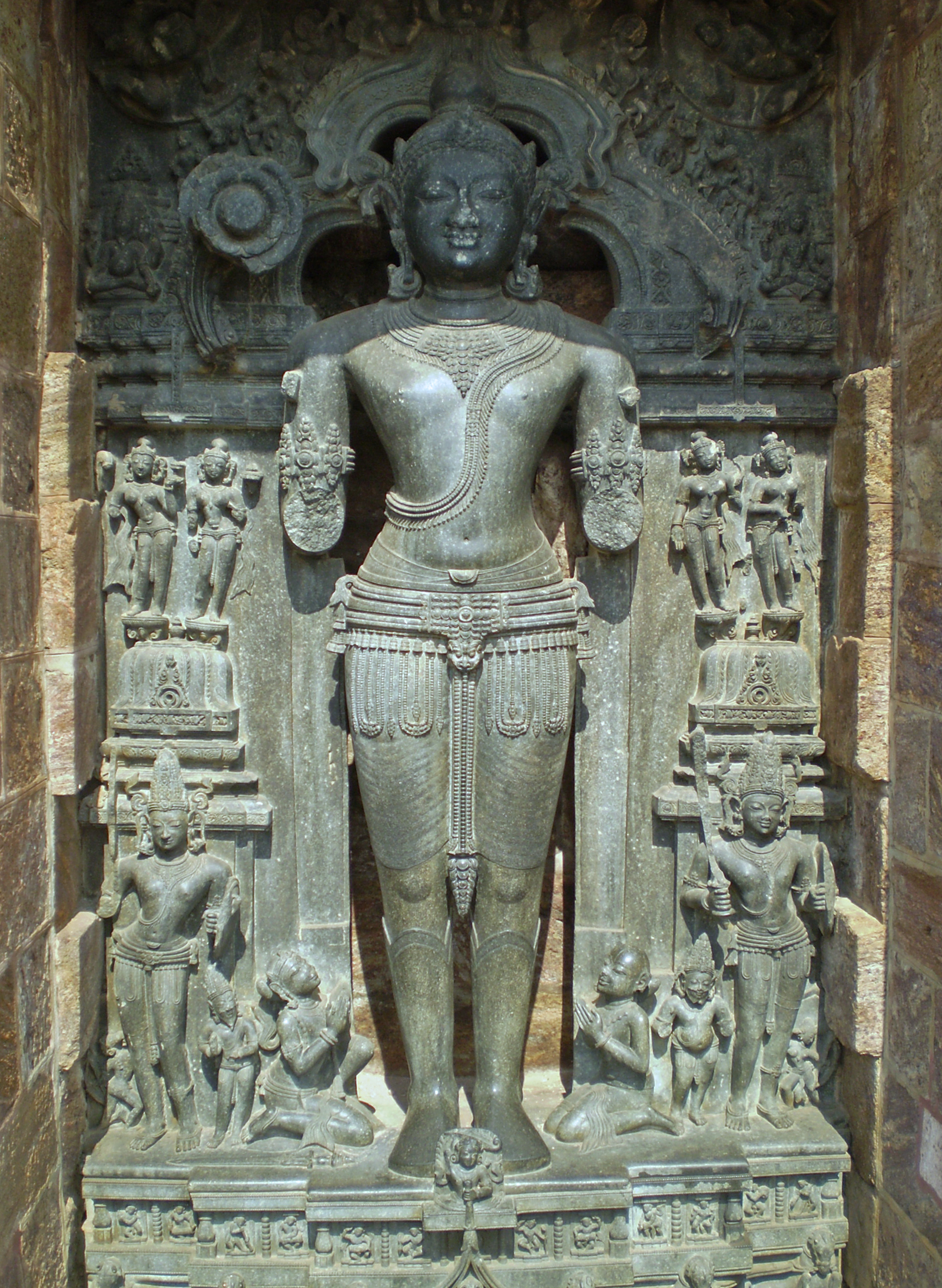 Statue of the Sun God Surya in the Sun Temple in Konark, Orissa, India. Jayantanth, CC BY 3.0
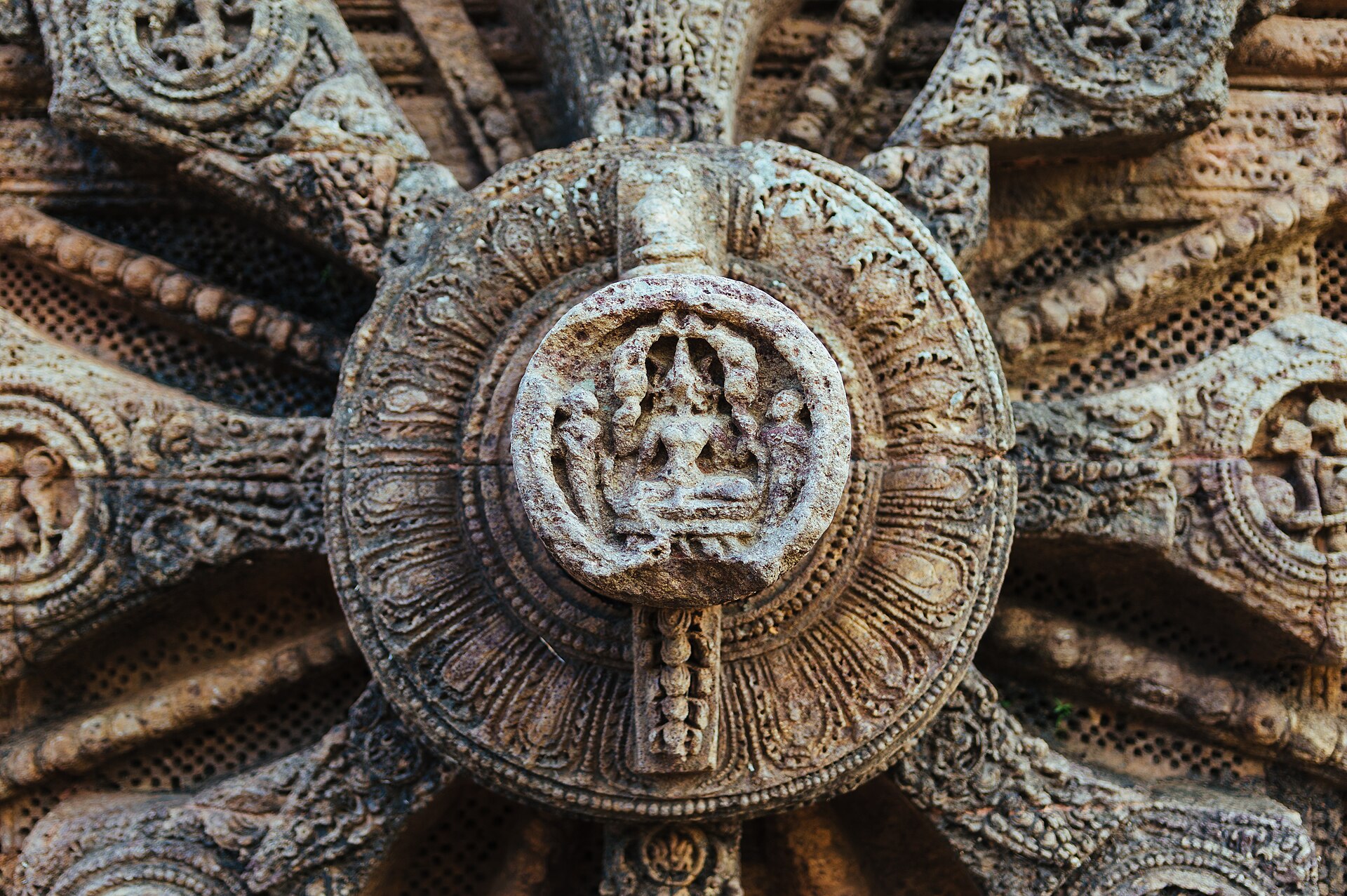 Center of a stone wheel engraved in the 13th century built Konark Sun Temple in Orissa,... Subhrajyoti07, CC BY-SA 4.0
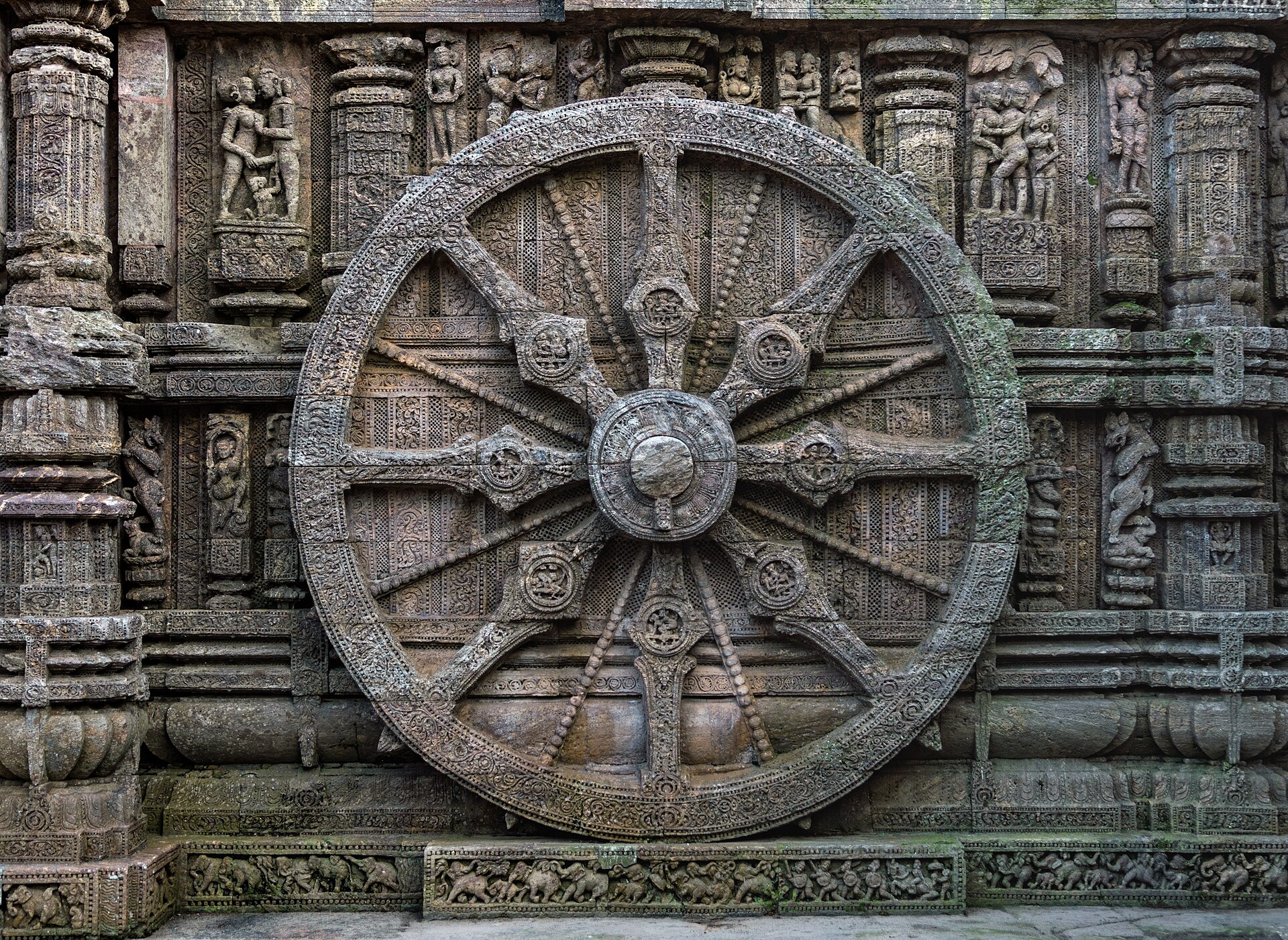 This is a wheel engraved in the 13th century built Konark Sun Temple in Orissa, India.... Subhrajyoti07, CC BY-SA 4.0
Relics and treasures
- Konark wheels24 carved stone sundial wheels, at the site
- Horses of Suryacarved stone horses pulling the chariot, at the site
- Natya Mandirthe stone dance hall, at the site
- Temple sculpturescarvings removed for safety, in the Konark Archaeological Museum
How we know
Old palm-leaf records and inscriptions describe the temple's building. Archaeologists and engineers have studied the structure and its collapse. In the 1900s, experts recorded and protected the carvings.
What you would see today
Visitors walk around the chariot, study the carved wheels and enjoy a festival of classical dance each December. The temple is a UNESCO World Heritage Site, and one of its wheels appears on Indian money.
For teachers and classrooms
Suggested level: grades 3-5. Print this page as a lesson sheet with the story, vocabulary, discussion questions and a quiz with an answer key.
Key words
- sundial
- a tool that tells time using a shadow from the sun
- chariot
- a two-wheeled cart pulled by horses
- Surya
- the Hindu god of the sun
Talk about it
- Why would people design a temple to look like the sun's chariot?
- How could you tell time without a clock or phone?
Try this activity
- Draw a map of Konark Sun Temple as it looked at its busiest, and label three things people did there.
- Find Konark Sun Temple on the Ruinscape timeline, then pick another place from the same century and compare them.
- Use one link in Sources below to find a real object from this place. Describe what it is made of and what it tells us.
Quick quiz
Which god was Konark built for?
- Surya, the sun god
- Shiva
- Ganesha
- Vishnu
Show the answer
A. Konark honors Surya, the sun god.
What can the carved wheels do?
- Tell time like sundials
- Roll the temple
- Make music
- Pump water
Show the answer
A. Shadows on the spokes show the time.
What do the seven horses stand for?
- Days of the week
- Colors of a rainbow
- Kings
- Seas
Show the answer
A. The seven horses represent the seven days of the week.
Sources and further reading
Ruinscape lessons are written for students and checked against encyclopedia and museum records. Go to the sources: these links search real museum collections, the UNESCO list and research by archaeologists.
- Wikipedia articleEncyclopedia overview with its own references
- UNESCO World HeritageOfficial listing, if the site is protected
- Google Arts & CultureMuseum exhibits, virtual tours and close-up photos
- British Museum collectionReal objects, photos and catalog notes
- The Met collectionObjects and essays from the Metropolitan Museum of Art
- Smithsonian collectionsU.S. national museum records
- 3D models on SketchfabScans of sites and artifacts (check each license)
- Scholarly articlesResearch papers by archaeologists and historians
Read the full background
Konark Sun Temple is a 13th-century CE Hindu Sun temple at Konark about 35 kilometres (22 mi) northeast from Puri city on the coastline in Puri district, Odisha, India. The temple is attributed to king Narasingha Deva I of the Eastern Ganga dynasty about 1250 CE. Dedicated to the Hindu Sun-god Surya, it reflects the pinnacle of Kalingan architecture and artistic excellence, what remains of the temple complex has the appearance of a 30-metre (100 ft) high chariot with immense wheels and horses, all carved from stone. Once over 61 metres (200 ft) high, much of the temple is now in ruins, in particular the large shikara tower over the sanctuary; at one time this rose much higher than the mandapa that remains. The structures and elements that have survived are famed for their intricate artwork, iconography, and themes, including erotic kama and mithuna scenes. Also called the Surya Devalaya, it is a classic illustration of the Odisha style of Architecture or Kalinga architecture.
The cause of the destruction of the Konark temple is unclear and still remains a source of controversy. Theories range from natural damage to deliberate destruction of the temple in the course of being sacked several times by Muslim armies between the 15th and 17th centuries, particularly by Sultan Sulaiman Karrani (Kalapahaṛ) when he invaded Orissa during 1508. This temple was called the "Black Pagoda" in European sailor accounts as early as 1676 because it looked like a great tiered tower which appeared black. Similarly, the Jagannath Temple in Puri was called the "White Pagoda". Both temples served as important landmarks for sailors in the Bay of Bengal. The temple that exists today was partially restored by the conservation efforts of British India-era archaeological teams, but many idols and carvings were also taken to the British Museum during the British period. Declared a UNESCO World Heritage Site in 1984, it remains a major pilgrimage site for Hindus, who gather here every year for the Chandrabhaga Mela around the month of February.
Konark Sun Temple is depicted on the reverse side of the Indian currency note of 10 rupees to signify its importance to Indian cultural heritage.
Background text from Wikipedia, available under CC BY-SA 4.0.
Last updated: October 2026. How we make Ruinscape.