The story
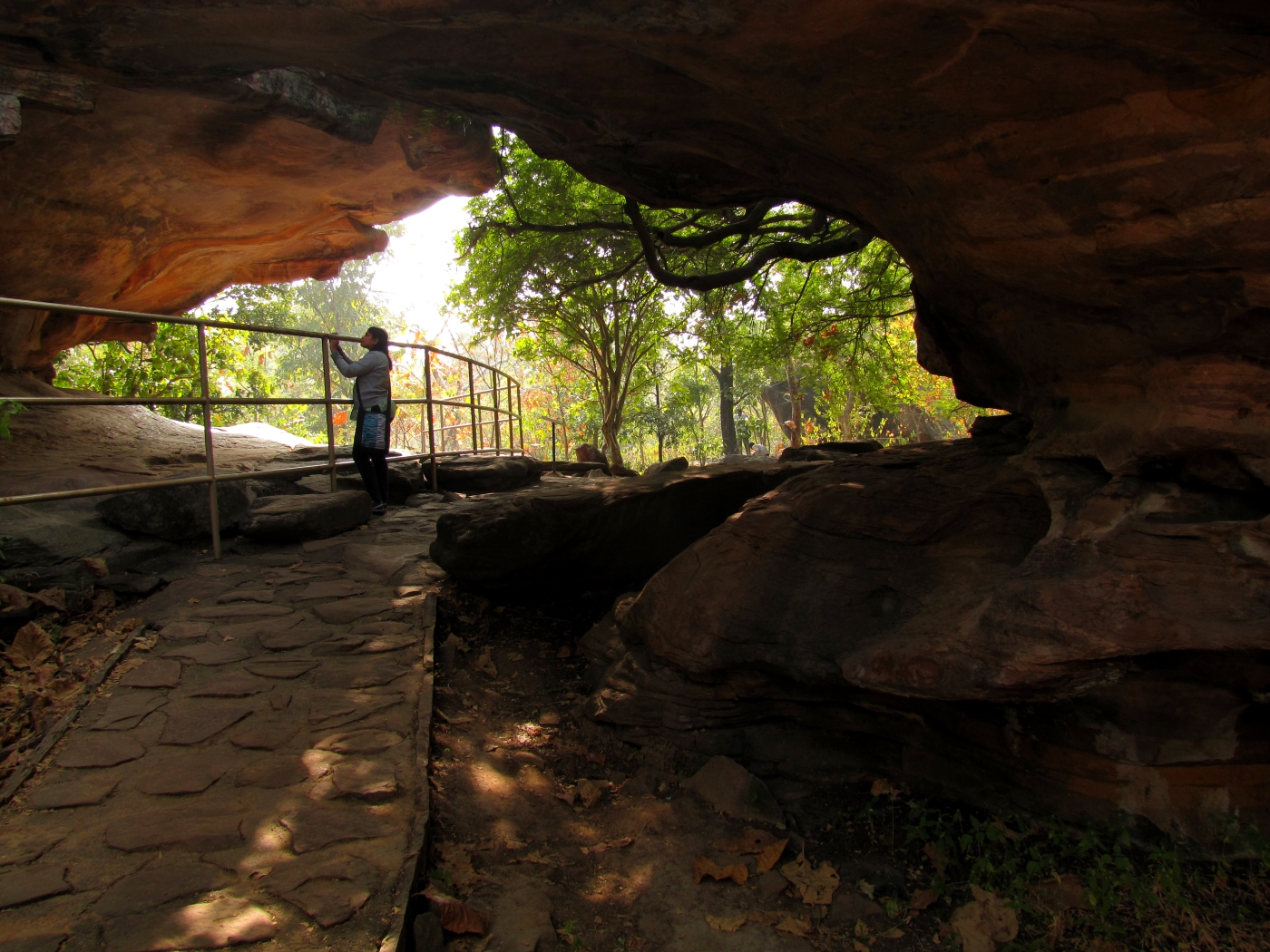
Bhimbetka is a group of more than 700 rock shelters in the hills of Madhya Pradesh. People have used these shelters for a very, very long time, from the Old Stone Age, possibly over 100,000 years ago, through to more recent history.
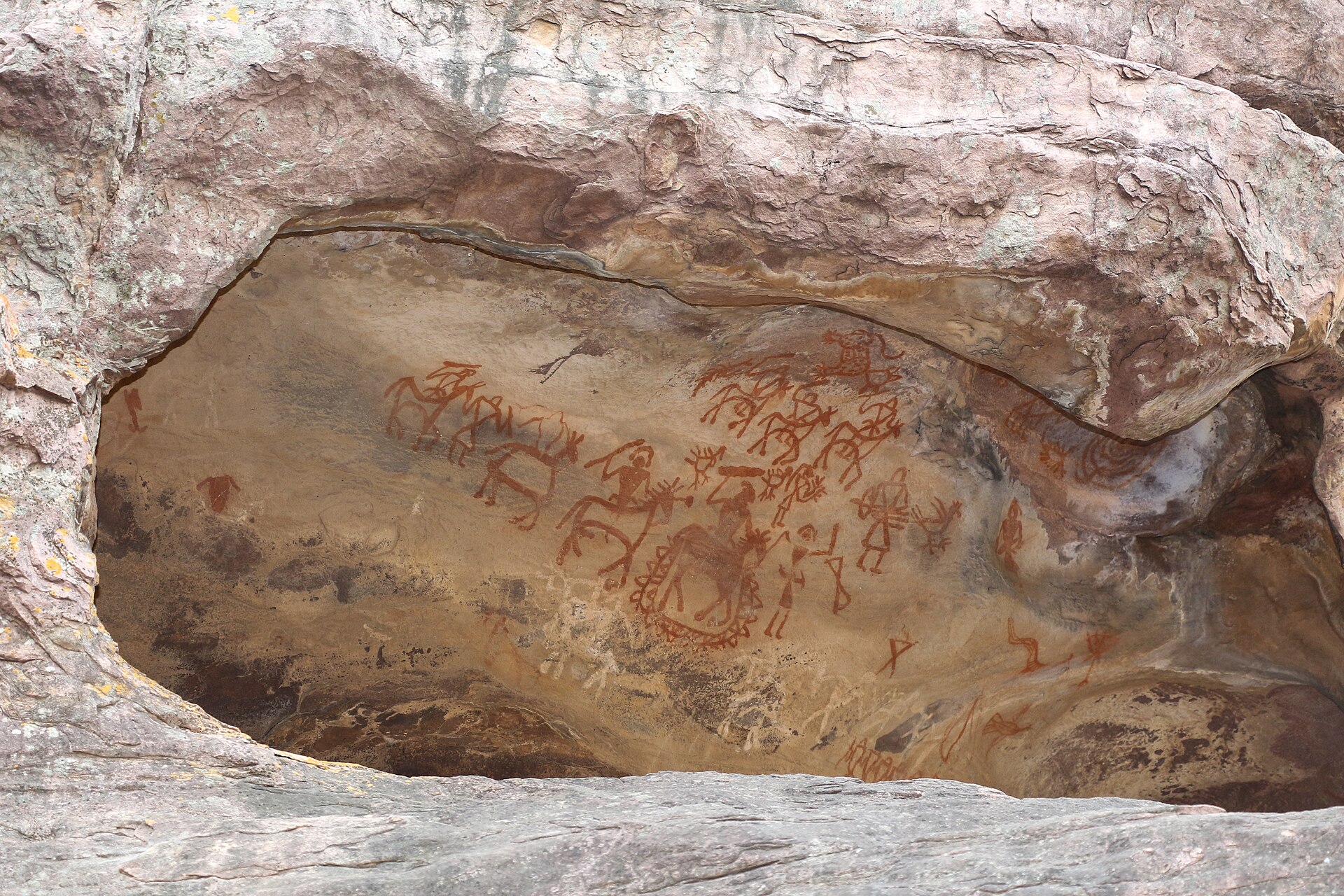
The shelters are covered with paintings. The oldest ones may be about 10,000 years old. They show hunters chasing bison, tigers and deer, people dancing in lines, honey collectors, and later, riders on horses and elephants. The artists used red and white colors made from minerals.
Archaeologist V. S. Wakankar spotted the rocks from a train in 1957 and thought they looked like places in Europe with cave art. He explored them and revealed their treasures to the world.
How it ended
Bhimbetka was never destroyed. People kept visiting and using the shelters over time, and local villagers knew of them. The world learned about them after Wakankar's discovery in 1957.
What life was like
Early people here hunted animals, gathered fruits, roots and honey, and used stone tools. Rock shelters kept them dry in the monsoon rains and shady in the hot summers. Later paintings show people with bows and arrows, music, dancing and community life, much like a picture diary.
Wow facts
- Some paintings are about 10,000 years old.
- A geologist-archaeologist spotted the rocks from a train window.
- Some shelters have tiny cup-shaped marks in the rock that may be among the oldest rock art in the world.
Photos
 This is a photo of ASI monument number Vijay Tiwari09, CC BY-SA 4.0
 This is a photo of ASI monument number Vijay Tiwari, CC BY-SA 4.0
 Bhimbetka rock shelters and caves are a UNESCO world heritage site consisting of over... solarisgirl from Pune, India, CC BY-SA 2.0
Relics and treasures
- Zoo Rocka shelter painted with many animals, at the site
- Dancing figureslines of painted dancers, at the site
- Cupulessmall cup-shaped marks ground into rock, at the Auditorium Cave
- Stone toolstools found in the shelters, studied by Indian archaeologists
How we know
Excavations in the shelters found layers of stone tools from many time periods. Experts compare painting styles and colors to sort out which are oldest. Scientists date materials found in the layers.
What you would see today
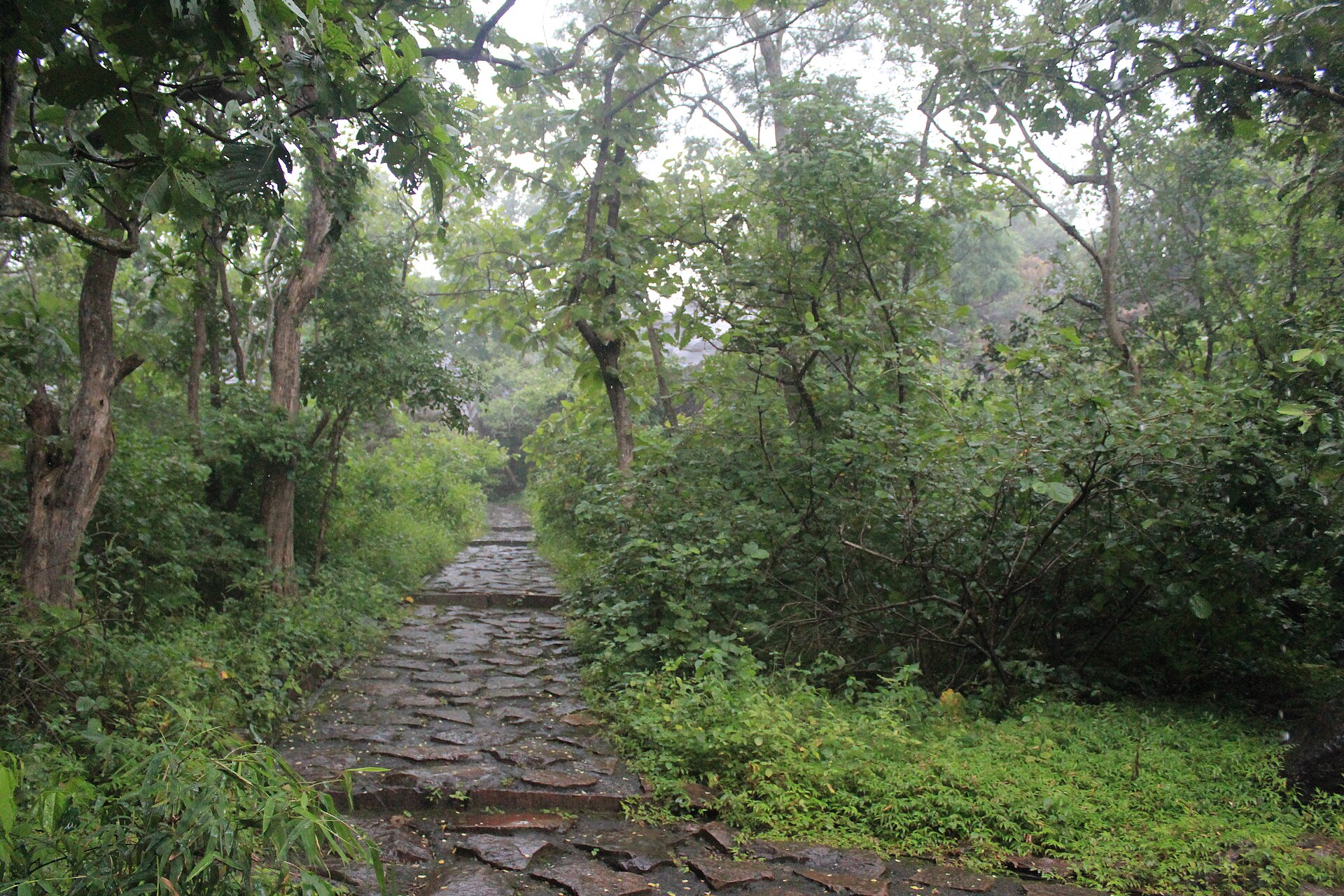
Visitors walk a trail through the forest past painted shelters, including one called the Zoo Rock with many animals. Villages nearby still have traditions of wall painting. It is a UNESCO World Heritage Site.
For teachers and classrooms
Suggested level: grades 3-5. Print this page as a lesson sheet with the story, vocabulary, discussion questions and a quiz with an answer key.
Key words
- rock shelter
- a shallow cave or overhang that protects people from weather
- Paleolithic
- the Old Stone Age, when people used simple stone tools
- pigment
- a colored powder used to make paint
Talk about it
- What would you paint on a wall to show your daily life?
- Why are paintings like these important when there is no writing?
Try this activity
- Draw a map of Bhimbetka Rock Shelters as it looked at its busiest, and label three things people did there.
- Find Bhimbetka Rock Shelters on the Ruinscape timeline, then pick another place from the same century and compare them.
- Use one link in Sources below to find a real object from this place. Describe what it is made of and what it tells us.
Quick quiz
What do many Bhimbetka paintings show?
- Hunters, dancers and animals
- Cars and trains
- Castles
- Spaceships
Show the answer
A. They show hunting, dancing and animals.
How did Wakankar spot Bhimbetka?
- From a train
- From a plane
- In a book
- In a dream
Show the answer
A. He saw the rocks from a train in 1957.
In which country is Bhimbetka?
- India
- Spain
- Egypt
- Mexico
Show the answer
A. Bhimbetka is in Madhya Pradesh, India.
Sources and further reading
Ruinscape lessons are written for students and checked against encyclopedia and museum records. Go to the sources: these links search real museum collections, the UNESCO list and research by archaeologists.
- Wikipedia articleEncyclopedia overview with its own references
- UNESCO World HeritageOfficial listing, if the site is protected
- Google Arts & CultureMuseum exhibits, virtual tours and close-up photos
- British Museum collectionReal objects, photos and catalog notes
- The Met collectionObjects and essays from the Metropolitan Museum of Art
- Smithsonian collectionsU.S. national museum records
- 3D models on SketchfabScans of sites and artifacts (check each license)
- Scholarly articlesResearch papers by archaeologists and historians
Read the full background
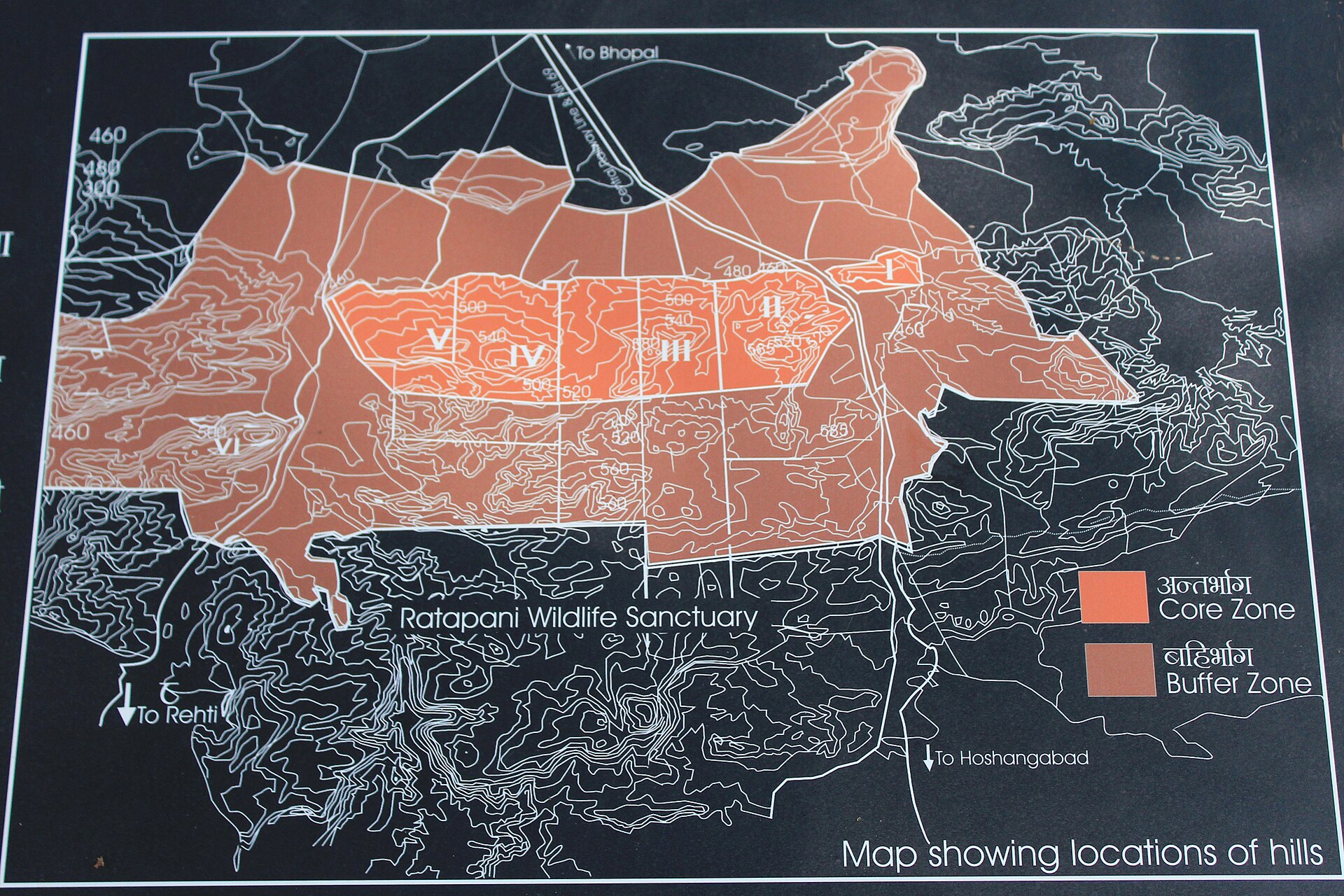
The Bhimbetka rock shelters are an archaeological site in central India that spans the Paleolithic and Mesolithic periods, as well as the historic period. It exhibits the earliest traces of human life in India and evidence of the Stone Age starting at the site in Acheulean times. It is located in the Raisen district in the Indian state of Madhya Pradesh, about 45 kilometres (28 mi) south-east of Bhopal. It is a UNESCO World Heritage Site that consists of seven hills and over 750 rock shelters distributed over 10 km (6.2 mi). At least some of the shelters were inhabited more than 100,000 years ago.
The rock shelters and caves provide evidence of human settlement and the cultural evolution from hunter-gatherers to agriculture, and expressions of prehistoric spirituality.
Some of the Bhimbetka rock shelters feature prehistoric cave paintings and the earliest are dated to 10,000 BCE, corresponding to the Indian Mesolithic. These cave paintings show themes such as animals, early evidence of dance and hunting from the Stone Age as well as of warriors on horseback from a later time (perhaps the Bronze Age). The Bhimbetka site has the oldest-known rock art in India, as well as is one of the largest prehistoric complexes.
Background text from Wikipedia, available under CC BY-SA 4.0.
Last updated: October 2026. How we make Ruinscape.