The story
Ciudad Perdida, which means Lost City in Spanish, was built by the Tairona people around 800 CE. Its local name is Teyuna. It is about 650 years older than Machu Picchu.
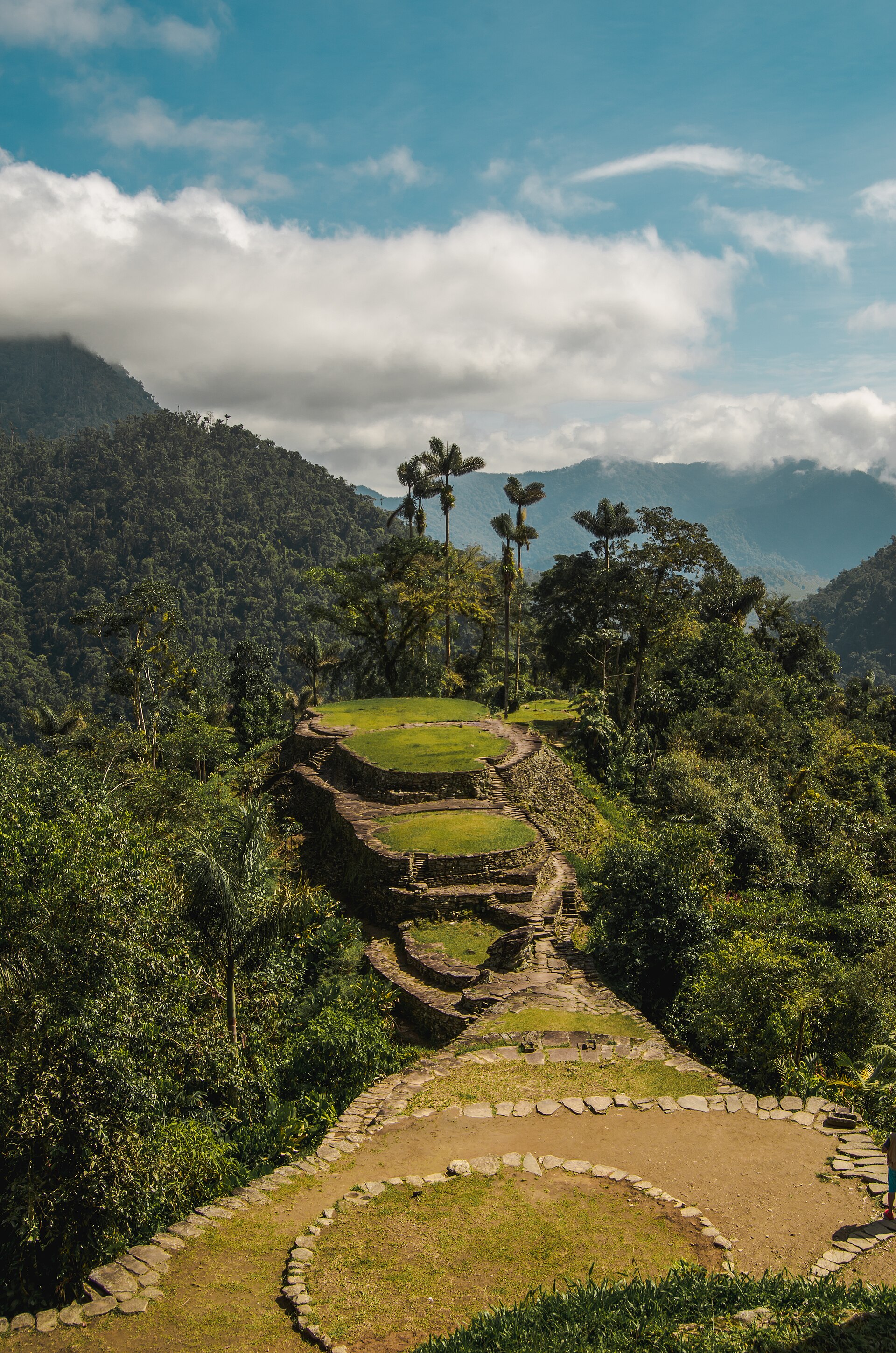
The city has more than 160 stone terraces, linked by stone paths and stairways. Round wooden houses with tall thatched roofs once stood on the terraces. Between 2,000 and 8,000 people may have lived here.
The Tairona were skilled goldsmiths. They made beautiful gold figures and jewelry. After the Spanish arrived in the 1500s, war and disease forced the Tairona to leave, and the jungle swallowed the city.
How it ended
During the Spanish conquest, the Tairona fled deep into the mountains. The city was abandoned and covered by forest. It was not lost to the local Indigenous peoples, but the outside world did not learn of it until the 1970s.
What life was like
The Tairona farmed corn, beans and fruit on terraces and traded with coastal villages for fish and salt. They built stone channels to drain heavy rain. Gold workers made frogs, bats and bird-men from gold. Today, the Kogi, Arhuaco, Wiwa and Kankuamo peoples, descendants of the Tairona, still live in these mountains and consider the city sacred.
Wow facts
- Visitors must hike about 4 days, round trip, through the jungle to see it.
- Indigenous peoples of the area say they always knew about the city.
- The Tairona made gold figures of frogs, bats and bird-men.
Photos
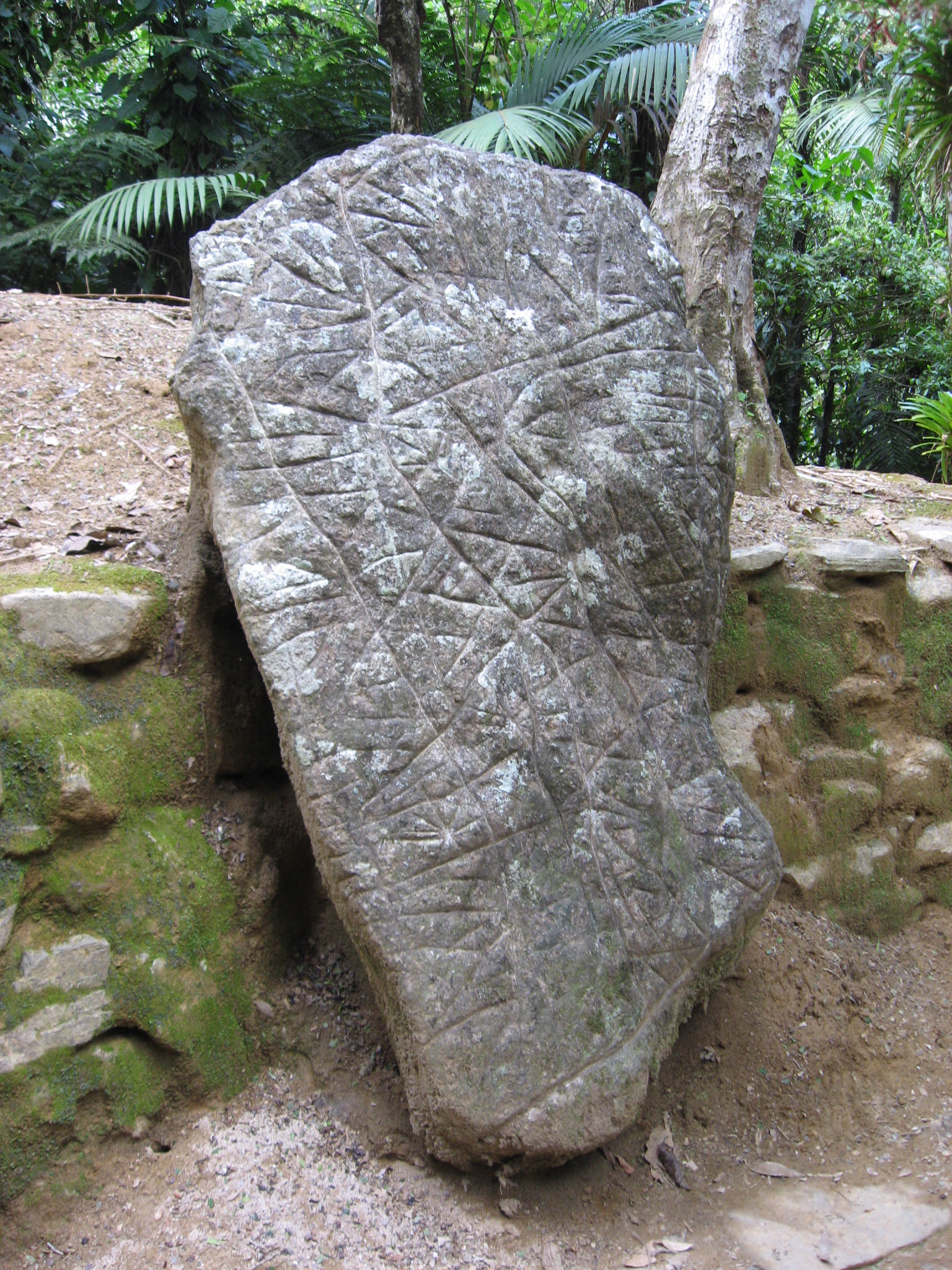 Photo taken by myself (Stan James) and Yael Zwighaft in February 2008 while trekking at... Wanderingstan at English Wikipedia, CC BY 3.0
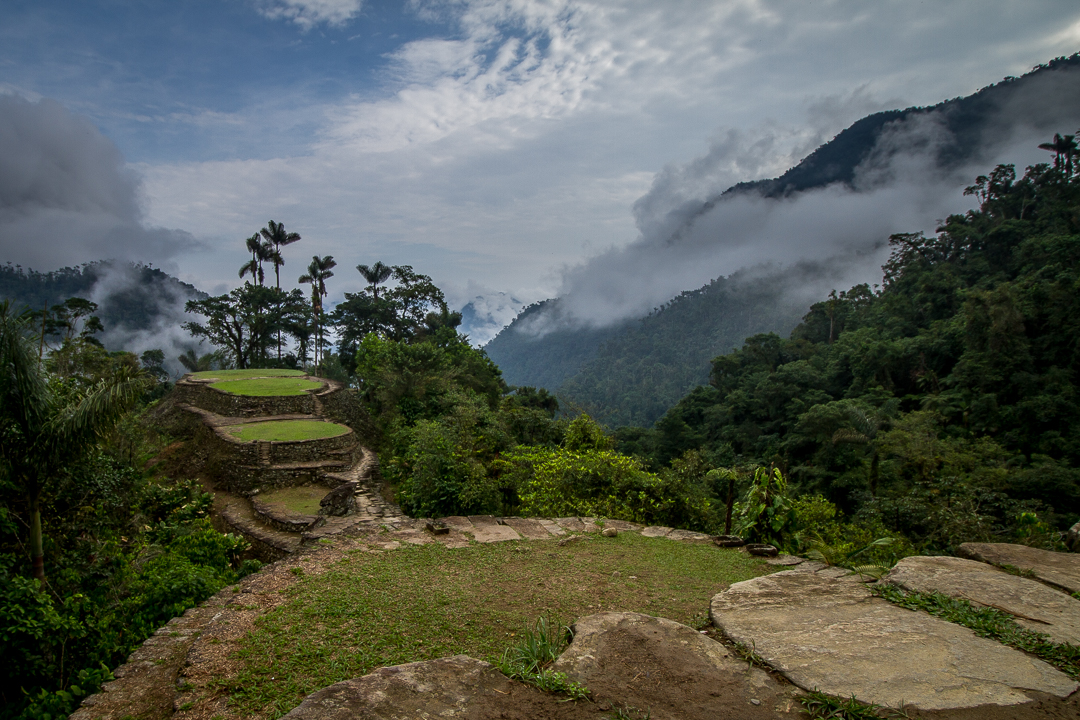 An overview of Ciudad Perdida. Dwayne Reilander, CC BY-SA 4.0
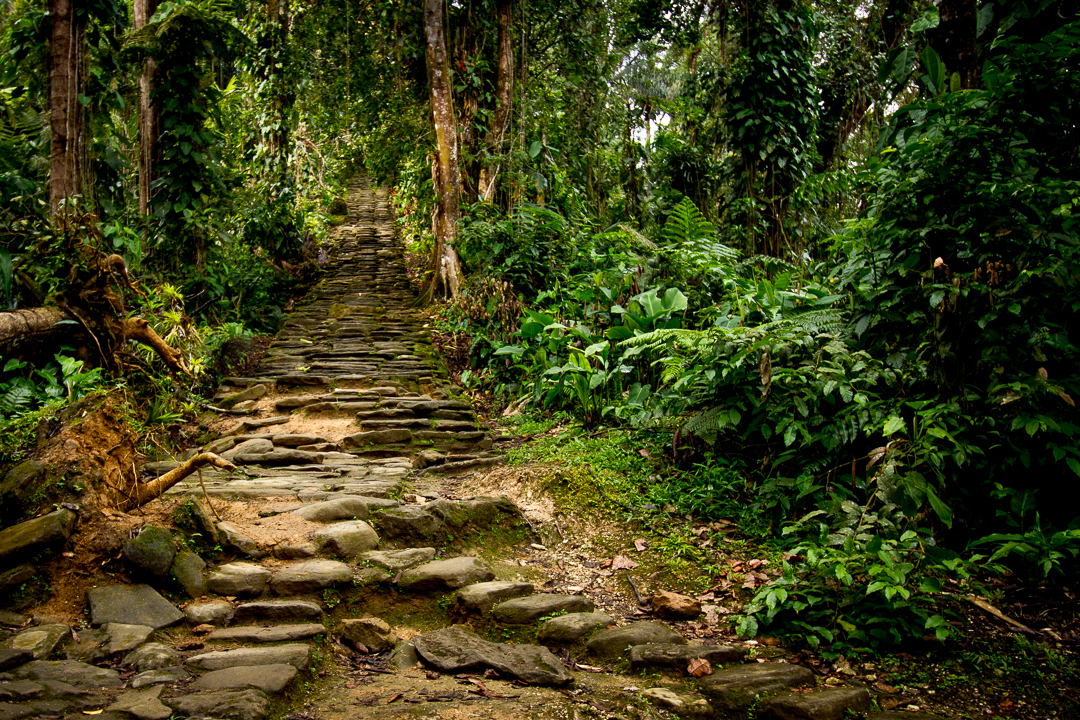 This is a section of the stone staircase that leads up from the river valley to Ciudad... Dwayne Reilander, CC BY-SA 4.0
Relics and treasures
- Main terracesround stone platforms in the city center, at the site
- Stone staircaseabout 1,200 steps up to the city, at the site
- Tairona gold figuresgold work, in the Gold Museum in Bogota
- Drainage channelsstone systems for rain, at the site
How we know
Looters found the site in 1972, and gold began appearing on the black market, which led archaeologists to it in 1976. Colombian archaeologists studied and restored it. Indigenous knowledge also explains the city's meaning.
What you would see today
Hikers trek through jungle, cross rivers and climb the steps to reach the city, with Indigenous guides and local communities helping protect it. The site is cared for together with the Kogi and other Indigenous peoples.
For teachers and classrooms
Suggested level: grades 3-5. Print this page as a lesson sheet with the story, vocabulary, discussion questions and a quiz with an answer key.
Key words
- Tairona
- an Indigenous culture of northern Colombia
- goldsmith
- a craftsperson who makes things from gold
- descendant
- a person related to someone who lived long ago
Talk about it
- What does it mean for a city to be lost if some people always knew where it was?
- Why should Indigenous peoples help decide how their sacred places are protected?
Try this activity
- Draw a map of Ciudad Perdida as it looked at its busiest, and label three things people did there.
- Find Ciudad Perdida on the Ruinscape timeline, then pick another place from the same century and compare them.
- Use one link in Sources below to find a real object from this place. Describe what it is made of and what it tells us.
Quick quiz
Who built Ciudad Perdida?
- The Tairona
- The Inca
- The Aztecs
- The Romans
Show the answer
A. The Tairona people built it around 800 CE.
How do visitors reach it today?
- A multi-day jungle hike
- A highway
- A subway
- An elevator
Show the answer
A. It takes a hike of several days through the jungle.
Which is older?
- Ciudad Perdida
- Machu Picchu
- They are the same age
- Neither
Show the answer
A. Ciudad Perdida is about 650 years older.
Sources and further reading
Ruinscape lessons are written for students and checked against encyclopedia and museum records. Go to the sources: these links search real museum collections, the UNESCO list and research by archaeologists.
- Wikipedia articleEncyclopedia overview with its own references
- UNESCO World HeritageOfficial listing, if the site is protected
- Google Arts & CultureMuseum exhibits, virtual tours and close-up photos
- British Museum collectionReal objects, photos and catalog notes
- The Met collectionObjects and essays from the Metropolitan Museum of Art
- Smithsonian collectionsU.S. national museum records
- 3D models on SketchfabScans of sites and artifacts (check each license)
- Scholarly articlesResearch papers by archaeologists and historians
Read the full background
Ciudad Perdida (Spanish for "lost city"; also known as Teyuna and Buritaca-200) is the archaeological site of an ancient city in the Sierra Nevada de Santa Marta of Colombia, within the jurisdiction of the municipality of Santa Marta. This city is believed to have been founded about 800 AD. If so, Ciudad Perdida predates Machu Picchu by about 650 years. It was built by the Tairona.
Ciudad Perdida consists of a series of 169 terraces carved into the mountainside, a network of tiled roads, and several small circular plazas. The entrance can be accessed only by climbing up 1,200 stone steps through dense jungle.
Background text from Wikipedia, available under CC BY-SA 4.0.
Last updated: October 2026. How we make Ruinscape.