No. 210
El Dorado

- Where
- Colombia
- Type
- Legend
- First told
- Spanish accounts, 1500s
- Behind it
- A Muisca ceremony where a new chief was covered in gold dust grew into a myth of a golden city.
- The truth
- No lost city has ever been found.

Lyra Kael can take you here on the globe, tell you the story out loud and answer your questions. Start the time jump.
Background
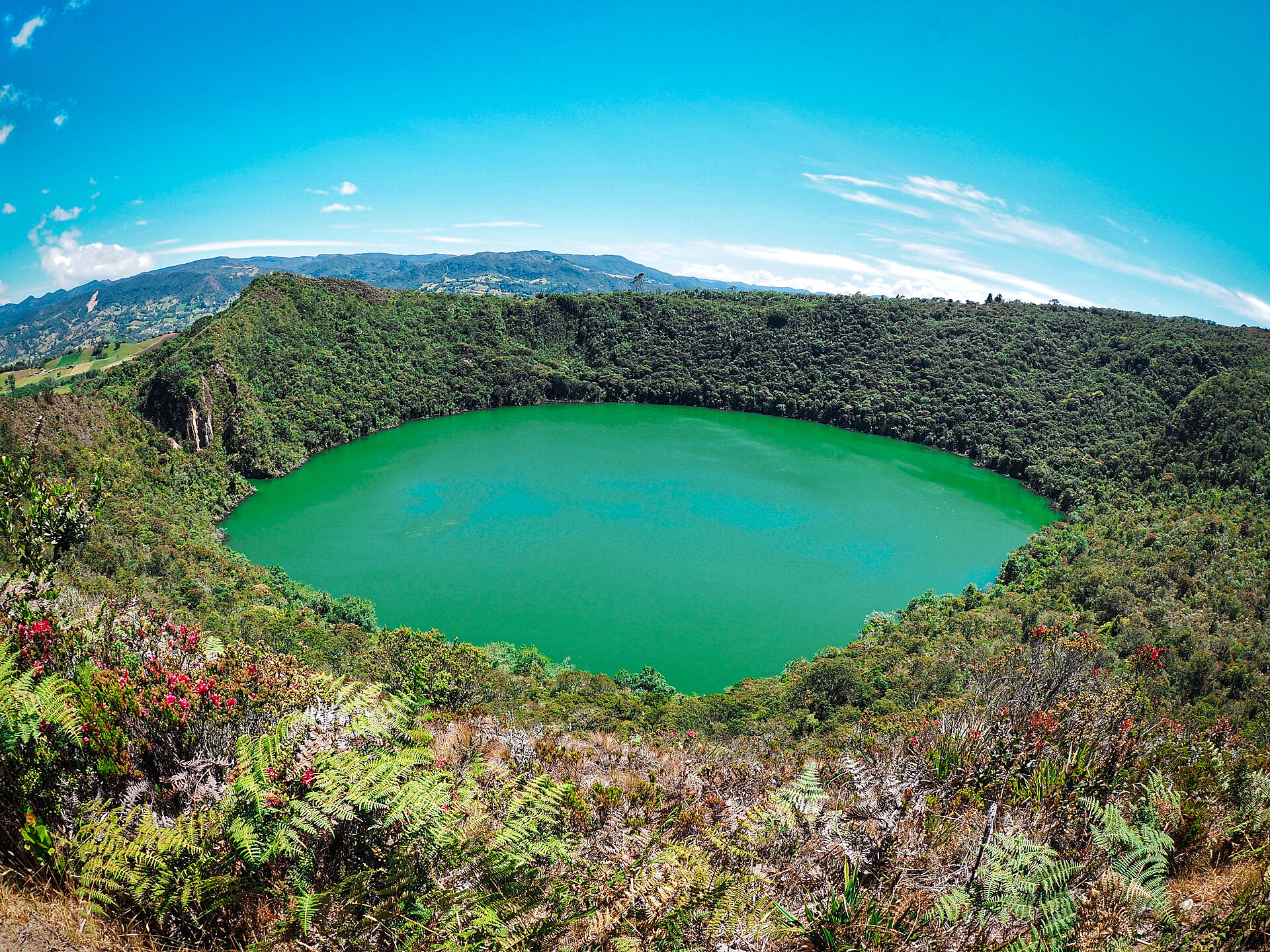
El Dorado (Spanish: [el doˈɾaðo]) is a mythical city of gold supposedly located somewhere in South America. The legend originated in 16th-century Spanish accounts of a ruler known as El Dorado, or the Golden One, who was said to cover himself in gold dust before washing it off in a sacred lake. Over time, the name came to refer not only to the ruler, but also to a lost city or kingdom of immense wealth.
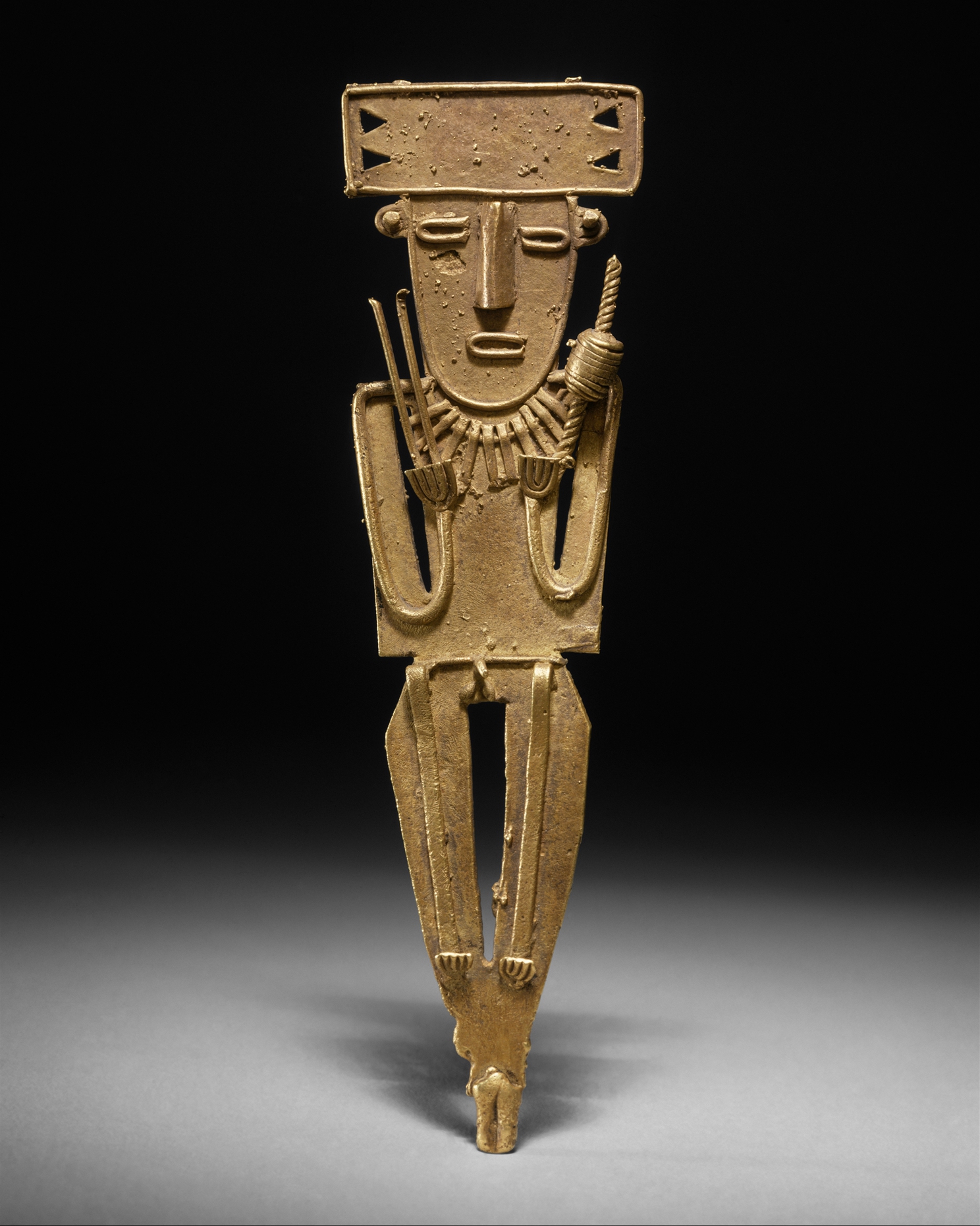
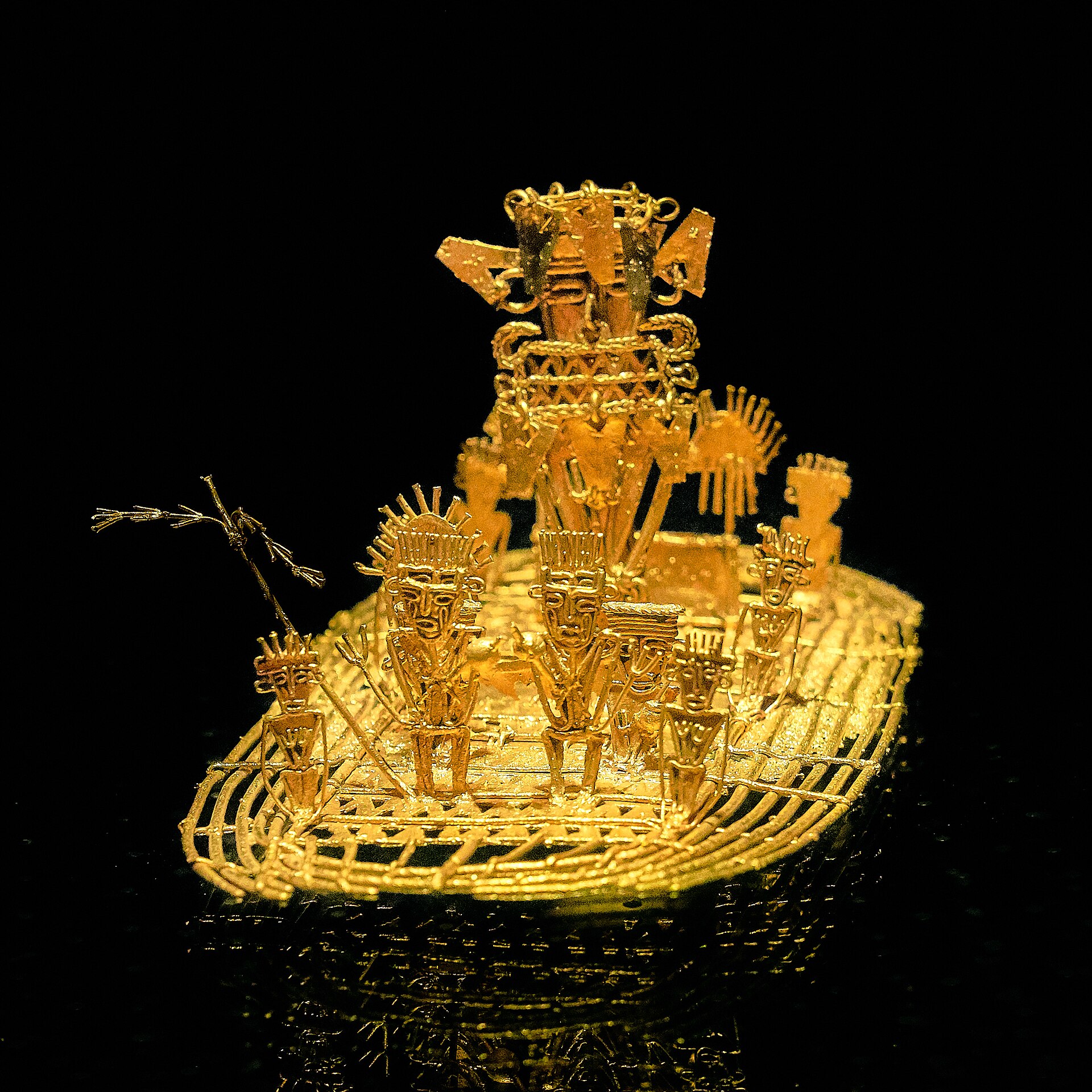
The legend is associated with the Muisca, an indigenous people who inhabited the Altiplano Cundiboyacense in present-day Colombia. Later accounts linked the story to the installation ceremony of a new zipa, involving offerings of gold and other valuables at Lake Guatavita. The Muisca were skilled goldsmiths, and Spanish expeditions under Gonzalo Jiménez de Quesada reached and conquered their territory in 1537. Later attempts were made to drain Lake Guatavita in search of treasure, and objects associated with the El Dorado tradition, including the Muisca raft, are now held by the Museo del Oro in Bogotá.
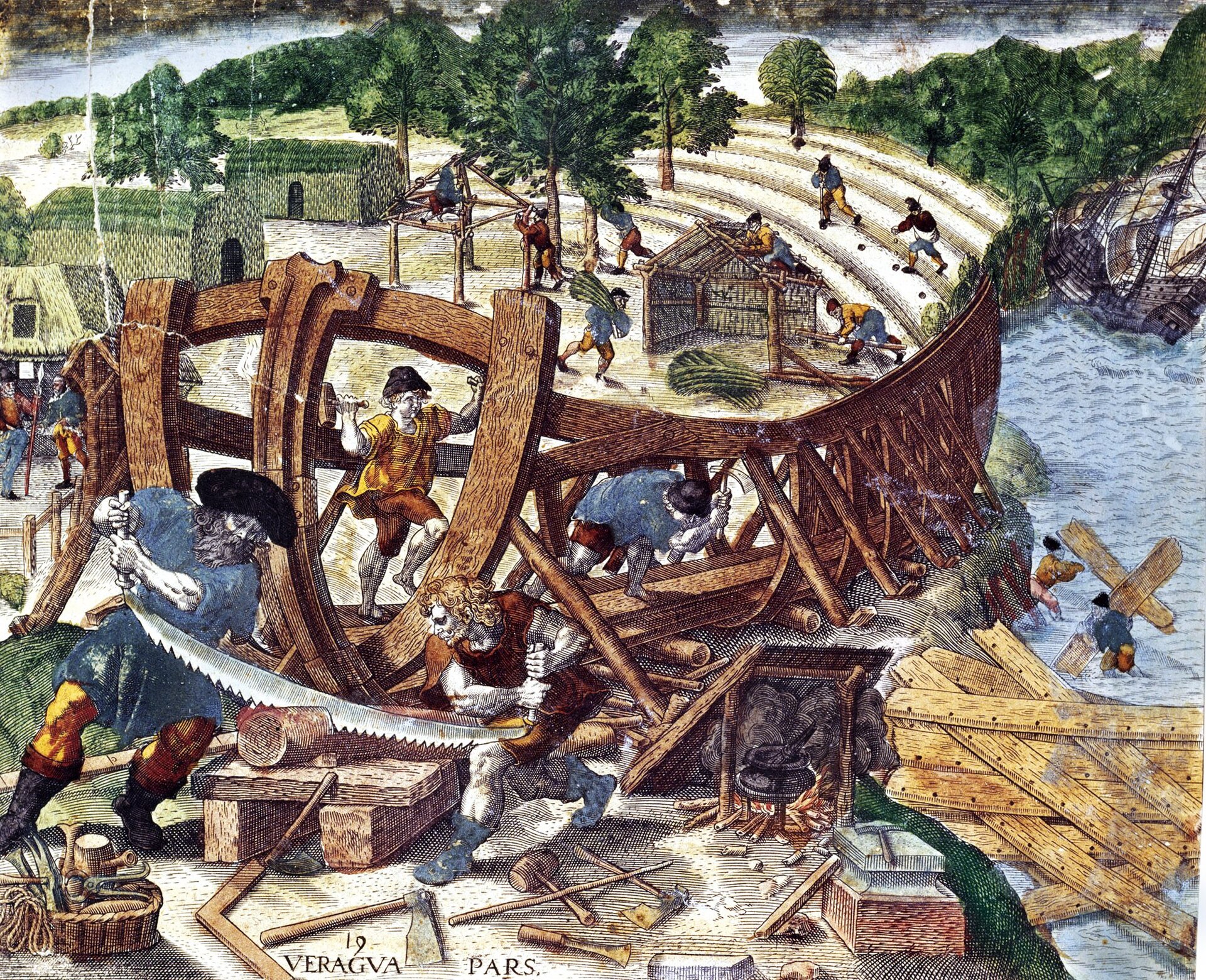
In the decades that followed, European explorers searched for El Dorado in various parts of South America. Expeditions associated with Gonzalo Pizarro, Francisco Orellana, Philipp von Hutten, Pedro de Ursúa, Antonio de Berrio, and Walter Raleigh shifted the supposed location of the golden city from the Colombian highlands to the Amazon and the Guianas. The legend later became associated with Lake Parime, a supposed inland lake that appeared on maps of the region during the 17th century before its existence was rejected by later explorers and geographers.
Although belief in El Dorado as a real place declined, the legend has had a lasting cultural impact. It became a symbol of fabulous wealth, utopia, and obsessive exploration, appearing in works such as Voltaire's Candide, Edgar Allan Poe's "Eldorado", and later films, games, and adventure fiction.
Text from Wikipedia, licensed CC BY-SA 4.0.