No. 111
Copan

- Where
- Honduras
- Built by
- Classic Maya
- Era
- 400-820 CE
- Known for
- The Hieroglyphic Stairway, the longest Maya text.
- How it ended
- The valley was farmed out and the dynasty ended around 820.

Lyra Kael can take you here on the globe, tell you the story out loud and answer your questions. Start the time jump.
Background
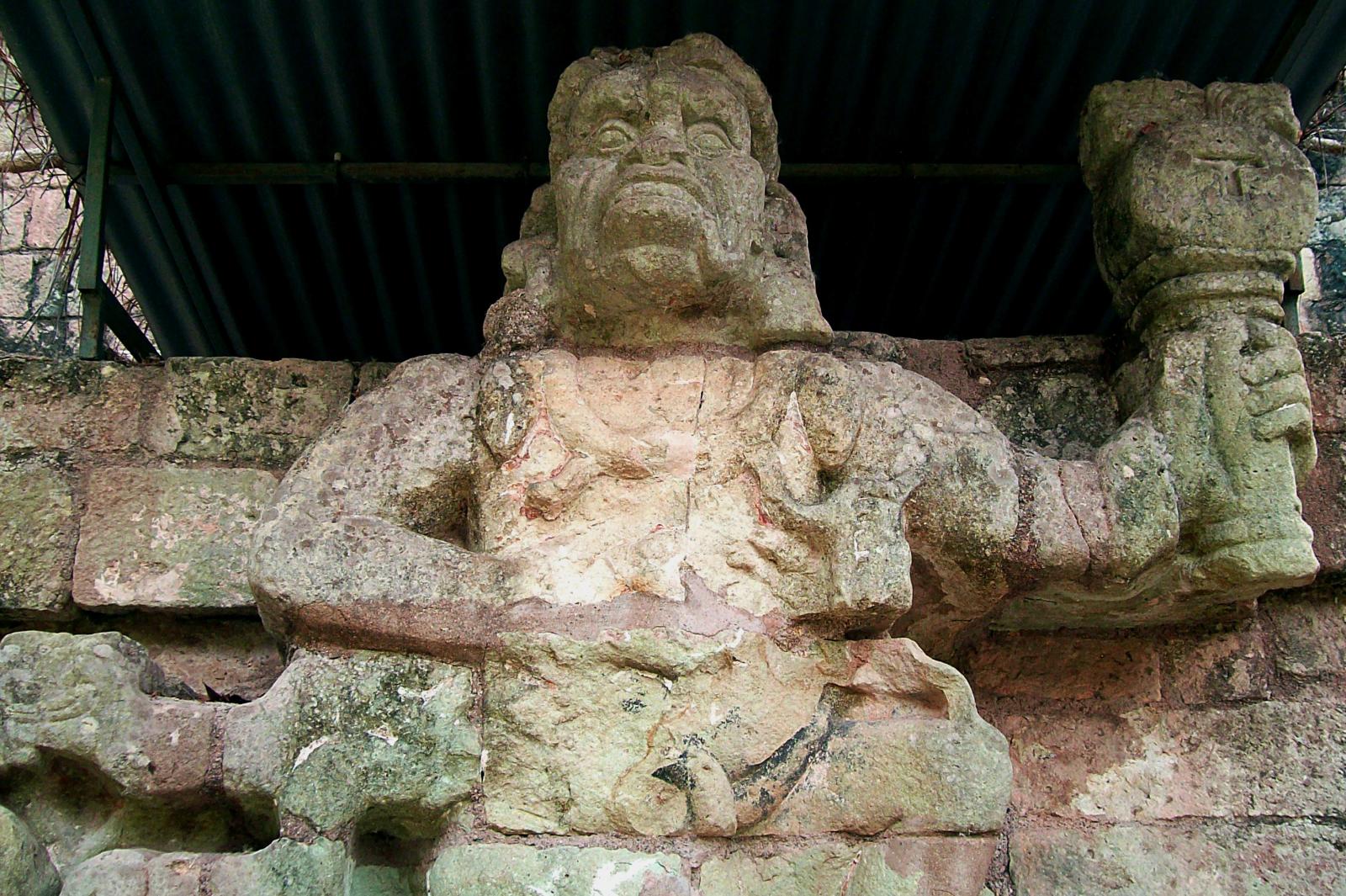
Copán is an archaeological site of the Maya civilization in the Copán Department of western Honduras, not far from the border with Guatemala. It is one of the most important sites of the Maya civilization, which was not excavated until the 19th century. The ruined citadel and imposing public squares reveal the three main stages of development before the city was abandoned in the early 10th century.
This ancient Maya city mirrors the beauty of the physical landscapes in which it flourished—a fertile, well-watered mountain valley in western Honduras. Situated within the fertile alluvial basin of the Copán River at an elevation of 600 metres (1,970 ft) above sea level, the ancient city occupied a strategic ecological corridor at the southeastern periphery of Mesoamerica. Serving as the capital of a major Classic period kingdom from the 5th to 9th centuries AD, Copán functioned as a critical geopolitical and commercial bridge between the lowland Maya polities to the north and non-Maya populations of the Isthmo-Colombian cultural region to the south and east
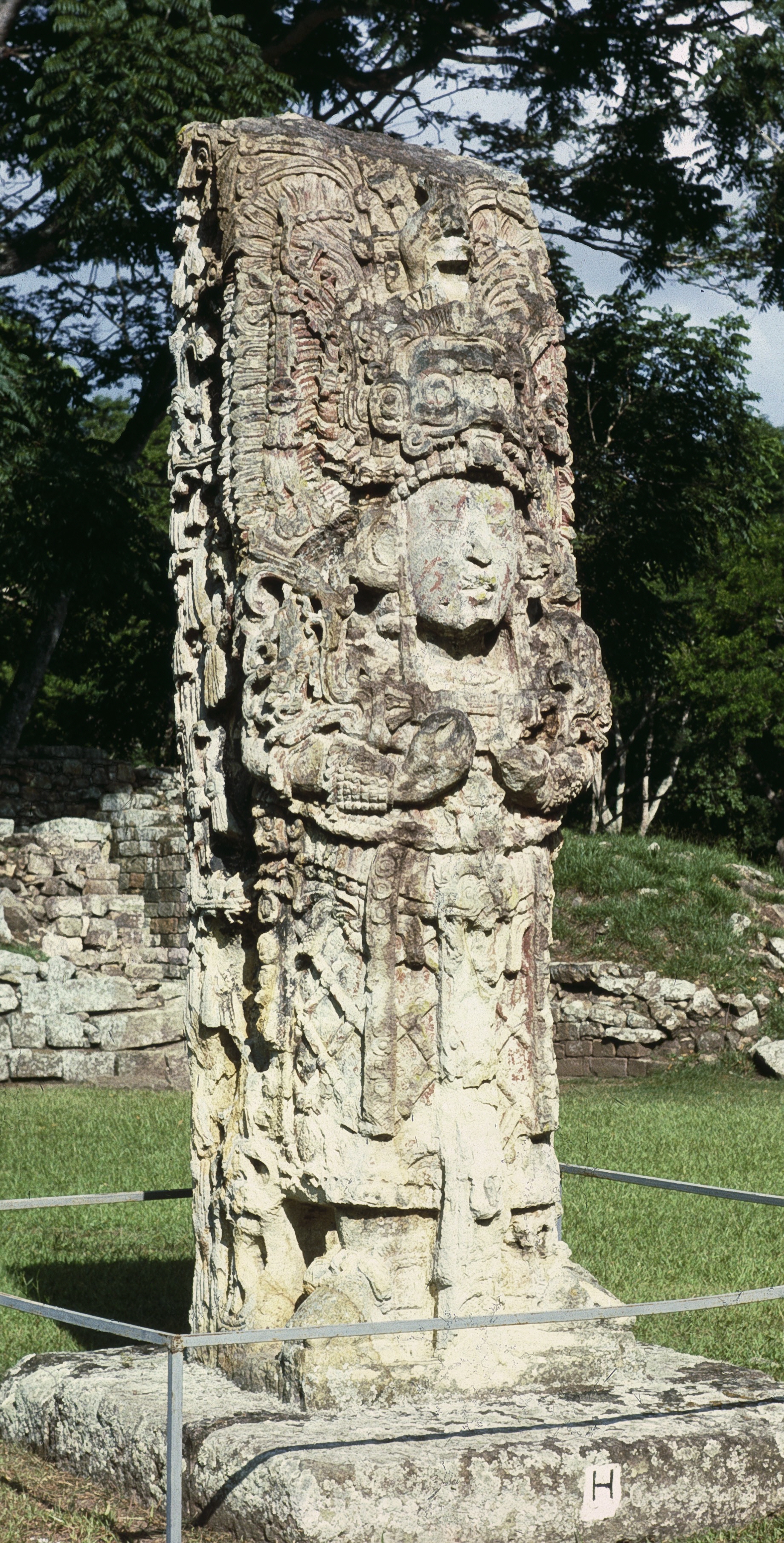
Copán was occupied for more than two thousand years, from the Early Preclassic period to the Postclassic. The city developed a distinctive sculptural style within the tradition of the lowland Maya, perhaps to emphasize the Maya ethnicity of the city's rulers.
The city has a historical record that spans the greater part of the Classic period and has been reconstructed in detail by archaeologists and epigraphers. Copán was a powerful city ruling a vast kingdom within the southern Maya area. The city suffered a major political disaster in AD 738 when Uaxaclajuun Ub'aah K'awiil, one of the greatest kings in Copán's dynastic history, was captured and executed by his former vassal, the king of Quiriguá. This unexpected defeat resulted in a 17-year hiatus at the city, during which time Copán may have been subject to Quiriguá in a reversal of fortunes.
A significant portion of the eastern side of the acropolis was eroded away by the Copán River; the river has since been diverted to protect the site from further damage.
As one of the most important sites in Maya history, and because of its outstanding, well-preserved architecture, Copán was declared a UNESCO World Heritage Site in 1980, and the site was designated a cultural monument by the Honduran Government in 1982.
Text from Wikipedia, licensed CC BY-SA 4.0.