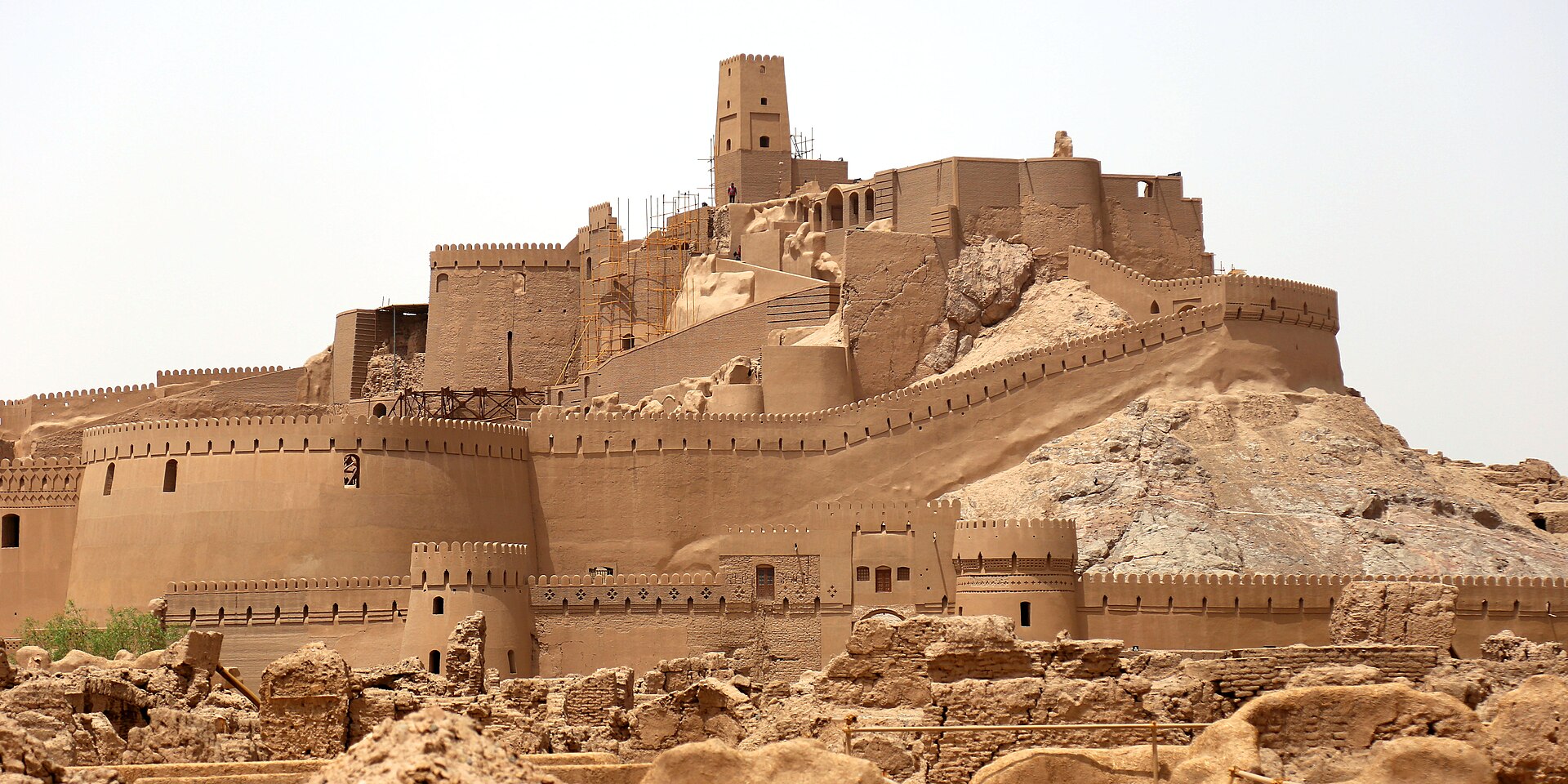
The story
Bam sits on an ancient trade route through the desert, where caravans carried silk, spices and cotton. A town may have stood here more than 2,000 years ago, but most of the walls and buildings we know were built between the 1500s and 1700s.
The whole city was surrounded by thick walls and 38 towers. Inside were houses, a market, a mosque, a bathhouse and stables. At the top stood the governor's castle. Farmers grew dates and oranges using underground water channels called qanats, which brought water from the mountains.
In the 1800s, people moved to a newer town outside the walls. Then, in 2003, a terrible earthquake struck. Much of the old citadel crumbled. Since then, workers from Iran and other countries have been carefully rebuilding it using traditional mud bricks.
How it ended
People slowly left the walled city in the 1800s for more space outside. The 2003 earthquake then destroyed much of what was left. Today Bam is being rebuilt brick by brick.
What life was like
People in Bam built with what they had: mud, straw and palm wood. Thick earth walls kept homes cool in the scorching day and warm at night. Families tended date palms and gardens watered by qanats. Merchants traded with passing caravans, and soldiers watched from the towers for raiders.
Wow facts
- The whole citadel was made of mud bricks, clay and straw.
- Underground water channels called qanats carried water across the desert to the town.
- After the 2003 earthquake, people from many countries helped rebuild it.
Photos
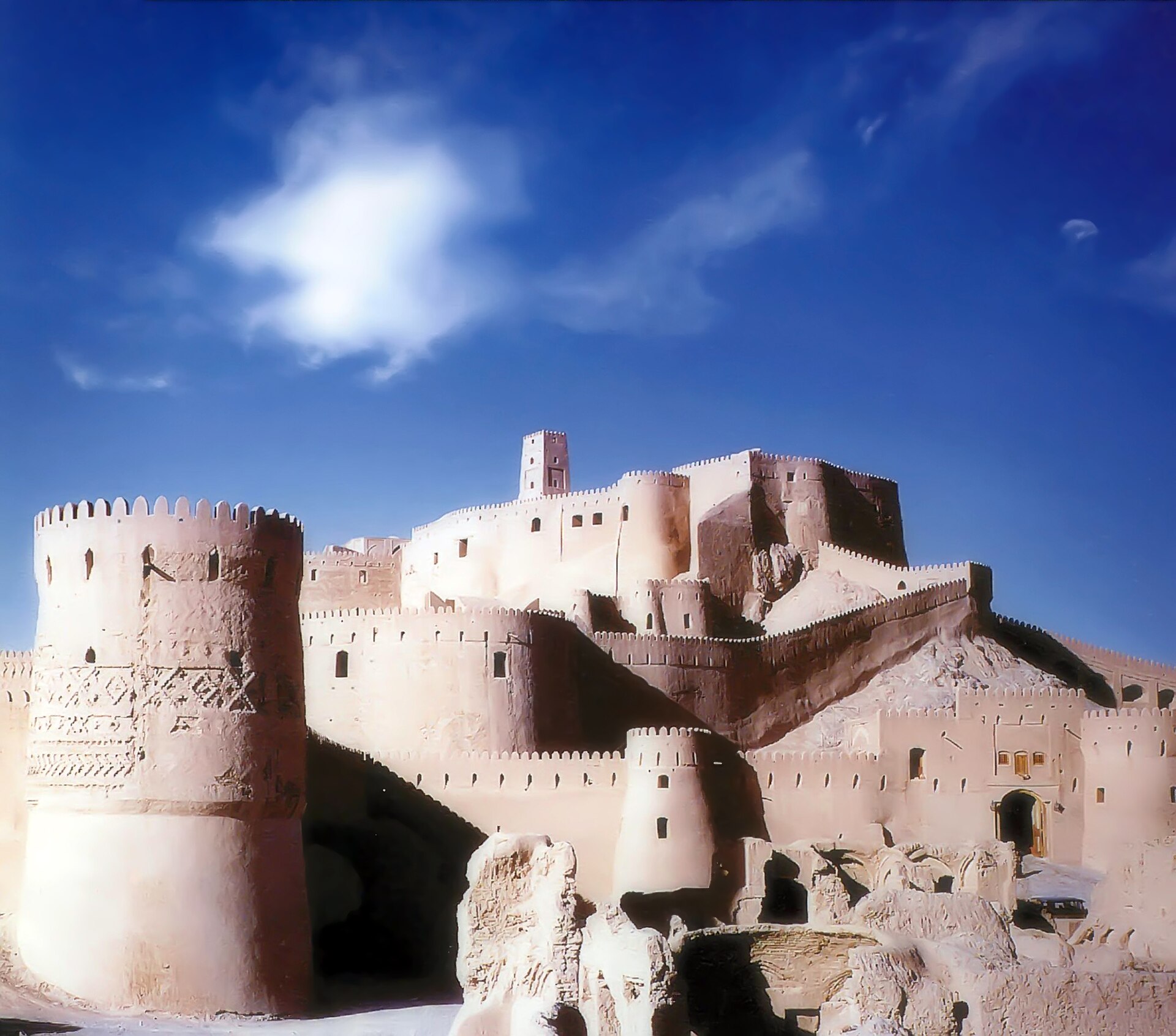 Arge Bam, Bam, Iran Arad Mojtahedi, CC BY-SA 3.0
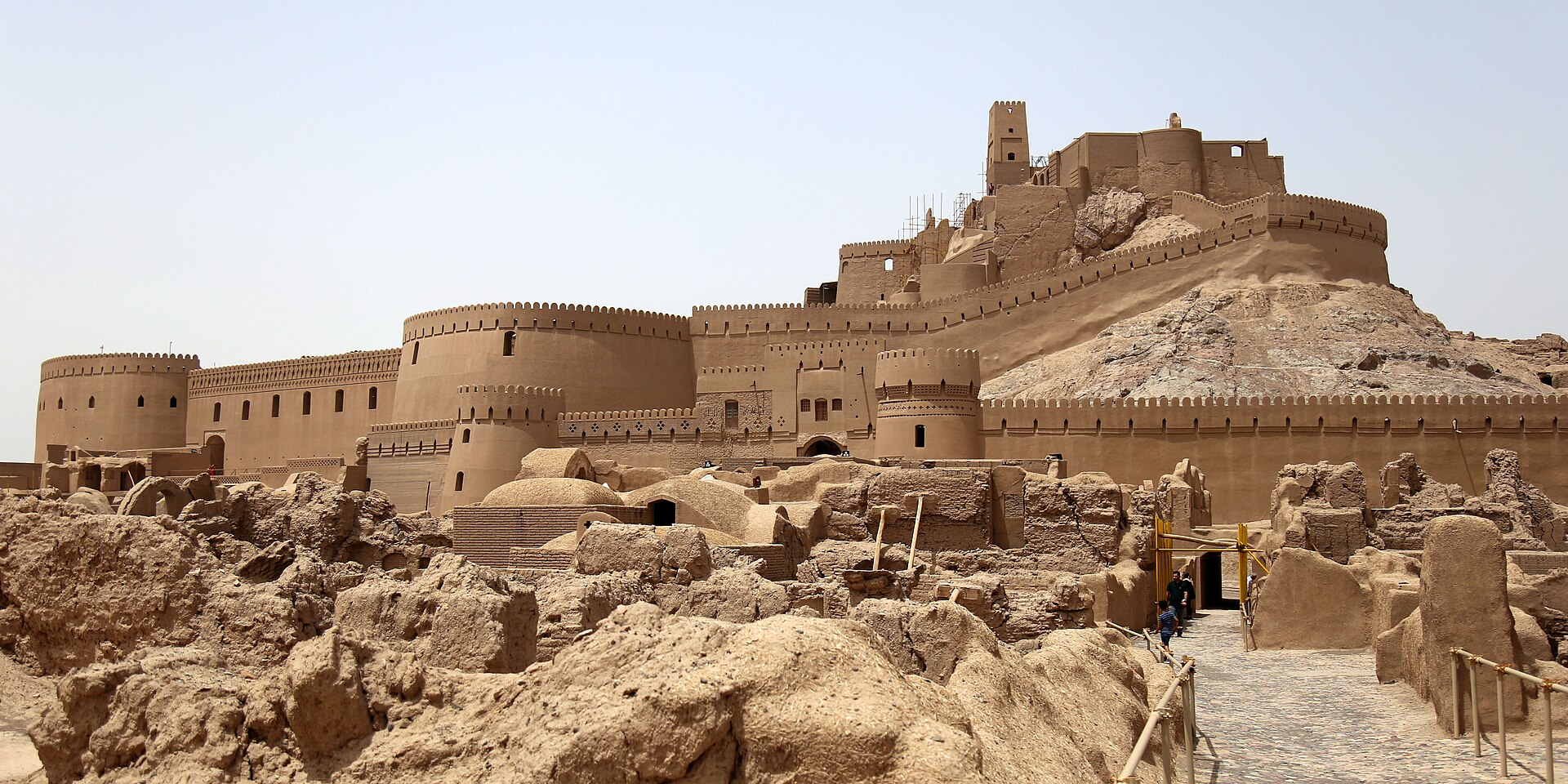 Arg-e-Bam, Kerman, Iran - May 3, 2022 - Photo by: Safa Daneshvar Safa.daneshvar, CC BY-SA 4.0
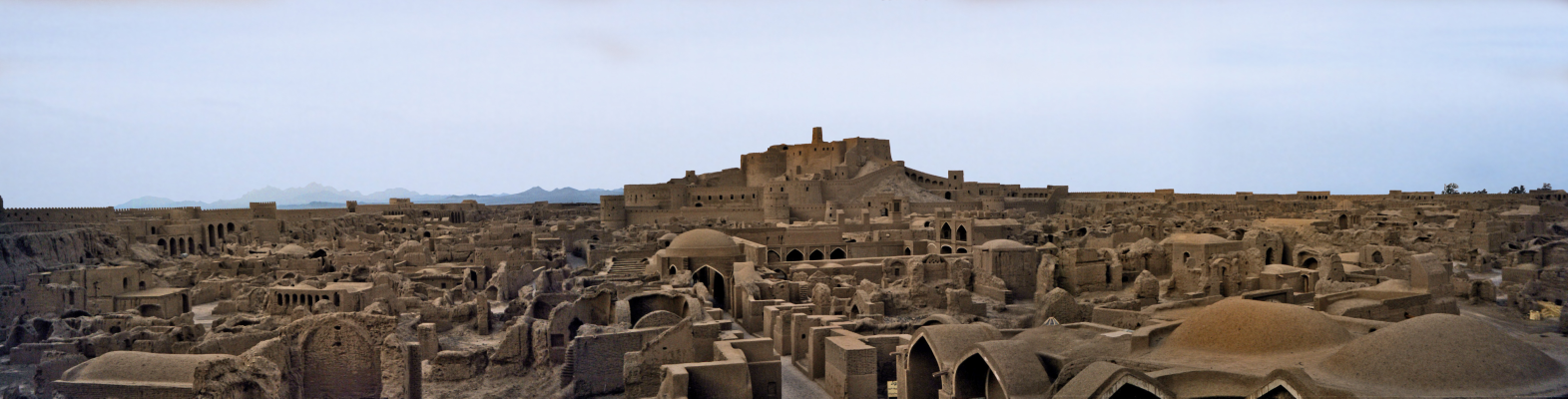 Ancient Bam Ales.kocourek, CC BY-SA 3.0
Relics and treasures
- The Citadelthe governor's castle at the top of the city, being restored at the site
- City walls and towersthe mud-brick ring of walls, at the site
- Qanatsunderground water channels around Bam, some still in use
- Bazaar and mosquebuildings of the old town, at the site
How we know
Travelers and historians described Bam over the centuries. After the 2003 earthquake, archaeologists studied the fallen walls and found older layers inside them. Mapping and photos taken before the quake help guide the rebuilding.
What you would see today
Visitors can walk parts of the rebuilt walls and streets and see the castle rising above the town. Workers still make mud bricks by hand to repair the citadel. It is a UNESCO World Heritage Site.
For teachers and classrooms
Suggested level: grades 3-5. Print this page as a lesson sheet with the story, vocabulary, discussion questions and a quiz with an answer key.
Key words
- citadel
- a fortress that protects a town, often on high ground
- caravan
- a group of travelers and animals moving together, often traders
- qanat
- an underground tunnel that carries water from hills to dry land
Talk about it
- Why would people build with mud instead of stone in the desert?
- Should damaged ancient places be rebuilt, or left as they are? Why?
Try this activity
- Draw a map of Arg-e Bam as it looked at its busiest, and label three things people did there.
- Find Arg-e Bam on the Ruinscape timeline, then pick another place from the same century and compare them.
- Use one link in Sources below to find a real object from this place. Describe what it is made of and what it tells us.
Quick quiz
What is Arg-e Bam made of?
- Marble
- Mud bricks
- Wood
- Steel
Show the answer
B. It was the largest mud-brick building in the world.
What is a qanat?
- An underground water channel
- A type of sword
- A desert animal
- A kind of boat
Show the answer
A. Qanats bring water underground from the mountains.
What happened at Bam in 2003?
- A flood
- A big earthquake
- A volcano erupted
- A blizzard
Show the answer
B. An earthquake destroyed much of the citadel.
Sources and further reading
Ruinscape lessons are written for students and checked against encyclopedia and museum records. Go to the sources: these links search real museum collections, the UNESCO list and research by archaeologists.
- Wikipedia articleEncyclopedia overview with its own references
- UNESCO World HeritageOfficial listing, if the site is protected
- Google Arts & CultureMuseum exhibits, virtual tours and close-up photos
- British Museum collectionReal objects, photos and catalog notes
- The Met collectionObjects and essays from the Metropolitan Museum of Art
- Smithsonian collectionsU.S. national museum records
- 3D models on SketchfabScans of sites and artifacts (check each license)
- Scholarly articlesResearch papers by archaeologists and historians
Read the full background
The Arg-e Bam (Persian: ارگ بم), located in the city of Bam, Kerman province of southeastern Iran,
is the largest adobe building in the world. The entire building was a large fortress containing the citadel, but because the citadel dominates the ruins, the entire fortress is now named Bam Citadel.
Listed by UNESCO as part of the World Heritage Site "Bam and its Cultural Landscape", it can be traced back to at least the Achaemenid Empire (sixth to fourth centuries BC). The citadel rose to importance from the seventh to eleventh centuries, as a crossroads along the Silk Road and other important trade routes, and as a producer of silk and cotton garments.
On 26 December 2003, the citadel was almost completely destroyed by an earthquake, along with much of the rest of Bam and its environs. A few days after the earthquake, the President of Iran, Mohammad Khatami, announced that the citadel would be rebuilt.
Background text from Wikipedia, available under CC BY-SA 4.0.
Last updated: October 2026. How we make Ruinscape.