No. 38
Shahr-e Sukhteh (Burnt City)
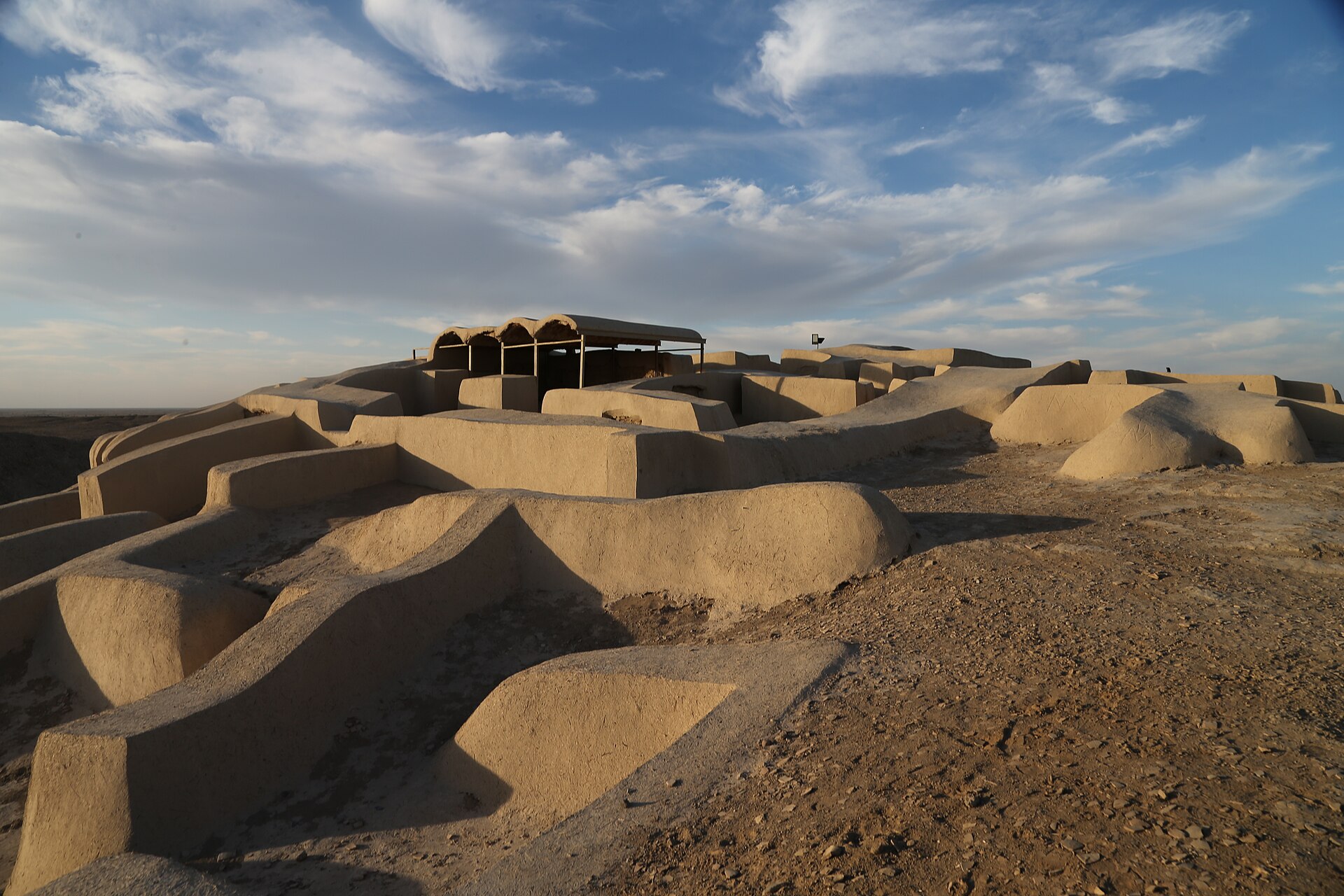

- Where
- Iran
- Built by
- Bronze Age city dwellers
- Era
- 3200-1800 BCE
- Known for
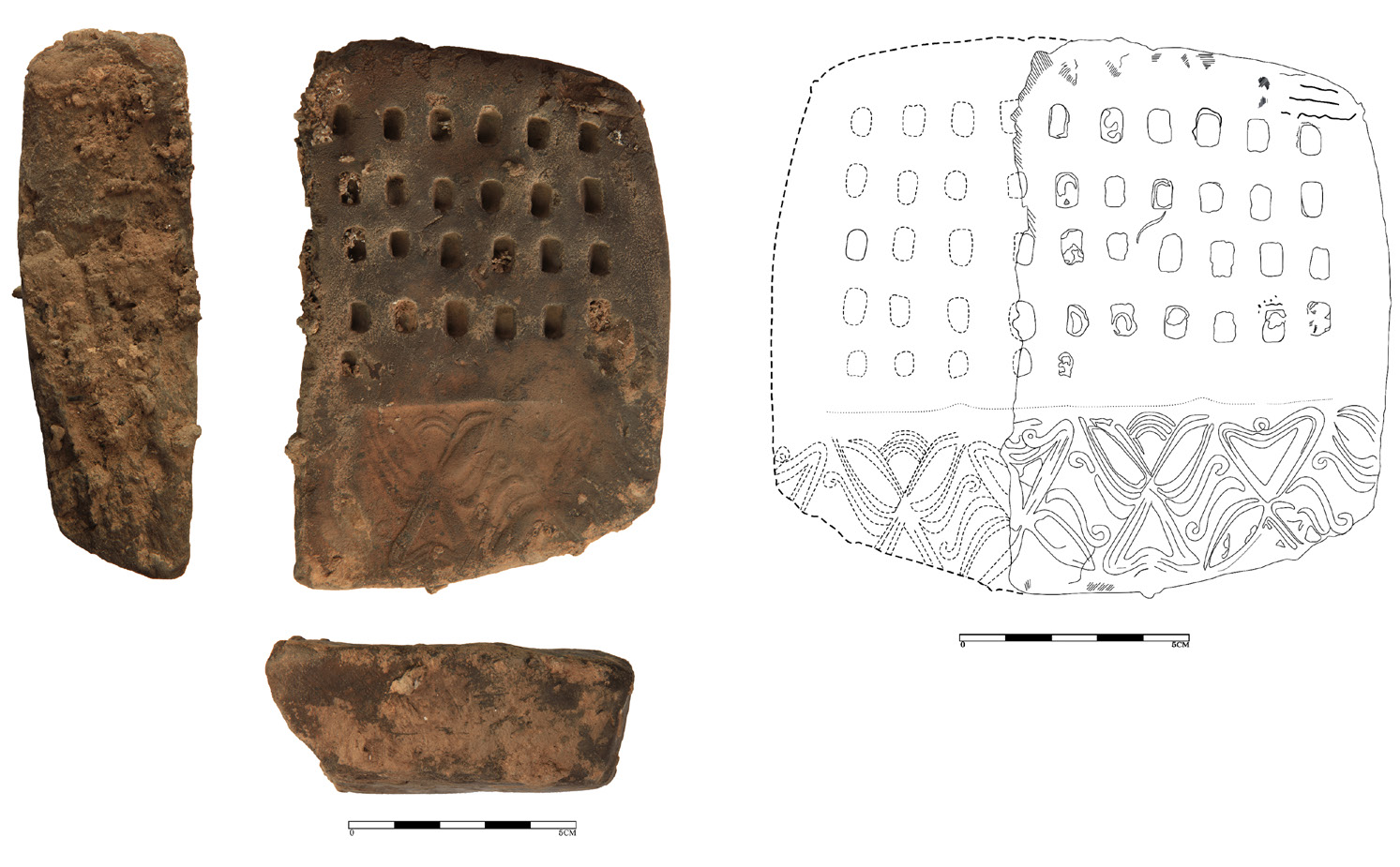
- The earliest known artificial eye, and a bowl with a five-frame animation.
- How it ended
- Abandoned, likely as rivers shifted and the climate dried.

Lyra Kael can take you here on the globe, tell you the story out loud and answer your questions. Start the time jump.
Background
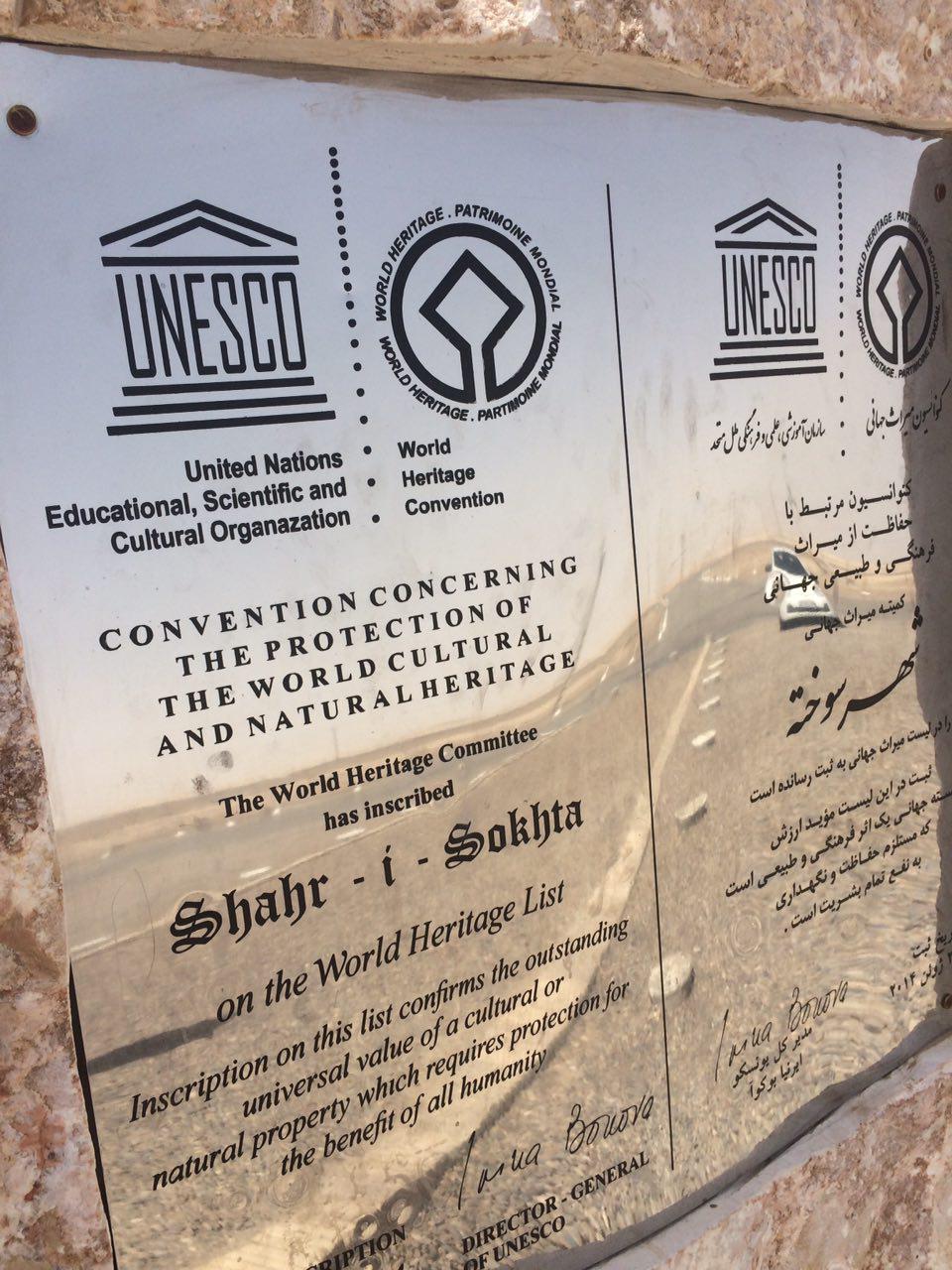
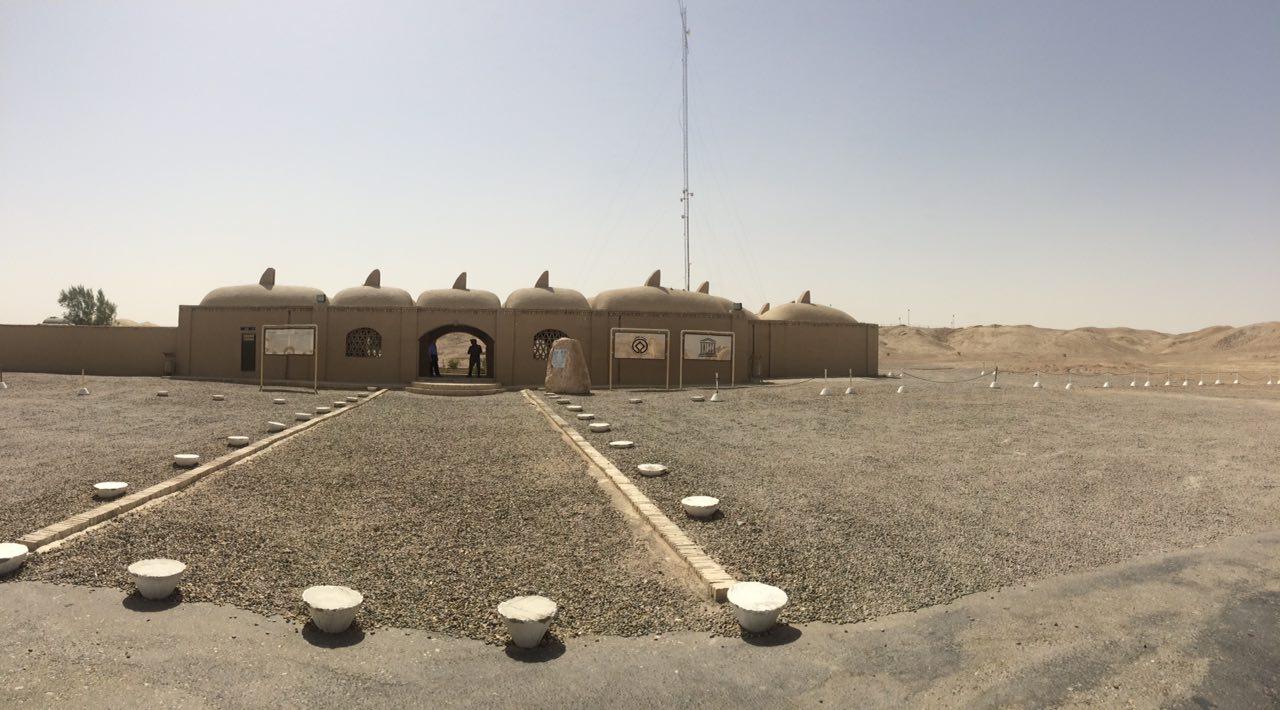
Shahr-e Sukhteh (Persian: شهر سوخته, lit. 'Burnt City'), c. 3550–2300 BC, also spelled Shahr-e Sūkhté and Shahr-i Sōkhta, is an archaeological site of a sizable Bronze Age urban settlement, associated with the Helmand culture. It is located in Sistan and Baluchistan Province, the southeastern part of Iran, on the bank of the Helmand River, near the Zahedan-Zabol road. It was placed on the UNESCO World Heritage List in June 2014.
The reasons for the unexpected rise and fall of the city are still wrapped in mystery. Artifacts recovered from the city demonstrate a peculiar incongruity with nearby civilizations of the time and it has been speculated that Shahr-e Sukhteh might ultimately provide concrete evidence of a civilization east of prehistoric Iran that was independent of ancient Mesopotamia.
Text from Wikipedia, licensed CC BY-SA 4.0.