No. 162
Zenobia

- Where
- Palmyra
- Culture
- Palmyra
- Lived
- 240-after 274 CE
- Why they matter
- A queen who broke a third of the Roman East away from Rome.
- Fate
- Paraded in Rome as a captive; her fate after that is uncertain.

Lyra Kael can take you here on the globe, tell you the story out loud and answer your questions. Start the time jump.
Background
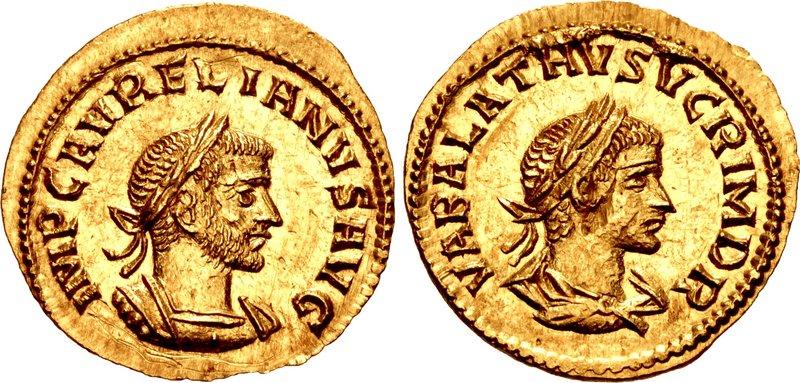
Septimia Zenobia (Palmyrene Aramaic: 𐡡𐡶𐡦𐡡𐡩, romanized: Bat-Zabbai; c. 240 – c. 274) was a third-century queen of the Palmyrene Empire in Syria. Many legends surround her ancestry; she was probably not a commoner. She married Odaenathus, who became king of the city of Palmyra in 260, elevating it to supreme power in the Near East by defeating the Sasanian Empire of Persia and stabilizing the Roman East. After Odaenathus' assassination in 267, Zenobia became the regent of her son Vaballathus and held de facto power throughout his reign (267 to 272).
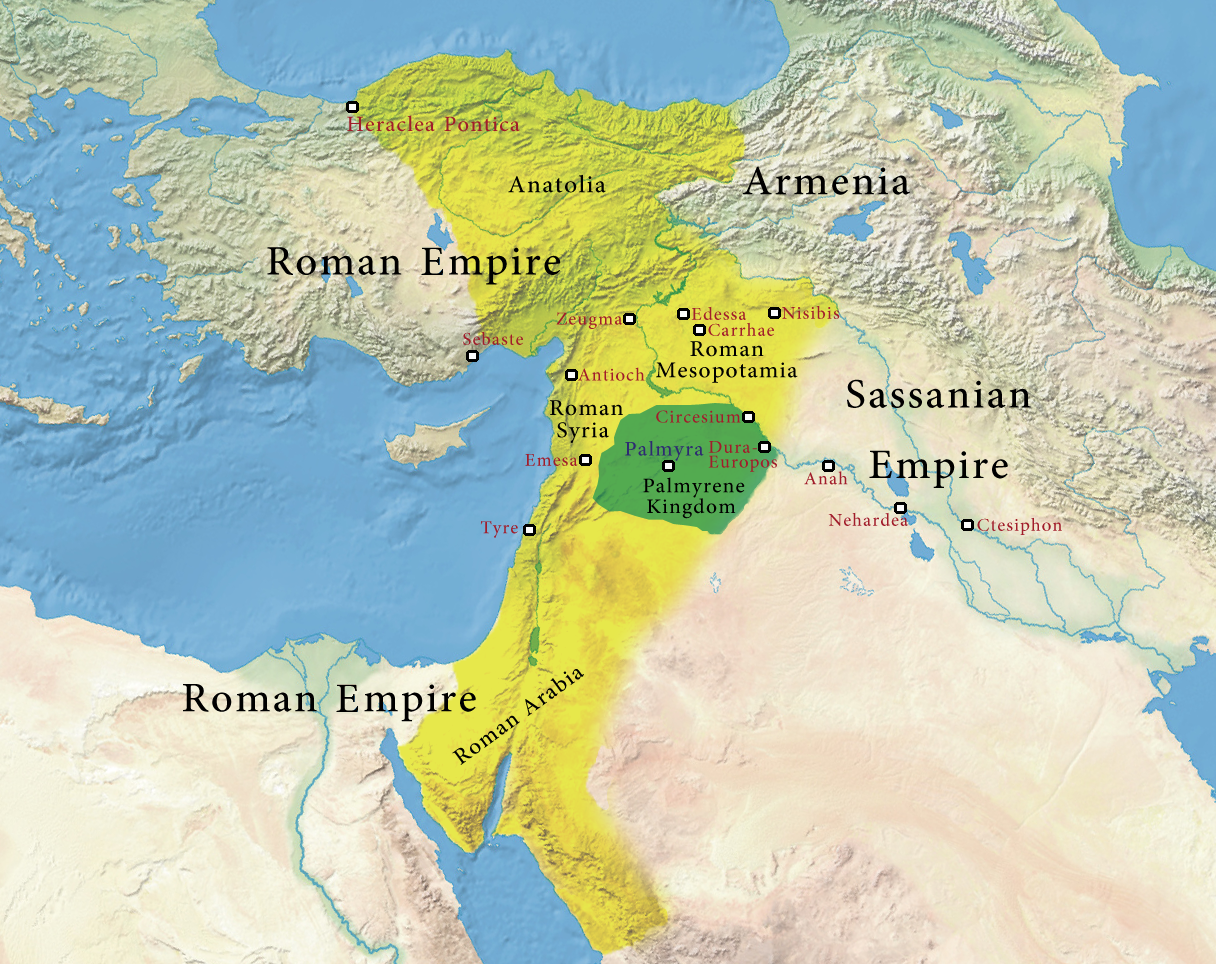
In 270, Zenobia launched an invasion that brought most of the Roman East under her sway and culminated with the annexation of Egypt. By mid-271 her realm extended from Ancyra, central Anatolia, to Upper Egypt, although she remained nominally subordinate to Rome. However, in reaction to the campaign of the Roman emperor Aurelian in 272, Zenobia declared her son emperor and assumed the title of empress, thus declaring Palmyra's independence from Rome. The Romans were victorious after heavy fighting; the empress was besieged in her capital and captured in late 272 by Aurelian, who exiled her to Rome, where she spent the remainder of her life.
Zenobia was a cultured monarch and fostered an intellectual environment in her court, which was open to scholars and philosophers. She was tolerant toward her subjects and protected religious minorities. The empress maintained a stable administration, which governed a multicultural, multiethnic empire. Zenobia died after 274, and many tales have been recorded about her fate. Her rise and fall have inspired historians, artists and novelists, and she is a patriotic symbol in Syria.
Text from Wikipedia, licensed CC BY-SA 4.0.