No. 165
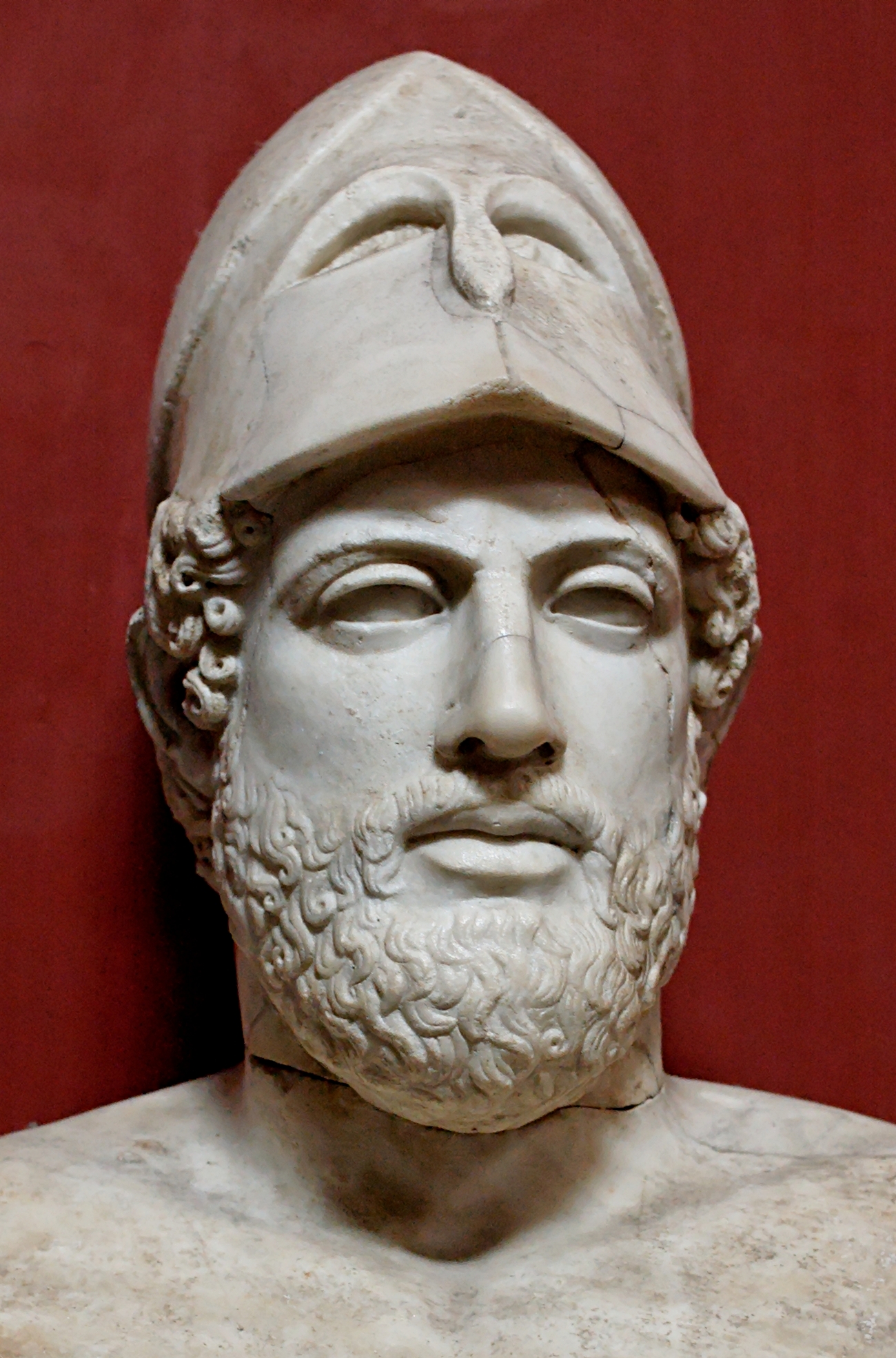
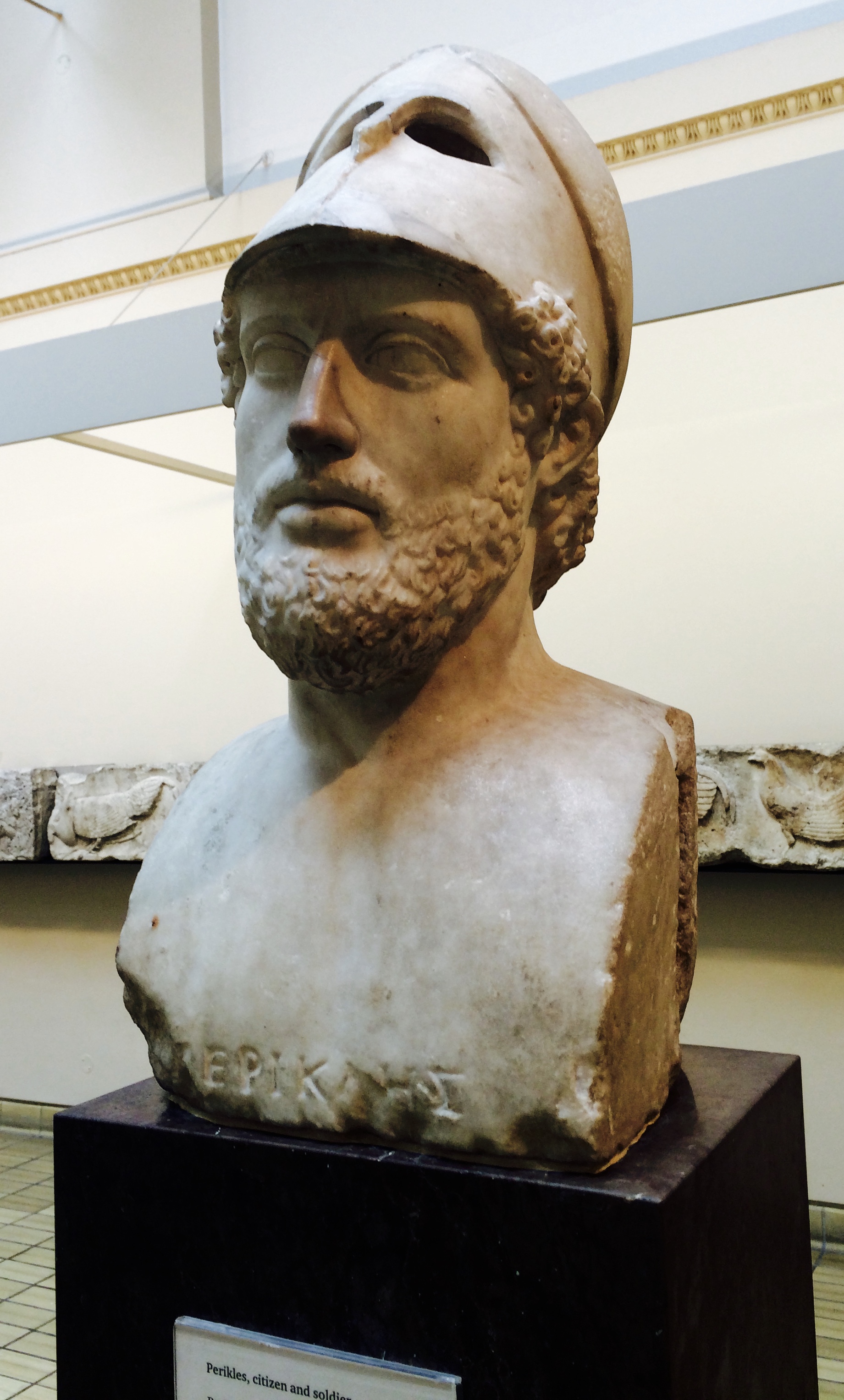
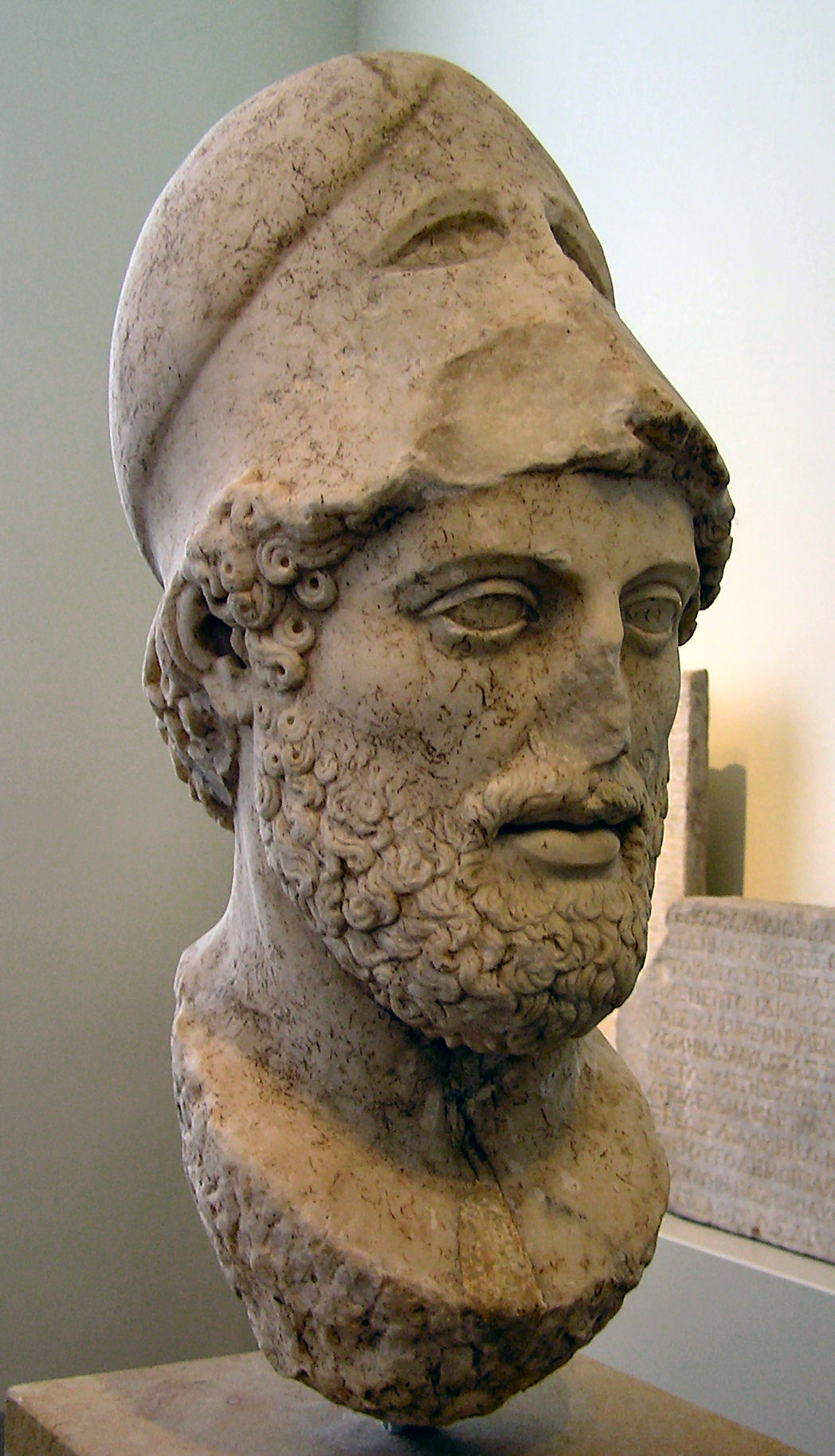
Pericles

- Where
- Athens
- Culture
- Athens
- Lived
- 495-429 BCE
- Why they matter
- Led Athens at its height and built the Parthenon.
- Fate
- Died in the plague of Athens.

Lyra Kael can take you here on the globe, tell you the story out loud and answer your questions. Start the time jump.
Background
Pericles ( ; Ancient Greek: Περικλῆς; c. 495–429 BC) was a Greek statesman
and general during the Golden Age of Athens. He was prominent and influential in Ancient Athenian politics, particularly between the Greco-Persian Wars and the Peloponnesian War, and was acclaimed by Thucydides, a contemporary historian, as "the first citizen of Athens". Pericles turned the Delian League into an Athenian empire and led his countrymen during the first two years of the Peloponnesian War. The period during which he led Athens as its preeminent orator and statesman, roughly from 461 to 429 BC, is sometimes known as the "Age of Pericles", but the period thus denoted can include times as early as the Persian Wars or as late as the following century.
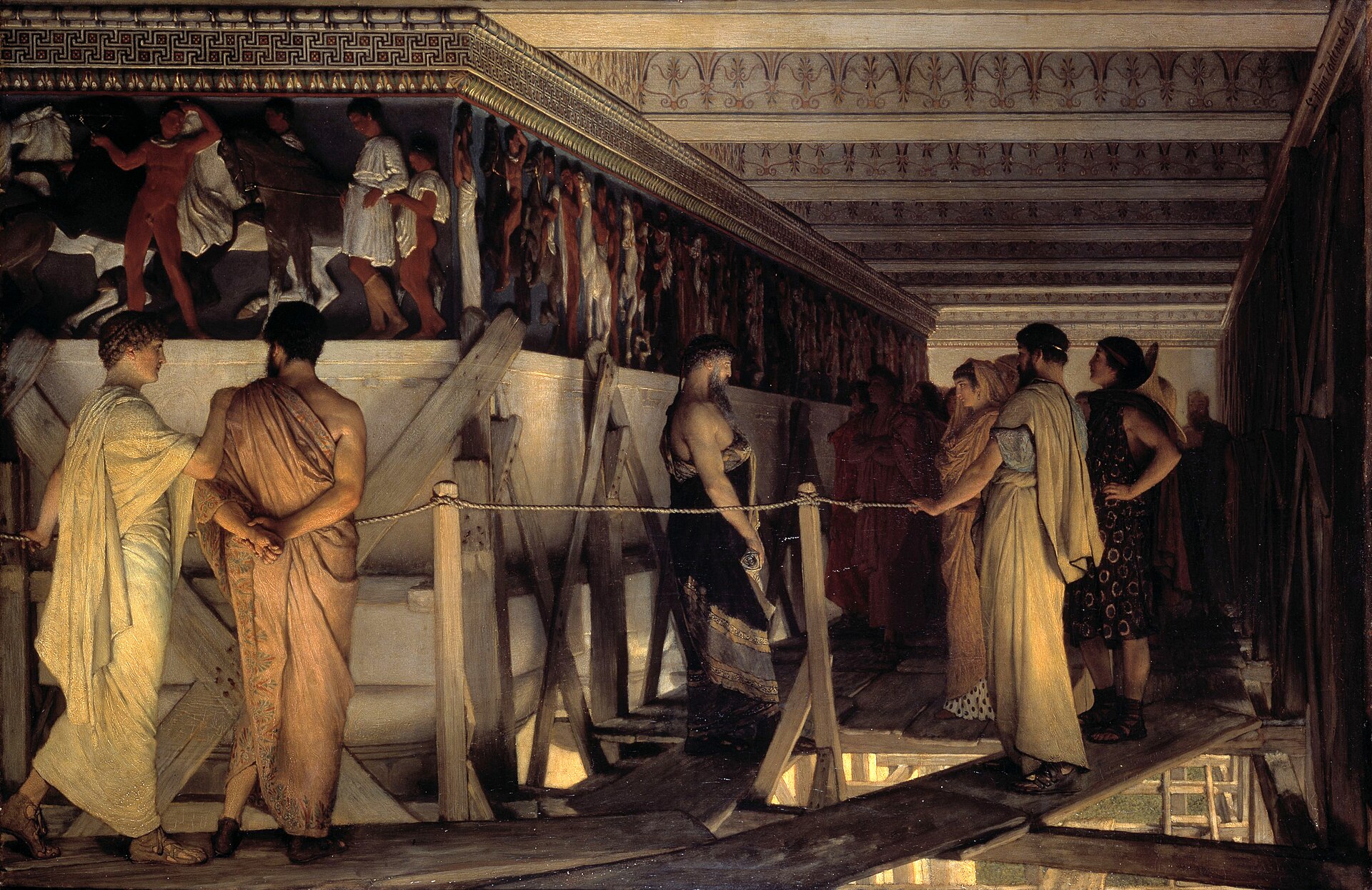
Pericles promoted the arts and literature, and it was principally through his efforts that Athens acquired the reputation of being the educational and cultural centre of the ancient Greek world. He started an ambitious project that generated most of the surviving structures on the Acropolis, including the Parthenon. This project beautified and protected the city, exhibited its glory, and gave work to its people. Pericles also fostered Athenian democracy to such an extent that critics called him a populist. Pericles was descended, through his mother, from the powerful and historically influential Alcmaeonid family. He, along with several members of his family, succumbed to the Plague of Athens in 429 BC, which weakened the city-state during a protracted conflict with Sparta.
Text from Wikipedia, licensed CC BY-SA 4.0.