No. 42
Acropolis of Athens

- Where
- Greece
- Built by
- Classical Athenians
- Era
- 447-432 BCE
- Known for
- The Parthenon.
- How it ended
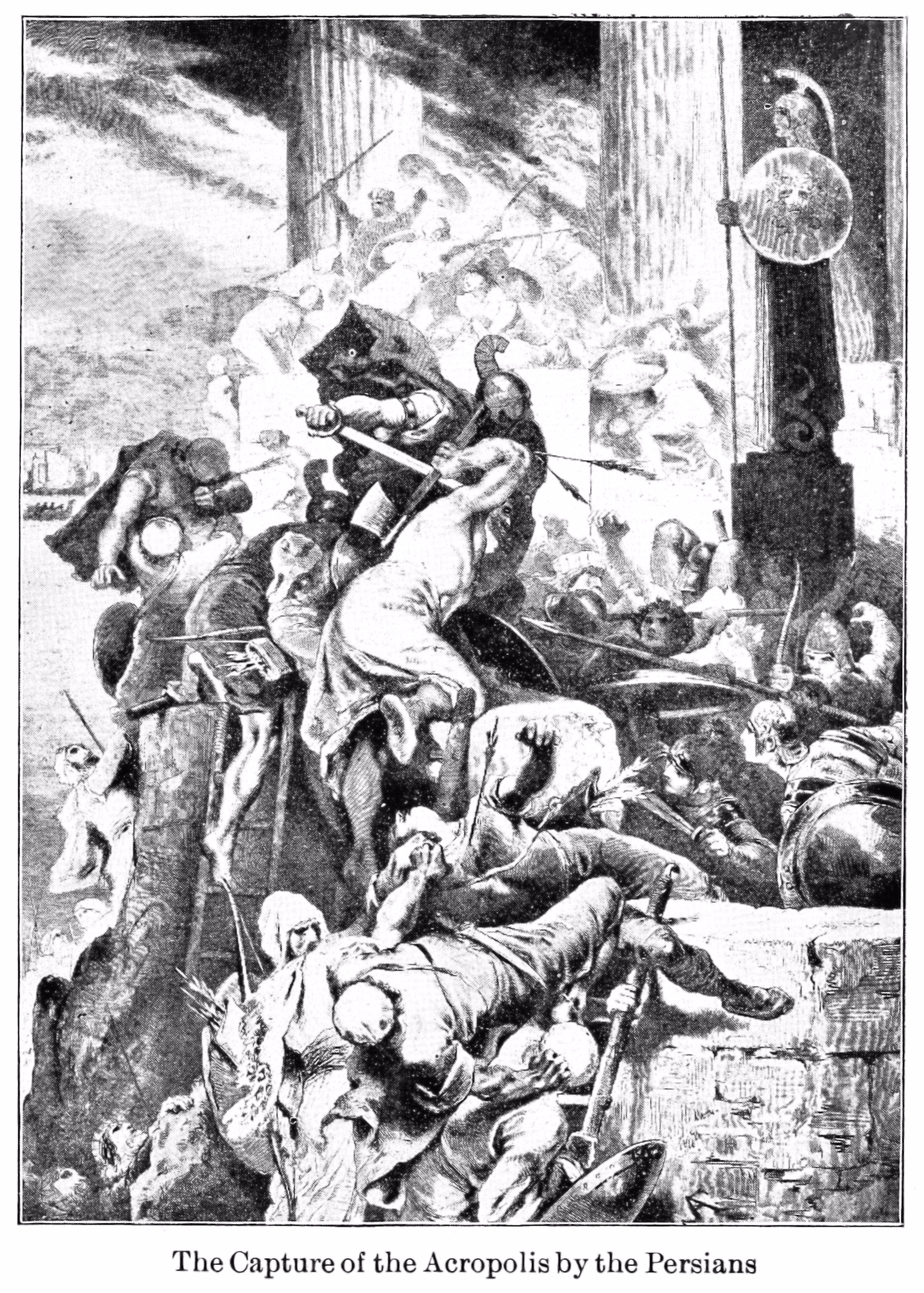
- Used as church, mosque and gunpowder store, it was blown up by a Venetian shell in 1687.

Lyra Kael can take you here on the globe, tell you the story out loud and answer your questions. Start the time jump.
Background
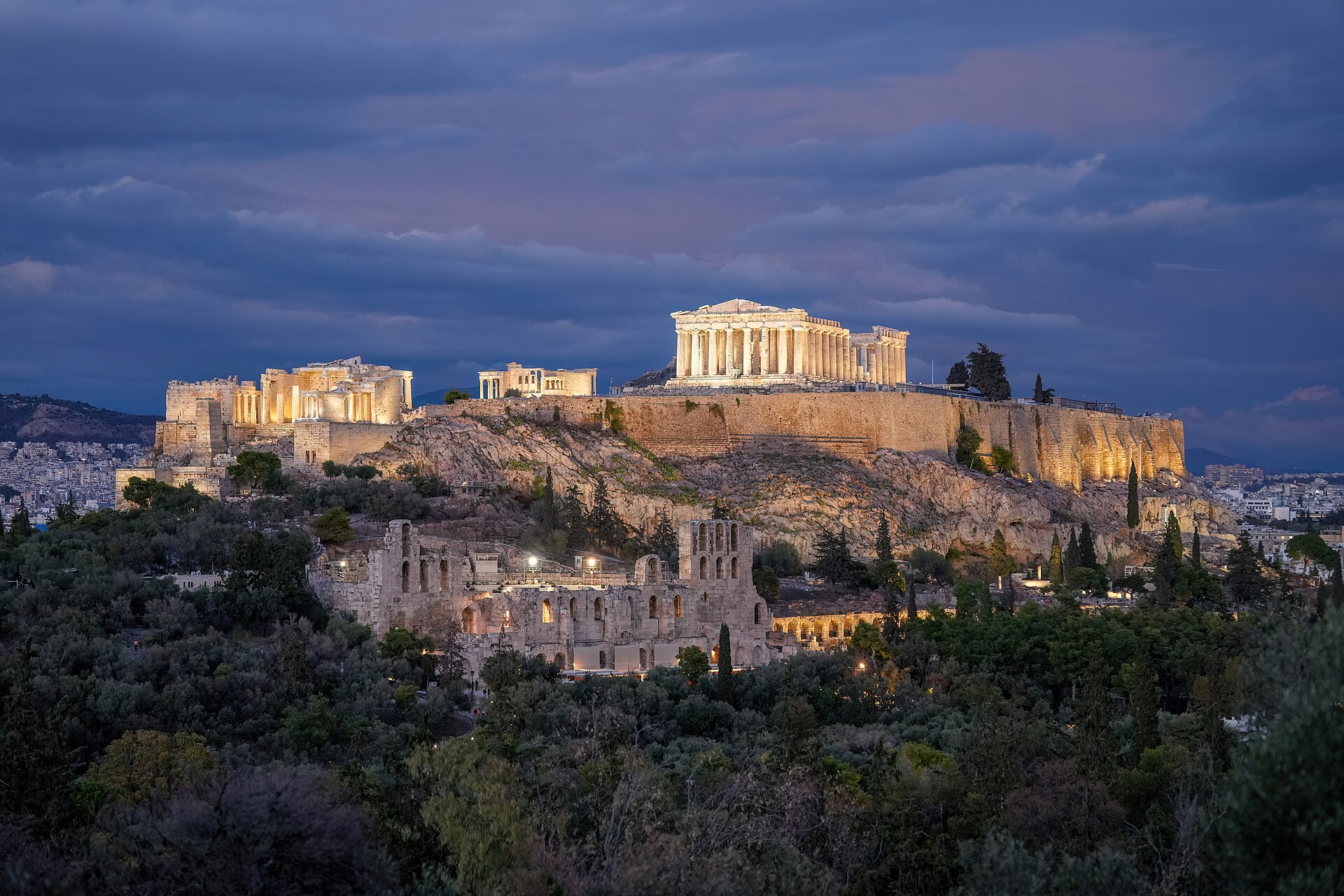
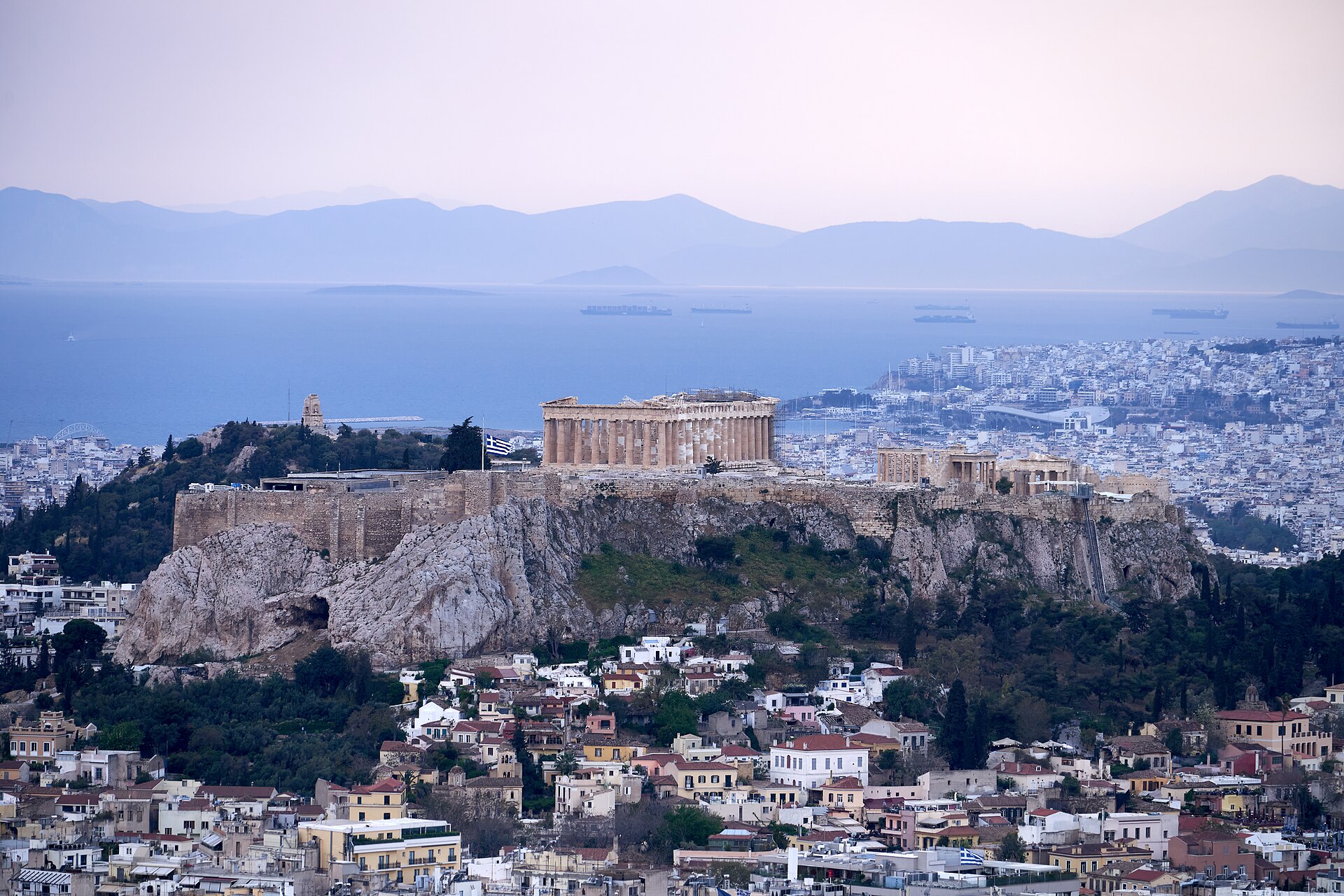
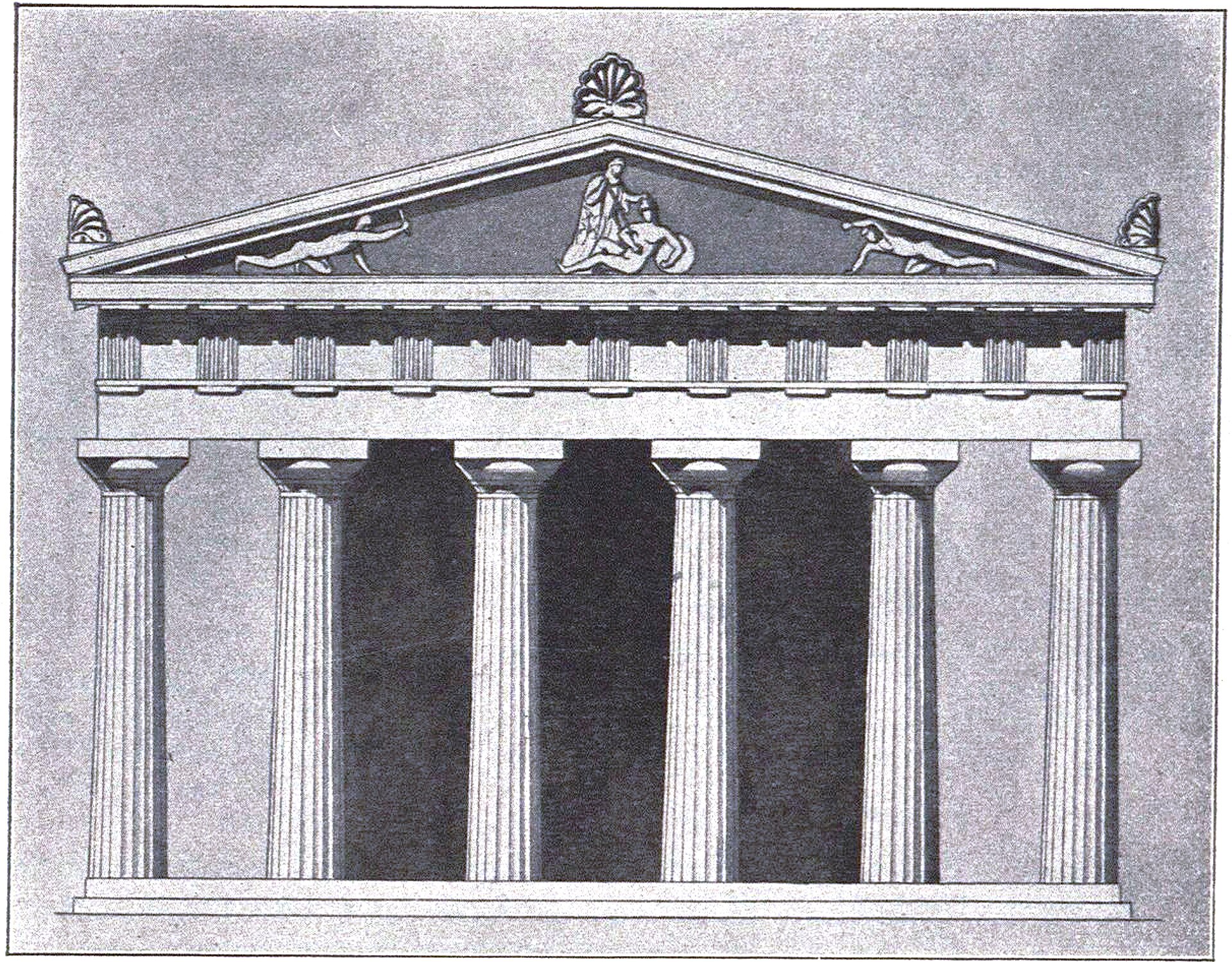
The Acropolis of Athens (Ancient Greek: Ἡ Ἀκρόπολις τῶν Ἀθηνῶν, romanized: Hē Akropolis tōn Athēnōn; Modern Greek: Η Ακρόπολη των Αθηνών, romanized: I Akrópoli ton Athinón) is an ancient citadel located on a rocky outcrop above the city of Athens, Greece, and contains the remains of several ancient buildings of great architectural and historical significance, the most famous being the Parthenon. The word Acropolis is from Greek ἄκρον (akron) 'highest point, extremity' and πόλις (polis) 'city'. The term acropolis is generic and there are many other acropoleis in Greece. During ancient times the Acropolis of Athens was also more properly known as Cecropia (Κεκροπία), after the legendary serpent-man Cecrops, the supposed first Athenian king.
While there is evidence that the hill was inhabited as early as the 4th millennium BC, it was Pericles (c. 495–429 BC) in the fifth century BC who coordinated the construction of the buildings whose present remains are the site's most important ones, including the Parthenon, the Propylaea, the Erechtheion and the Temple of Athena Nike. The Parthenon and the other buildings were seriously damaged during the 1687 siege by the Venetians during the Morean War when gunpowder being stored by the Turkish rulers in the Parthenon was hit by a Venetian bombardment and exploded.
Text from Wikipedia, licensed CC BY-SA 4.0.