No. 11
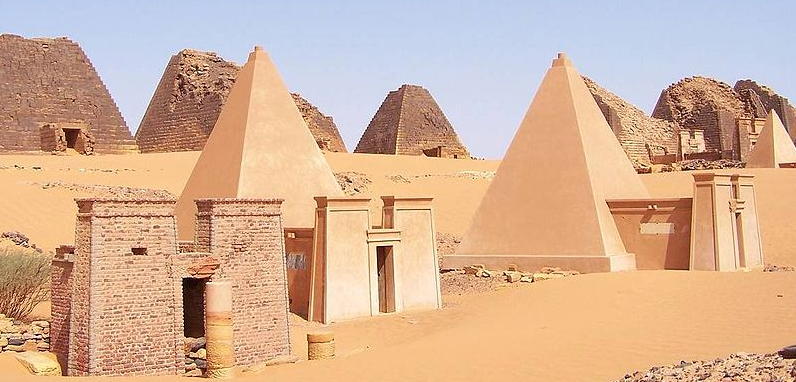
Meroe pyramids

- Where
- Sudan
- Built by
- Kingdom of Kush
- Era
- 300 BCE-350 CE
- Known for
- More than 200 steep pyramids and an iron-smelting industry.
- How it ended
- Trade routes shifted and Aksum overran it around 350 CE.

Lyra Kael can take you here on the globe, tell you the story out loud and answer your questions. Start the time jump.
Background
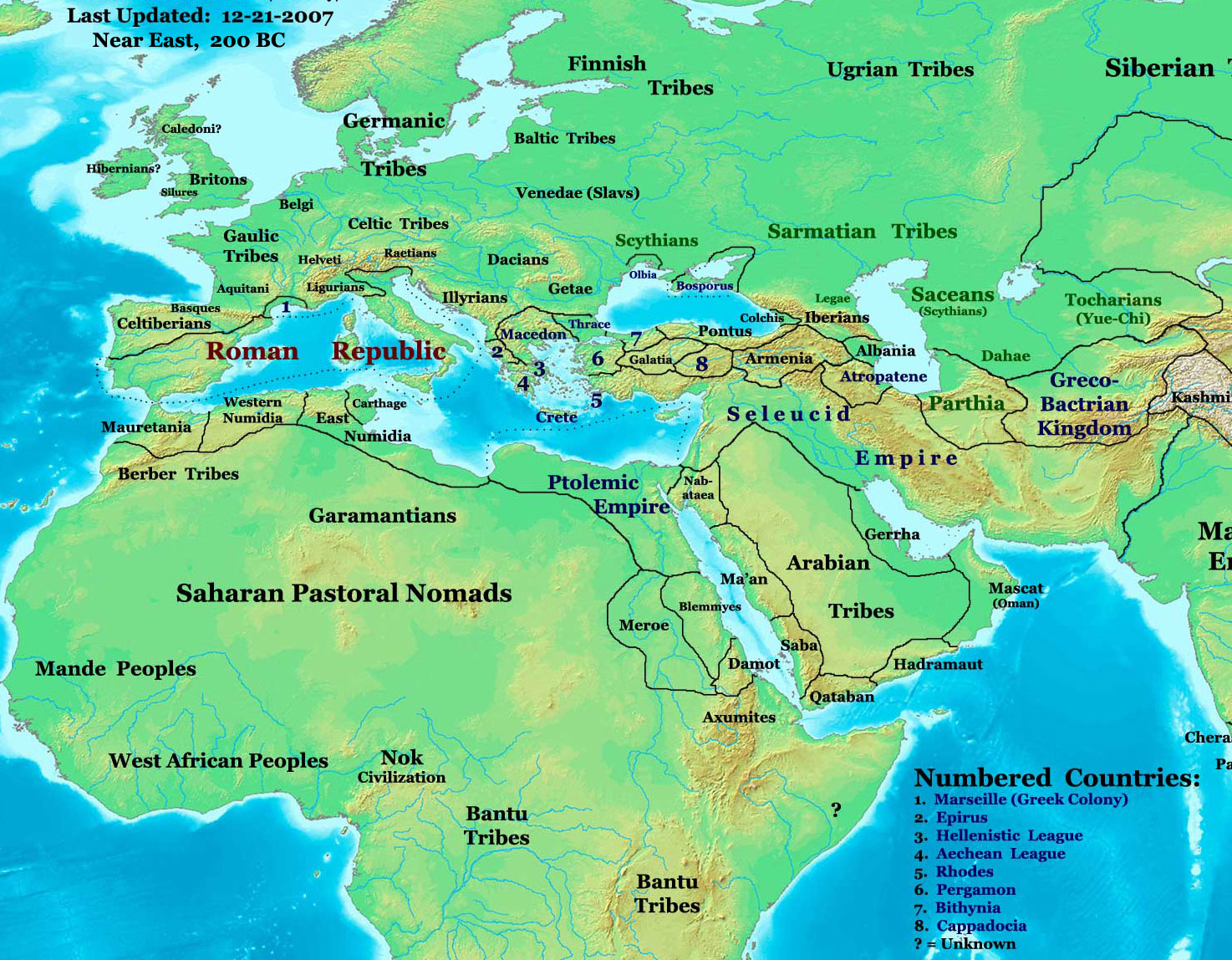
Meroë was an ancient city on the east bank of the Nile about 6 km (3.7 mi) north-east of the Kabushiya station, which is 35 km (22 mi) north-east of Shendi, Sudan, about 200 km north-east of Khartoum. Near the site is a group of villages called Bagrawiyah (Arabic: البجراوية). This city was the capital of the Kingdom of Kush for several centuries from around 590 BC, until its collapse in the 4th century AD. The Kushitic Kingdom of Meroë gave its name to the "Island of Meroë", which was the modern region of Butana, a region bounded by the Nile (from the Atbarah River to Khartoum), the Atbarah and the Blue Nile.
The city of Meroë was on the edge of Butana. There were two other Meroitic cities in Butana: Musawwarat es-Sufra and Naqa. The first of these sites was given the name Meroë by the Persian king Cambyses, in honor of his sister who was called by that name. The city had originally borne the ancient appellation Saba, named after the country's original founder. The eponym Saba, or Seba, is named for one of the sons of Cush (see Genesis 10:7). The presence of numerous Meroitic sites within the western Butana region and on the border of Butana proper is significant to the settlement of the core of the developed region. The orientation of these settlements exhibit the exercise of state power over subsistence production.
The Kingdom of Kush which housed the city of Meroë represents one of a series of early states located within the middle Nile. It was one of the earliest and most advanced states found on the African continent. Looking at the specificity of the surrounding early states within the middle Nile, one's understanding of Meroë in combination with the historical developments of other historic states may be enhanced through looking at the development of power relation characteristics within other Nile Valley states.
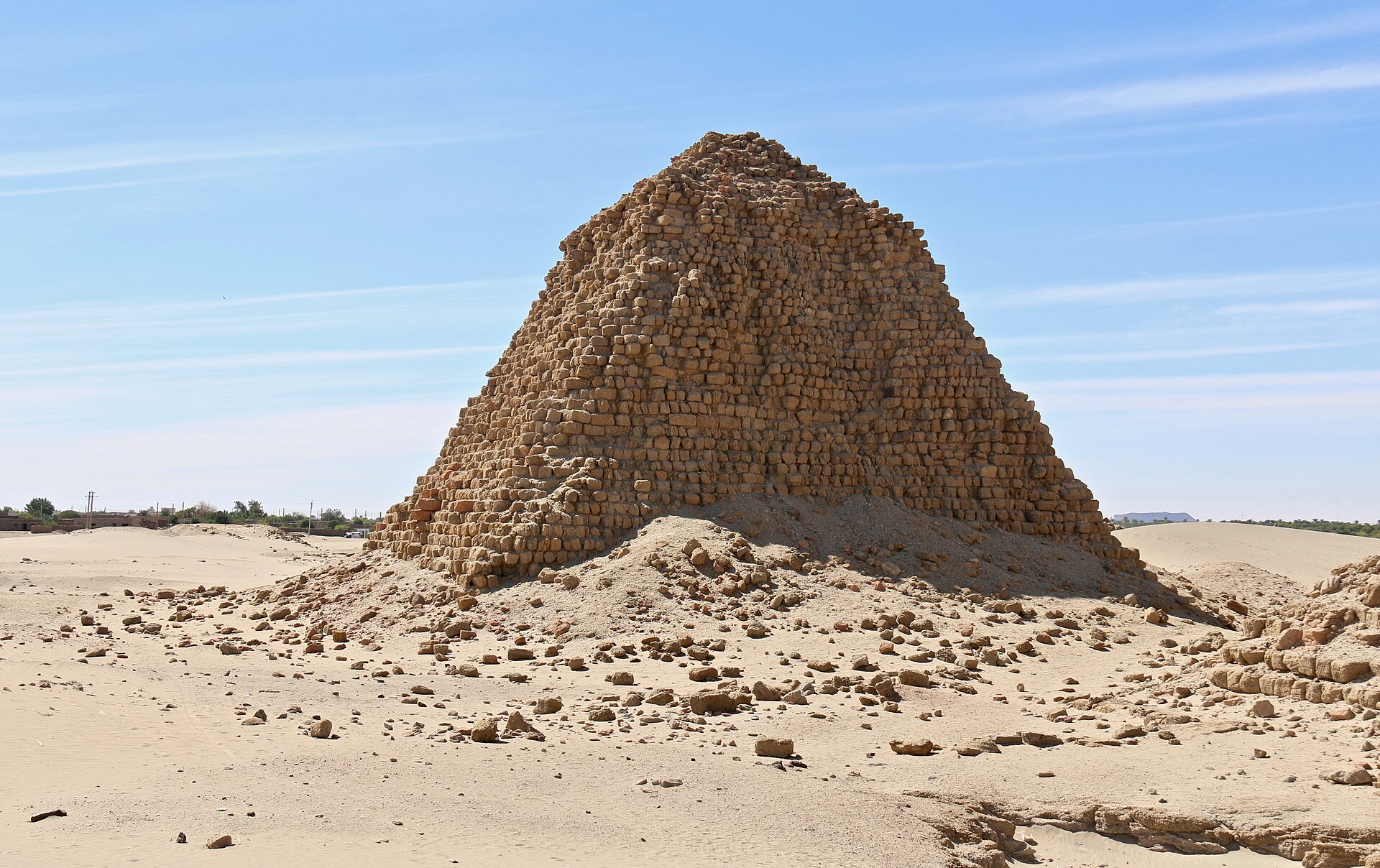
The site of the city of Meroë is marked by more than two hundred pyramids in three groups, of which many are in ruins. They have the distinctive size and proportions of Nubian pyramids.
Text from Wikipedia, licensed CC BY-SA 4.0.