No. 198
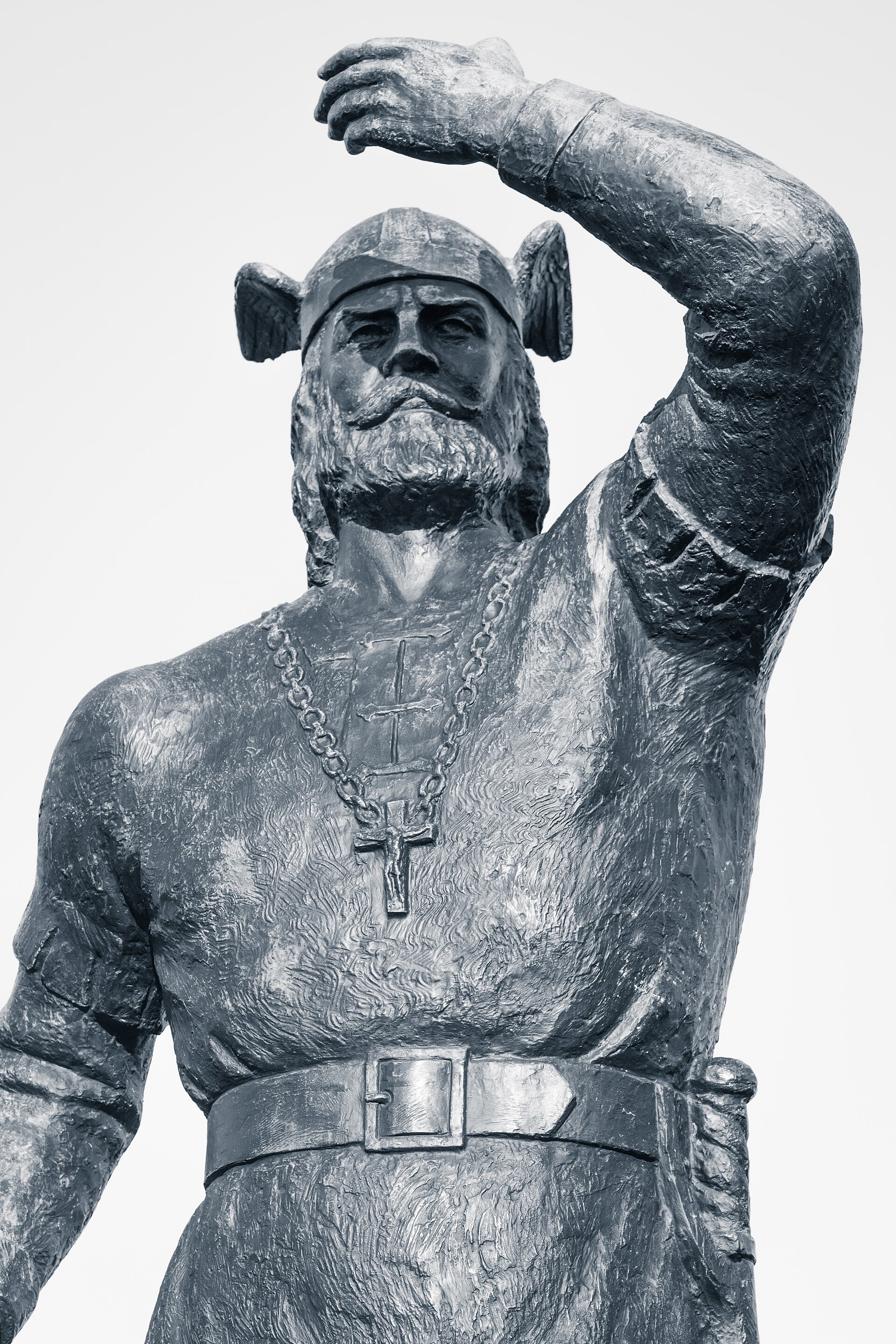
Leif Erikson

- Where
- Norse
- Culture
- Norse
- Lived
- about 970-1020
- Why they matter
- Led the first known European landing in North America.
- Fate
- Returned to Greenland.

Lyra Kael can take you here on the globe, tell you the story out loud and answer your questions. Start the time jump.
Background
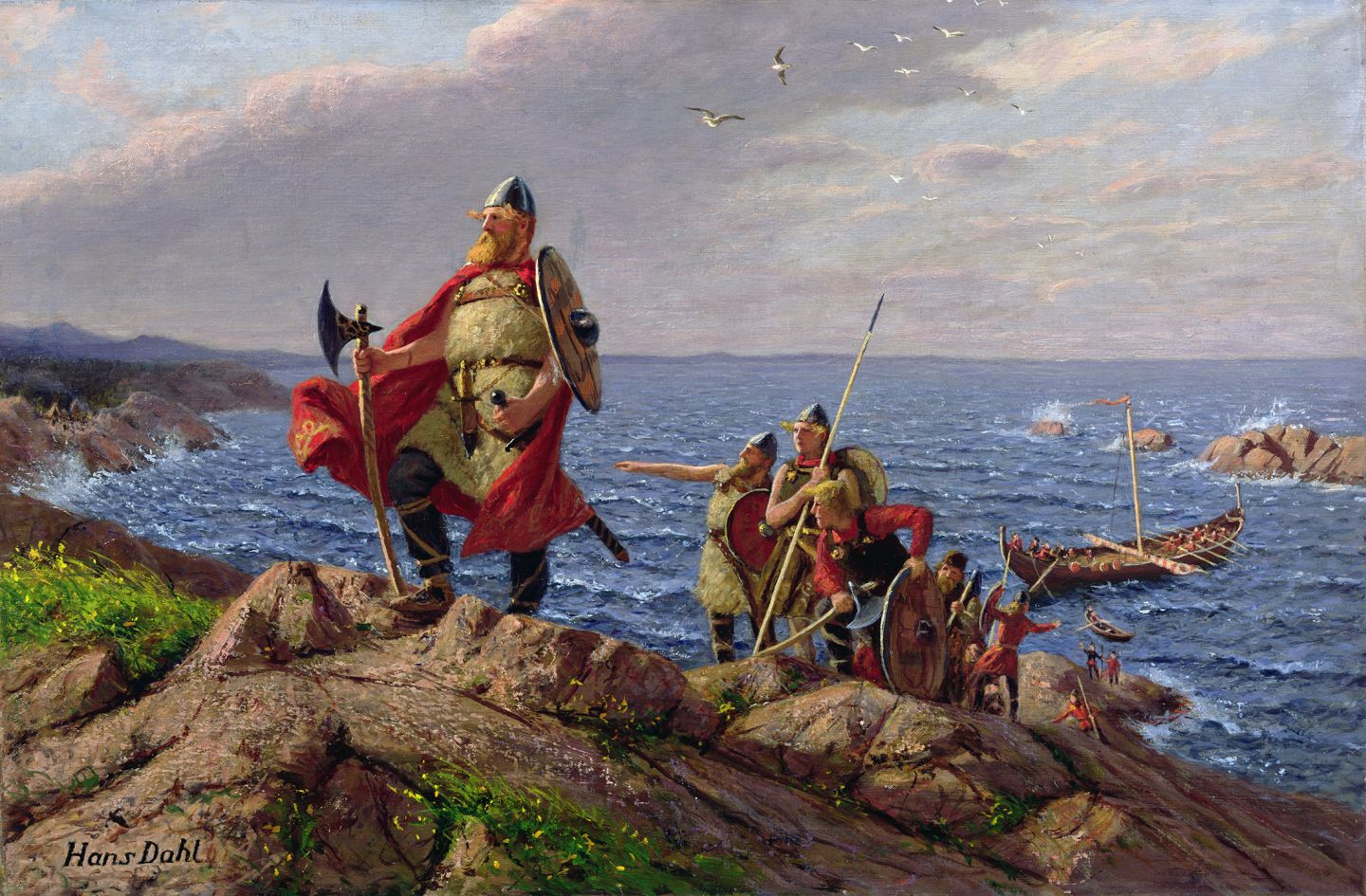
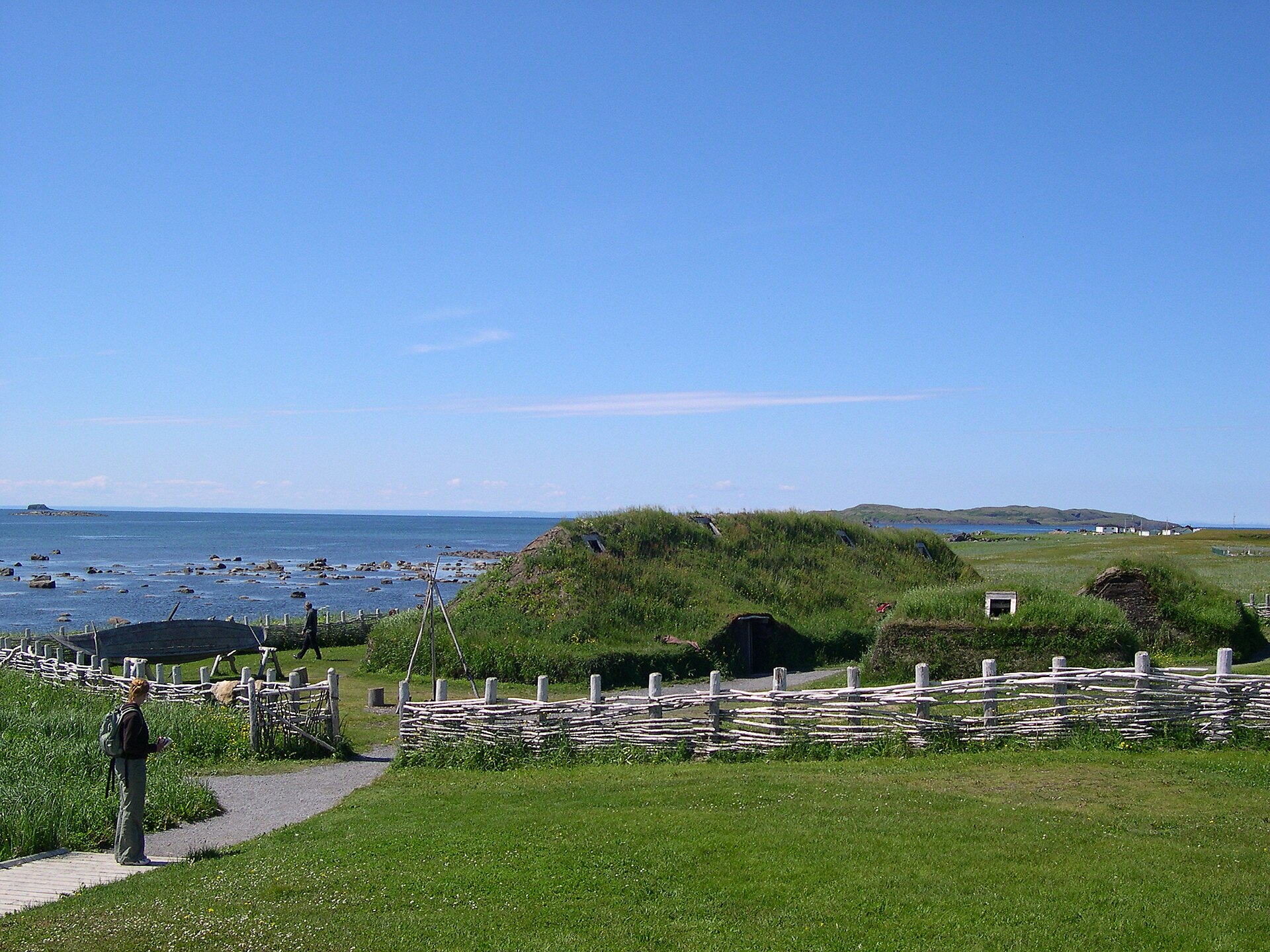
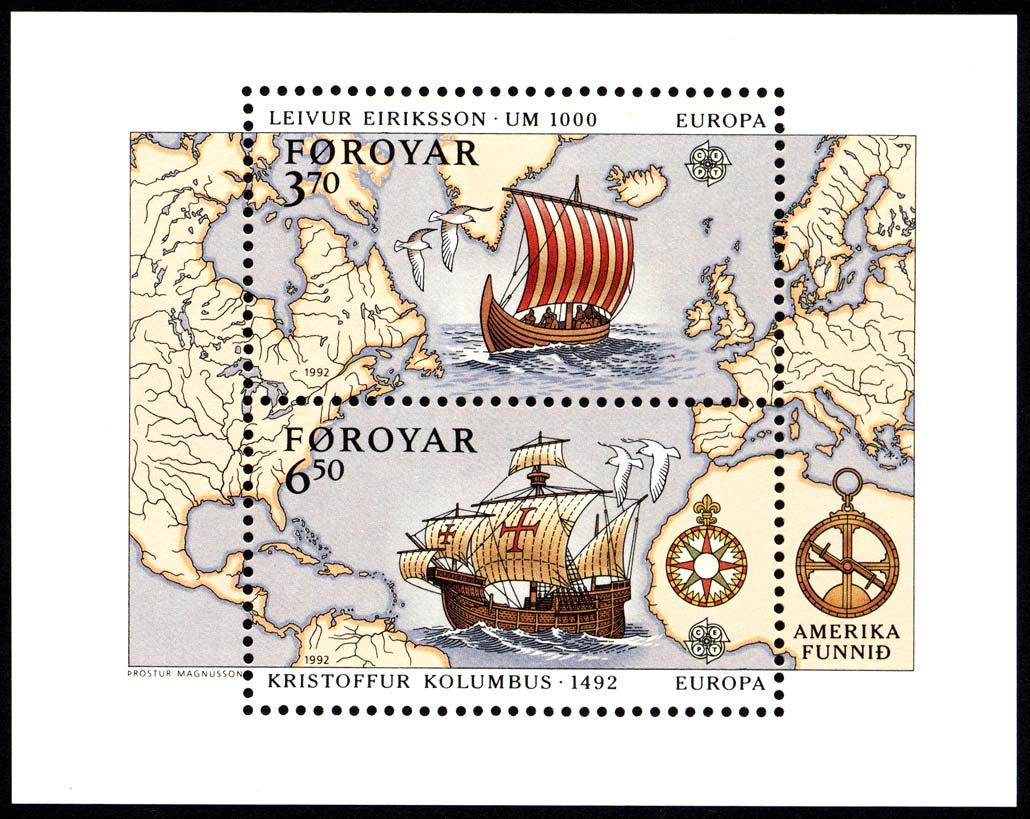
Leif Erikson, also known as Leif the Lucky (c. 970s – c. 1018 to 1025), was a Norse explorer who is thought to have been the first European to set foot on continental America, approximately half a millennium before Christopher Columbus. According to the sagas of Icelanders, he established a Norse settlement at Vinland, which is usually interpreted as being coastal North America. There is ongoing speculation that the settlement made by Leif and his crew corresponds to the remains of a Norse settlement found in Newfoundland, Canada, called L'Anse aux Meadows, which was occupied approximately 1,000 years ago.
Leif's place of birth is unknown, although it is assumed to have been in Iceland. His father, Erik the Red, founded the first Norse settlement in Greenland, where Leif was later raised. Following his voyage to Vinland and the subsequent death of his father, Leif became chief of the Greenland settlement. He had two known sons: Thorgils, born in the Hebrides; and Thorkell, who succeeded him as Greenland's chieftain.
Text from Wikipedia, licensed CC BY-SA 4.0.