No. 116
L'Anse aux Meadows

- Where
- Newfoundland, Canada
- Built by
- Norse Vikings
- Era
- about 1021 CE
- Known for
- The first Europeans in the Americas, about 500 years before Columbus.
- How it ended
- Abandoned after a few years; too far from home to hold.

Lyra Kael can take you here on the globe, tell you the story out loud and answer your questions. Start the time jump.
Background
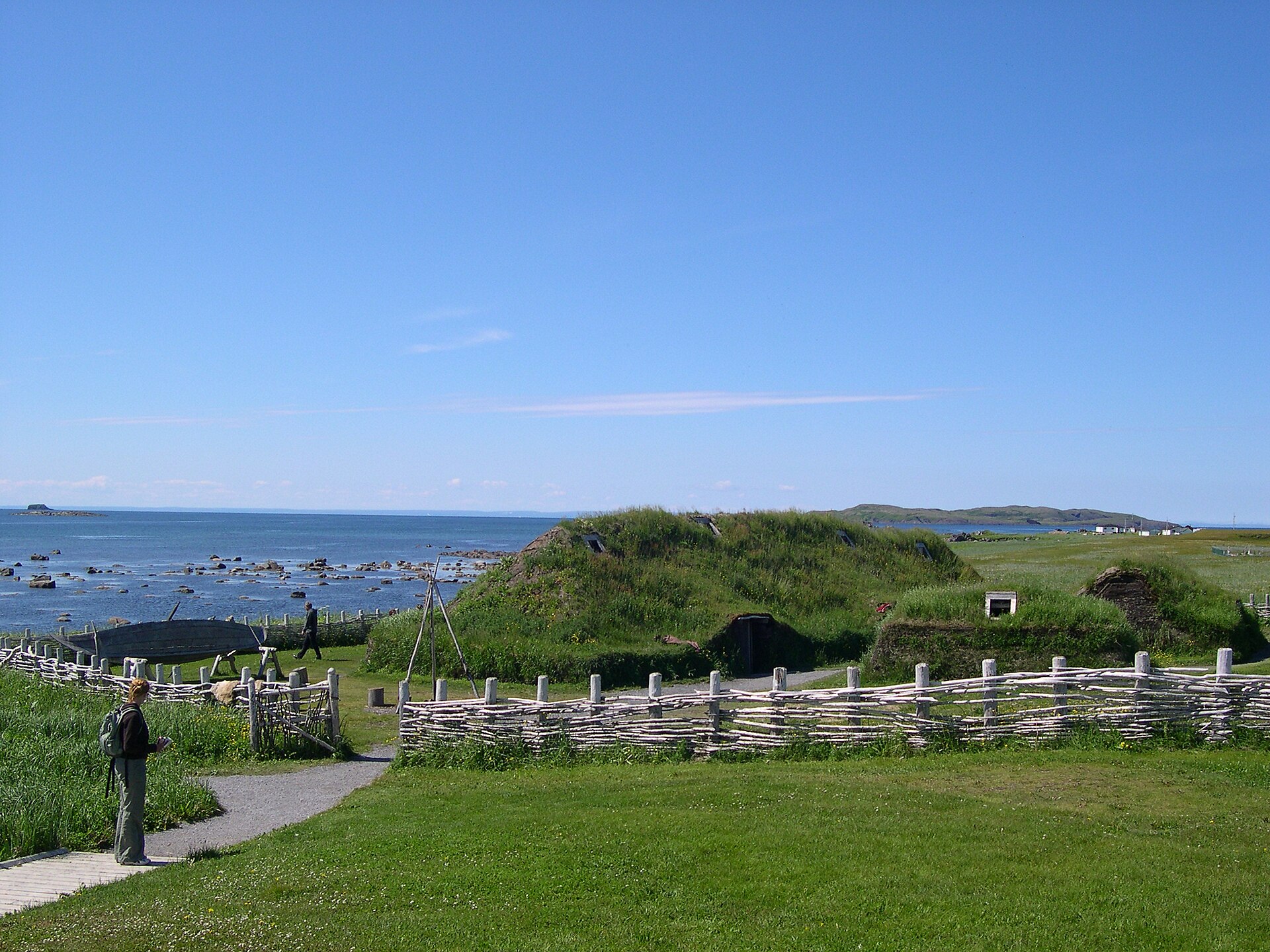
L'Anse aux Meadows is an archaeological site, first excavated in the 1960s, of a Norse settlement dating to approximately 1,000 years ago. The site is located near St. Anthony on the northernmost tip of the island of Newfoundland in the Canadian province of Newfoundland and Labrador.
With carbon dating estimates between 990 and 1050 CE (mean date 1014) and tree-ring dating of 1021, L'Anse aux Meadows is the only undisputed site of pre-Columbian trans-oceanic contact of Europeans with the Americas outside of Greenland. It is notable as evidence of the Norse presence in North America and for its possible connection with the accounts of Leif Erikson in the Saga of the Greenlanders and the Saga of Erik the Red, which were written down in the 13th century. Archaeological evidence suggests the settlement served as a base camp for Norse exploration of North America, including regions to the south.
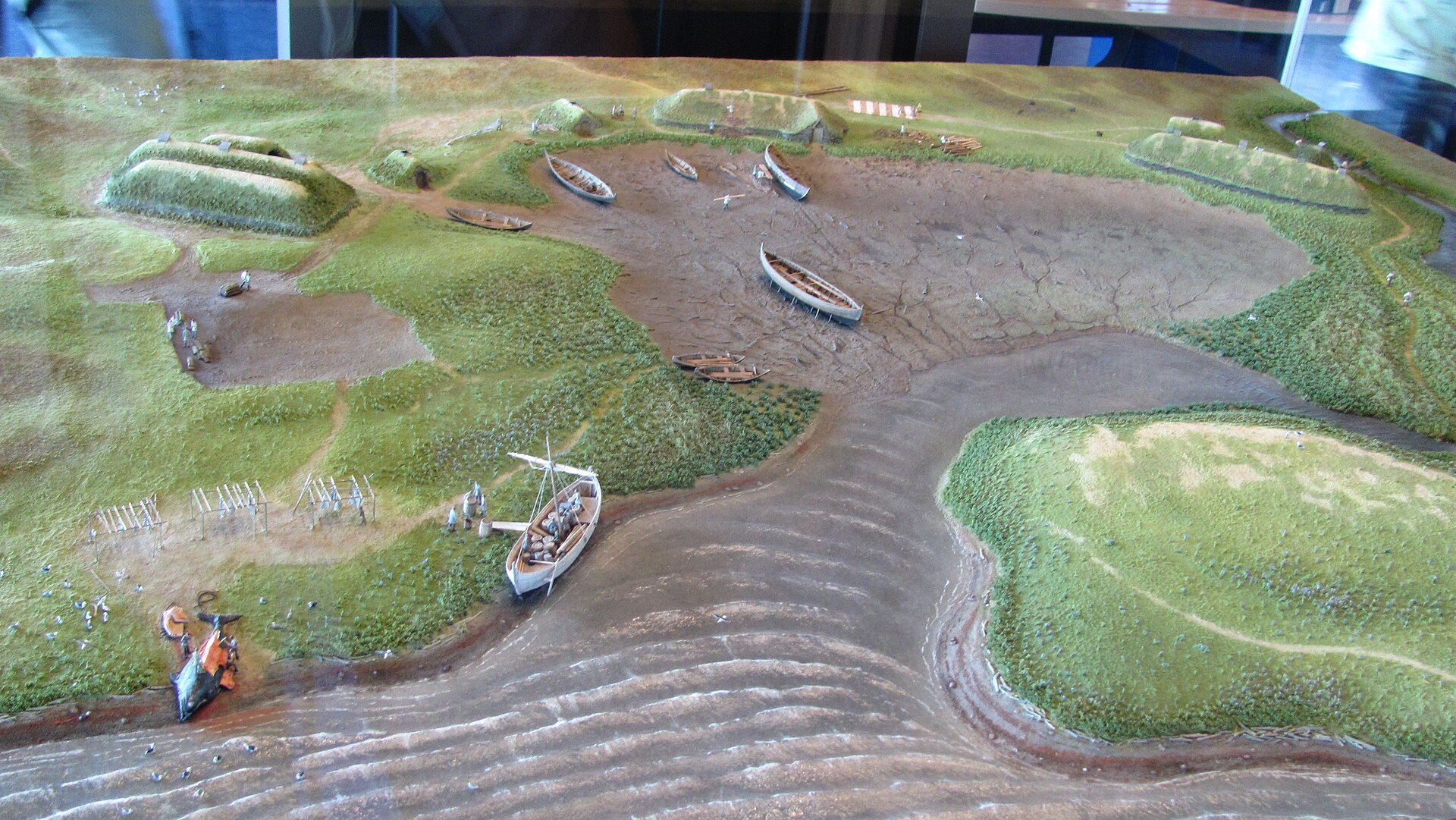
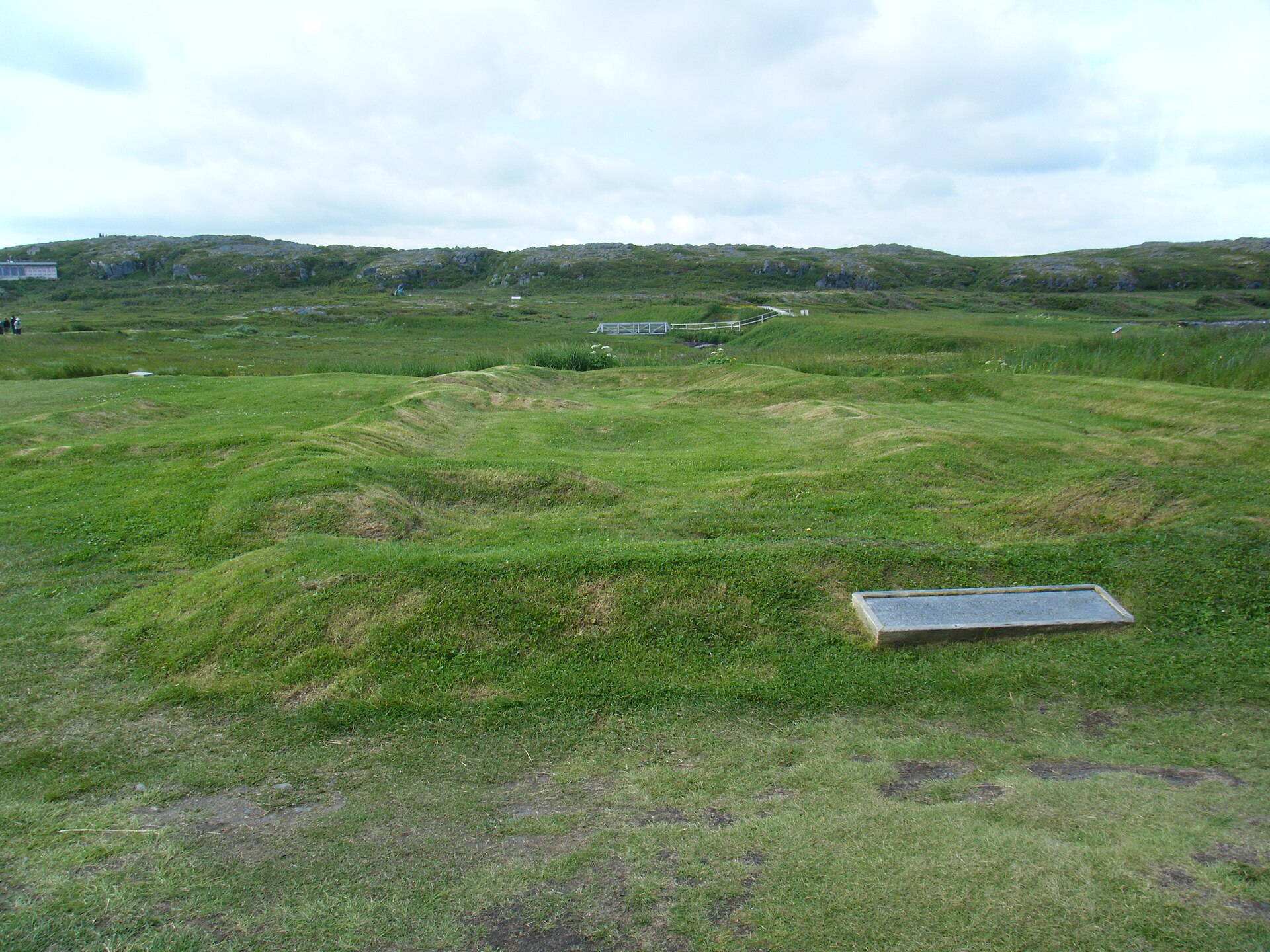
Spanning 8,000 hectares (31 sq mi) of land and sea, the site contains the remains of eight buildings constructed of sod over a wood frame, with over 800 Norse objects unearthed, including bronze, bone, and stone artifacts, and evidence of iron production. The site was designated a National Historic Site of Canada in 1968 and a World Heritage Site by UNESCO in 1978, and is managed by Parks Canada.
Text from Wikipedia, licensed CC BY-SA 4.0.