No. 142
Khufu

- Where
- Egypt
- Culture
- Egypt
- Lived
- reigned 2589-2566 BCE
- Why they matter
- Built the Great Pyramid.
- Fate
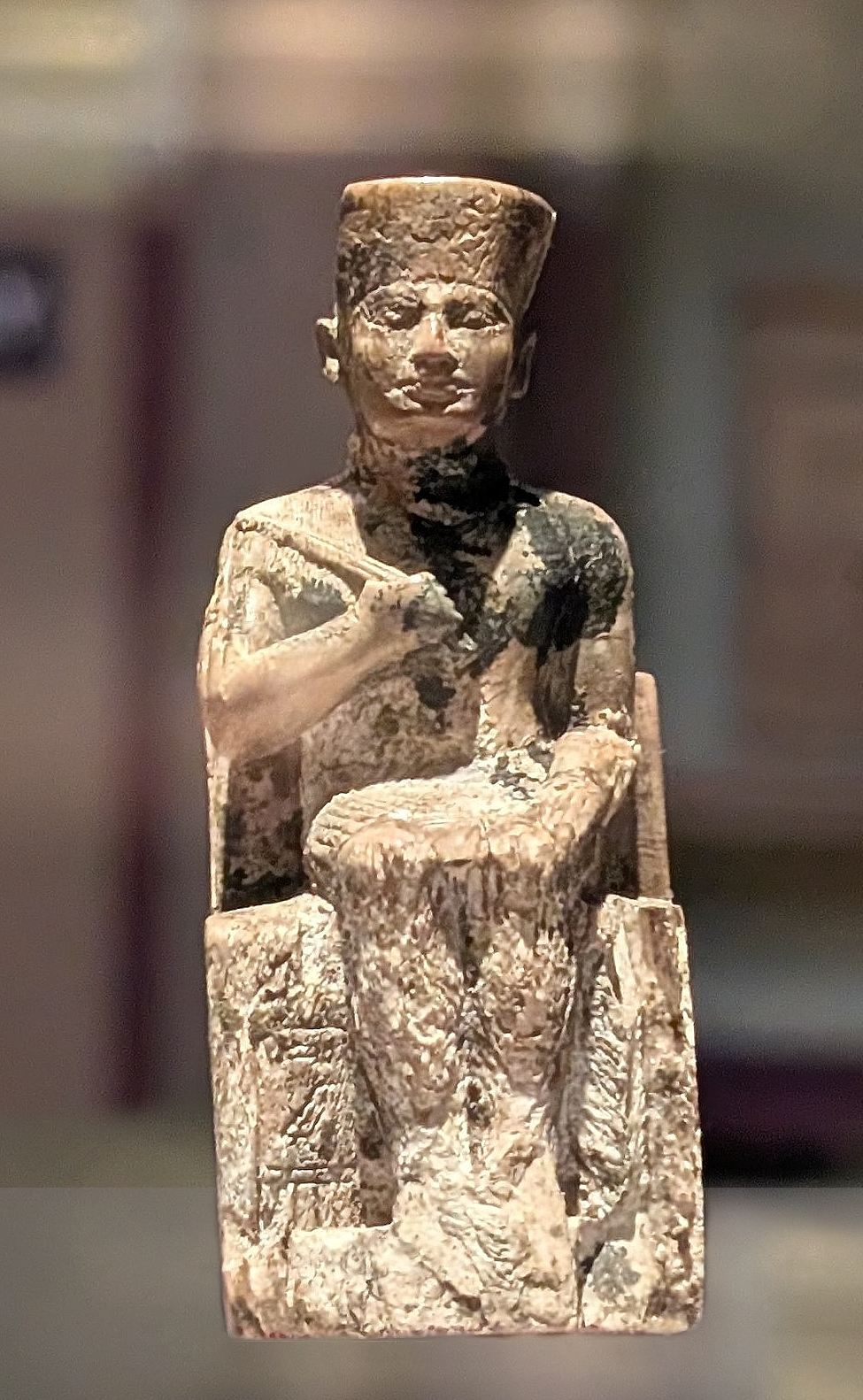
- The only known statue of him is 3 inches tall.

Lyra Kael can take you here on the globe, tell you the story out loud and answer your questions. Start the time jump.
Background
Khufu, or Cheops, was the second pharaoh of the Fourth Dynasty of Egypt, reigning during the 26th century BC in the early Old Kingdom period. Khufu succeeded his father, Sneferu, as king. He is generally accepted as having commissioned the Great Pyramid of Giza, one of the Seven Wonders of the Ancient World, but many other aspects of his reign are poorly documented. Khufu is also the main character noted in the Westcar Papyrus from the 13th dynasty.
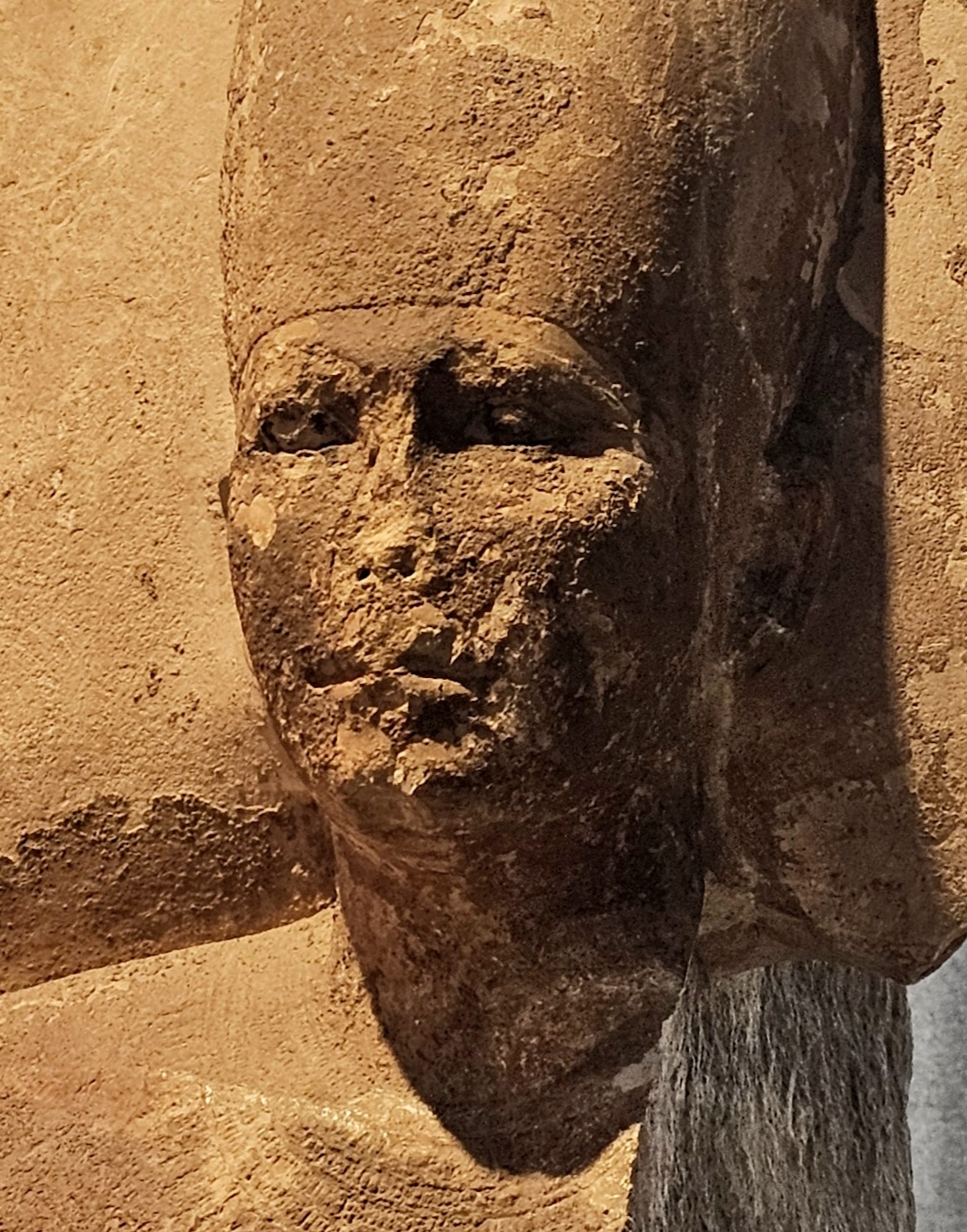
The only completely preserved portrait of the king is a small ivory figurine found in a temple ruin of a later period at Abydos in 1903. All other reliefs and statues were found in fragments, and many buildings of Khufu are lost. Khufu has a conflicting legacy: while the king enjoyed a long-lasting cultural heritage preservation during the period of the Old Kingdom and the New Kingdom, the ancient historians Manetho, Diodorus and Herodotus hand down a very negative depiction of Khufu's character. As a result, an obscure and critical picture of Khufu's personality persists.
Text from Wikipedia, licensed CC BY-SA 4.0.