No. 161
Darius I
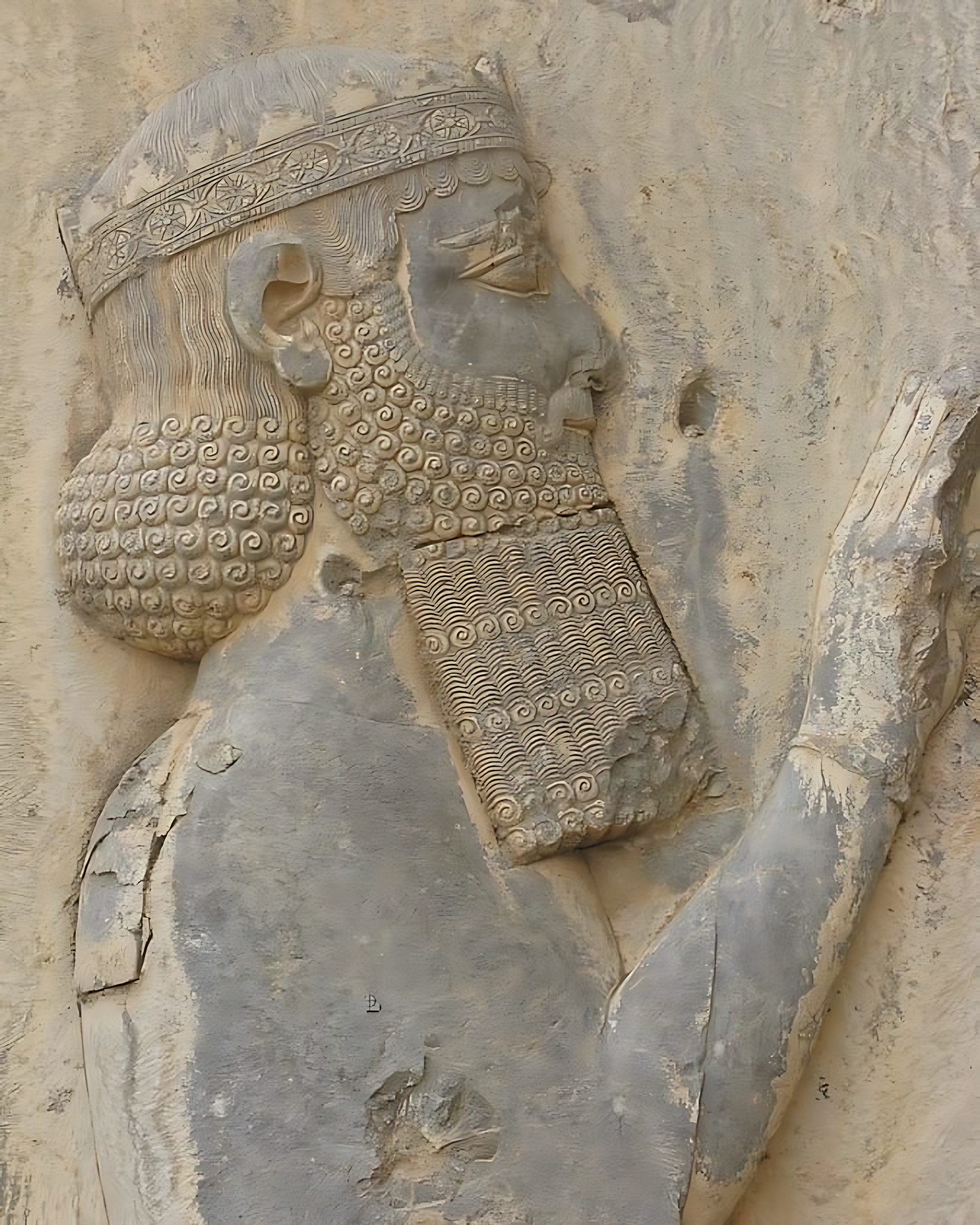

- Where
- Persia
- Culture
- Persia
- Lived
- reigned 522-486 BCE
- Why they matter
- Began Persepolis and built the Royal Road.
- Fate
- Lost at Marathon and died before his next invasion.

Lyra Kael can take you here on the globe, tell you the story out loud and answer your questions. Start the time jump.
Background
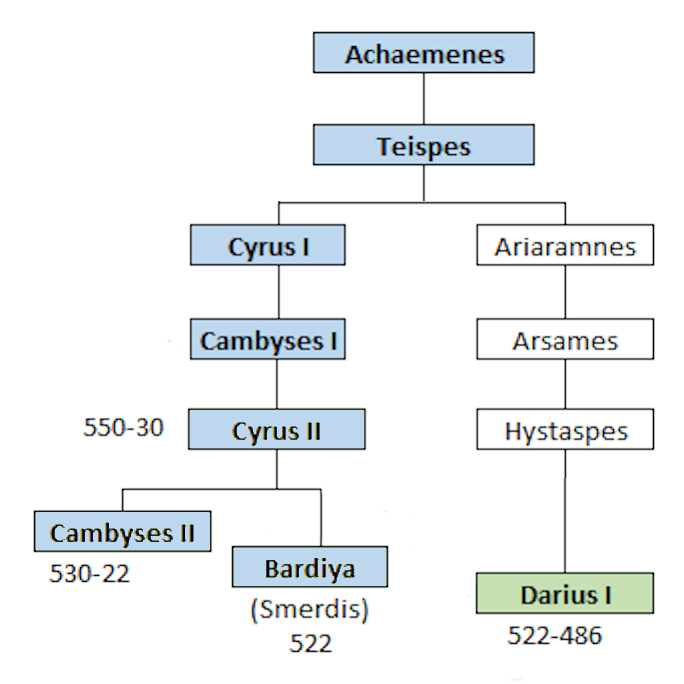
Darius I (Old Persian: 𐎭𐎠𐎼𐎹𐎺𐎢𐏁 Dārayavaʰuš; c. 550 – 486 BCE), commonly known as Darius the Great, was the third King of Kings of the Achaemenid Empire, reigning from 522 BCE until his death in 486 BCE. He ruled the empire at its territorial peak, when it included much of West Asia, parts of the Balkans (Thrace–Macedonia and Paeonia) and the Caucasus, most of the Black Sea's coastal regions, Central Asia, the Indus Valley in the far east, and portions of North Africa and Northeast Africa including Egypt (Mudrâya), eastern Libya, and coastal Sudan.
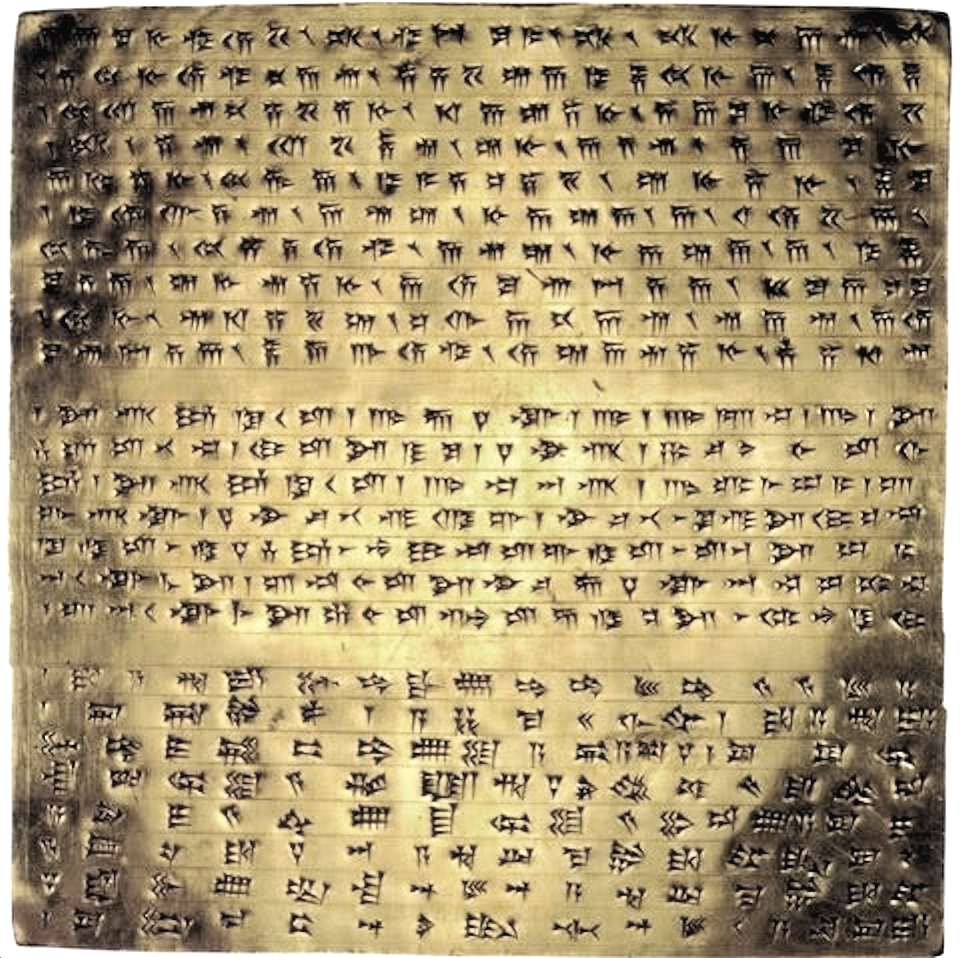
Darius ascended the throne after overthrowing the Achaemenid monarch Bardiya (or Smerdis), whom he claimed to be an imposter named Gaumata. The new king met with rebellions throughout the empire but quelled each of them. Darius organized the empire by dividing it into administrative provinces, each governed by a satrap. He organized a new uniform monetary system, and he made Aramaic a co-official language of the empire alongside Old Persian. He also put the empire in better standing by improving roads and introducing standard weights and measures. Through these changes, the Achaemenid Empire became centralized and unified. Darius undertook other construction projects throughout his realm, primarily focusing on Susa, Pasargadae, Persepolis, Babylon, and Egypt. A trilingual inscription carved upon a cliff-face of Mount Behistun to record his conquests later become a key source for the Old Persian language and decipherment of cuneiform. His career is also known from extensive records from Greek historiography, in which he is known for his punitive expedition against Athens and Eretria for their participation in the Ionian Revolt.
Text from Wikipedia, licensed CC BY-SA 4.0.