No. 160
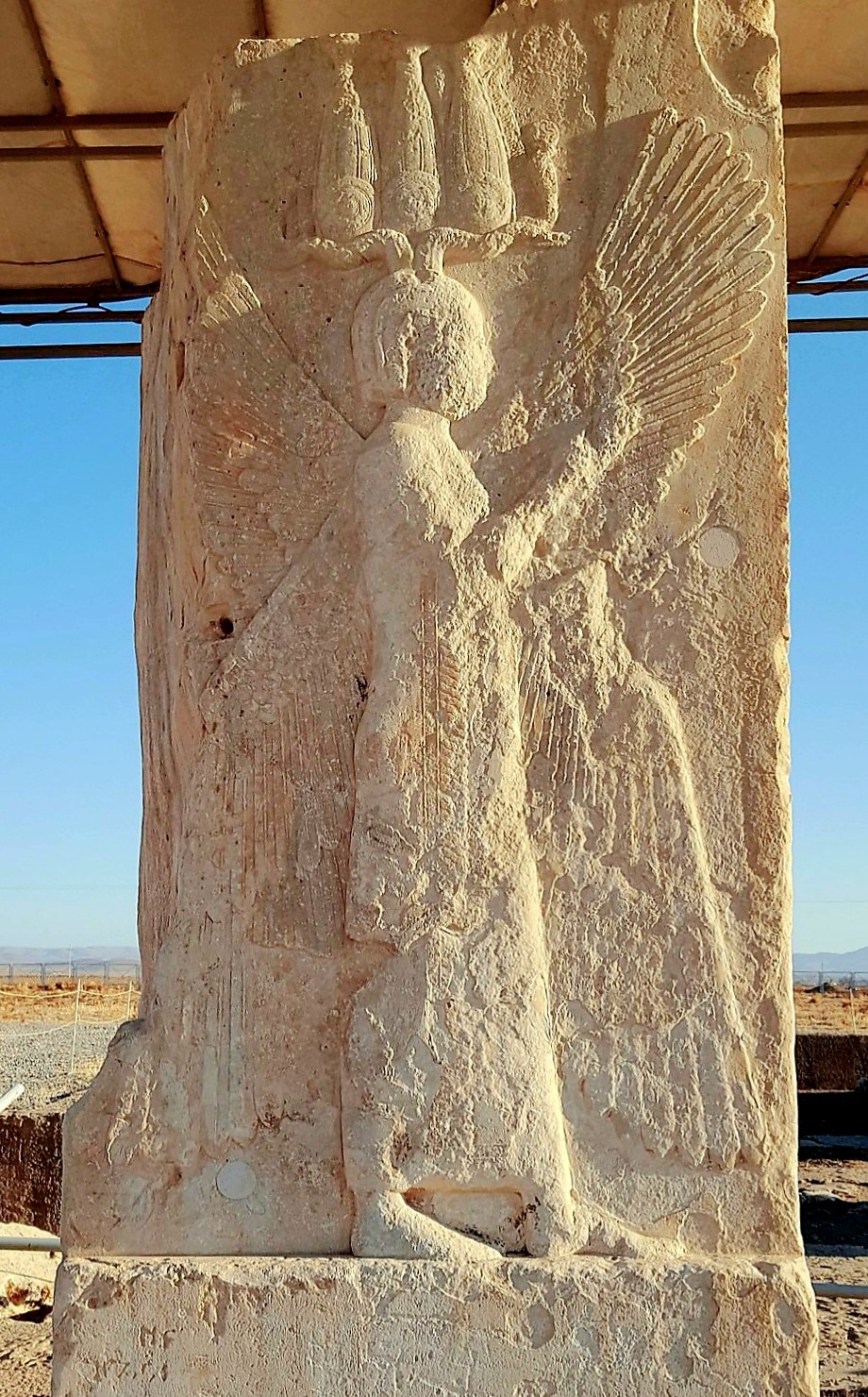
Cyrus the Great

- Where
- Persia
- Culture
- Persia
- Lived
- reigned 559-530 BCE
- Why they matter
- Founded the Persian Empire and was known for tolerating local religions.
- Fate
- Killed in battle in Central Asia.

Lyra Kael can take you here on the globe, tell you the story out loud and answer your questions. Start the time jump.
Background
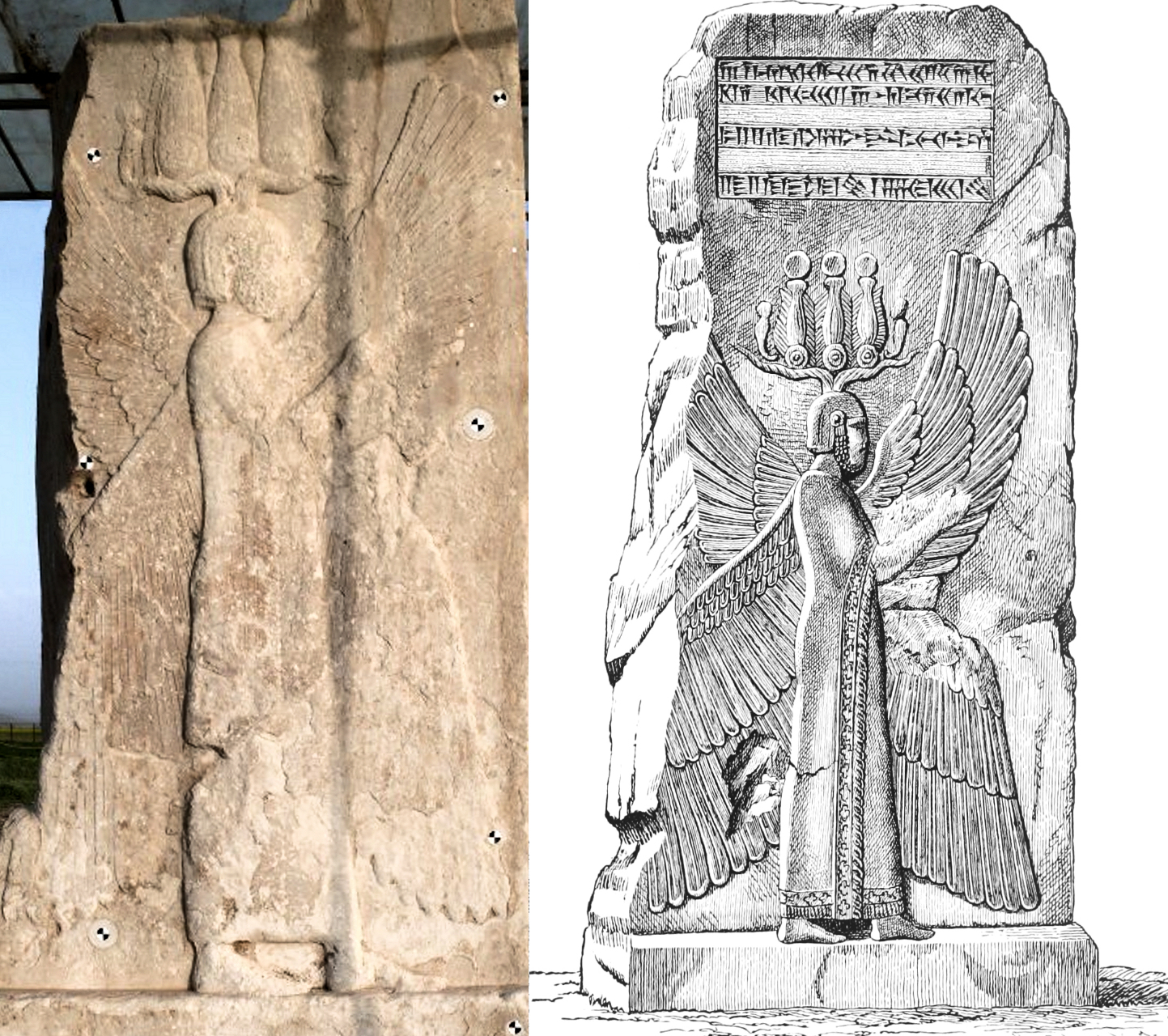
Cyrus II of Persia (c. 600 – 530 BC), commonly known as Cyrus the Great, was the founder of the Achaemenid Empire. Hailing from Persis, he brought the Achaemenid dynasty to power by defeating the Median Empire and embracing all of the previous civilized states of the ancient Near East, expanding vastly across most of West Asia and much of Central Asia to create what would soon become the largest empire in history at the time. The Achaemenid Empire's greatest territorial extent was achieved under Darius the Great, whose rule stretched from Southeast Europe and Northeast Africa in the west to the Indus Valley in the east.
After absorbing the Median Empire, Cyrus conquered Lydia and eventually the Neo-Babylonian Empire, granting him control of Anatolia and the Fertile Crescent, respectively. He also led a major expedition into Central Asia, where his army brought "into subjection every nation without exception" before he allegedly died in battle with the Massagetae, a nomadic Eastern Iranian people, along the Syr Darya in December 530 BC. However, according to Xenophon of Athens, Cyrus did not die fighting and had instead returned to the capital city of Pasargadae. He was succeeded by his son Cambyses II, whose campaigns led to the conquests of Egypt, Nubia, and Cyrenaica during his short reign.
To the Greeks, he was known as Cyrus the Elder and was particularly renowned among contemporary scholars because of his habitual policy of tolerance for peoples' customs and religions in the lands that he conquered. Similarly, he is exalted in Judaism for his role in freeing the Jewish people from the Babylonian captivity by issuing the Edict of Restoration following the Persian conquest of Babylon. This event is described in the Hebrew Bible as the return to Zion, whereby displaced Jews were repatriated to what had been the Kingdom of Judah, thus enabling the resurgence of Jewish sovereignty in the Land of Israel. Cyrus also facilitated Jewish aspirations for a new Temple in Jerusalem in the Achaemenid Empire's province of Yehud, where the original Solomon's Temple had once stood before being destroyed during the Babylonian siege of Jerusalem. His efforts resulted in the completion of the Second Temple, which marked the beginning of the Second Temple period and Second Temple Judaism. According to the Book of Isaiah, he was anointed by Yahweh and explicitly designated "
Text from Wikipedia, licensed CC BY-SA 4.0.