No. 37
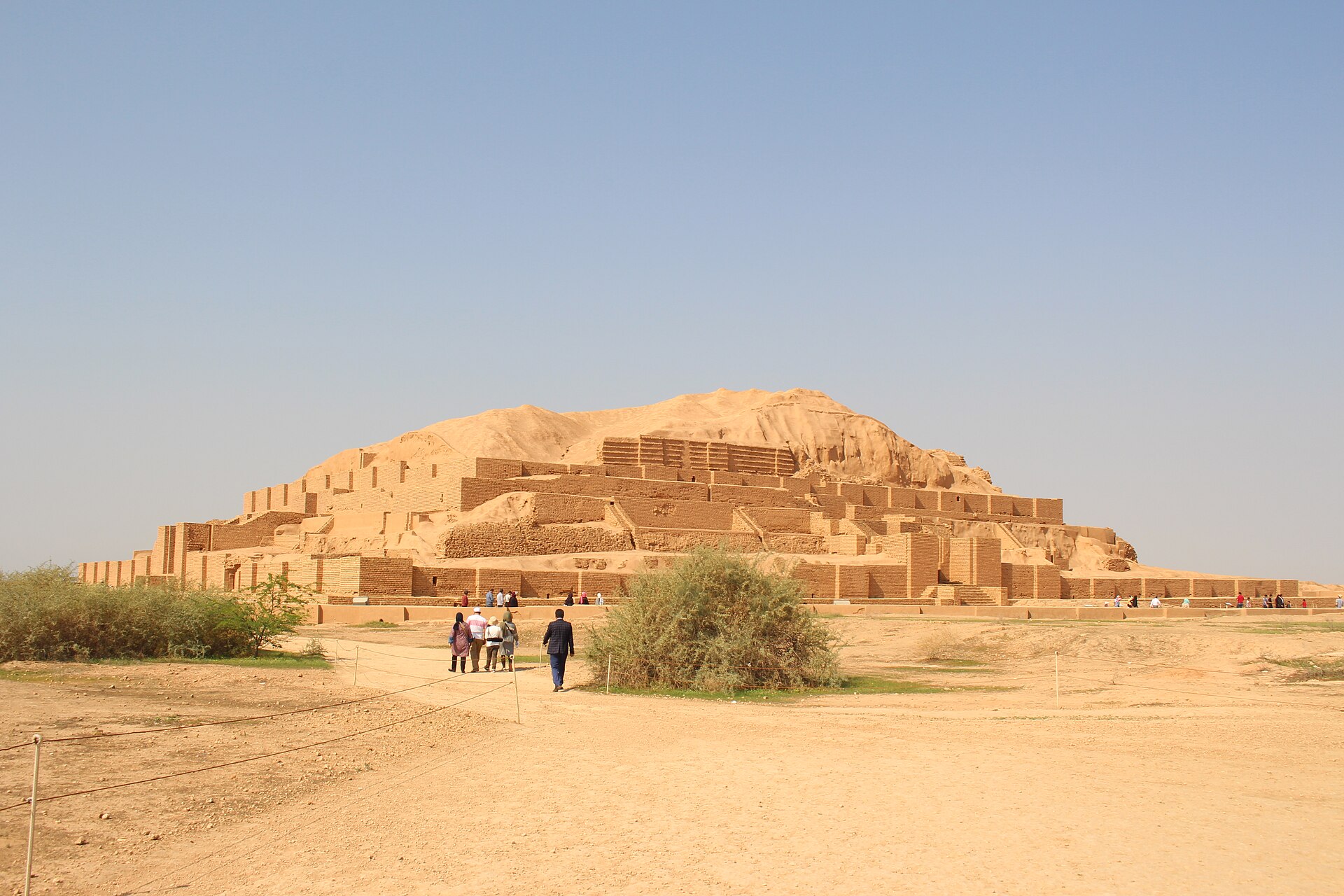
Chogha Zanbil

- Where
- Iran
- Built by
- Elamites
- Era
- 1250 BCE
- Known for
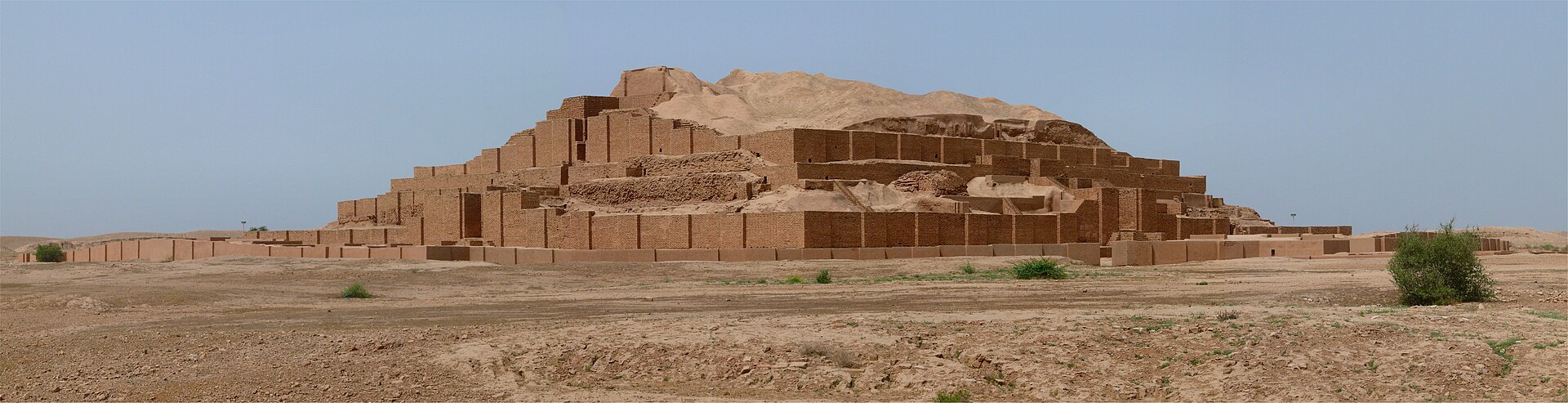
- One of the best-preserved ziggurats.
- How it ended
- Sacked by the Assyrian king Ashurbanipal around 640 BCE.

Lyra Kael can take you here on the globe, tell you the story out loud and answer your questions. Start the time jump.
Background
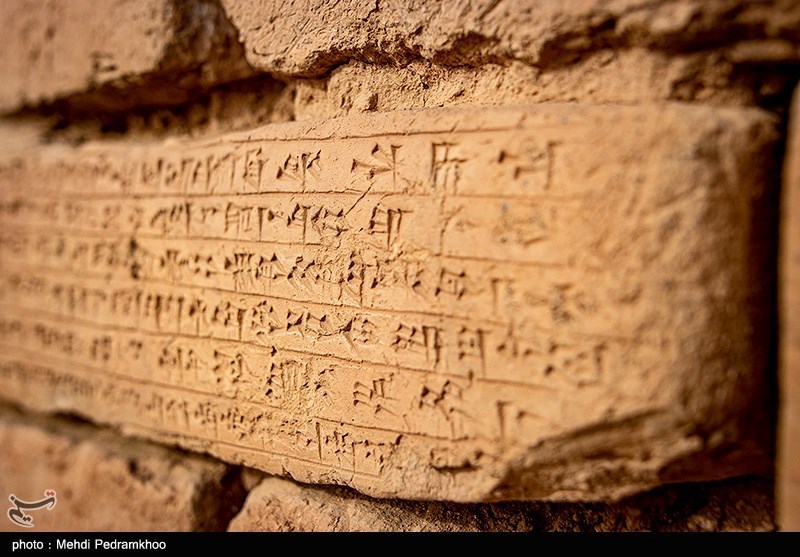
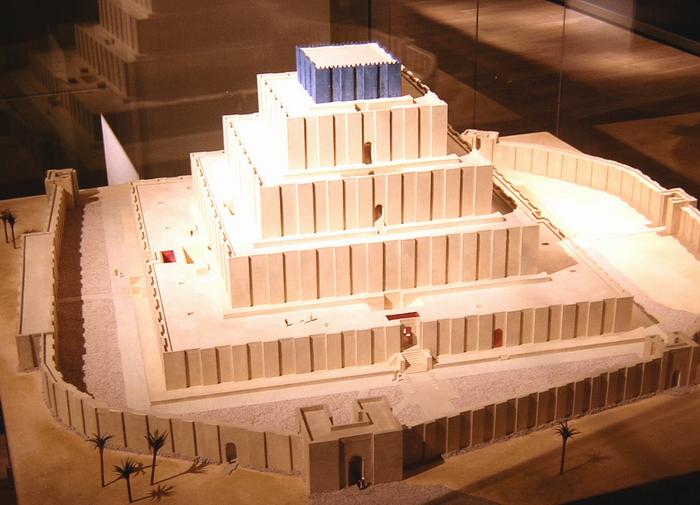
Chogha Zanbil is an ancient Elamite complex in the Khuzestan province of Iran. It is one of the few existing ziggurats outside Mesopotamia. It lies approximately 30 km (19 mi) southeast of Susa and 80 km (50 mi) north of Ahvaz. The construction date of the city is unclear due to uncertainty in the chronology of the reign of Untash-Napirisha, but is clearly sometime in the 14th or 13th century BC. The conventionally assumed date is 1250 BC. The city is currently believed to have been destroyed by the Neo-Assyrian ruler Assurbanipal in about 645 BC, along with the Elamite capital of Susa, though some researchers place the end of occupation in the late 12th century BC. The ziggurat is considered to be the best preserved example of the stepped pyramidal monument by UNESCO. In 1979, Chogha Zanbil became the first Iranian site to be inscribed on the UNESCO World Heritage List.
Text from Wikipedia, licensed CC BY-SA 4.0.