No. 158
Ashurbanipal

- Where
- Assyria
- Culture
- Assyria
- Lived
- reigned 669-631 BCE
- Why they matter
- Gathered the great library of Nineveh.
- Fate
- Assyria fell within 20 years of his death.

Lyra Kael can take you here on the globe, tell you the story out loud and answer your questions. Start the time jump.
Background
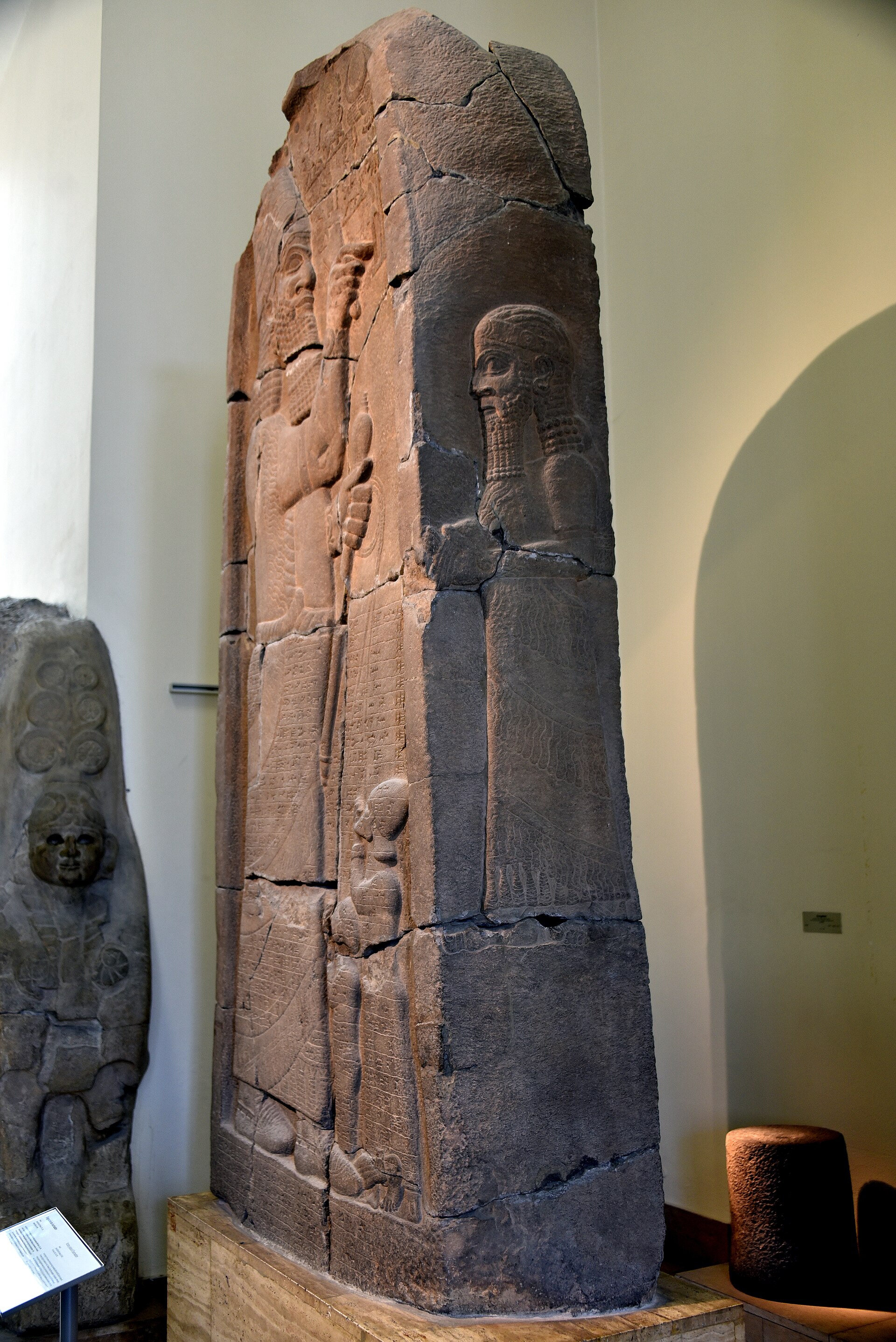
Ashurbanipal (Neo-Assyrian Akkadian: 𒀸𒋩𒆕𒀀, romanized: Aššur-bāni-apli, meaning "Ashur is the creator of the heir") was the king of the Neo-Assyrian Empire from 669 BC to his death in 631. He is generally remembered as the last great king of Assyria. Ashurbanipal inherited the throne as his father Esarhaddon‘s favored heir; his 38-year reign was among the longest of any Assyrian king. Though sometimes regarded as the apogee of ancient Assyria, his reign also marked the last time Assyrian armies waged war throughout the ancient Near East and the beginning of the end of Assyrian dominion over the region.
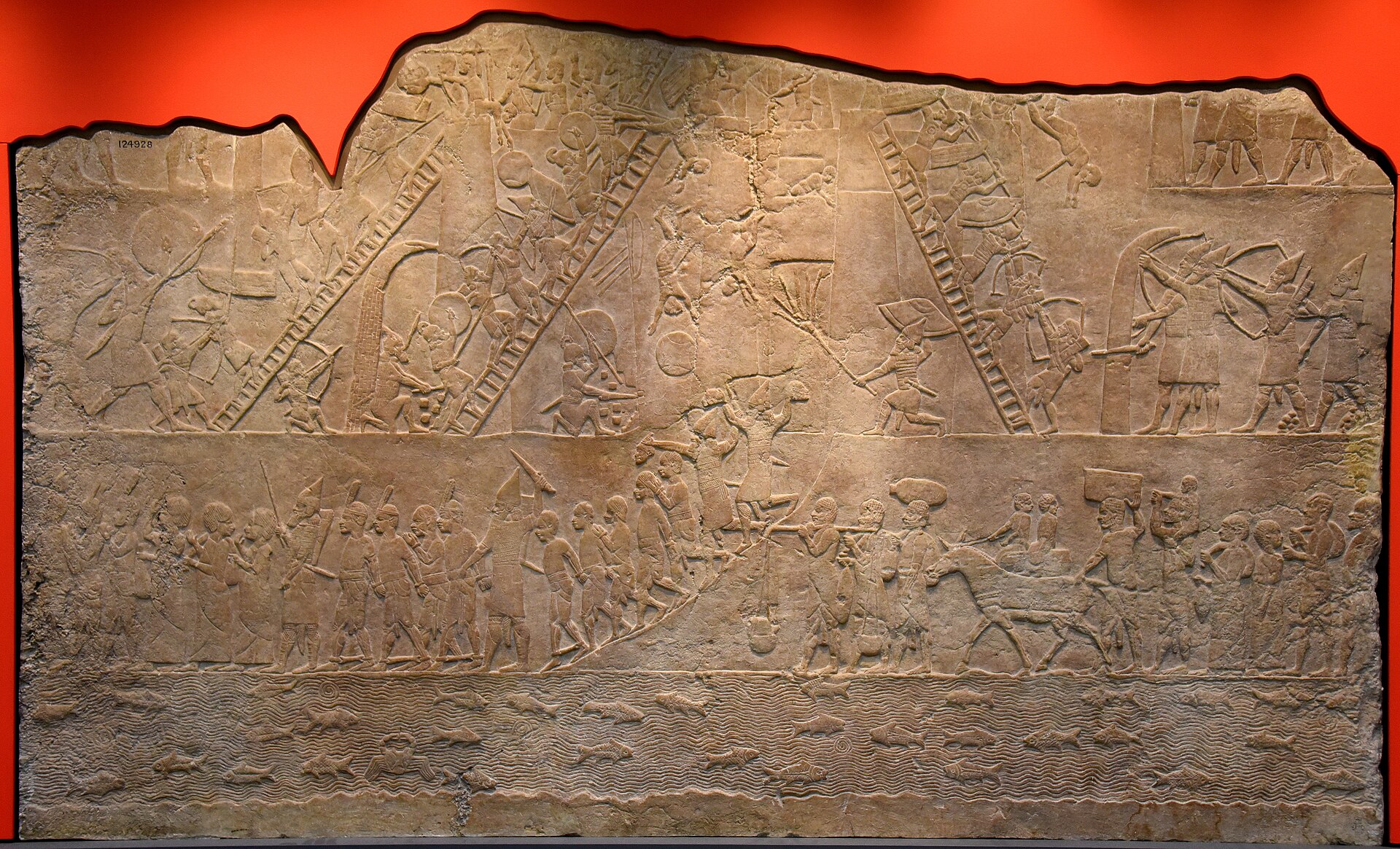
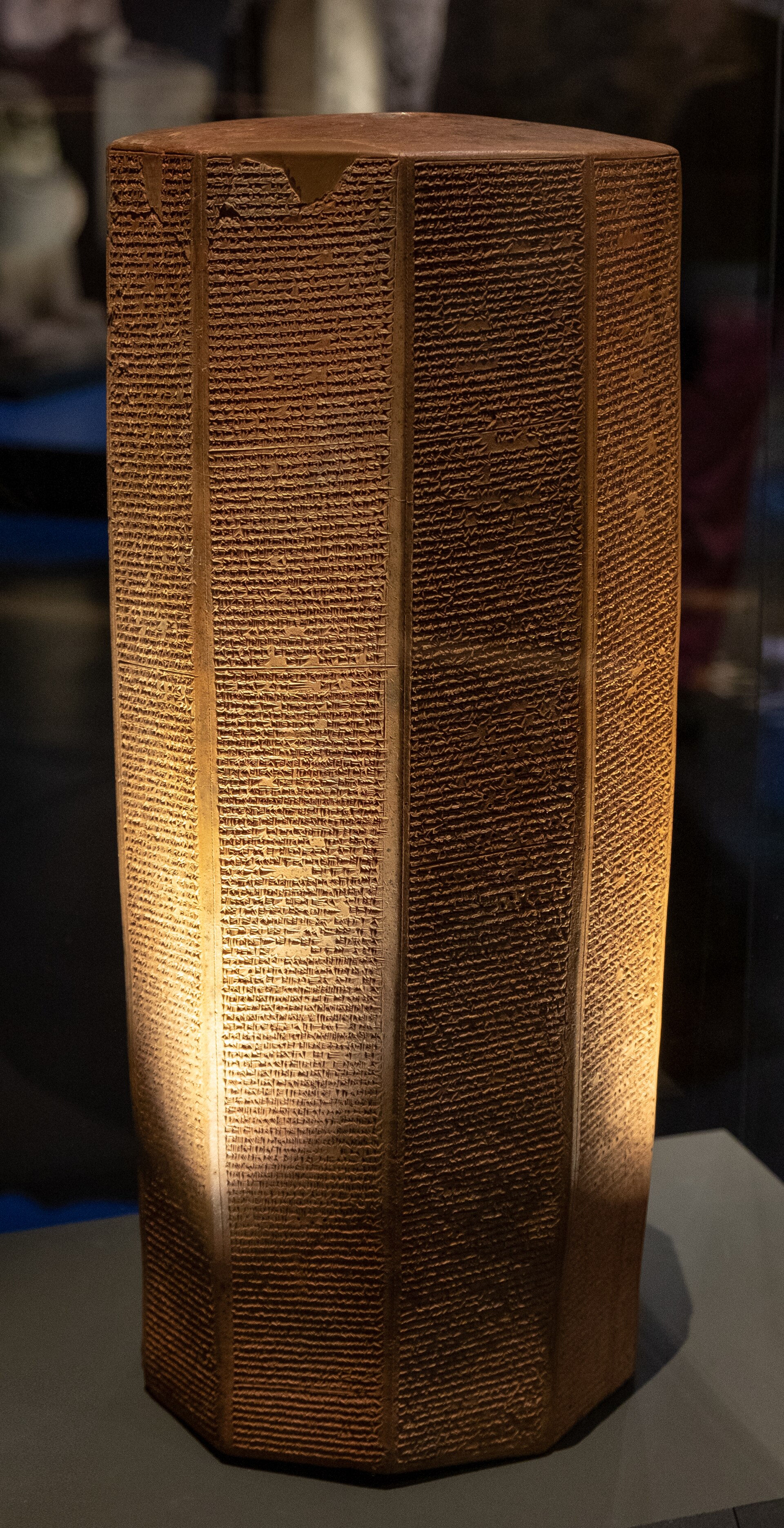
Esarhaddon selected Ashurbanipal as heir c. 673. The selection of Ashurbanipal bypassed the elder son Shamash-shum-ukin. Perhaps in order to avoid future rivalry, Esarhaddon designated Shamash-shum-ukin as the heir to Babylonia. The two brothers jointly ascended to their respective thrones after Esarhaddon's death in 669, though Shamash-shum-ukin was relegated to being Ashurbanipal's closely monitored vassal. Much of the early years of Ashurbanipal's reign was spent fighting rebellions in Egypt, which had been conquered by his father. The most extensive campaigns of Ashurbanipal were those directed towards Elam, an ancient enemy of Assyria, and against Shamash-shum-ukin, who gradually began to resent the overbearing control that his younger brother held over him. Elam was defeated in a series of conflicts in 665, 653 and 647–646. Shamash-shum-ukin rebelled in 652 and assembled a coalition of Assyria's enemies but was defeated and died during Ashurbanipal's siege of Babylon in 648. On account of a lack of surviving records, much of Ashurbanipal's late reign is poorly known.
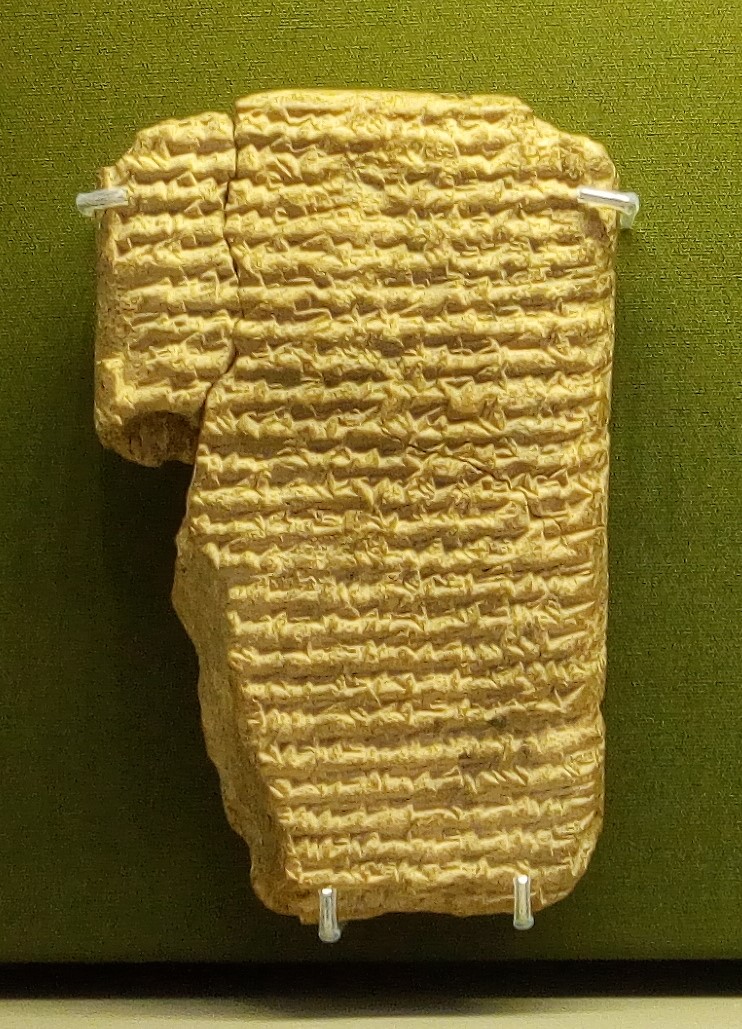
Ashurbanipal is chiefly remembered today for his cultural efforts. A patron of artwork and literature, Ashurbanipal was deeply interested in the ancient literary culture of Mesopotamia. Over the course of his long reign, Ashurbanipal utilized the massive resources at his disposal to construct the Library of Ashurbanipal, a collection of texts and documents of various different genres. Perhaps comprising over 100,000 texts at its height, the Library of Ashurbanipal was not surpassed until the construction of the Library of Alexandria, several centuries later. The more than 30,000 cuneiform texts that have survived from the library are a highly important source on ancient Mesopotamian language,
Text from Wikipedia, licensed CC BY-SA 4.0.