The story
Around 830 CE, a ship sewn together with rope, built in the style of Arabian or Persian ships called dhows, was sailing from China toward the Middle East. It carried a huge cargo from Tang dynasty China.
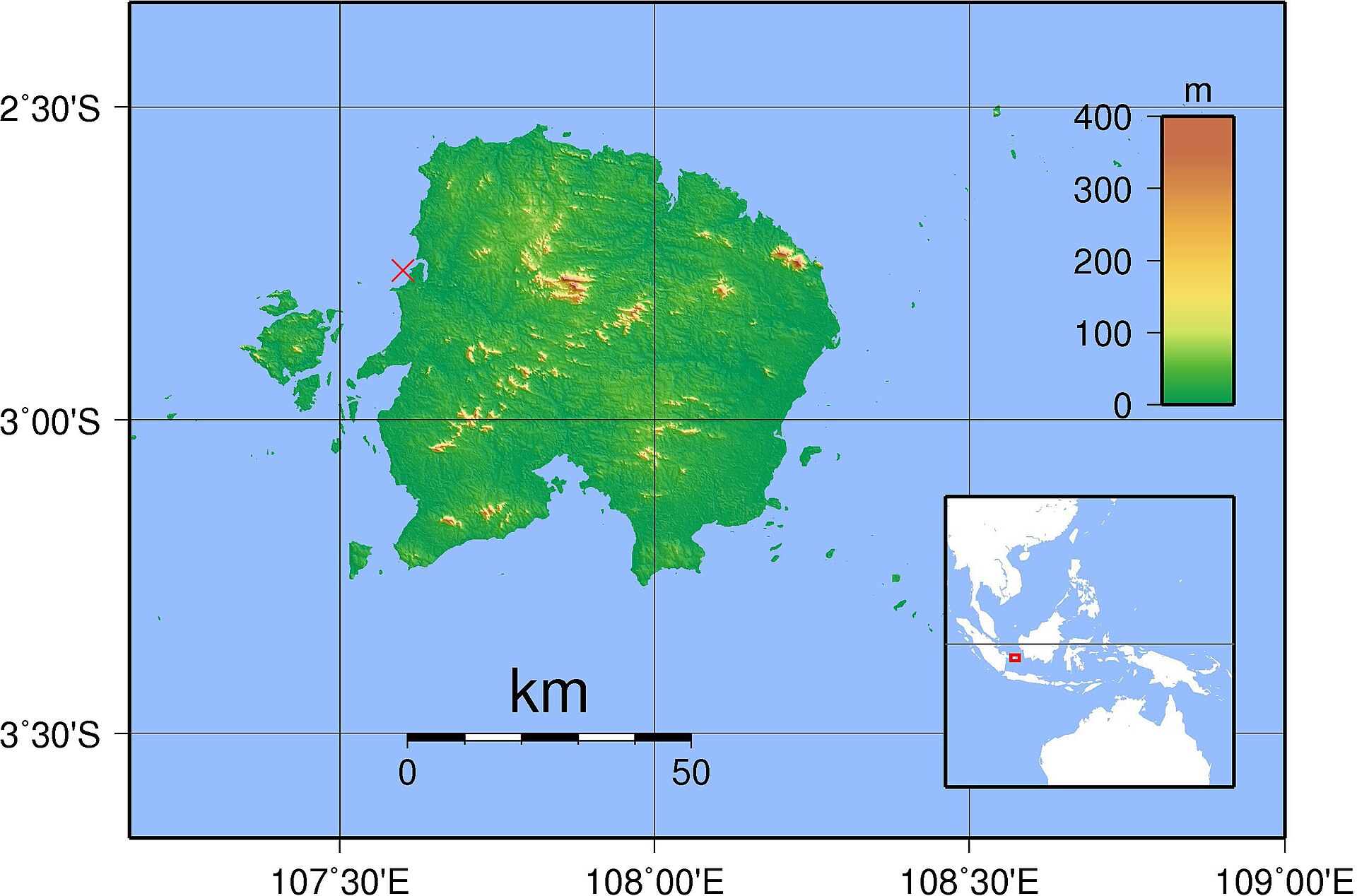
The ship struck a reef near Belitung Island and sank. Its cargo stayed on the seabed for more than 1,100 years. In 1998, fishermen diving for sea cucumbers found the wreck.
The cargo included about 60,000 ceramics, especially Changsha bowls painted with birds, fish and words. There were also gold cups, silver boxes and bronze mirrors. One bowl has a date on it that matches 826 CE. The wreck proves that ships were sailing all the way between China and the Arab world during this time.
How it went under
The ship hit a reef and sank. It lay hidden until 1998. Its recovery raised questions about how shipwrecks should be studied and who should own their treasures.
What life was like
Sailors on long voyages used monsoon winds to cross the Indian Ocean. They ate rice, dried fish and fruit, and traded at ports along the way. Potters in China's Changsha kilns made bowls quickly in huge numbers, painting each one by hand for buyers in faraway Persia and Arabia.
Wow facts
- The ship's planks were sewn together with rope instead of nails.
- One bowl is dated to the year 826 CE.
- The wreck is the largest single collection of Tang dynasty gold ever found in one place.
Photos
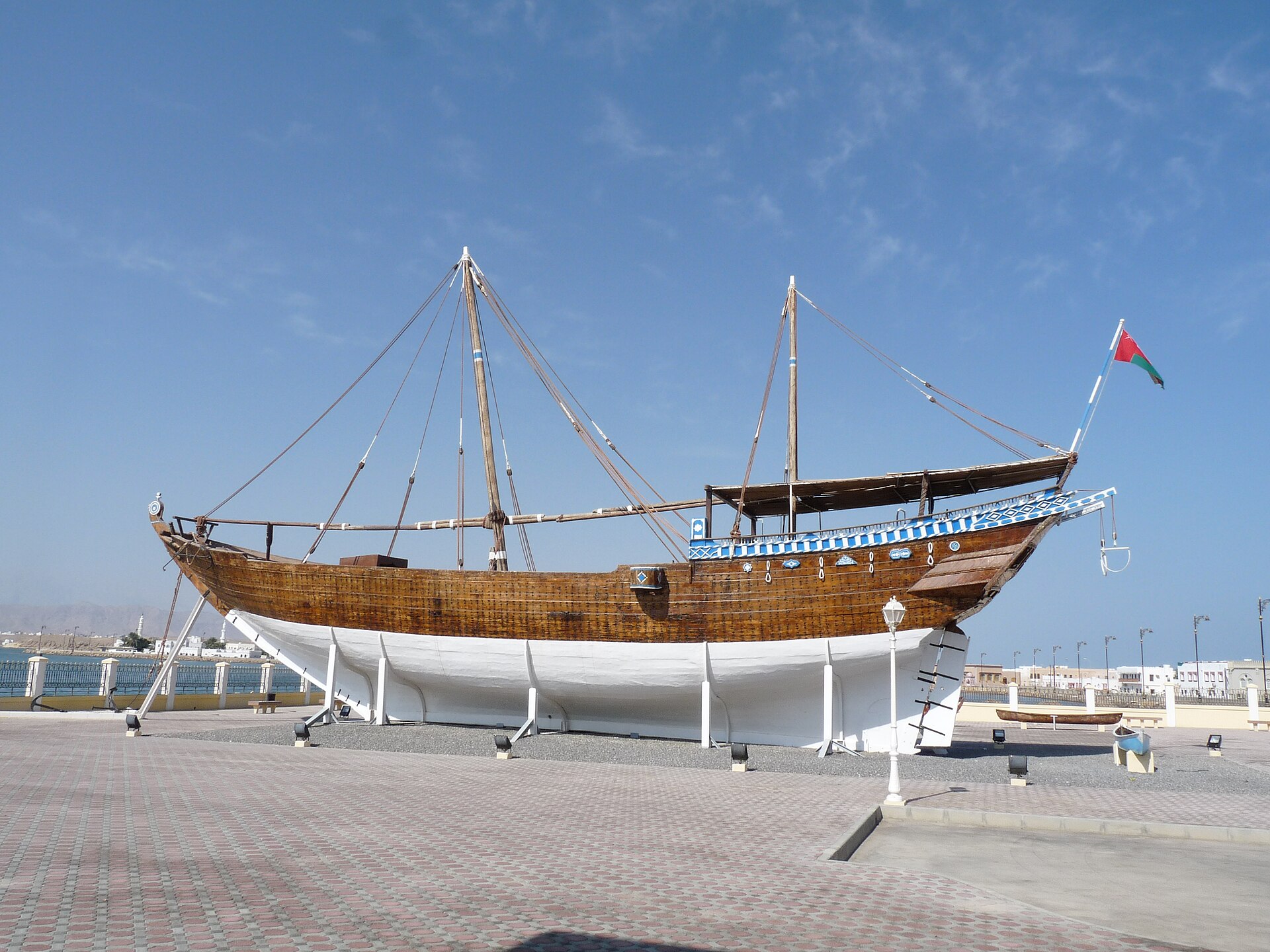 Dhow in Sur (Oman) Ji-Elle, CC BY-SA 3.0
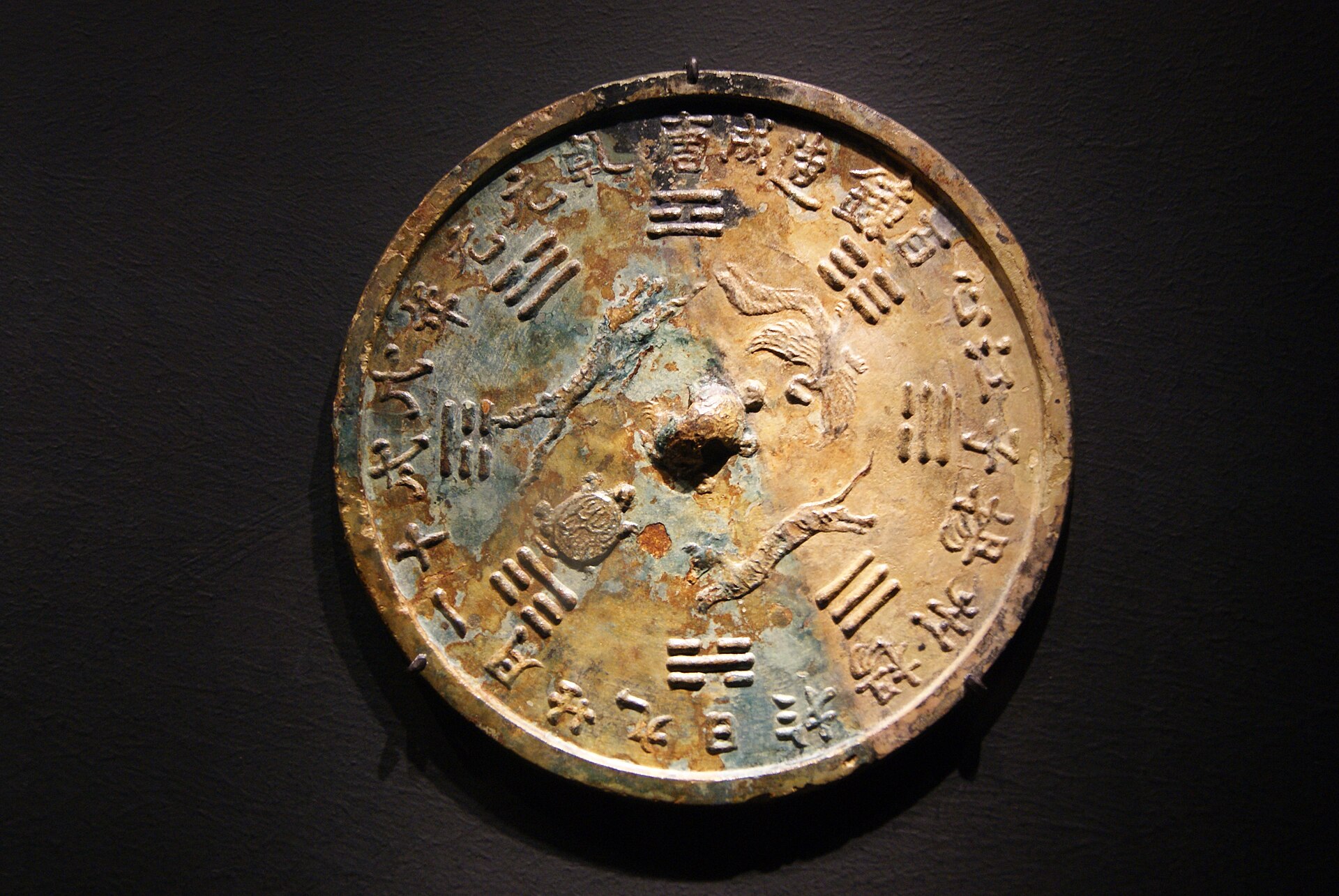 Part of the collection of artifacts from the Belitung shipwreck owned by the Sentosa... Unknown authorUnknown author., CC BY-SA 3.0
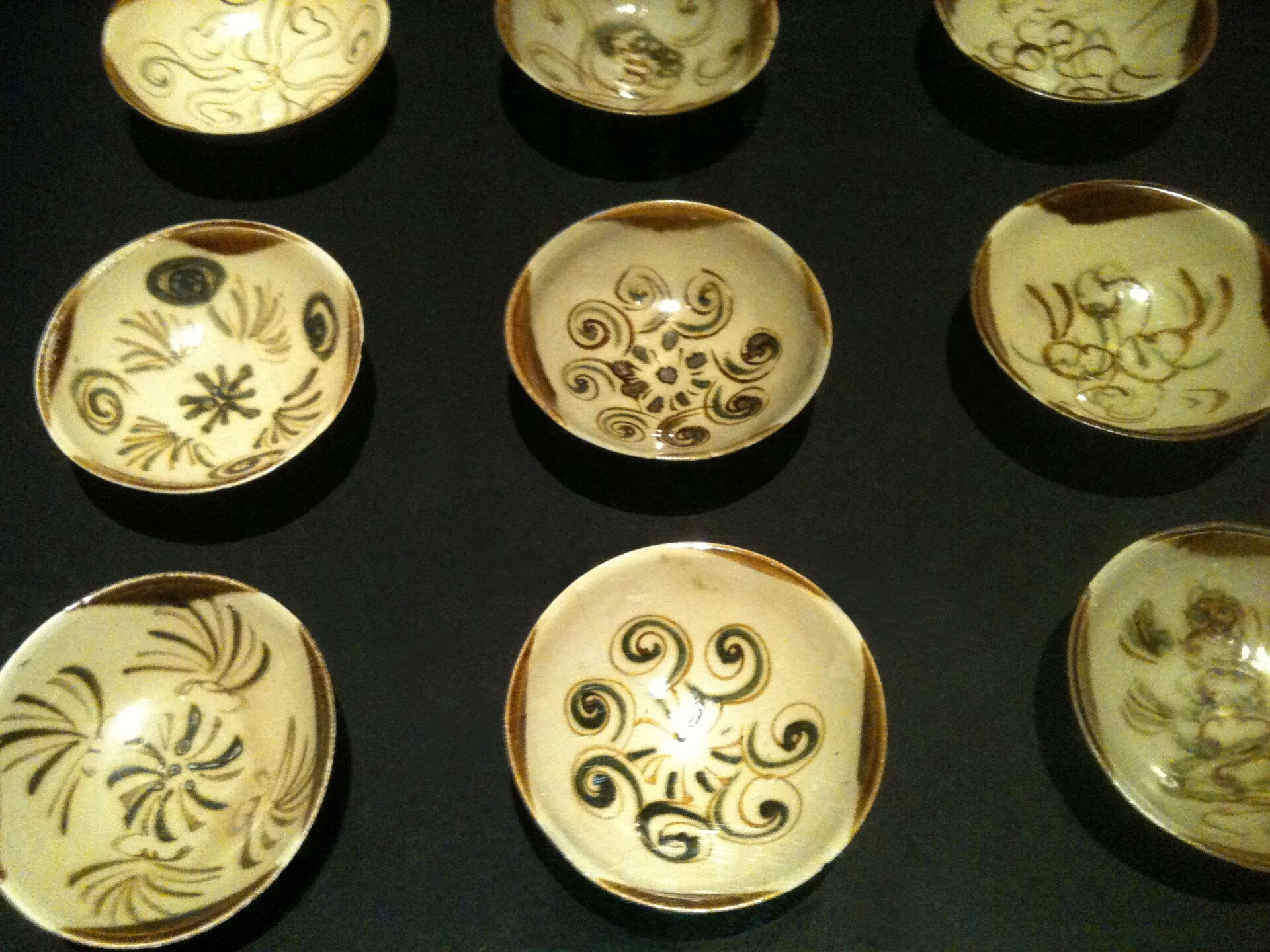 Part of the collection of artifacts from the Belitung shipwreck owned by the Sentosa... Unknown authorUnknown author., CC BY-SA 3.0
Relics and treasures
- Changsha bowlsthousands of painted bowls, in the Asian Civilisations Museum in Singapore
- Gold cupan octagonal gold cup with musicians, in the Asian Civilisations Museum
- Bronze mirrorsTang dynasty mirrors, in the Asian Civilisations Museum
- Ship modela reconstruction of the sewn ship, displayed in Singapore
How we know
After the 1998 find, divers recovered the cargo. Experts studied the ship's construction, the dated bowl and Chinese records of trade. Scientists tested the wood to learn where it came from.
What you would see today
Most of the cargo is displayed at the Asian Civilisations Museum in Singapore. The site itself is on the seabed. Because the wreck was salvaged by a commercial company, some archaeologists debate how it was handled.
For teachers and classrooms
Suggested level: grades 6-8. Print this page as a lesson sheet with the story, vocabulary, discussion questions and a quiz with an answer key.
Key words
- dhow
- a type of sailing ship used in the Indian Ocean and Arabian Sea
- ceramics
- objects made from fired clay, like pottery and bowls
- Tang dynasty
- a time of Chinese rule from 618 to 907 CE
Talk about it
- What does this shipwreck tell us about world trade 1,200 years ago?
- Should treasure from shipwrecks be sold or kept in museums? Why?
Try this activity
- Draw a map of Belitung Shipwreck as it looked at its busiest, and label three things people did there.
- Find Belitung Shipwreck on the Ruinscape timeline, then pick another place from the same century and compare them.
- Use one link in Sources below to find a real object from this place. Describe what it is made of and what it tells us.
Quick quiz
What was most of the cargo?
- Chinese pottery
- Spices only
- Steel
- Paper money
Show the answer
A. About 60,000 ceramic pieces were found.
How was the ship held together?
- Sewn with rope
- Welded steel
- Glued plastic
- Nails only
Show the answer
A. Its planks were sewn together with rope.
Where is most of the cargo now?
- Singapore
- London
- New York
- Lima
Show the answer
A. It is at the Asian Civilisations Museum in Singapore.
Sources and further reading
Ruinscape lessons are written for students and checked against encyclopedia and museum records. Go to the sources: these links search real museum collections, the UNESCO list and research by archaeologists.
- Wikipedia articleEncyclopedia overview with its own references
- UNESCO World HeritageOfficial listing, if the site is protected
- Google Arts & CultureMuseum exhibits, virtual tours and close-up photos
- British Museum collectionReal objects, photos and catalog notes
- The Met collectionObjects and essays from the Metropolitan Museum of Art
- Smithsonian collectionsU.S. national museum records
- 3D models on SketchfabScans of sites and artifacts (check each license)
- Scholarly articlesResearch papers by archaeologists and historians
Read the full background
The Belitung shipwreck (also called the Tang shipwreck or Batu Hitam shipwreck) is the wreck of an Arabian dhow that sank around 830 AD. The ship completed its outward journey from Arabia to China but sank on the return voyage from China, approximately 1.6 kilometres (1 mi) off the coast of Belitung Island, Indonesia. The reason the ship was south of the typical trade route when it sank remains unknown. Belitung lies southeast of the Singapore Strait, approximately 610 kilometres (380 mi) away, a secondary route that was more common for ships traveling between China and the Java Sea, which is south of Belitung Island.
The wreck has provided archaeologists with two major discoveries: the largest single collection of Tang dynasty artefacts found outside China, known as the "Tang Treasure", and the Arabian dhow itself, which offers new insights into the trade routes between China and the Middle East during that period. The treasure has been preserved as one collection, and efforts during excavation to maintain the integrity of the site and its cargo have produced detailed archaeological evidence. This evidence has provided new knowledge of the shipbuilding techniques of the time, as well as insights into the nature and style of the traded artefacts, shedding light on the trade between these two regions.
Currently, the Tang dynasty treasures recovered from the Belitung shipwreck are on permanent display at the Asian Civilisations Museum in Singapore under the name "Tang Shipwreck".
Background text from Wikipedia, available under CC BY-SA 4.0.
Last updated: October 2026. How we make Ruinscape.