No. 180
Ashoka

- Where
- Maurya Empire
- Culture
- Maurya Empire
- Lived
- reigned 268-232 BCE
- Why they matter
- Turned to Buddhism after a brutal war and spread it across Asia.
- Fate
- His empire broke up about 50 years later.

Lyra Kael can take you here on the globe, tell you the story out loud and answer your questions. Start the time jump.
Background
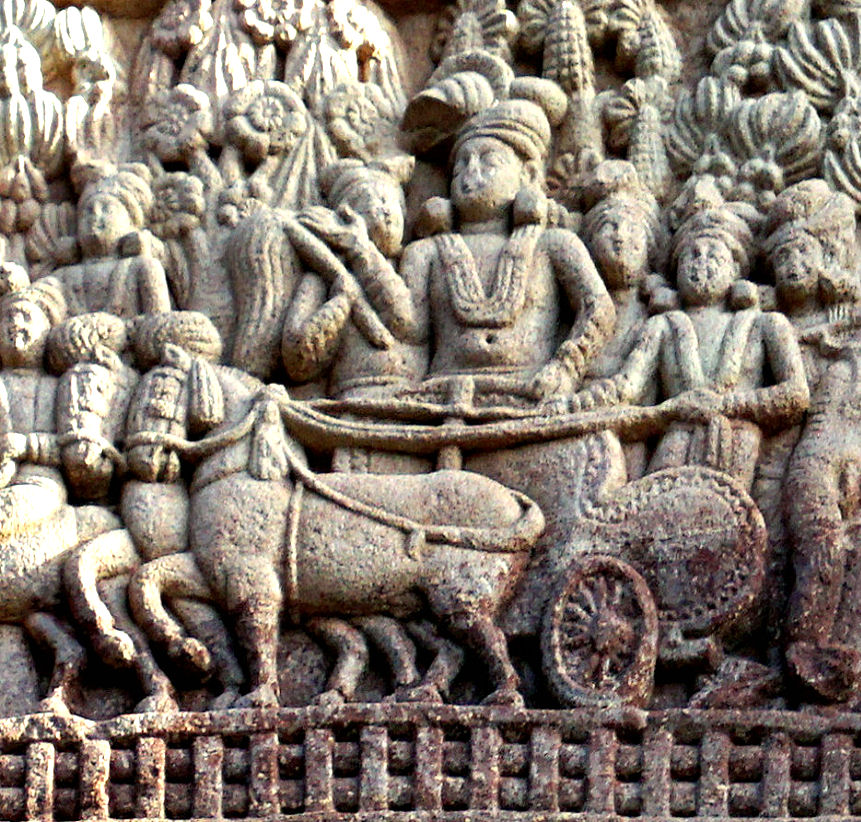
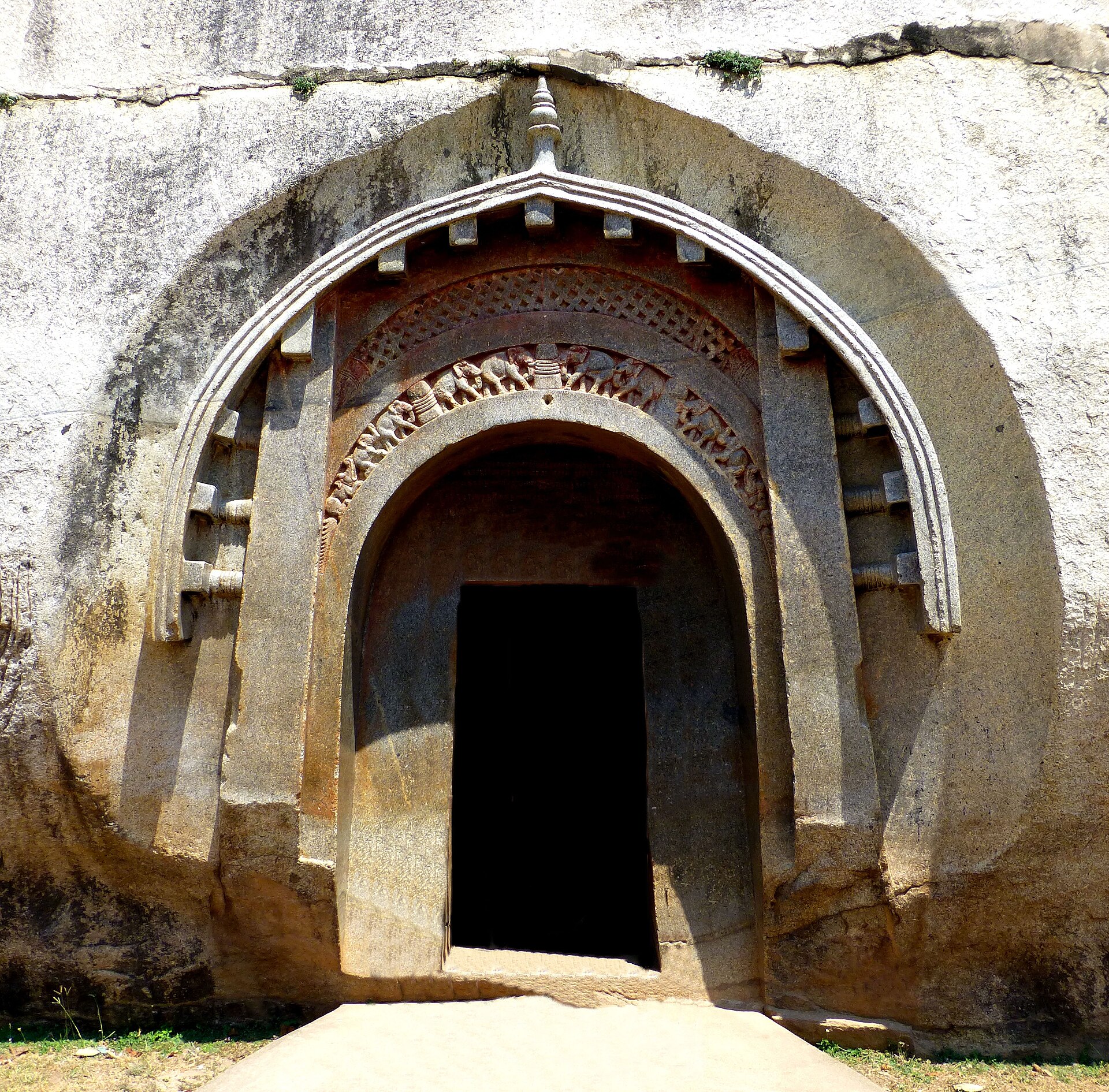
Ashoka, also known as Asoka or Aśoka ( ə-SHOH-kə; Sanskrit: [ɐˈɕoːkɐ], IAST: Aśoka; c. 304 – 232 BCE), most commonly known as Ashoka the Great, was Emperor of Magadha from c. 268 BCE until his death, and the third ruler of the Maurya Empire. His empire covered a large part of the Indian subcontinent, stretching from present-day Afghanistan in the west to present-day Bangladesh in the east, with its capital at Pataliputra. A patron of Buddhism, he is credited with an important role in the spread of Buddhism across ancient Asia.
The Edicts of Ashoka state that during his eighth regnal year (c. 260 BCE), he conquered Kalinga after a brutal war. Ashoka subsequently devoted himself to the propagation of "dhamma" or righteous conduct, the major theme of the edicts. Ashoka's edicts suggest that a few years after the Kalinga War, he was gradually drawn towards Buddhism. The Buddhist legends credit Ashoka with establishing a large number of stupas, patronising the Third Buddhist council, supporting Buddhist missionaries, and making generous donations to the sangha.
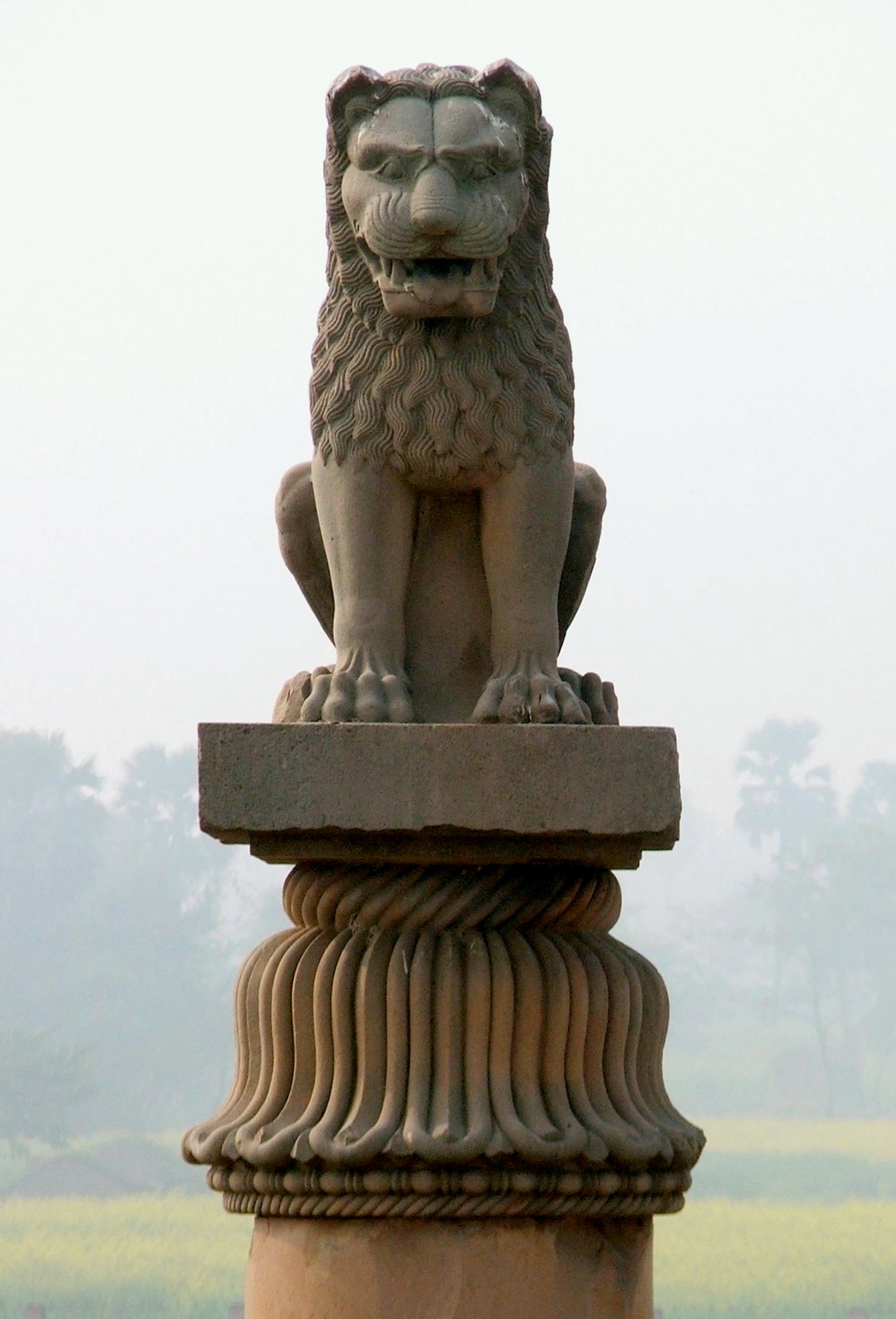
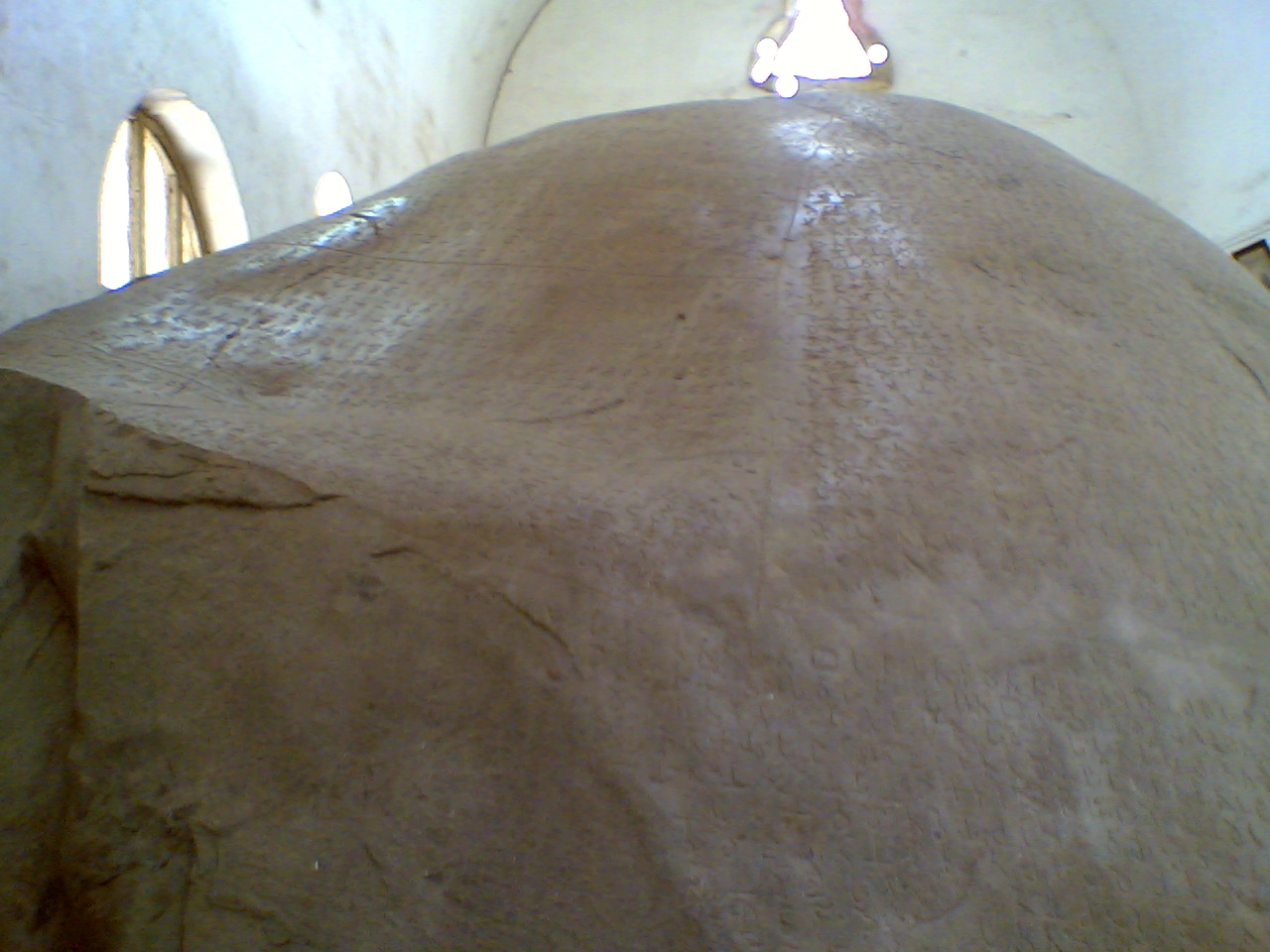
Ashoka's existence as a historical emperor had almost been forgotten, but since the decipherment in the 19th century of sources written in the Brahmi script, Ashoka holds a reputation as one of the greatest Indian emperors. The State Emblem of the modern Republic of India is an adaptation of the Lion Capital of Ashoka. Ashoka's wheel, the Ashoka Chakra, is adopted at the centre of the National Flag of India.
Text from Wikipedia, licensed CC BY-SA 4.0.