No. 65
Varna Necropolis

- Where
- Bulgaria
- Built by
- Copper Age people
- Era
- 4600 BCE
- Known for
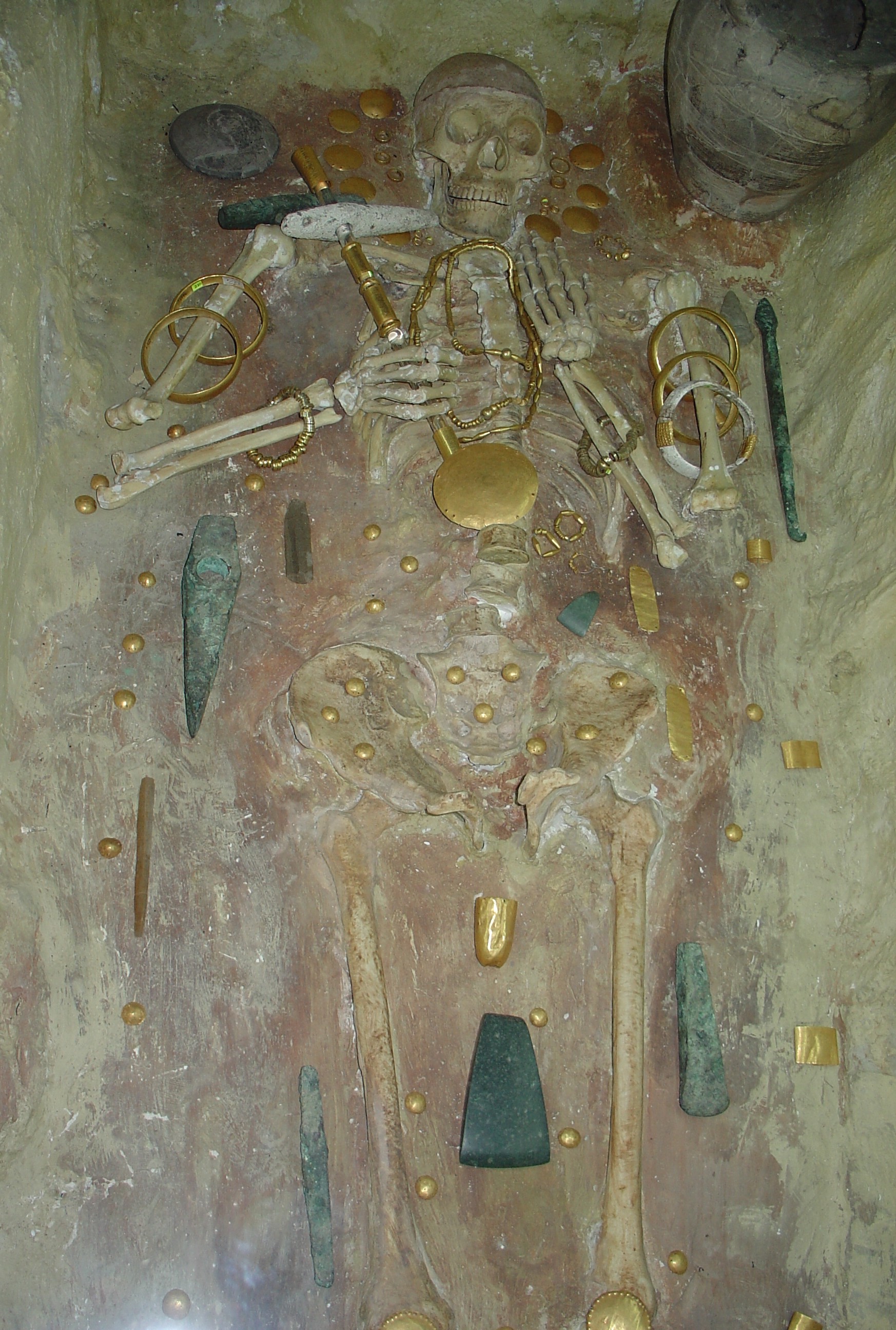
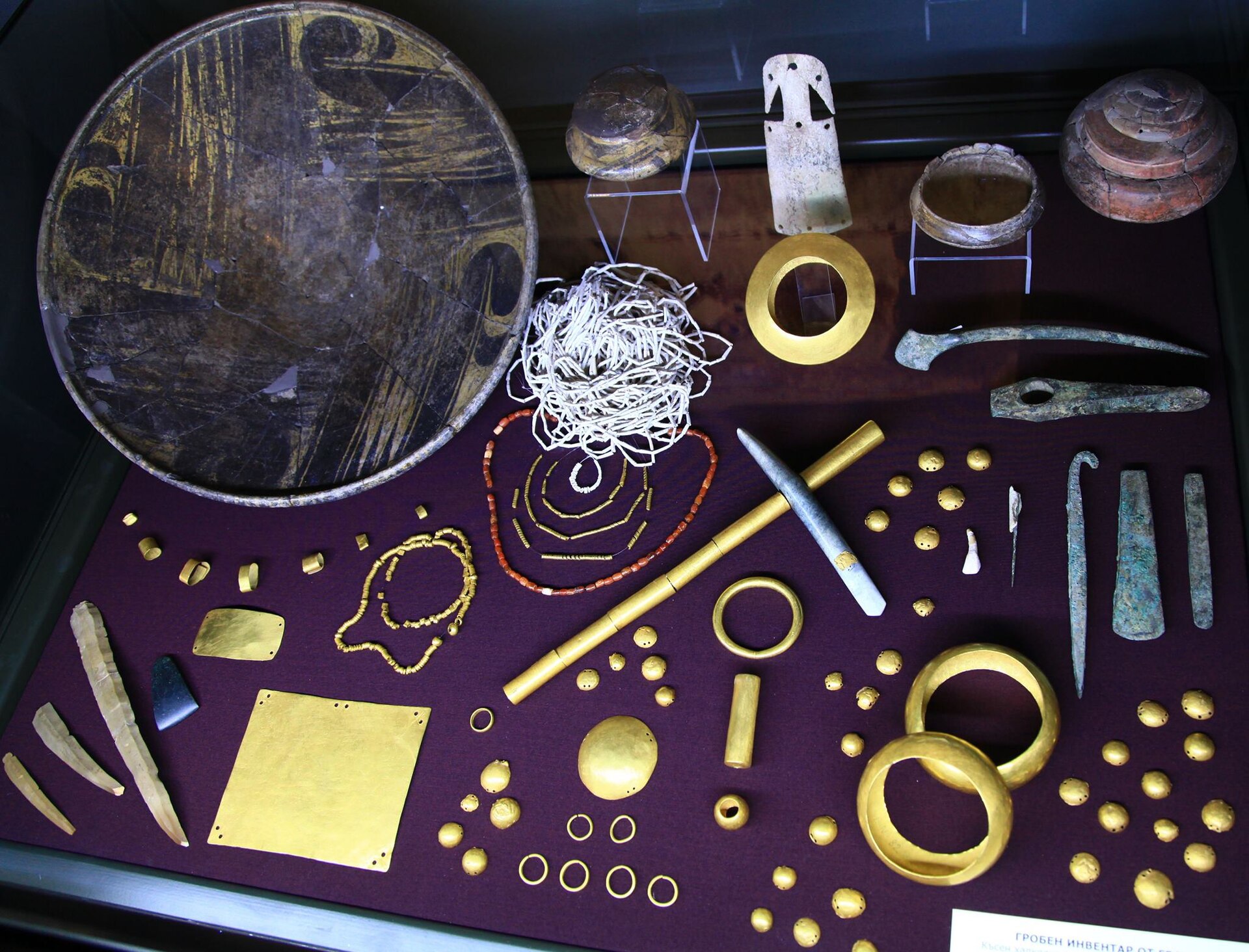
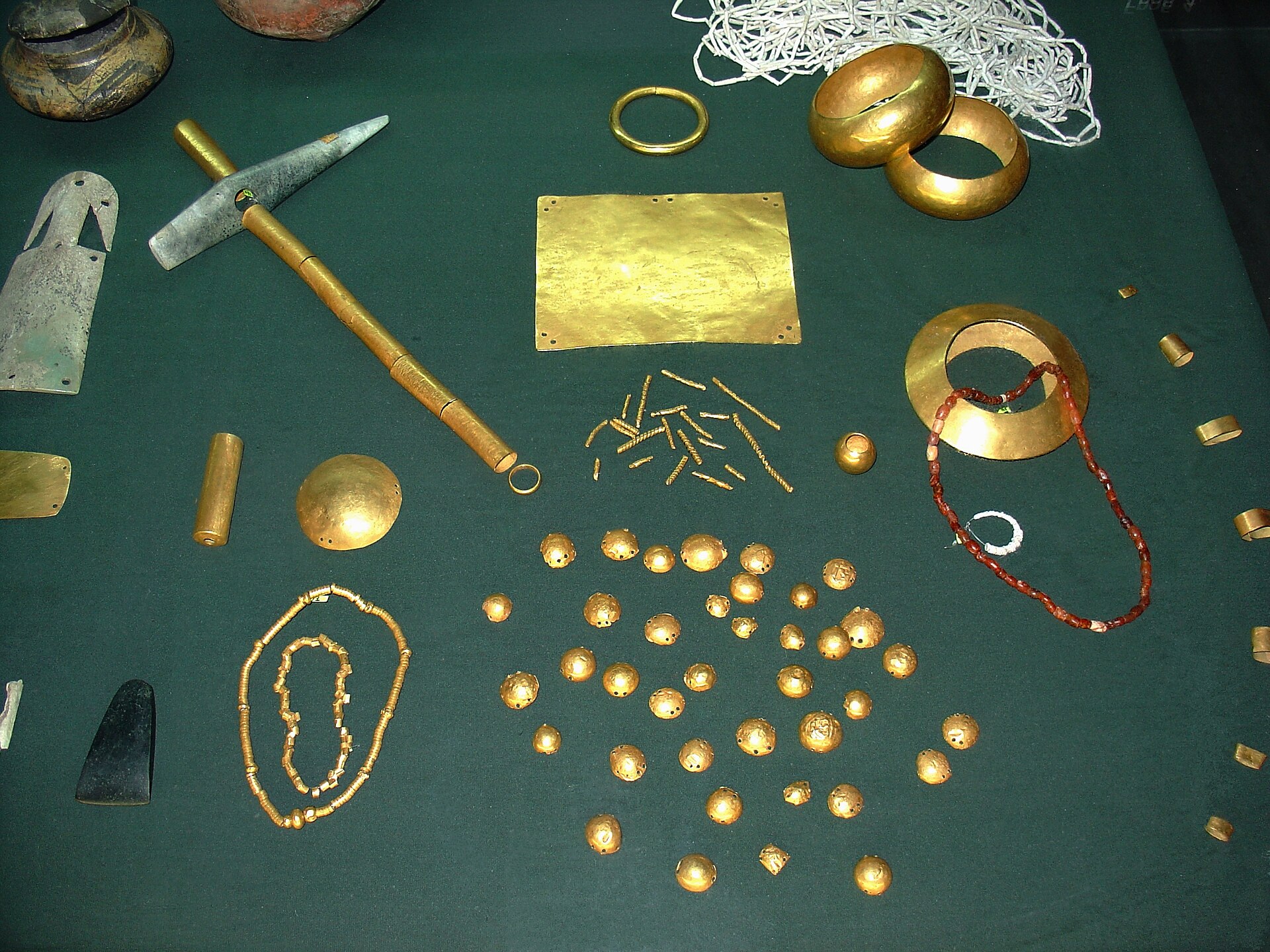
- The oldest worked gold treasure yet found.
- How it ended
- The culture vanished around 4100 BCE, possibly from climate change and migration.

Lyra Kael can take you here on the globe, tell you the story out loud and answer your questions. Start the time jump.
Background
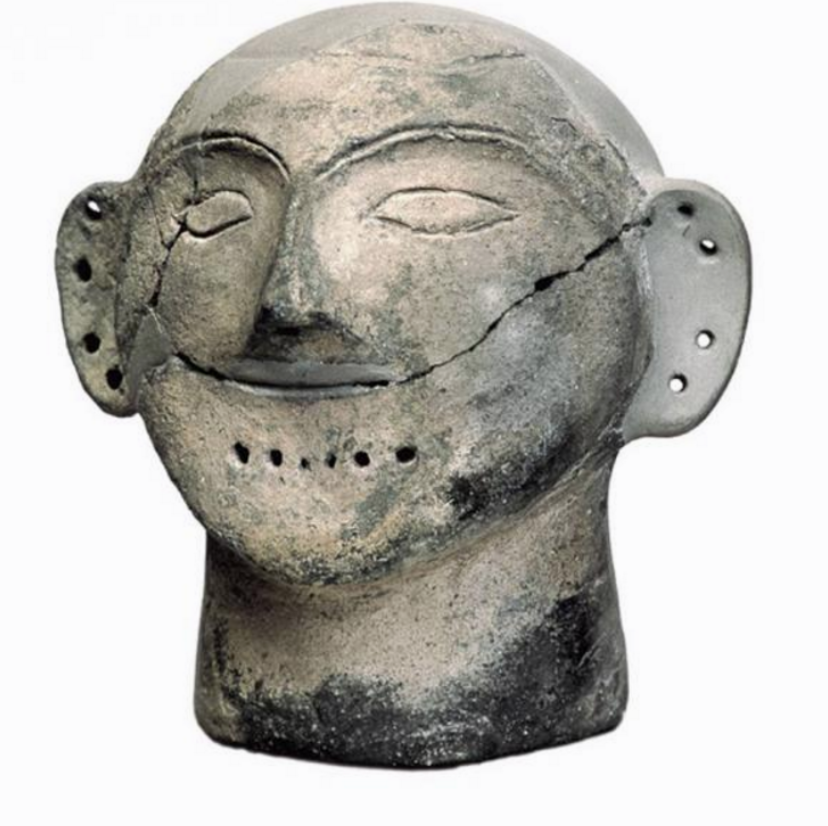
The Varna Necropolis (Bulgarian: Варненски некропол), or Varna Cemetery, is a burial site in the western industrial zone of Varna (approximately half a kilometre from Lake Varna and 4 km from the city centre), internationally considered one of the key archaeological sites in world prehistory. The oldest gold treasure and jewelry in the world, dating from 4600 BC to 4200 BC, was discovered at the site. Several prehistoric Bulgarian finds are considered no less old – the golden treasures of Hotnitsa, Durankulak, artifacts from the Kurgan settlement of Yunatsite near Pazardzhik, the golden treasure Sakar, as well as beads and gold jewelry found in the Kurgan settlement of Provadia – Solnitsata (“salt pit”). However, Varna gold is most often called the oldest since this treasure is the largest and most diverse.
Text from Wikipedia, licensed CC BY-SA 4.0.