No. 22
Uruk

- Where
- Iraq
- Built by
- Sumerians
- Era
- 4000-3100 BCE peak
- Known for
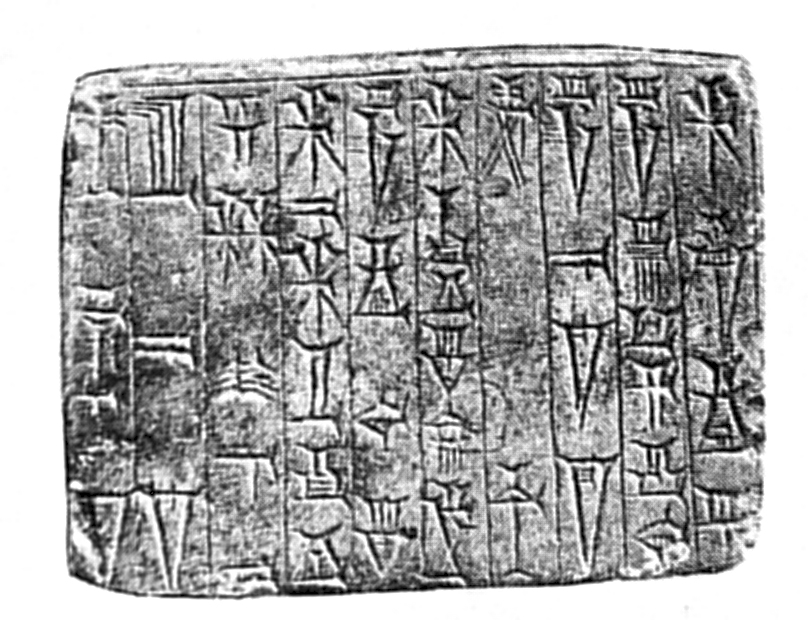
- The earliest writing, and the city of Gilgamesh.
- How it ended
- Faded as the Euphrates moved away; empty by about 600 CE.

Lyra Kael can take you here on the globe, tell you the story out loud and answer your questions. Start the time jump.
Background
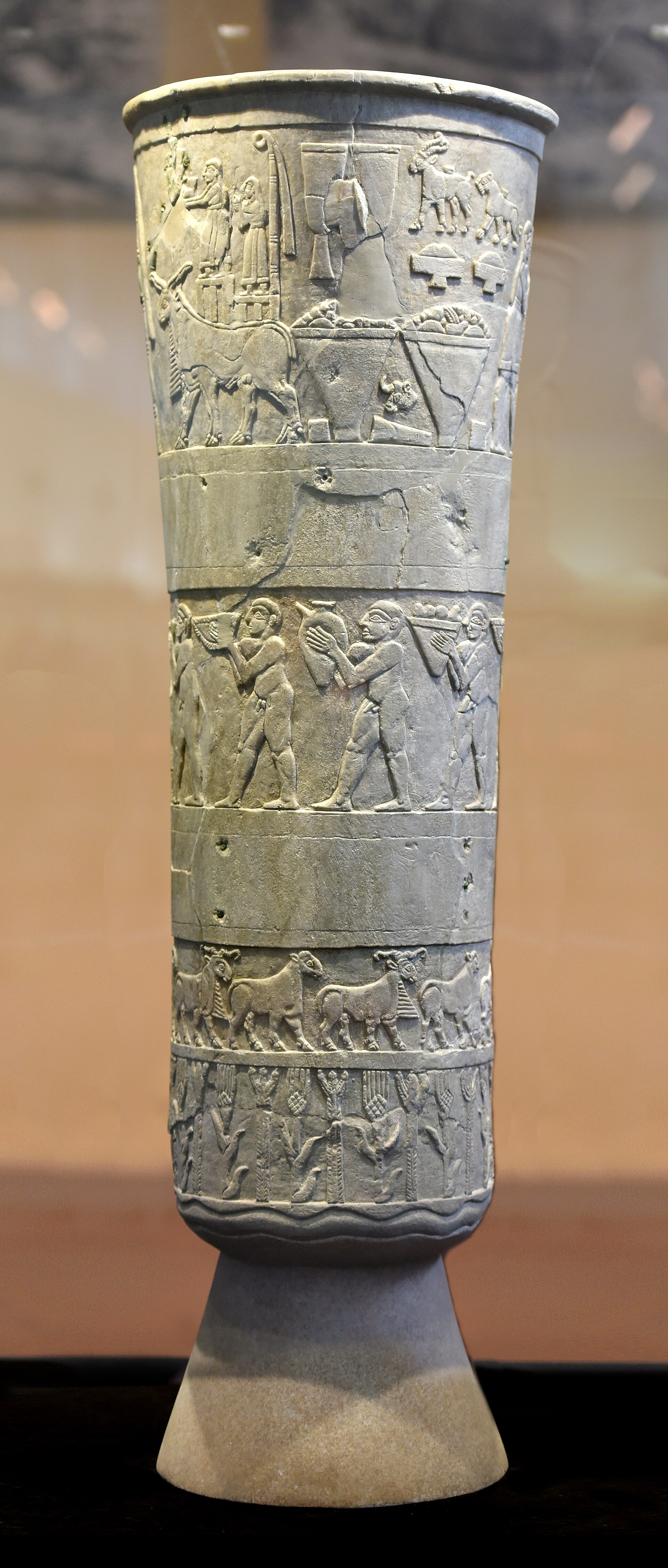
Uruk, the archeological site known today as Warka, was an ancient city in the Near East or West Asia, located east of the current bed of the Euphrates River, on an ancient, now-dried channel of the river in Muthanna Governorate, Iraq. The site lies 93 kilometers (58 miles) northwest of ancient Ur, 108 kilometers (67 miles) southeast of ancient Nippur, and 24 kilometers (15 miles) northwest of ancient Larsa.
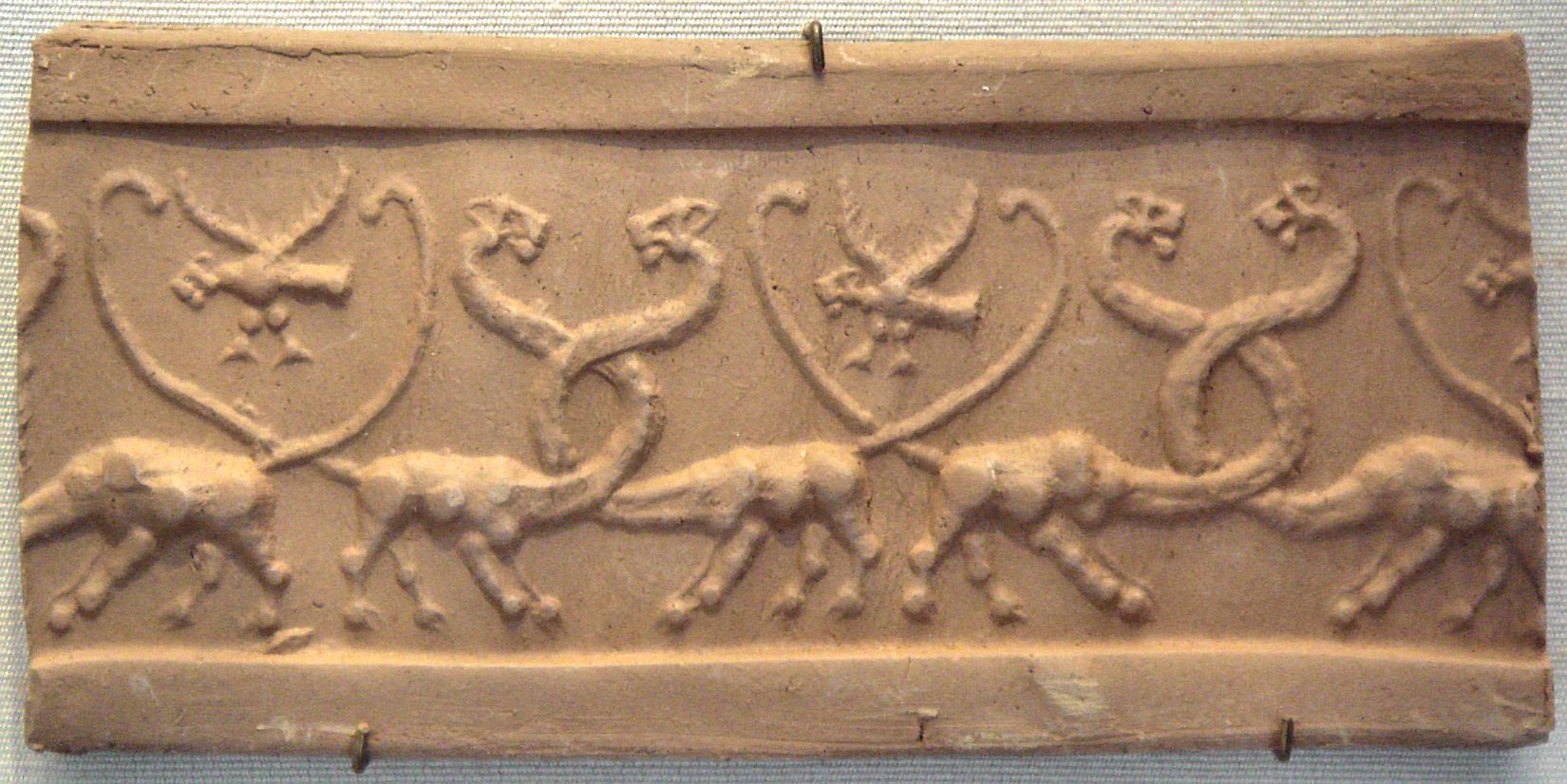
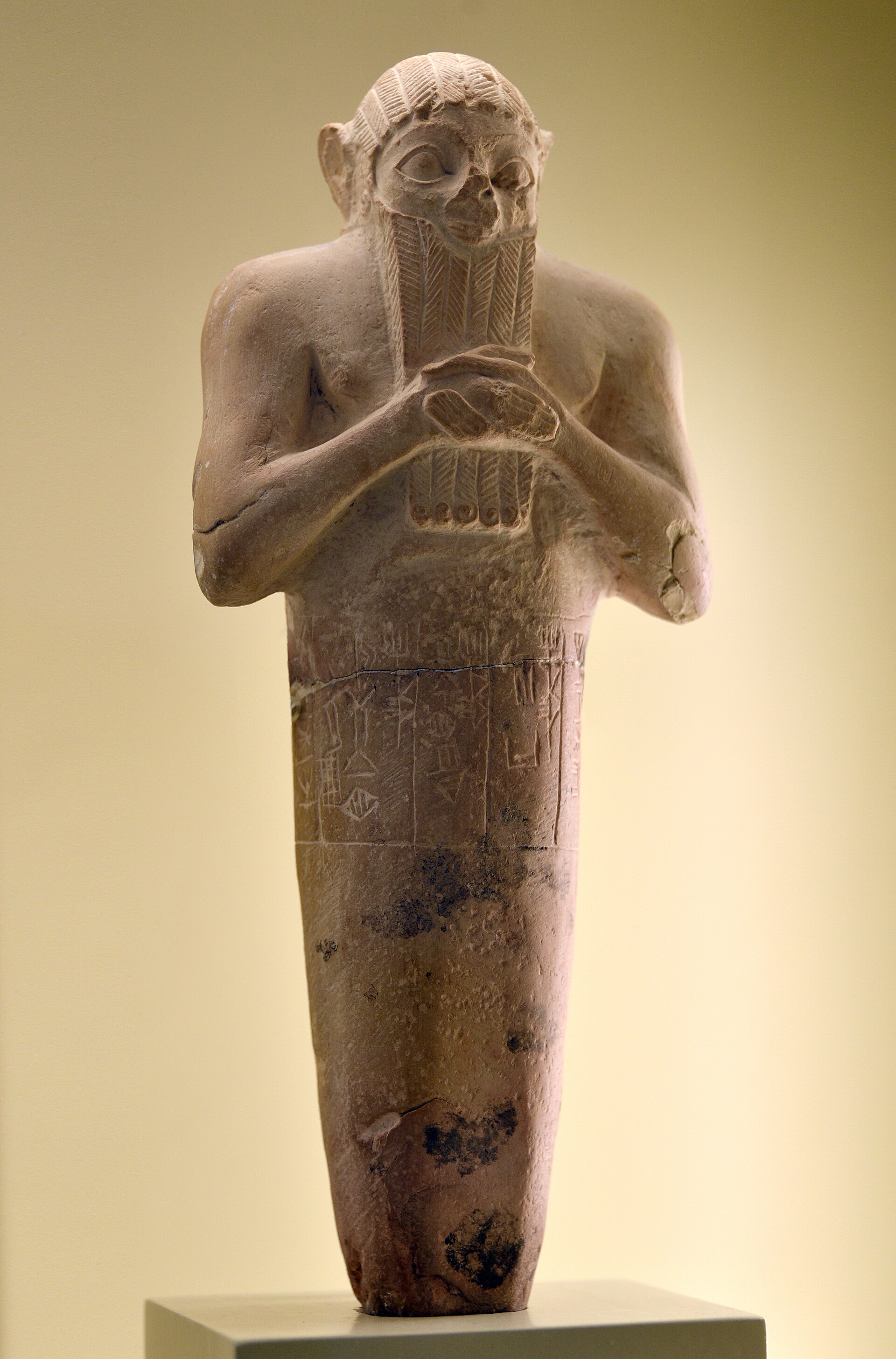
Uruk is the type site for the Uruk period and played a leading role in the early urbanization of Sumer in the mid-4th millennium BC. At its peak around 3100 BC, the city may have had up to 50,000 residents, with 80,000–90,000 people living in its environs, making it the largest urban area in the world at the time. Gilgamesh, according to the chronology presented in the Sumerian King List (SKL), ruled Uruk in the 27th century BC. After the end of the Early Dynastic period, with the rise of the Akkadian Empire, the city lost its prime importance. It had periods of flourishing during the Isin-Larsa period, Neo-Assyrian and Neo-Babylonian periods and throughout the Achaemenid (550–330 BC), Seleucid (312–63 BC) and Parthian (227 BC to AD 224) periods, until it was finally abandoned shortly before or after the Islamic conquest of 633–638. William Kennett Loftus visited the site of Uruk in 1849, identifying it as "Erech", known as "the second city of Nimrod", and led the first excavations from 1850 to 1854.
Text from Wikipedia, licensed CC BY-SA 4.0.