No. 23
Ur
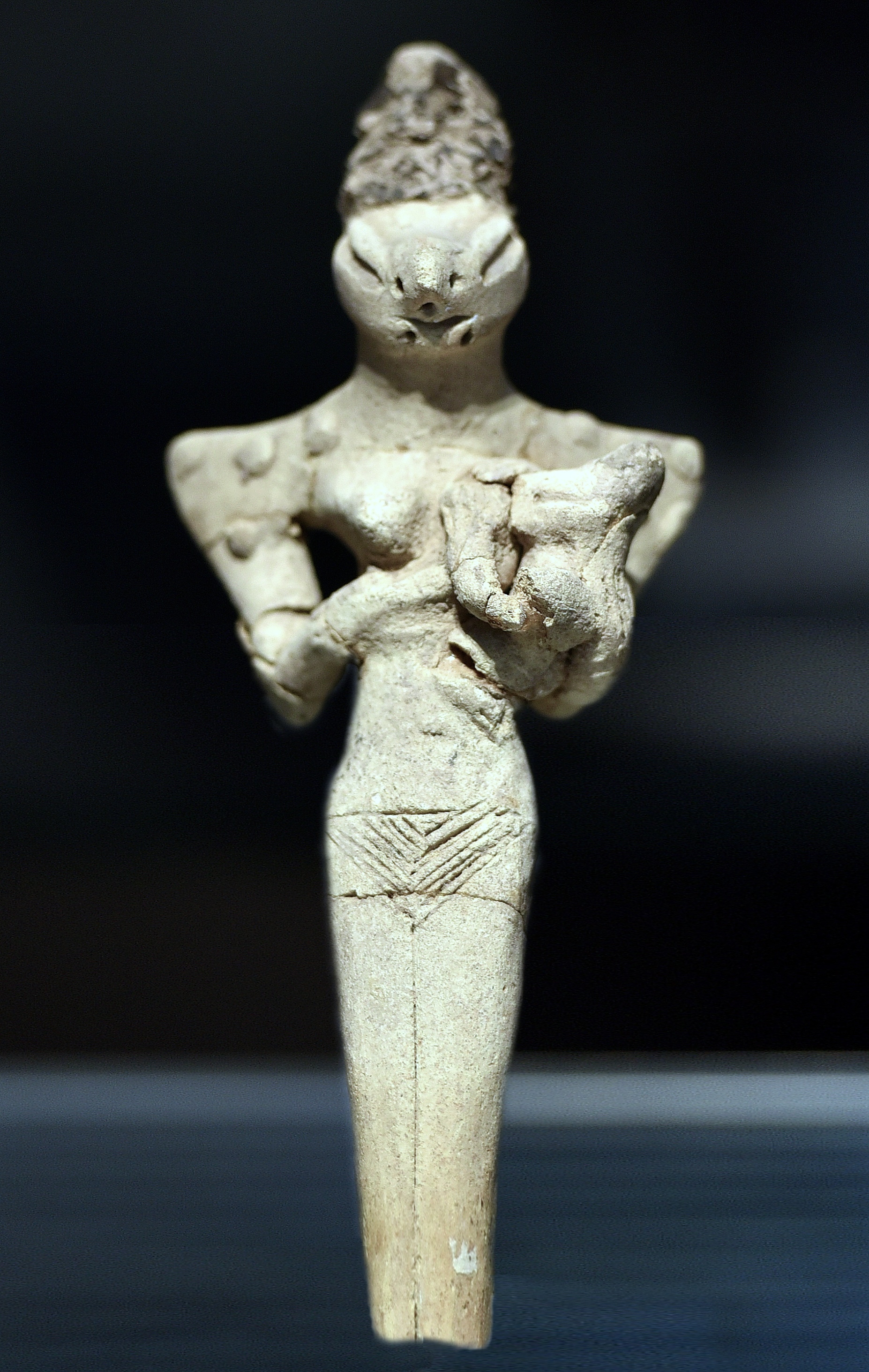

- Where
- Iraq
- Built by
- Sumerians
- Era
- 2100 BCE peak
- Known for
- The Great Ziggurat and the gold-filled royal tombs.
- How it ended
- The river shifted and fields turned salty; abandoned around 500 BCE.

Lyra Kael can take you here on the globe, tell you the story out loud and answer your questions. Start the time jump.
Background
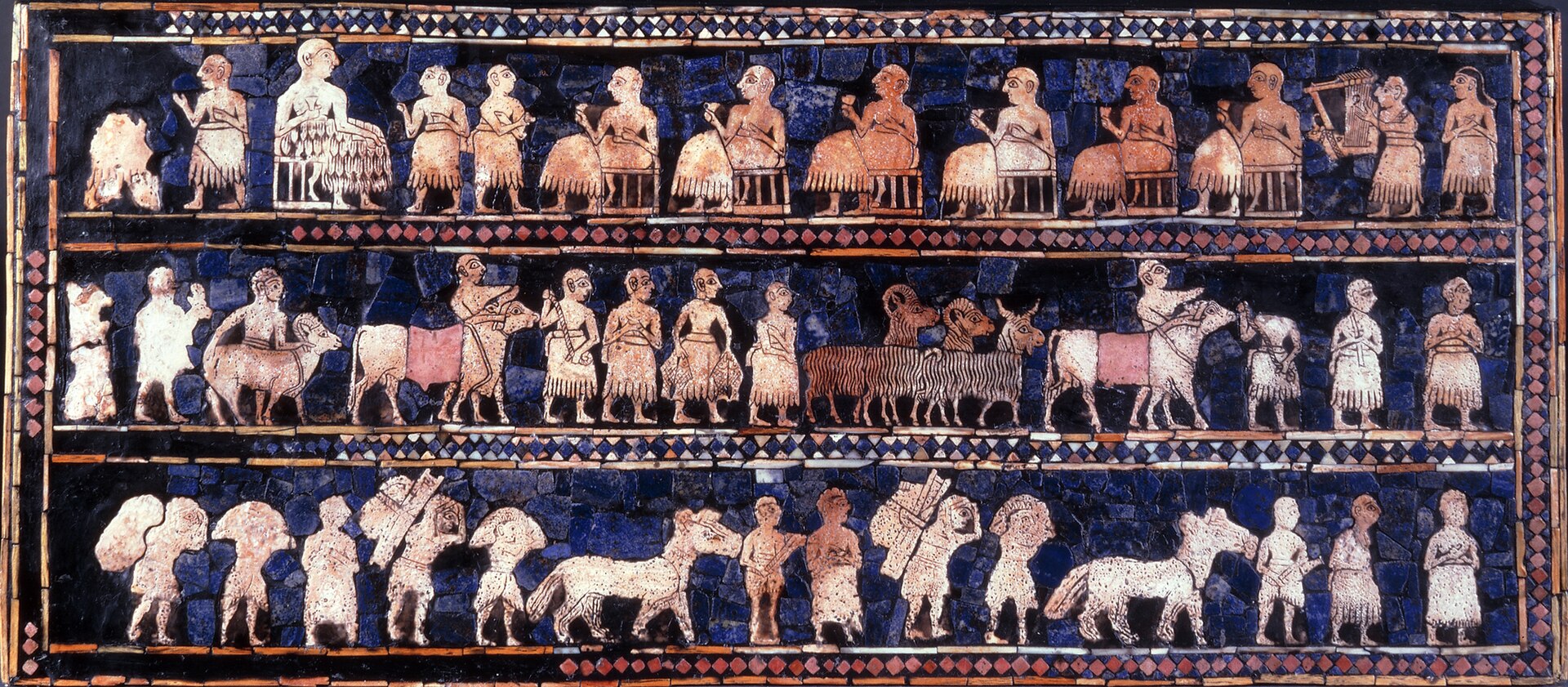
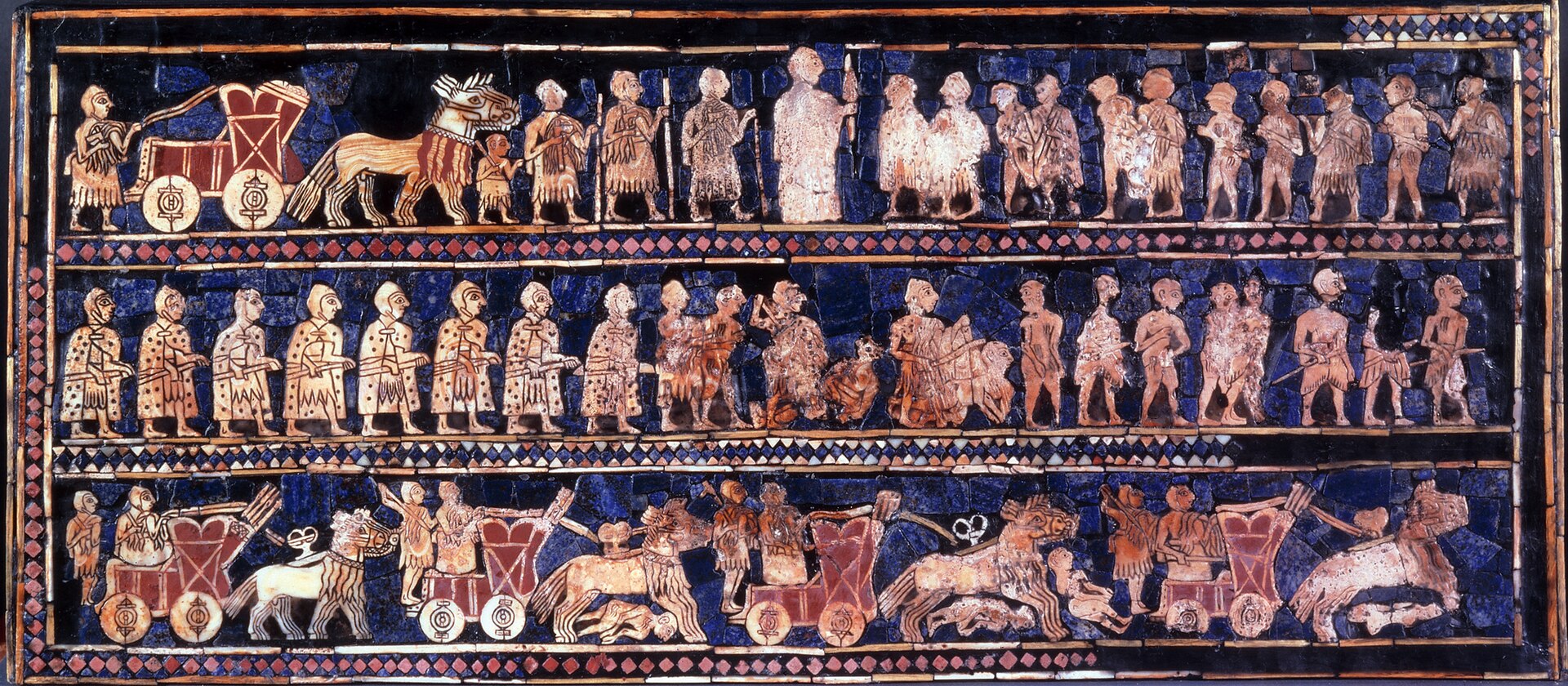
Ur ( or ) was a major Sumerian city-state in ancient Mesopotamia, located at the site of modern Tell el-Muqayyar (Arabic: تَلّ ٱلْمُقَيَّر, lit. 'mound of bitumen') in Dhi Qar Governorate, Iraq. Although Ur was a coastal city near the mouth of the Euphrates on the Persian Gulf, the coastline has shifted and the site is now well inland, on the south bank of the Euphrates, 16 km (10 mi) southwest of the city of Nasiriyah. The city dates from the Ubaid period c. 3800 BC, and is recorded in written history as a city-state from the 26th century BC, its first recorded king being Mesannepada.
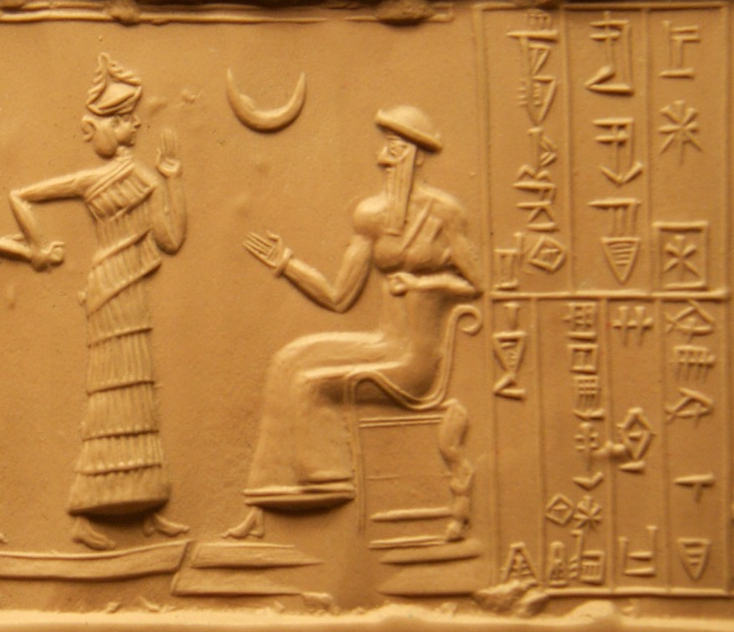
The city's patron deity was the moon god Nanna (Sin in Akkadian), and the name of the city is derived from UNUGKI, literally "the abode (of Nanna)". The site is marked by the partially restored ruins of the Ziggurat of Ur, which contained the shrine of Nanna, excavated in the 1930s. The temple was built in the 21st century BC, during the reign of Ur-Nammu and was reconstructed in the 6th century BC by Nabonidus, the last king of Babylon. In recent years, Ur Tourist City, a modern heritage and tourism district, has been developed adjacent to the site to accommodate tourists and pilgrims.
Text from Wikipedia, licensed CC BY-SA 4.0.