No. 30
Ugarit

- Where
- Syria
- Built by
- Canaanites
- Era
- 1450-1185 BCE
- Known for
- One of the earliest alphabets.
- How it ended
- Destroyed in the Bronze Age collapse, possibly by the Sea Peoples.

Lyra Kael can take you here on the globe, tell you the story out loud and answer your questions. Start the time jump.
Background
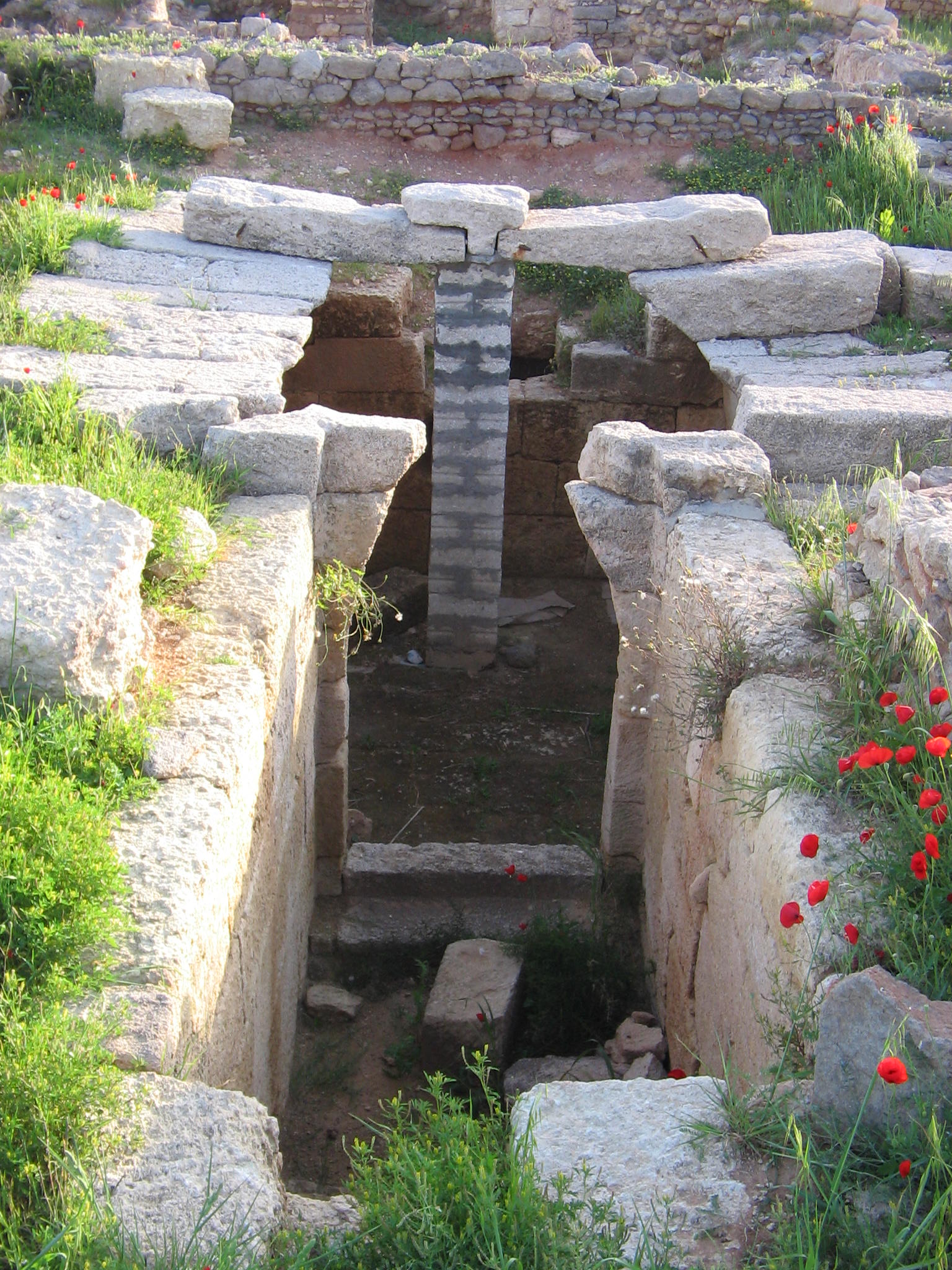
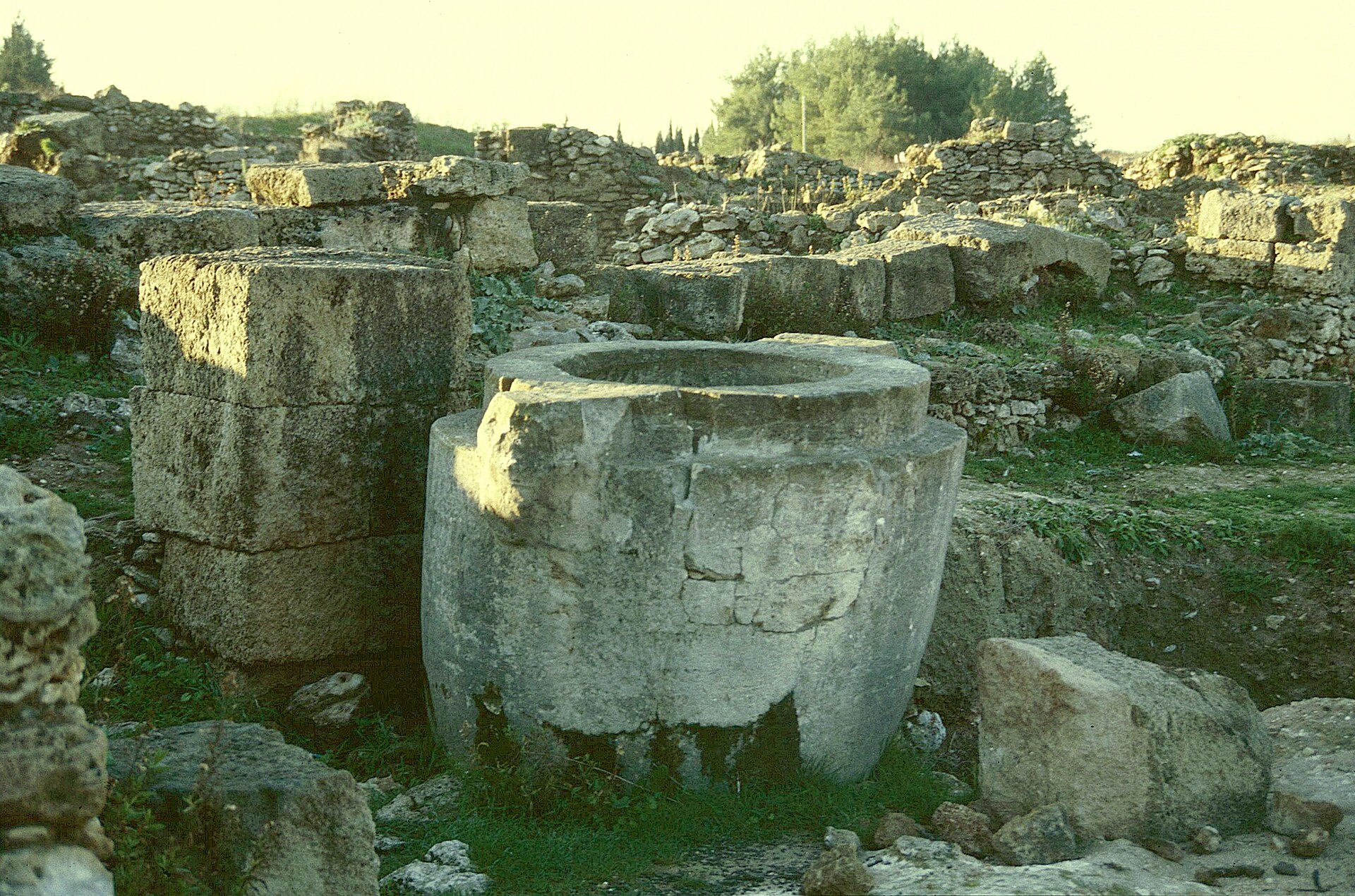
Ugarit (; Ugaritic: 𐎜𐎂𐎗𐎚, ủgrt /ʾUgarītu/) was an ancient Levantine coastal city located in what is today northern Syria, at a site known in Arabic as Ras Shamra or Tell Shamra. Since its discovery in 1928, the site has revealed the oldest known systematic use of an alphabet. Ugaritic texts were written in a previously unknown Northwest Semitic tongue—the Ugaritic language. Archaeological excavations of Ugarit show evidence of occupation since the 8th millennium BC. Research has focused on the late Bronze Age levels; relatively little is known about earlier occupation.
Ugarit is 10 km (6.2 mi) north of the Syrian city Latakia; at its zenith it ruled an area roughly equivalent to the modern Latakia Governorate.
Text from Wikipedia, licensed CC BY-SA 4.0.