No. 121
Thonis-Heracleion

- Where
- Abu Qir Bay, Egypt
- Built by
- Late Period Egyptians
- Era
- 600s BCE-700s CE
- Known for
- Egypt's great port, with temples, colossal statues and more than 60 ships.
- How it went under
- Earthquakes and soft ground sank it into the sea; it was found in 2000.

Lyra Kael can take you here on the globe, tell you the story out loud and answer your questions. Start the time jump.
Background
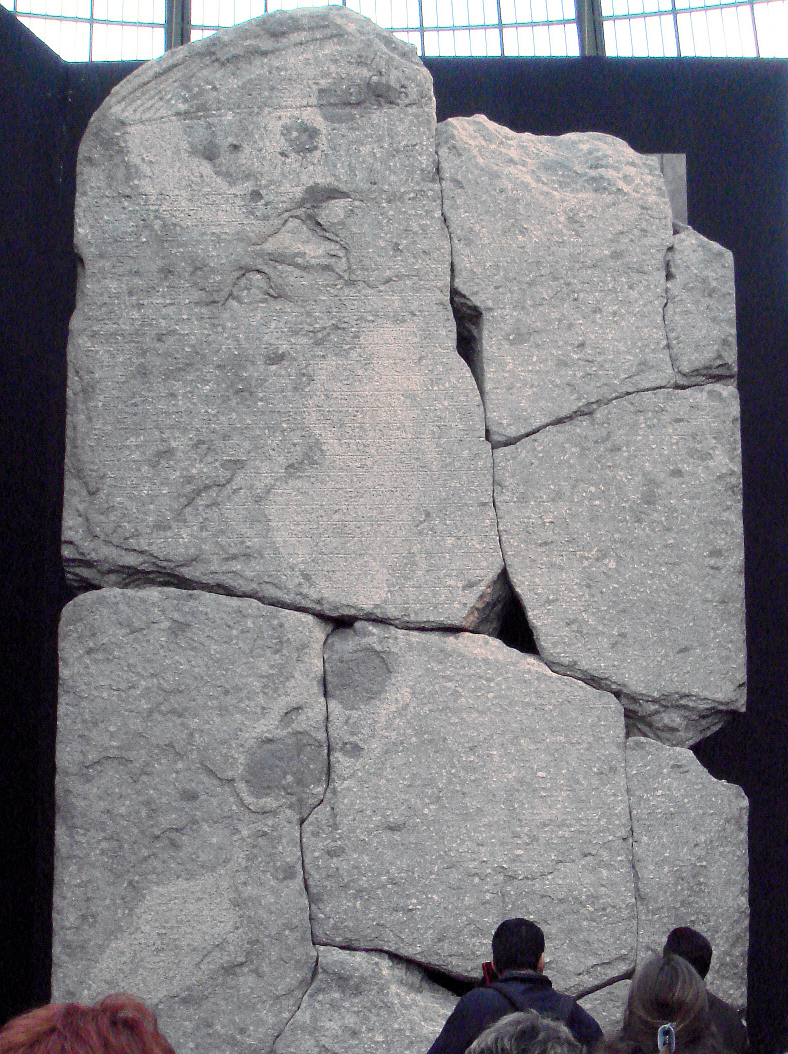
Heracleion (Ancient Greek: Ἡράκλειον Hērákleion), also known as Thonis (Ancient Greek: Θῶνις Thônis; from the Ancient Egyptian: Tȝ-ḥn.t; Coptic: Ⲧϩⲱⲛⲓ Thōni) and sometimes called Thonis-Heracleion, was an ancient Egyptian port city located near the Canopic Mouth of the Nile, about 32 km (20 mi) northeast of Alexandria on the Mediterranean Sea. It became inundated; its remains are located in Abu Qir Bay, which in 2022 was 7 km (4.3 mi) off the coast and approximately 5.8 m (19 ft) underwater, and near Abukir. The sanctuary of Neith of Sais was located in Thonis. A stele found on the site indicates that late in its history the city was known by both its Egyptian and Greek names.
The legendary beginnings of Thonis go back to as early as the 12th century BC, and it is mentioned by ancient Greek historians. Its importance grew particularly during the waning days of the pharaohs.
Text from Wikipedia, licensed CC BY-SA 4.0.