No. 208
Otztal Alps (Tisenjoch)

- Where
- Italy-Austria border
- Built by
- Nature
- Era
- about 3300 BCE
- Known for
- Where Otzi the Iceman lay frozen for 5,300 years.
- How it ended
- Glacier ice preserved him until hikers found him in 1991.

Lyra Kael can take you here on the globe, tell you the story out loud and answer your questions. Start the time jump.
Background
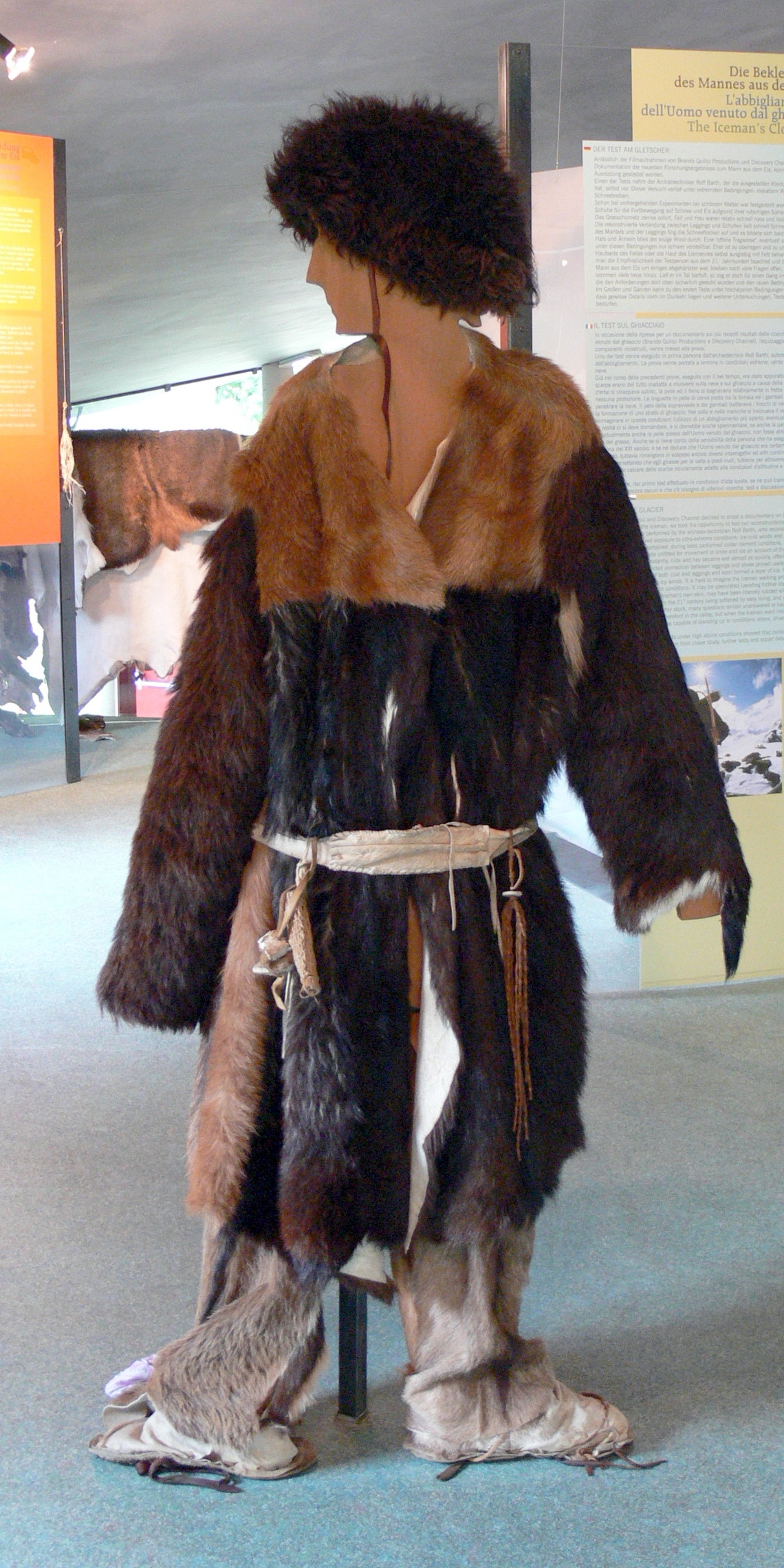
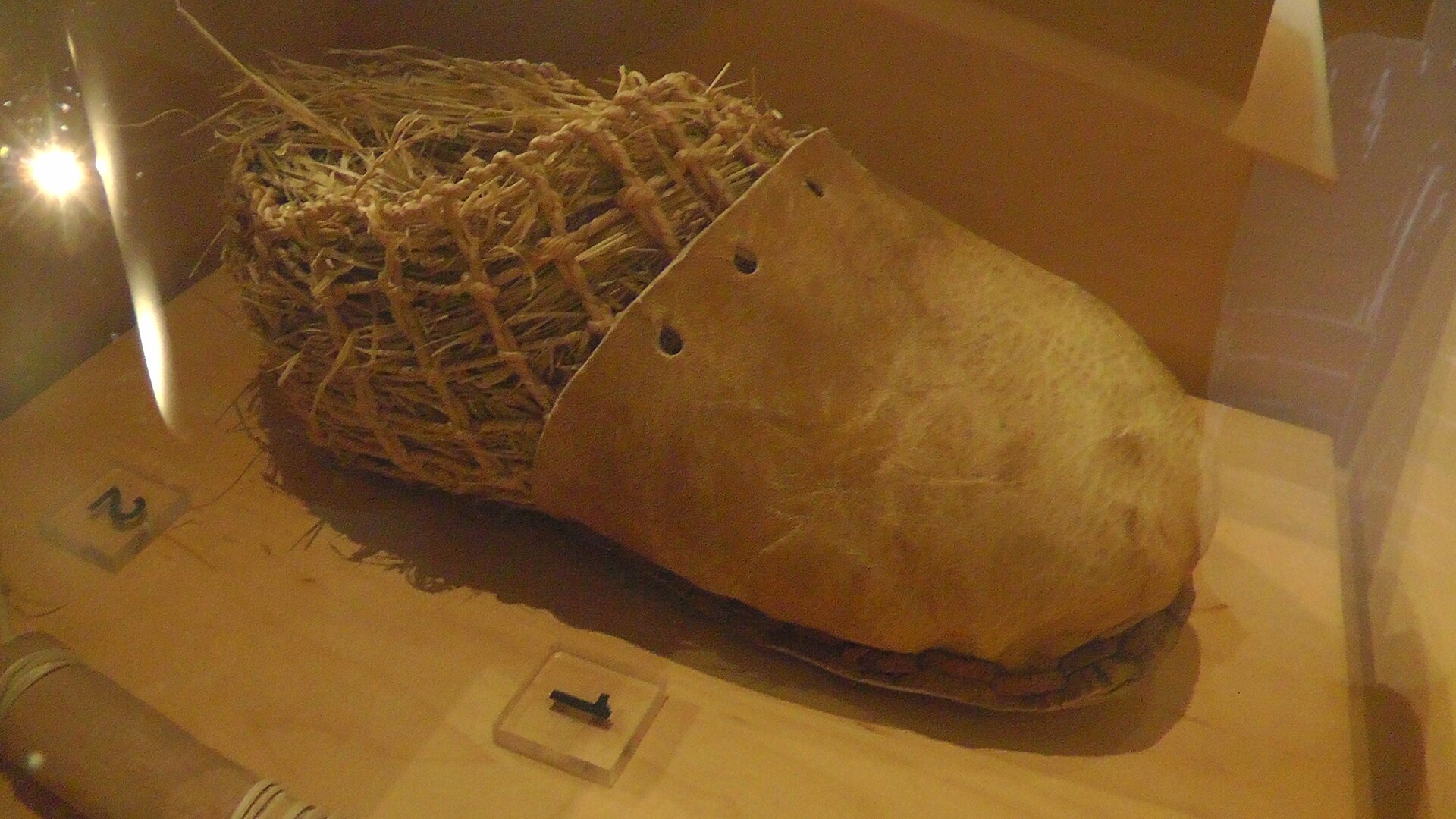
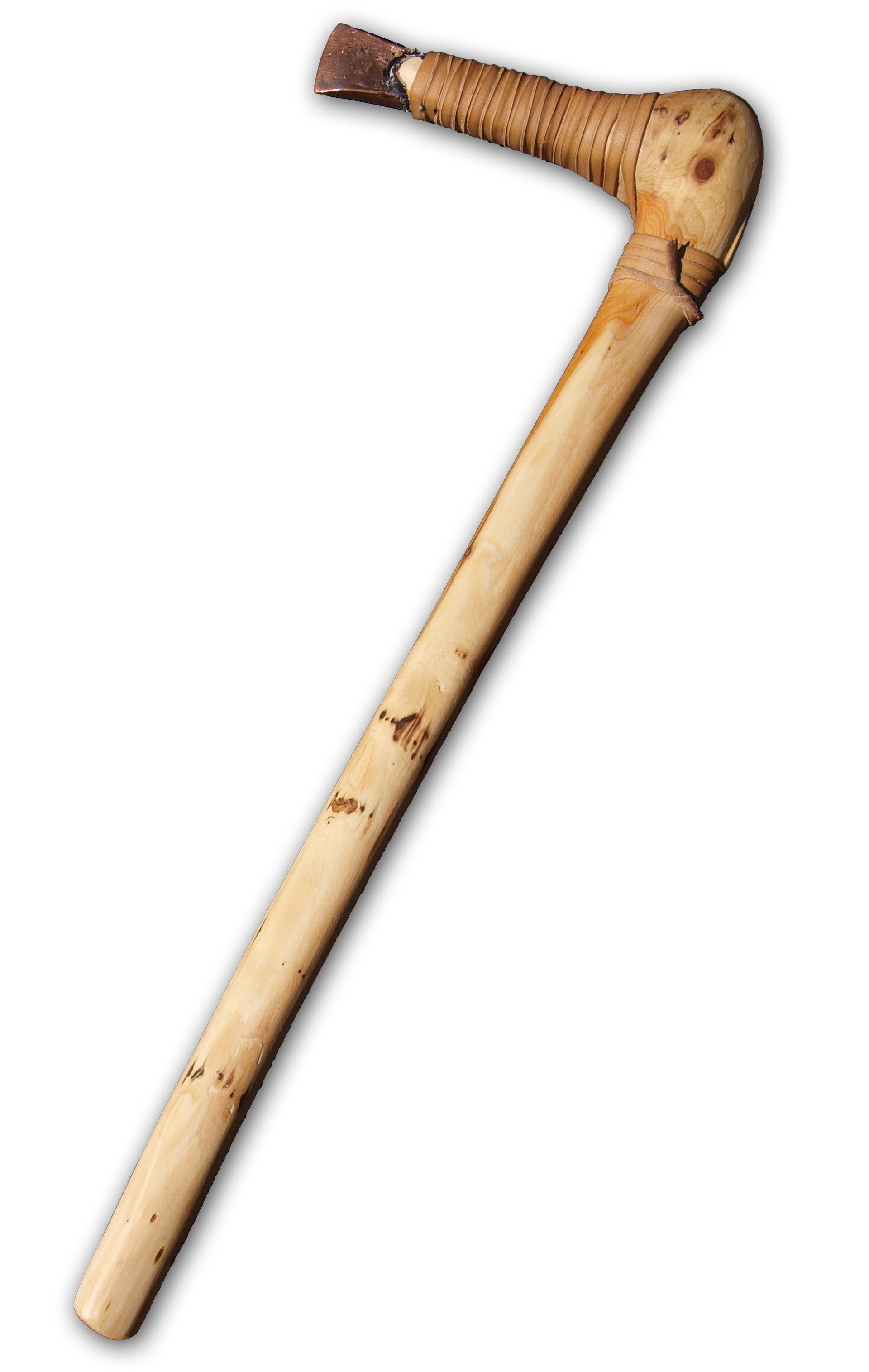
Ötzi (German: [œtsi]; c. 3275 BC – c. 3230 BC), also called The Iceman, Similaun man, or Tyrolean Iceman, is the natural mummy of a man who lived during the 4th millennium BC. Ötzi's remains were discovered on 19 September 1991 in the Ötztal Alps (hence the nickname "Ötzi") at the Austria–Italy border. He is Europe's oldest known natural human mummy, showing an unprecedented view of Chalcolithic (Copper Age) Europeans.
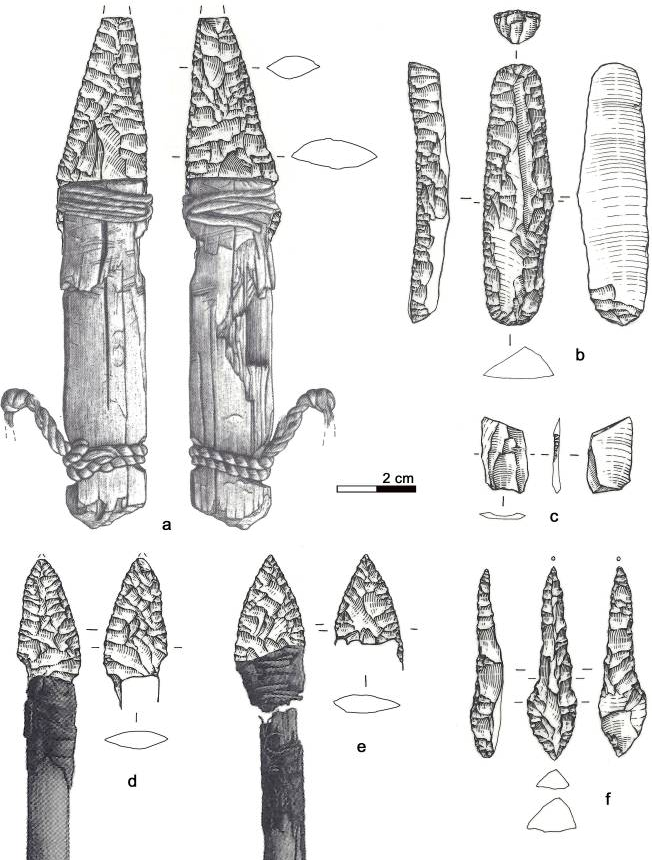
Because of the presence of an arrowhead embedded in his left shoulder and various other wounds, researchers believe that Ötzi was killed by another person. The nature of his life and the circumstances of his death are the subject of much investigation and speculation. His remains and personal belongings are on exhibit at the South Tyrol Museum of Archaeology in Bolzano, South Tyrol, Italy.
Text from Wikipedia, licensed CC BY-SA 4.0.