No. 49
Ostia Antica

- Where
- Italy
- Built by
- Romans
- Era
- 300s BCE-800s CE
- Known for
- Rome's port, with apartment blocks and bars.
- How it ended
- The harbor silted and malaria drove people out.

Lyra Kael can take you here on the globe, tell you the story out loud and answer your questions. Start the time jump.
Background
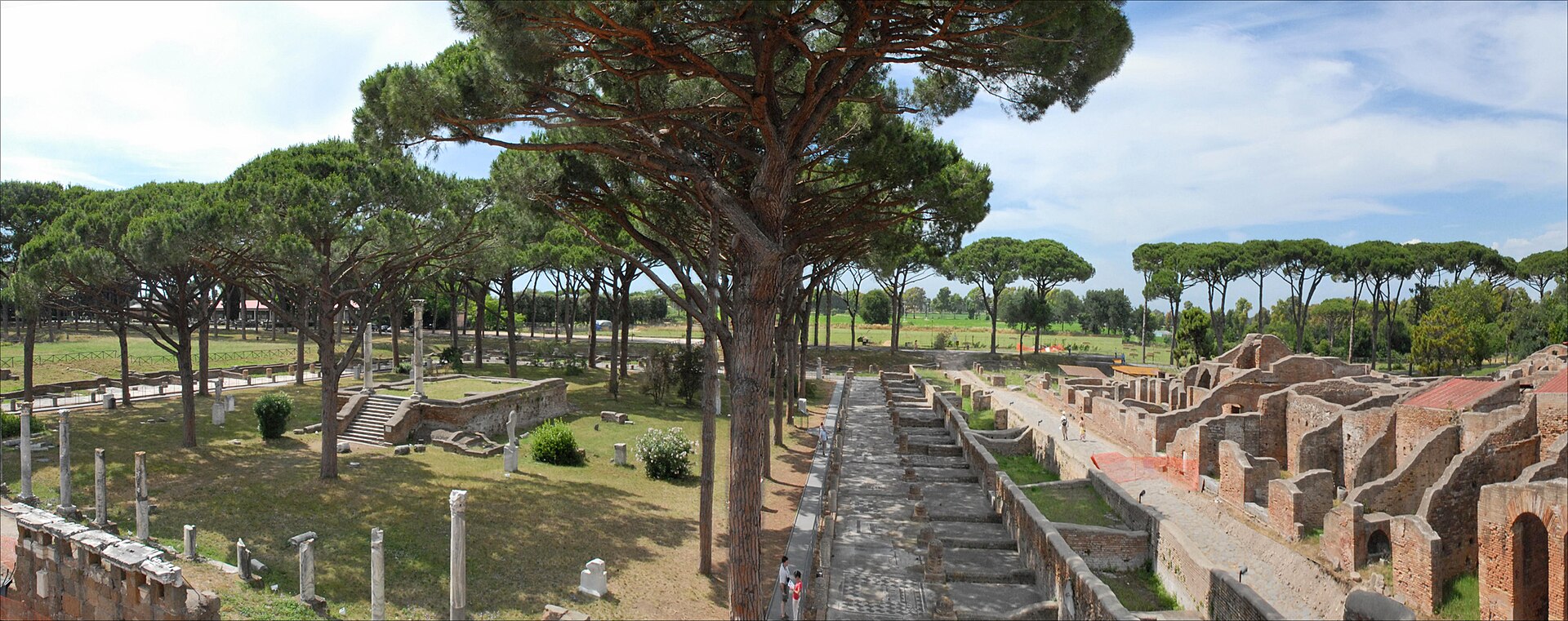
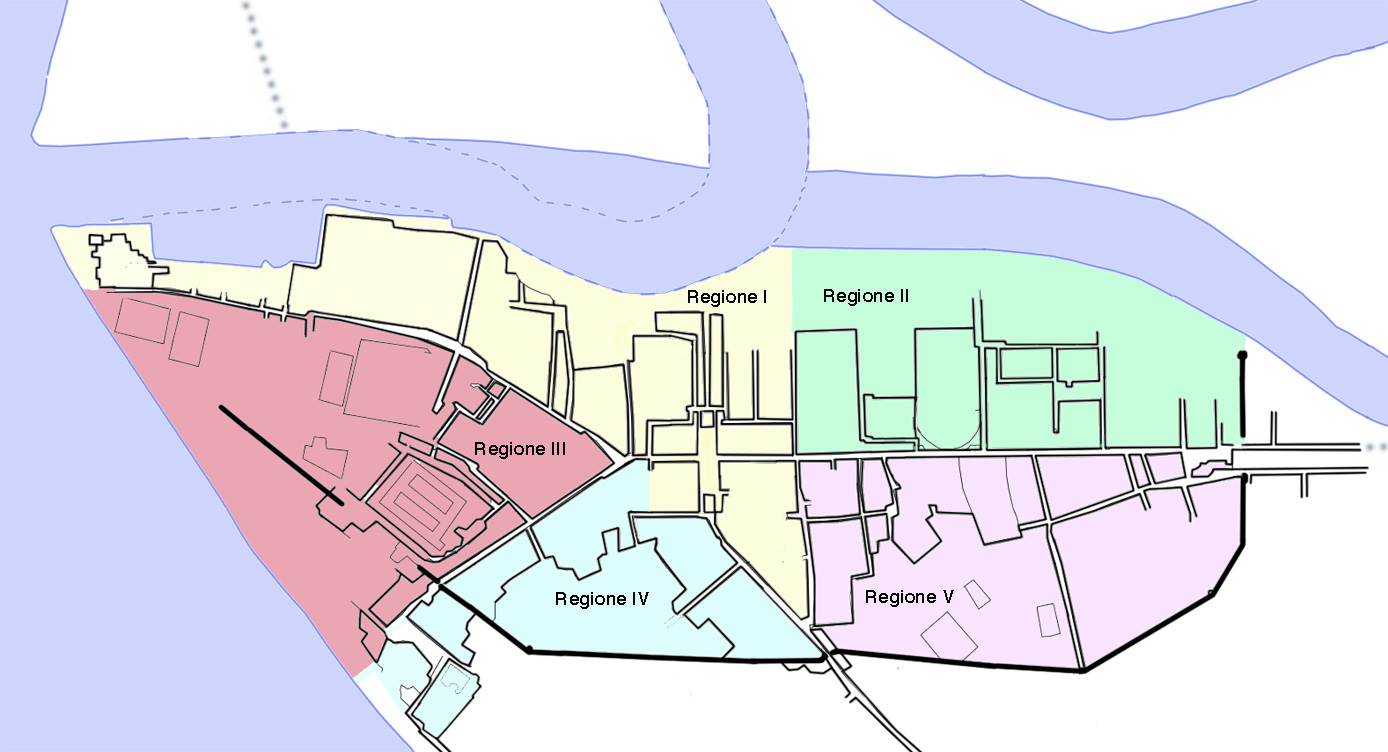
Ostia Antica (lit. 'Ancient Ostia') is the modern name given to the ancient Roman city of Ostia. It became the port city of Rome located at the mouth of the Tiber and is near modern Ostia, 25 km (16 mi) southwest of Rome. Due to silting of the coastline from the river, the site now lies 3 km (2 mi) from the sea. The name Ostia (the plural of ostium) derives from Latin os 'mouth'.
The city continued to be prosperous into late antiquity despite harbour deterioration. After its abandonment, sand dunes covered the site and aided the city's preservation, which is surpassed only by Pompeii and Herculaneum.
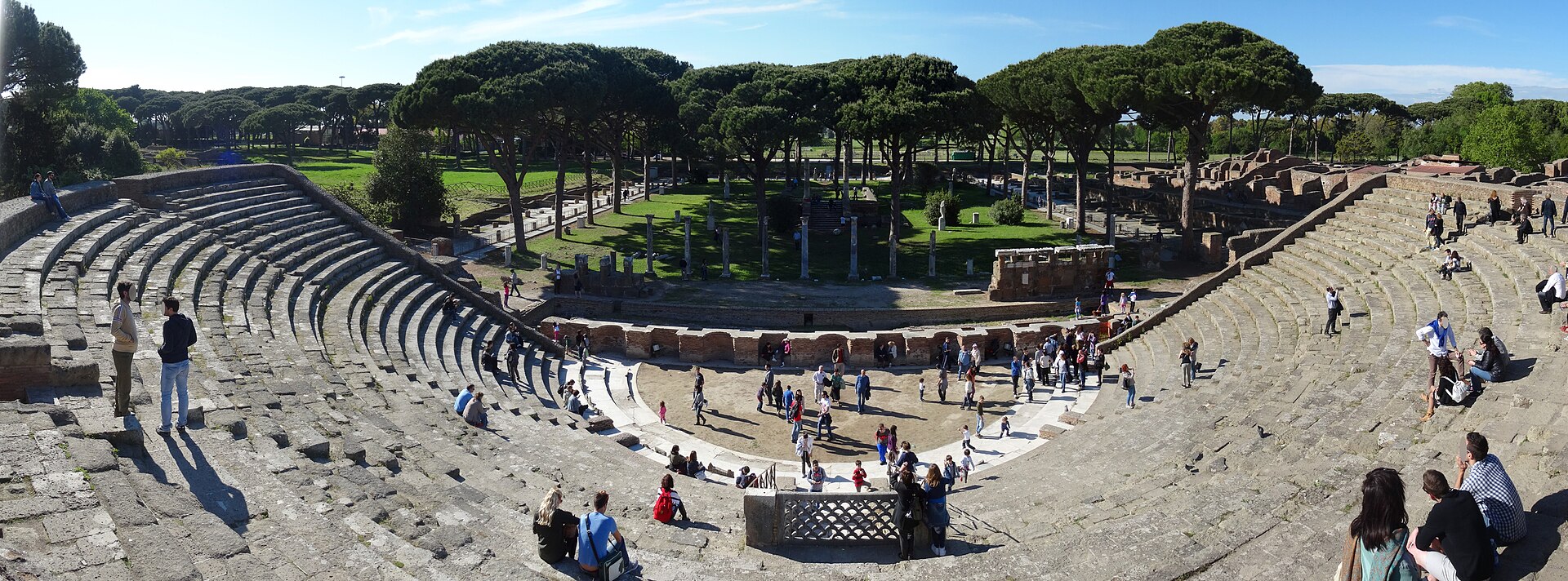
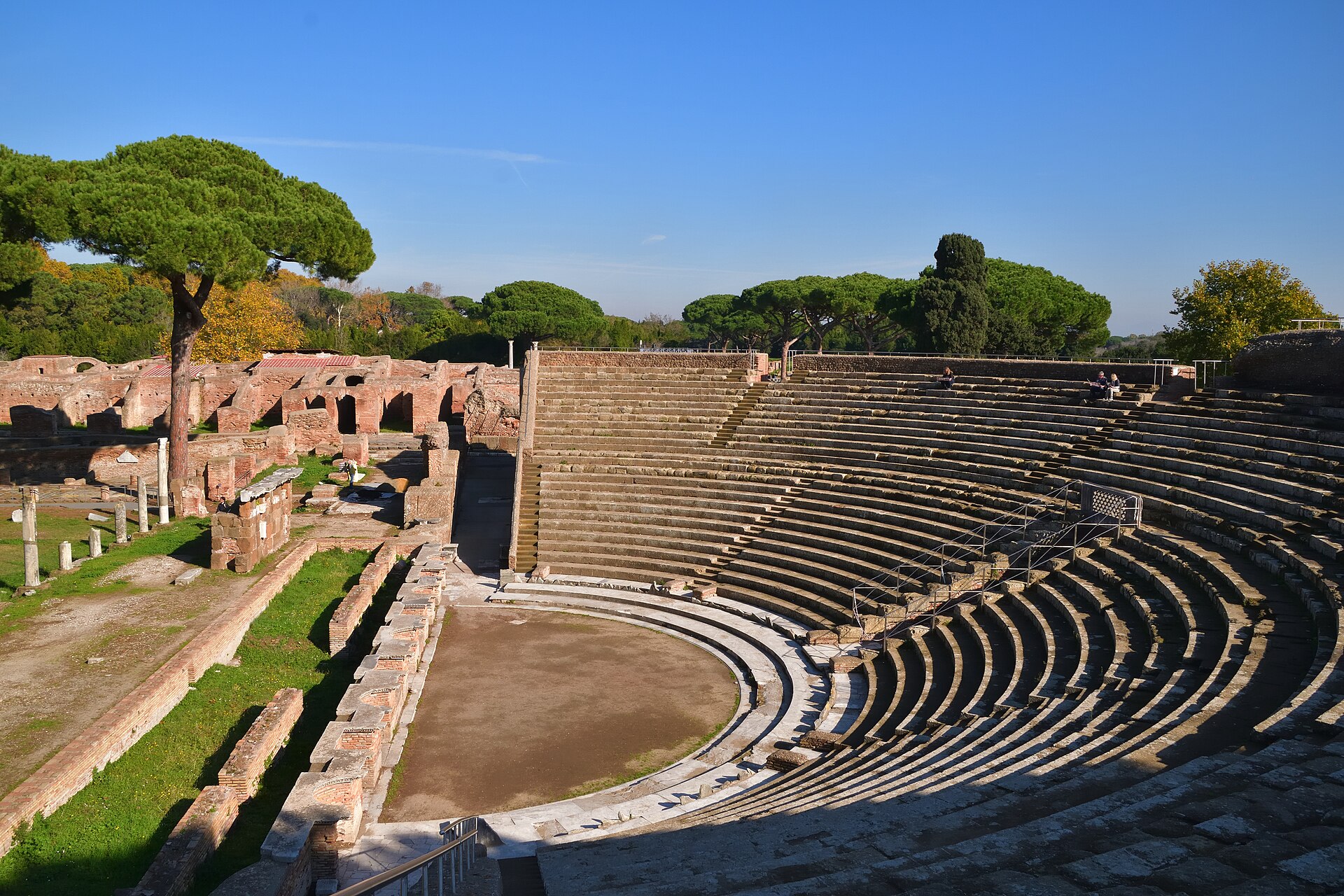
Ostia Antica is now a large archaeological site noted for the excellent preservation of its ancient buildings, magnificent frescoes and impressive mosaics. As in Pompeii, Ostia's remains provide details about Roman urbanism that are not accessible within the city of Rome itself.
Text from Wikipedia, licensed CC BY-SA 4.0.