No. 44
Olympia

- Where
- Greece
- Built by
- Ancient Greeks
- Era
- 776 BCE-393 CE
- Known for
- The original Olympic Games and the giant statue of Zeus, one of the Seven Wonders.
- How it ended
- The games were banned in 393 CE; earthquakes and floods buried the site.

Lyra Kael can take you here on the globe, tell you the story out loud and answer your questions. Start the time jump.
Background
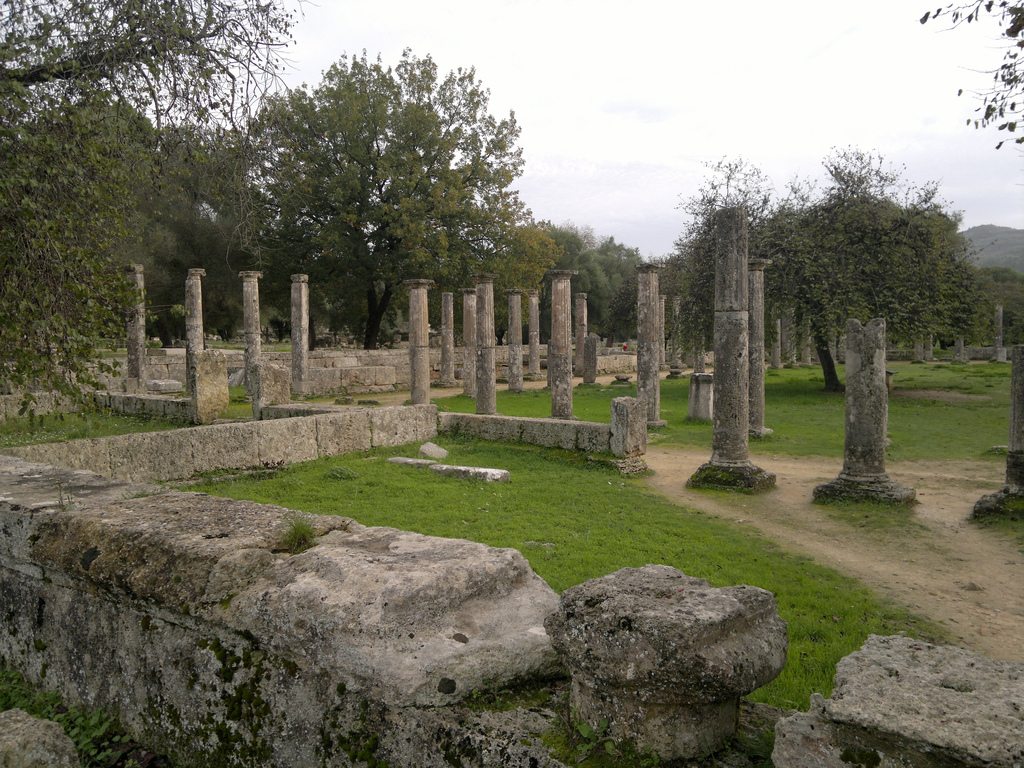
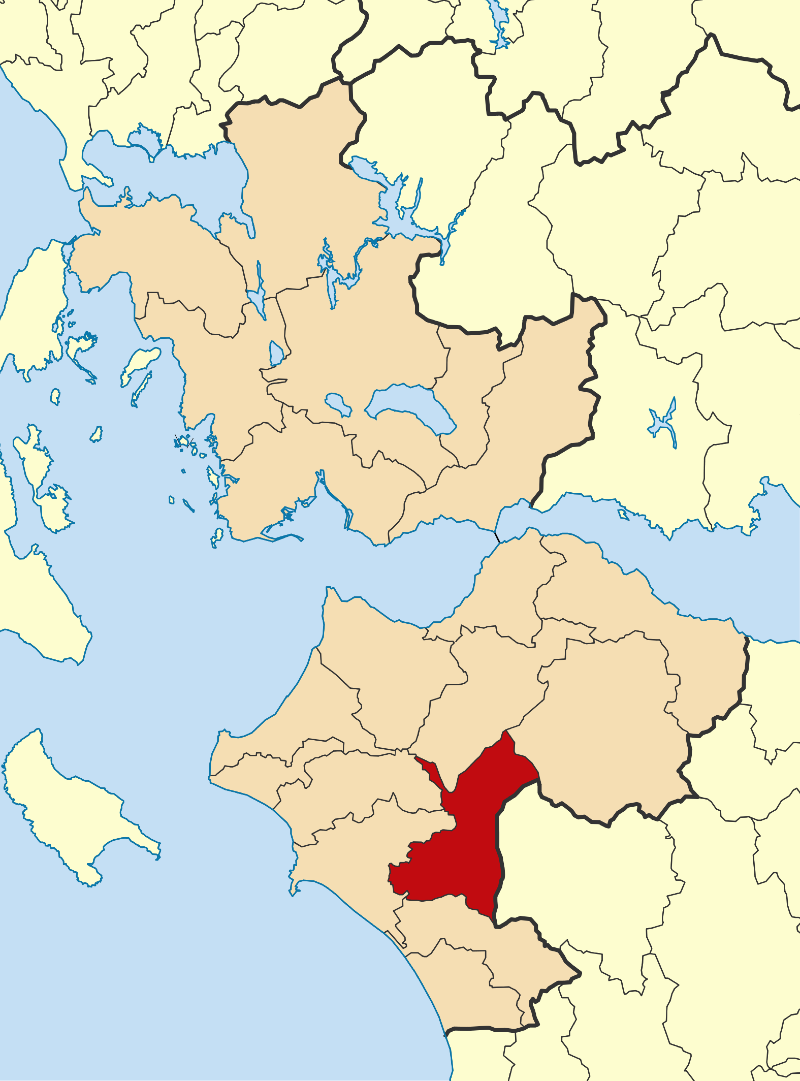
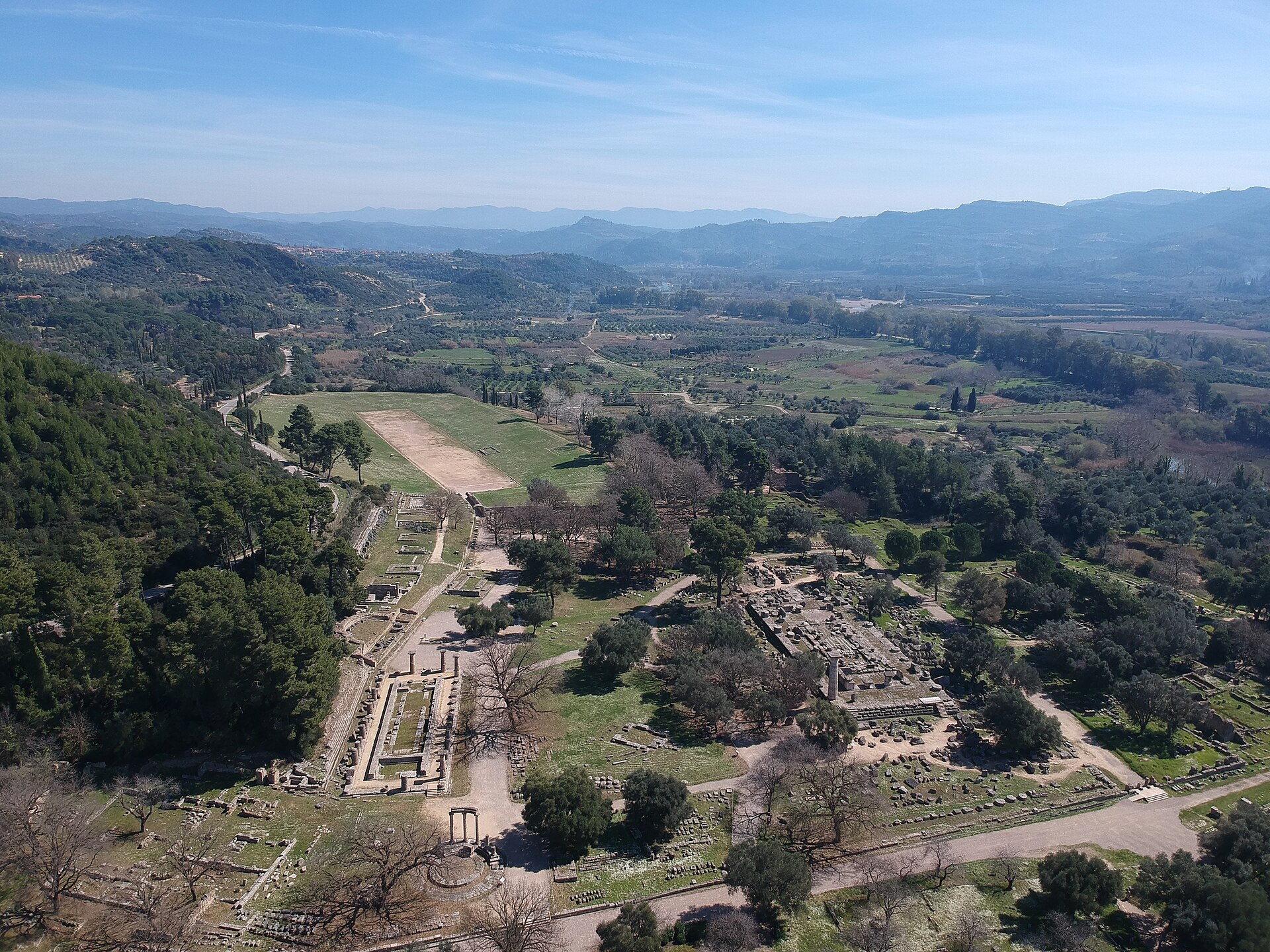
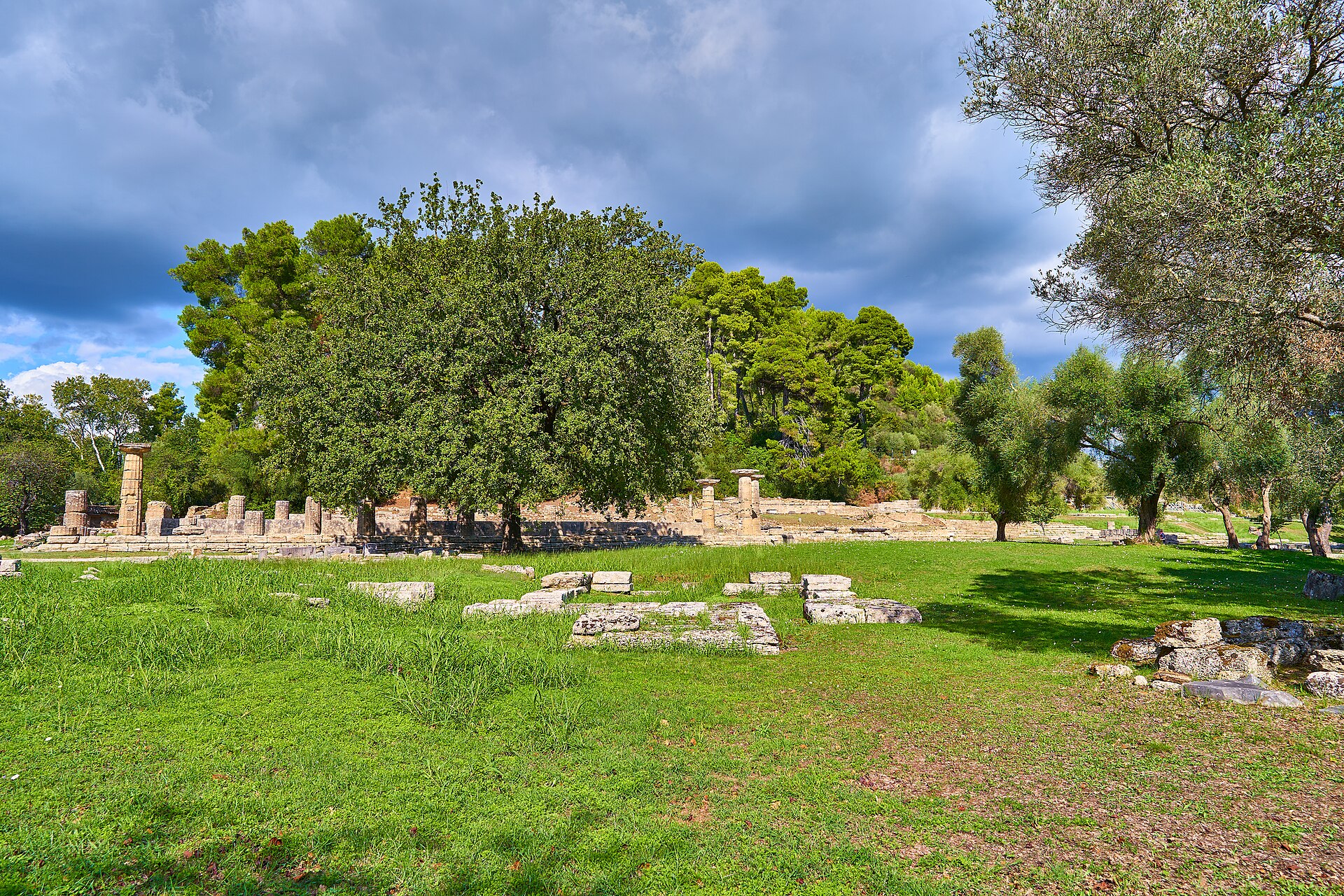
Olympia (Modern Greek: Ολυμπία [oli(m)ˈbi.a]; Ancient Greek: Ὀλυμπία [olympí.aː]), officially Archaia Olympia (Greek: Αρχαία Ολυμπία lit. 'Ancient Olympia'), is a small town in Elis on the Peloponnese peninsula in Greece, famous for the nearby archaeological site of the same name. The site was a major Panhellenic religious sanctuary of ancient Greece, where the ancient Olympic Games were held every four years throughout classical antiquity, from the 8th century BC to the 4th century AD. They were restored on a global basis in 1894 in honor of the ideal of peaceful international contention for excellence.
The sacred precinct, named the Altis, was primarily dedicated to Zeus, although other gods were worshipped there. The games conducted in his name drew visitors from all over the Greek world as one of a group of such "Panhellenic" centres, which helped to build the identity of the ancient Greeks as a nation. Despite the name, it is nowhere near Mount Olympus in northern Greece, where the twelve Olympians, the major deities of ancient Greek religion, were believed to live.
Ancient history records that Pisa and Elis, other villages in the region, contended with Olympia for management of the precinct, and that Olympia won, implying that the village was not identical to the precinct. The putative location of the ancient village is the modern village, which appears to have been inhabited continuously since ancient times.
The archaeological site held over 760 significant buildings, and ruins of many of these survive.
Of special interest to Greeks is the Pelopion, tomb of the quasi-mythical king Pelops, who gives his name to the Peloponnese and was ancestor of Agamemnon and Menelaus, the Greek kings of the Trojan War. The tomb suggests that he may not have been entirely mythical.
Another location that has a special interest to both ancients and moderns is the stadium. It is basically a field with start and end lines marked off by transverse curbing. The athletes entered under an archway of a vaulted corridor at the start. Spectators sat mainly on the field's sloping flanks. The length of this field became the standard stadion, an ancient Greek unit of distance, which appears in all the geographers. The stadium has been resurrected for Olympic use with no intentional alteration of the ancient topography. Temporary stands are easily erected and dismantled.
The first m
Text from Wikipedia, licensed CC BY-SA 4.0.