No. 71
Mohenjo-daro

- Where
- Pakistan
- Built by
- Indus Valley civilization
- Era
- 2500-1900 BCE
- Known for
- Grid streets, covered drains and the Great Bath.
- How it ended
- Monsoons weakened and rivers shifted; its script is still unread.

Lyra Kael can take you here on the globe, tell you the story out loud and answer your questions. Start the time jump.
Background
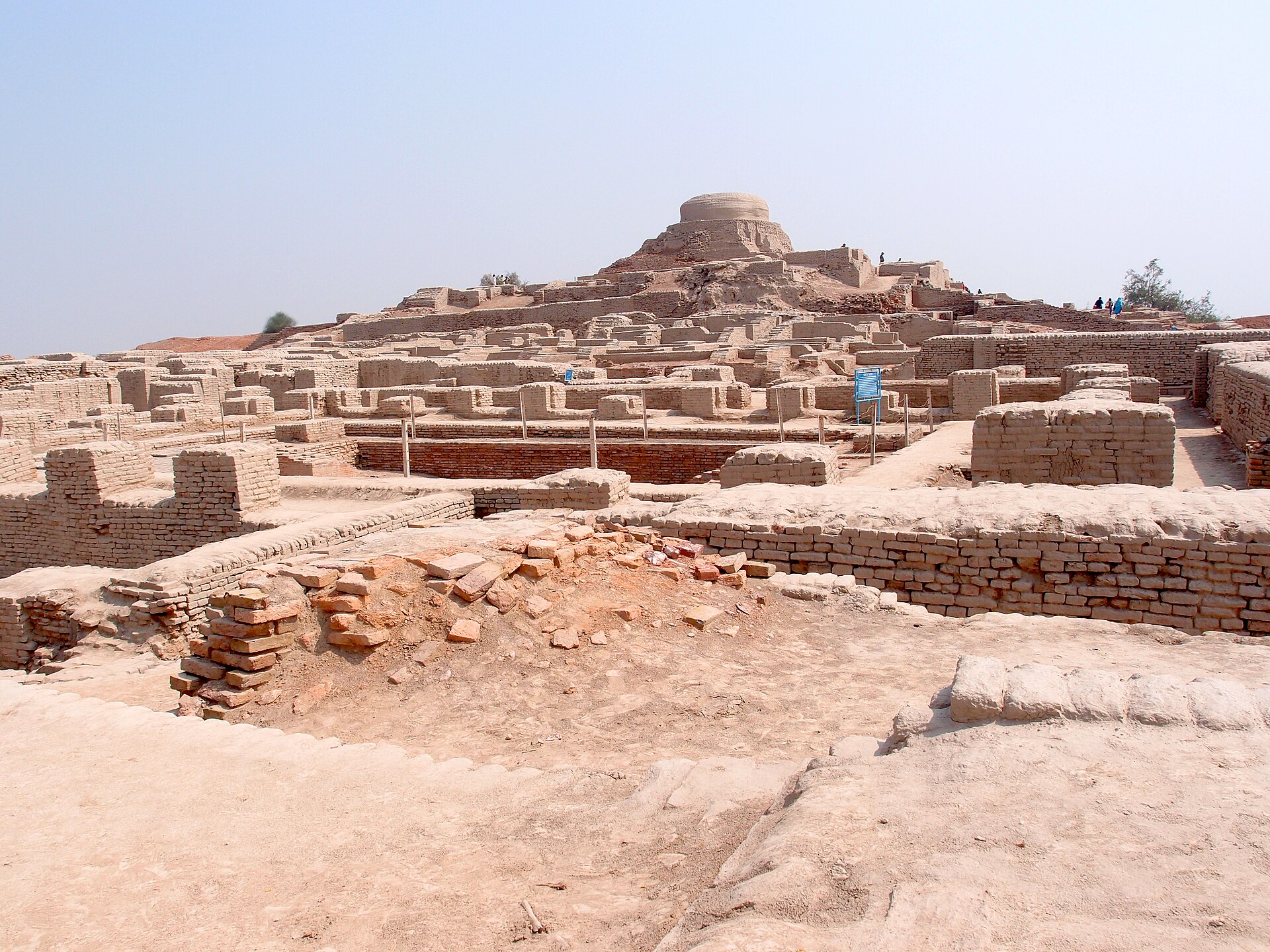
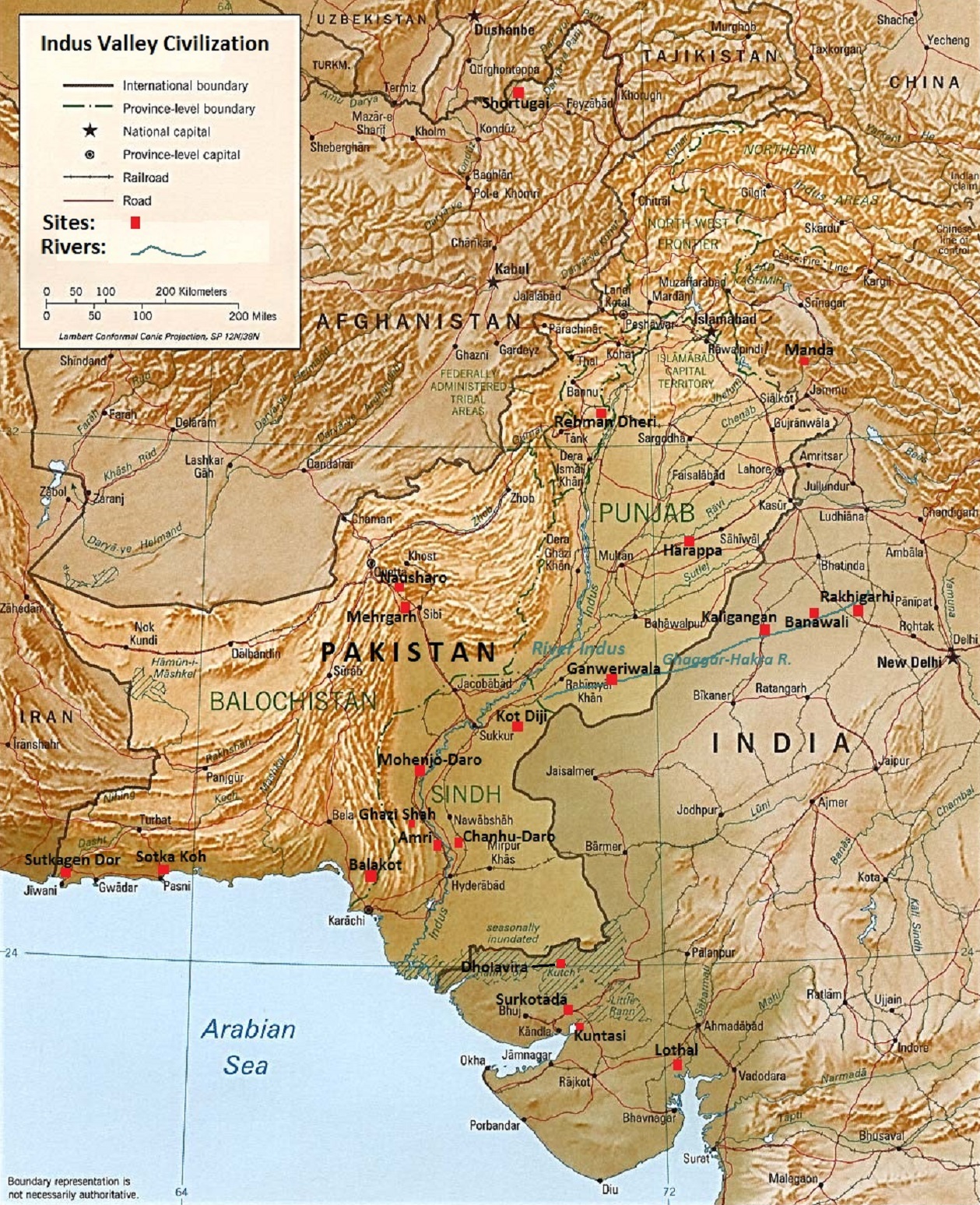
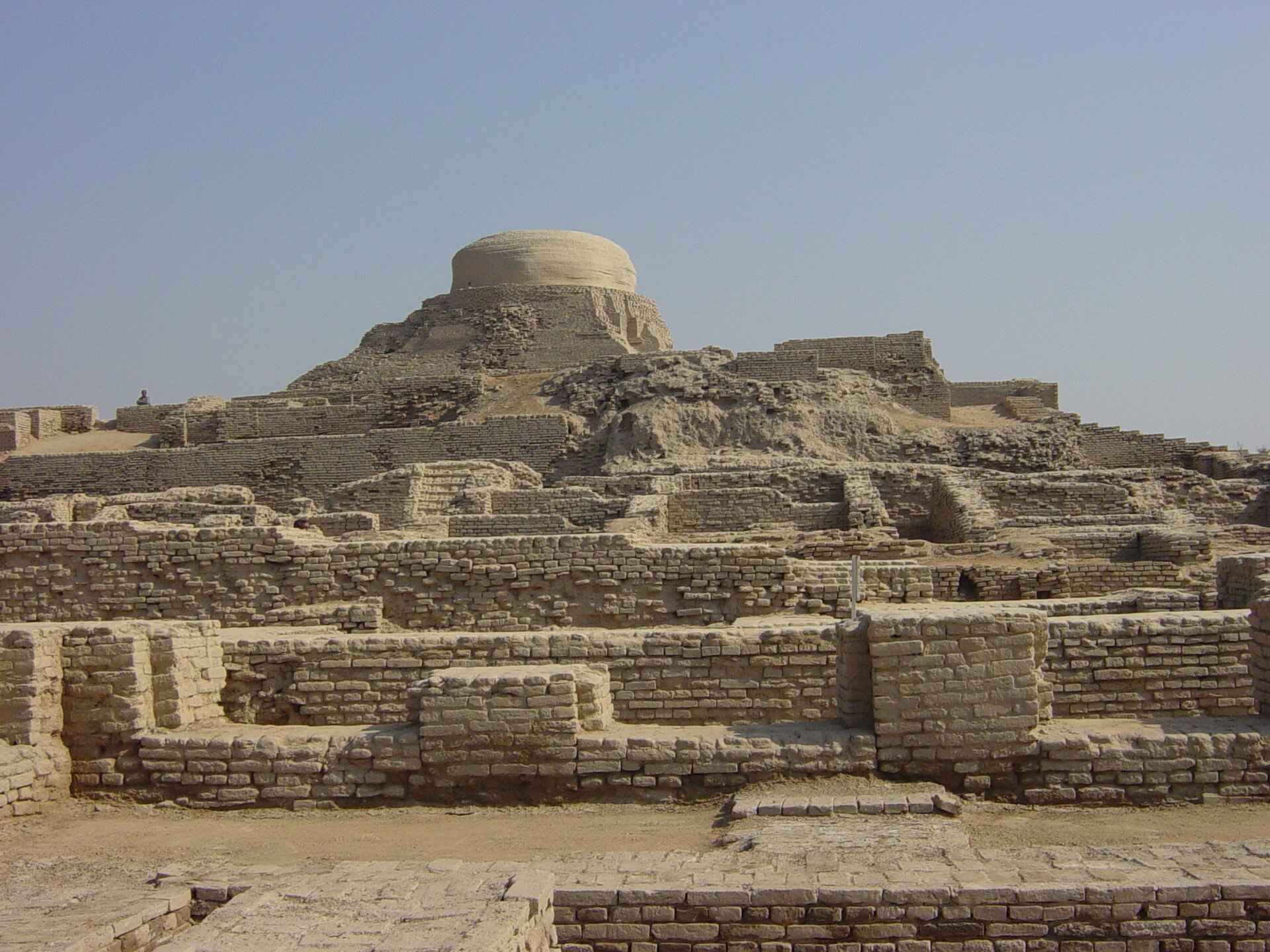
Mohenjo-daro (; Sindhi: موهن جو دڙو, lit. 'Mound of the Dead Men'; Urdu: موئن جو دڑو [muˑənⁱ dʑoˑ d̪əɽoˑ]) is an archaeological site in the Larkana District of Sindh, Pakistan. Built c. 2500 BCE, it was one of the largest settlements of the ancient Indus Valley Civilisation, and one of the world's earliest major cities, contemporaneous with the civilisations of ancient Egypt, Mesopotamia, Minoa, and Norte Chico.
With an estimated population of at least 40,000 people, Mohenjo-daro prospered for several centuries, but by c. 1700 BCE had been abandoned, along with other large cities of the Indus Valley Civilisation.
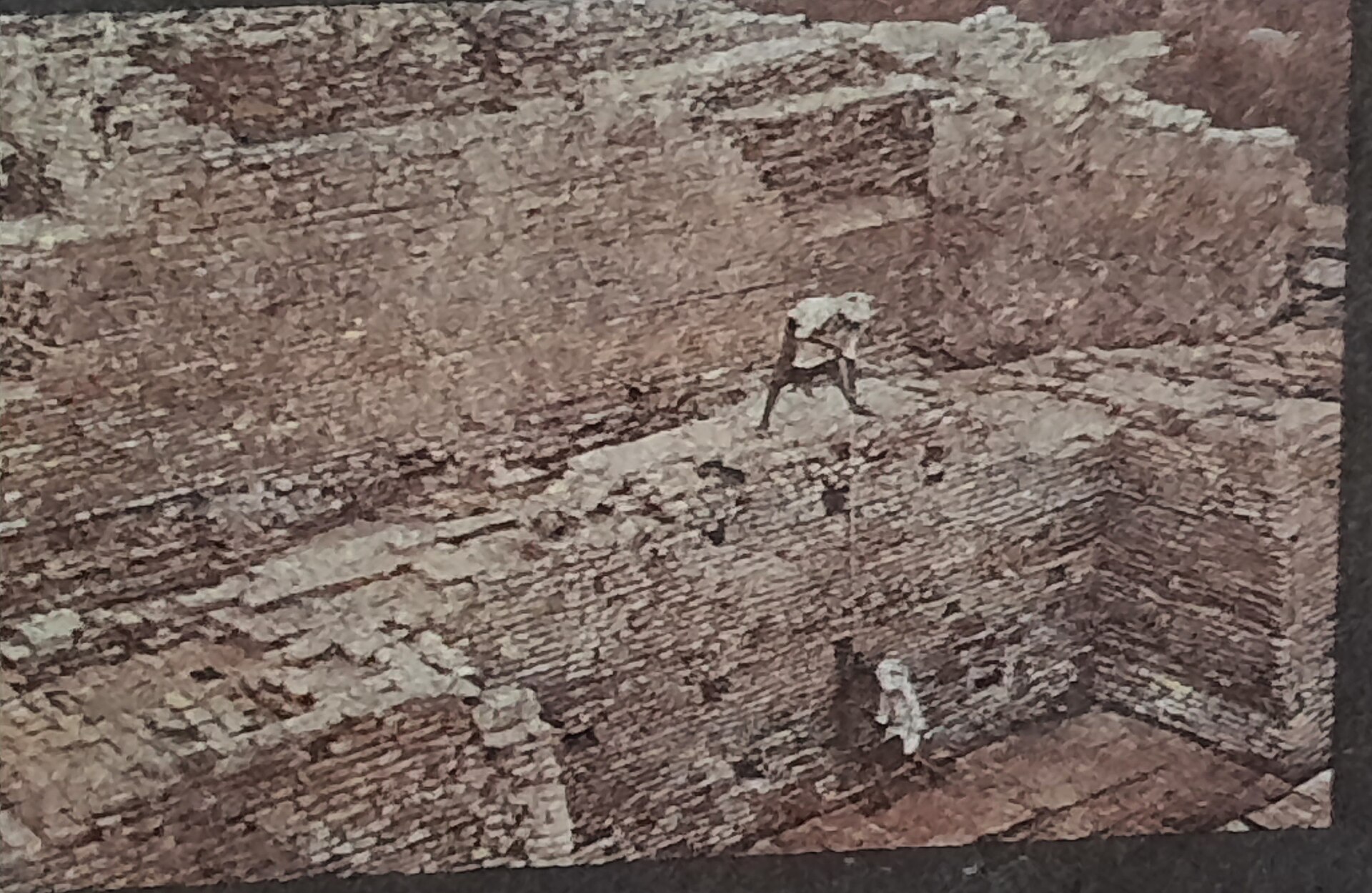
The site was rediscovered in the 1920s. Significant excavation has since been conducted at the site of the city, which was designated a UNESCO World Heritage Site in 1980, the first site in South Asia to be so designated. The site is currently threatened by erosion and improper restoration.
Text from Wikipedia, licensed CC BY-SA 4.0.