No. 81
Merv
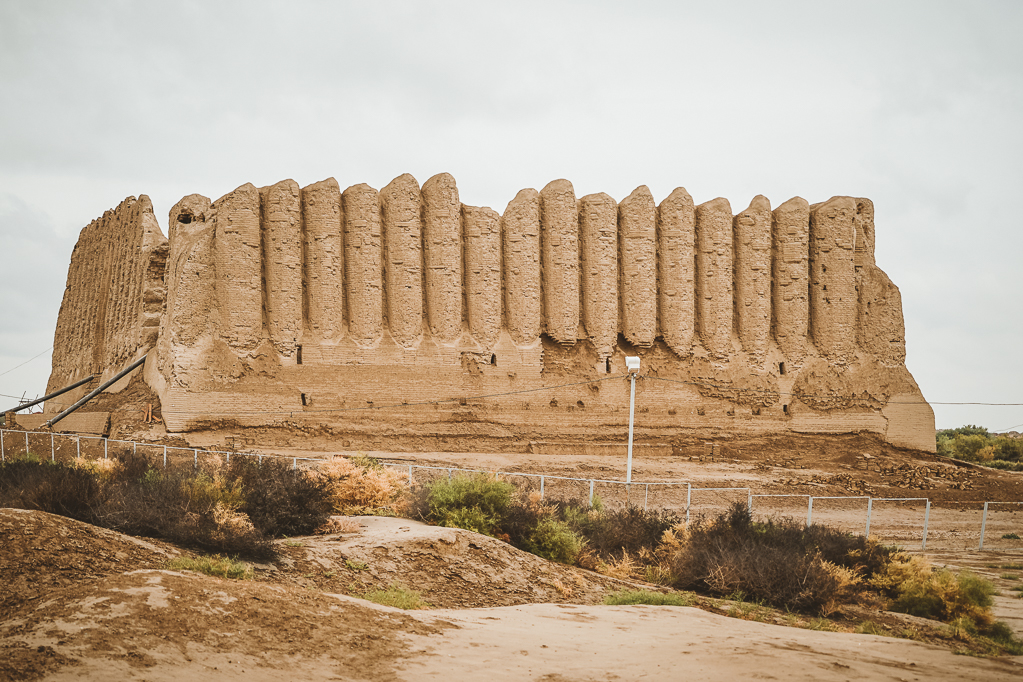

- Where
- Turkmenistan
- Built by
- Persians and Seljuks
- Era
- 500 BCE-1221 CE
- Known for
- Possibly the largest city on Earth in the 1100s.
- How it ended
- Destroyed by the Mongols in 1221.

Lyra Kael can take you here on the globe, tell you the story out loud and answer your questions. Start the time jump.
Background
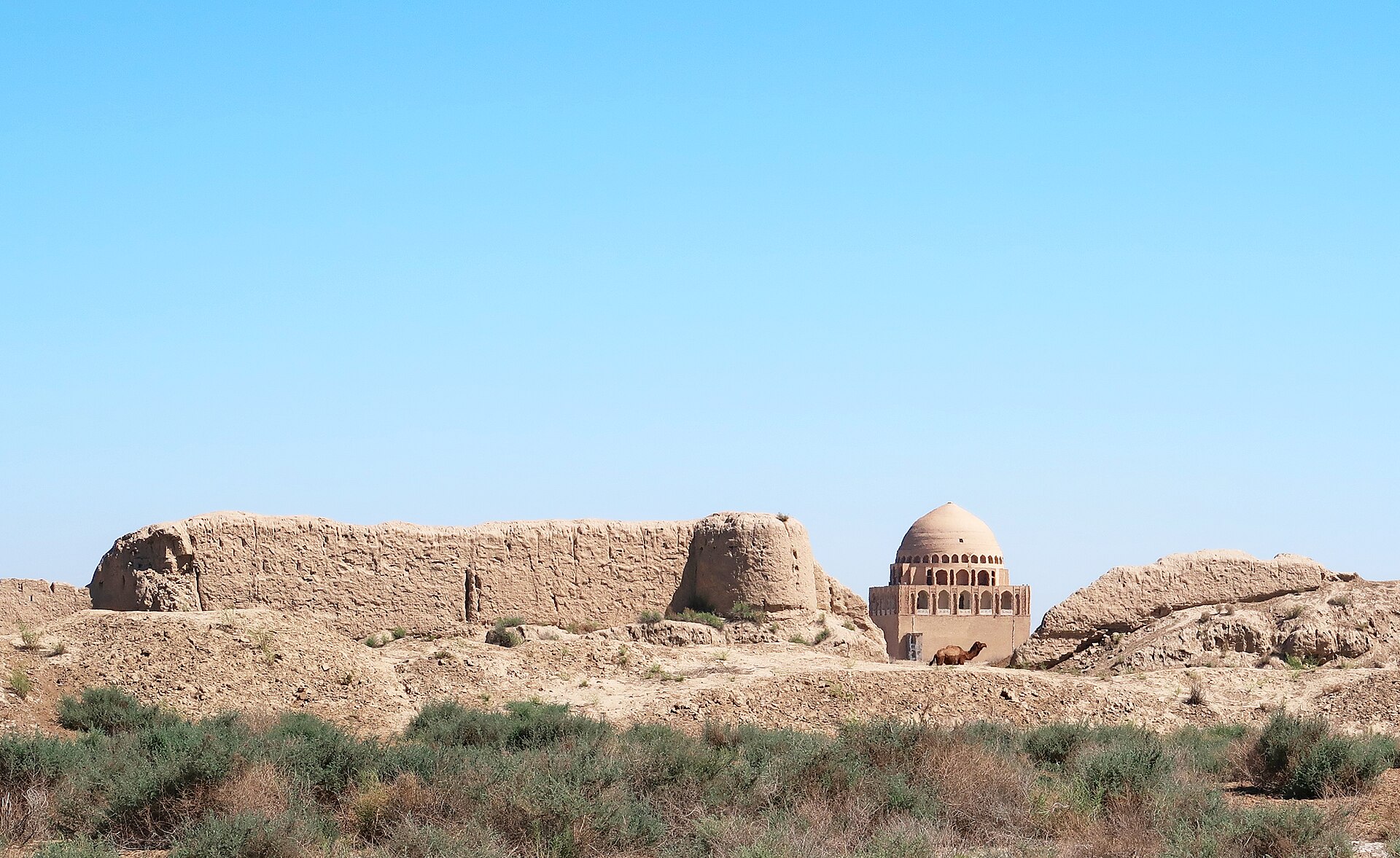
Merv (Turkmen: Merw [ˈmeɾβ]; Persian: مرو [ˈmæɹv]), also called the Merve Oasis, was a major Iranian city in Central Asia, located on the historical Silk Road, near today's Mary, Turkmenistan. Human settlements on the site of Merv existed from the 3rd millennium BC until the 18th century AD. It changed hands repeatedly throughout history. Under the Achaemenid Empire, it was the center of the satrapy of Margiana. It was subsequently ruled by Hellenistic Kings, Parthians, Sasanians, Arabs (Rashidun, Umayyads and Abbasids), Ghaznavids, Seljuqs, Khwarazmians and Timurids, among others.
Merv served as the capital of several polities throughout its history. In the beginning of the 9th century, Merv was the seat of the Abbasid caliph al-Ma'mun and the capital of the entire Islamic caliphate. It served later as the seat of the Tahirid governors of Khorasan. In the 11th–12th centuries, Merv was the capital of the Great Seljuk Empire and remained so until its fall. Around this time, Merv turned into a chief centre of Islamic science and culture, attracting as well as producing renowned poets, musicians, physicians, mathematicians and astronomers. The great Persian polymath Omar Khayyam, among others, spent a number of years working at the observatory in Merv. As Persian geographer and traveller al-Istakhri wrote of Merv: "Of all the countries of Iran, these people were noted for their talents and education." Arab geographer Yaqut al-Hamawi counted as many as 10 giant libraries in Merv, including one within a major mosque that contained 12,000 volumes.
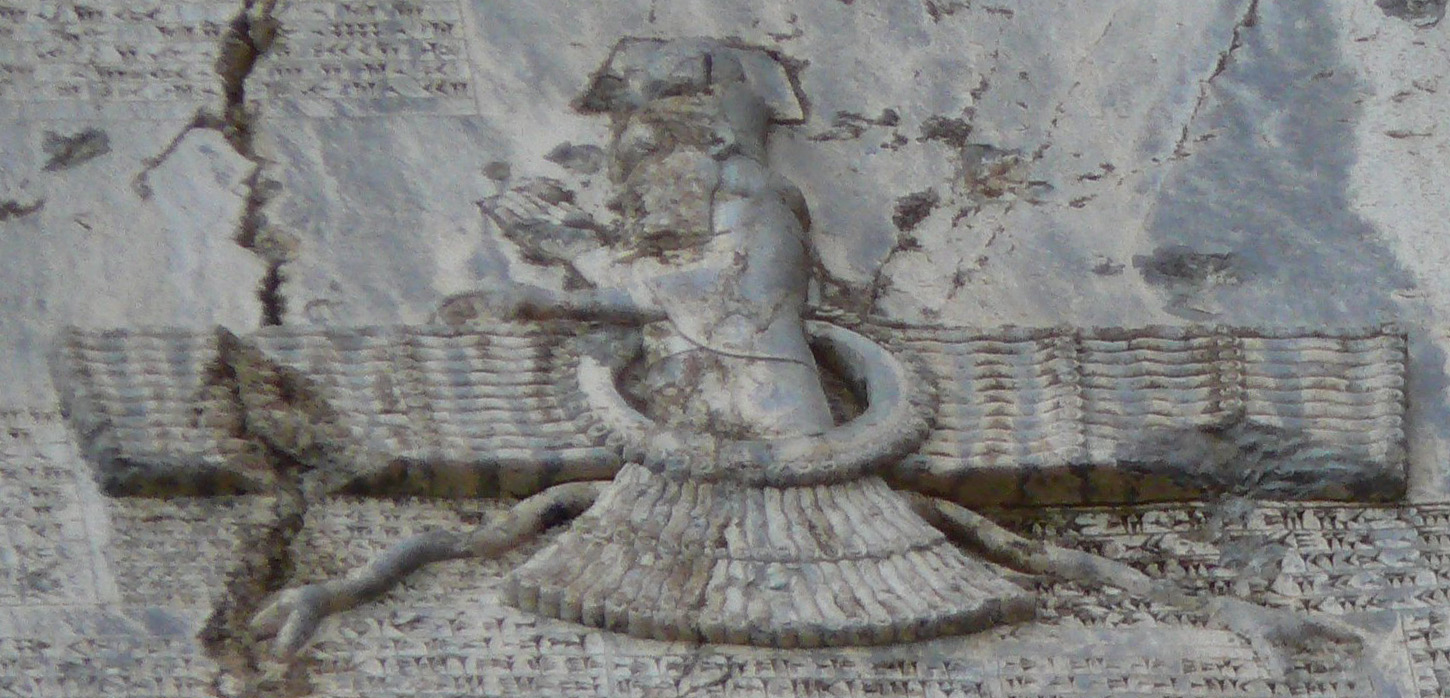
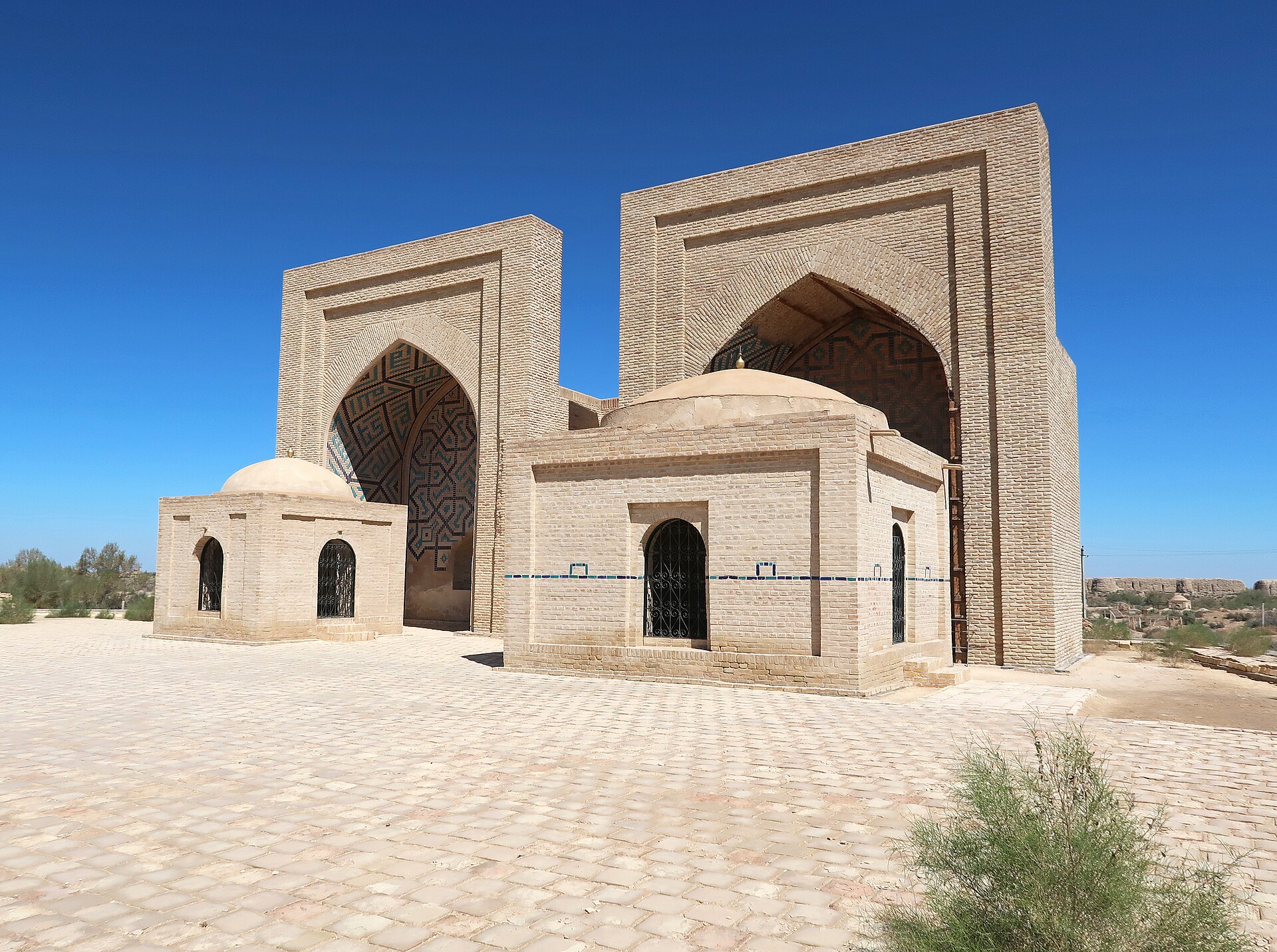
Merv was also a popular pilgrimage destination and several religions considered it holy. In Zoroastrianism, Merv or Mouru was one of 16 perfect lands created by god Ahura Mazda. Between the 5th and 11th centuries, Merv served as the seat of an East Syrian metropolitan province. A descendant of the Islamic prophet Muhammad, 8th Imam of Twelver Shia Islam, Ali ar-Ridha, moved to Merv from Baghdad and resided there for several years. Al-Muqanna, the "Veiled Prophet", who gained many followers by claiming to be an incarnation of God, was born and started his movement in Merv.
During the 12th and 13th centuries, Merv may have been the world's largest city with a population of up to 500,000. During this period, Merv was known as "Marw al-Shāhijān" (Merv the Great), and frequently referred to as the "capital of the eastern Isla
Text from Wikipedia, licensed CC BY-SA 4.0.