No. 83
Liangzhu

- Where
- China
- Built by
- Liangzhu culture
- Era
- 3300-2300 BCE
- Known for
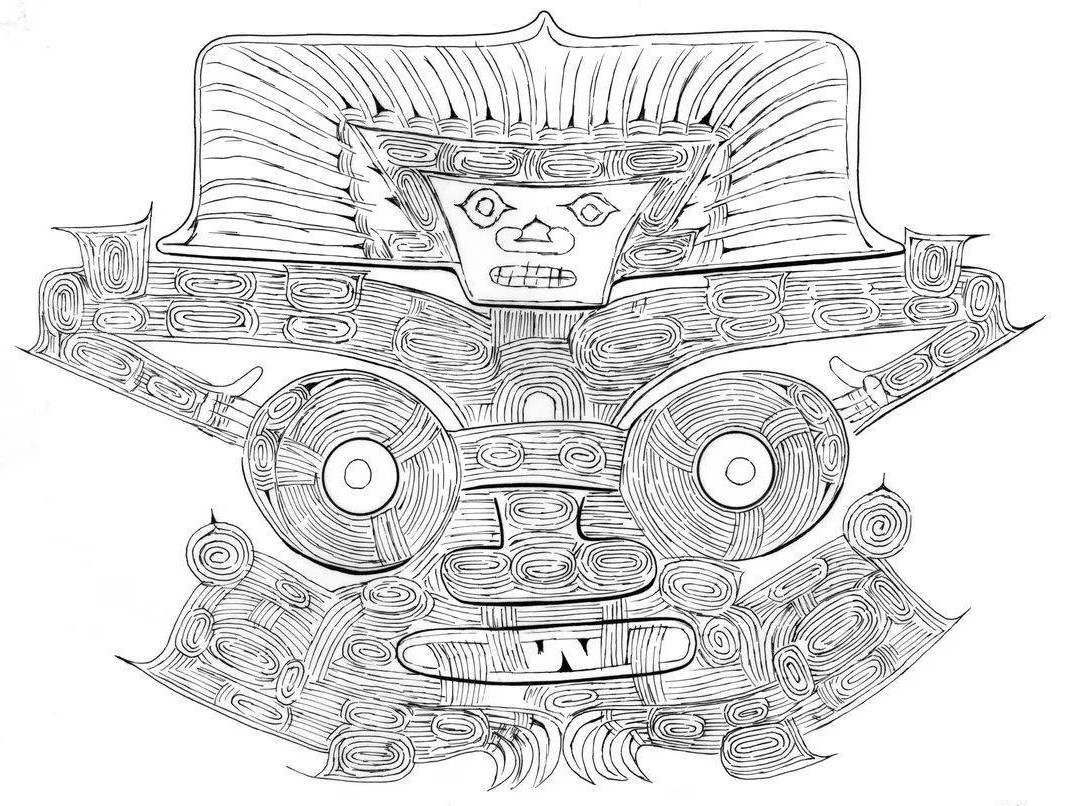
- Carved jade and one of the oldest large dam systems.
- How it ended
- Likely drowned out by major flooding.

Lyra Kael can take you here on the globe, tell you the story out loud and answer your questions. Start the time jump.
Background
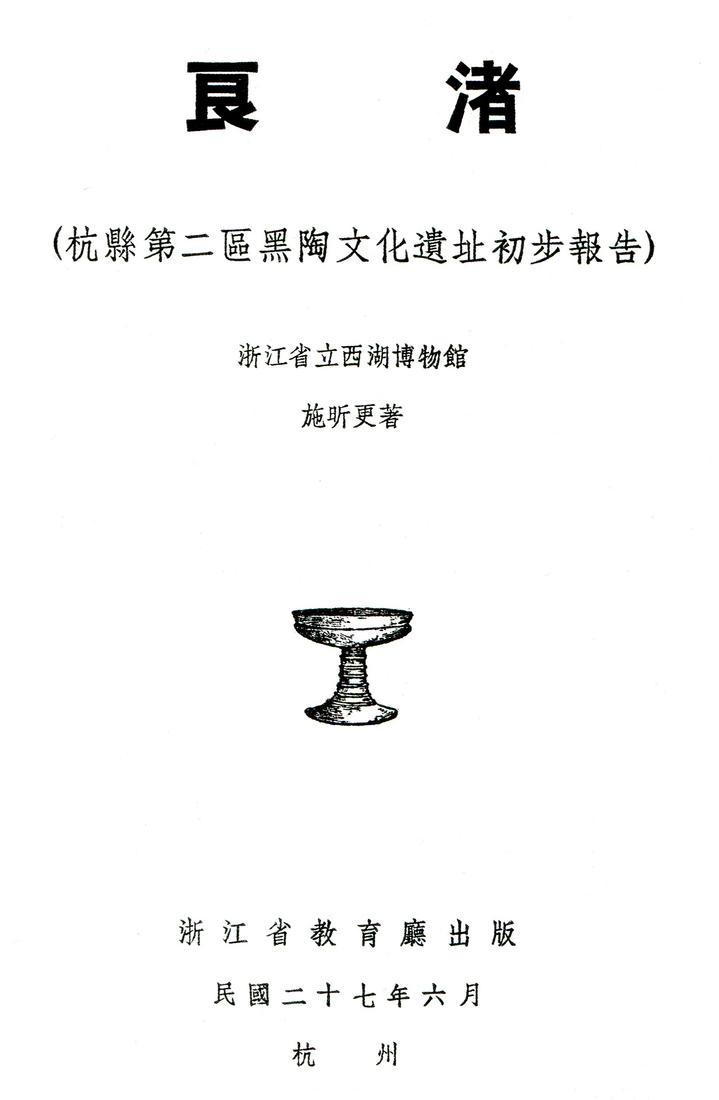
The archaeological ruins of Liangzhu City, or simply the Liangzhu site, are a cluster of Neolithic sites located in the Liangzhu Subdistrict and Pingyao Town of Yuhang, Hangzhou, China. Initially excavated by Shi Xingeng in 1936, the ruins were recognised to belong to a previously unknown civilisation, termed Liangzhu culture, in 1959. The site was confirmed as an ancient city after the discovery of its city walls in 2006.
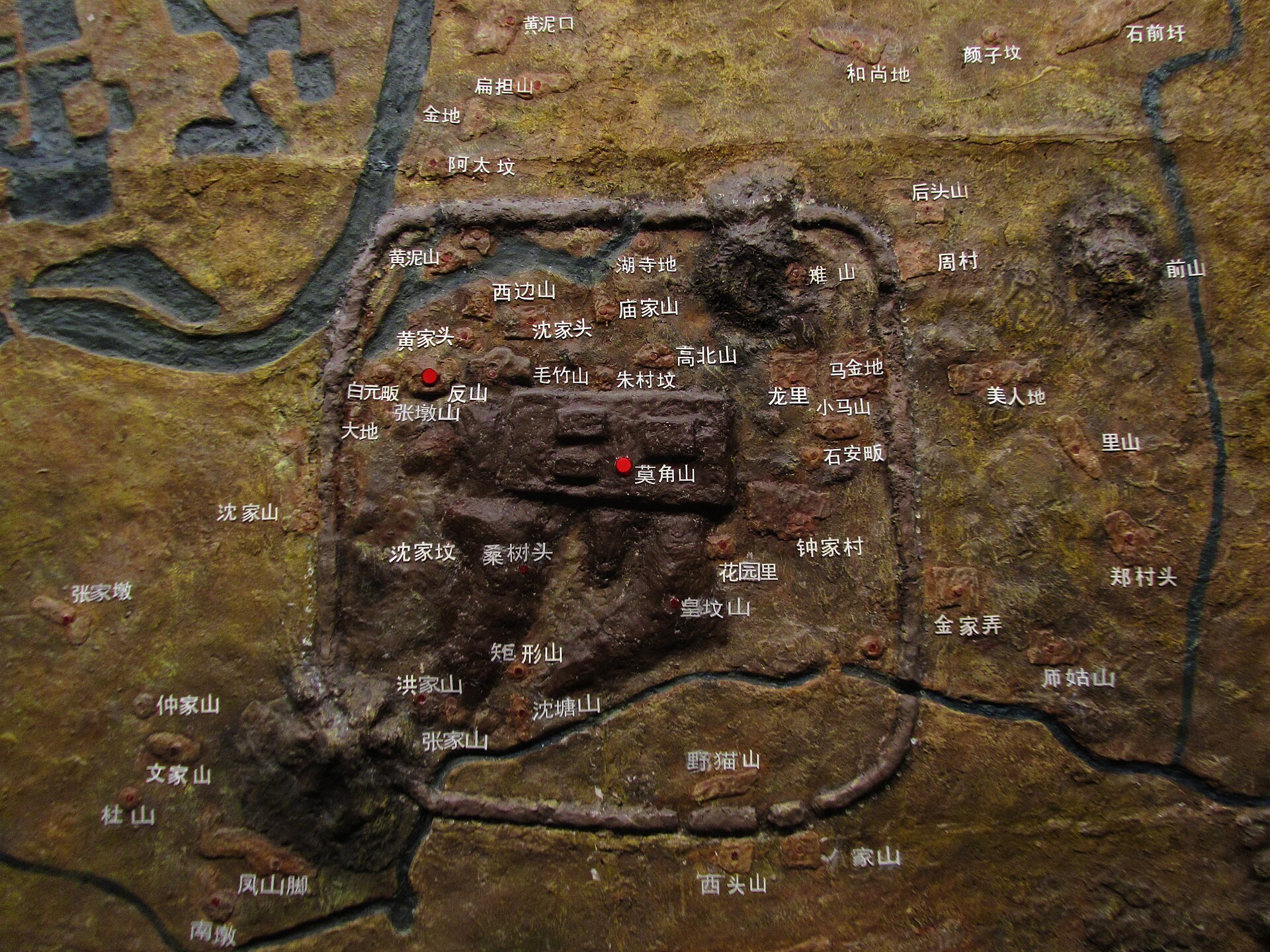
Situated in the southwestern part of the Liangzhu cultural area, this city is thought to have been the political and spiritual centre of Liangzhu culture, exemplifying a prehistoric, rice-cultivating urban society of an early state in the Yangtze River basin. The site includes a walled city with palatial complexes, ceremonial areas, and an intricate hydraulic system, indicative of a highly developed society with centralised governance. The hydraulic system of Liangzhu is by far the earliest known one in the world. Existing from approximately 3300 to 2300 BCE, the city was ultimately abandoned, and the civilisation collapsed due to extensive flooding linked to climate change.
Recognised as one of the earliest examples of Chinese civilisation, the ruins are managed by the Liangzhu Site District Management Committee, which oversees the Liangzhu National Archaeological Site Park. The city ruins, along with the Yaoshan site, were designated a major cultural heritage sites under national protection in 1996, while the hydraulic system received provincial protection in 2017. Together, these sites were designated a UNESCO World Heritage Site in 2019.
Text from Wikipedia, licensed CC BY-SA 4.0.