No. 64
Lascaux Cave

- Where
- France
- Built by
- Ice Age hunters
- Era
- about 17,000 years ago
- Known for
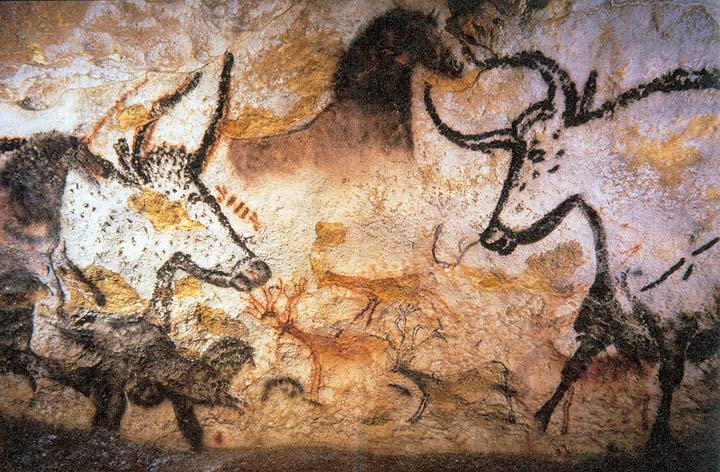
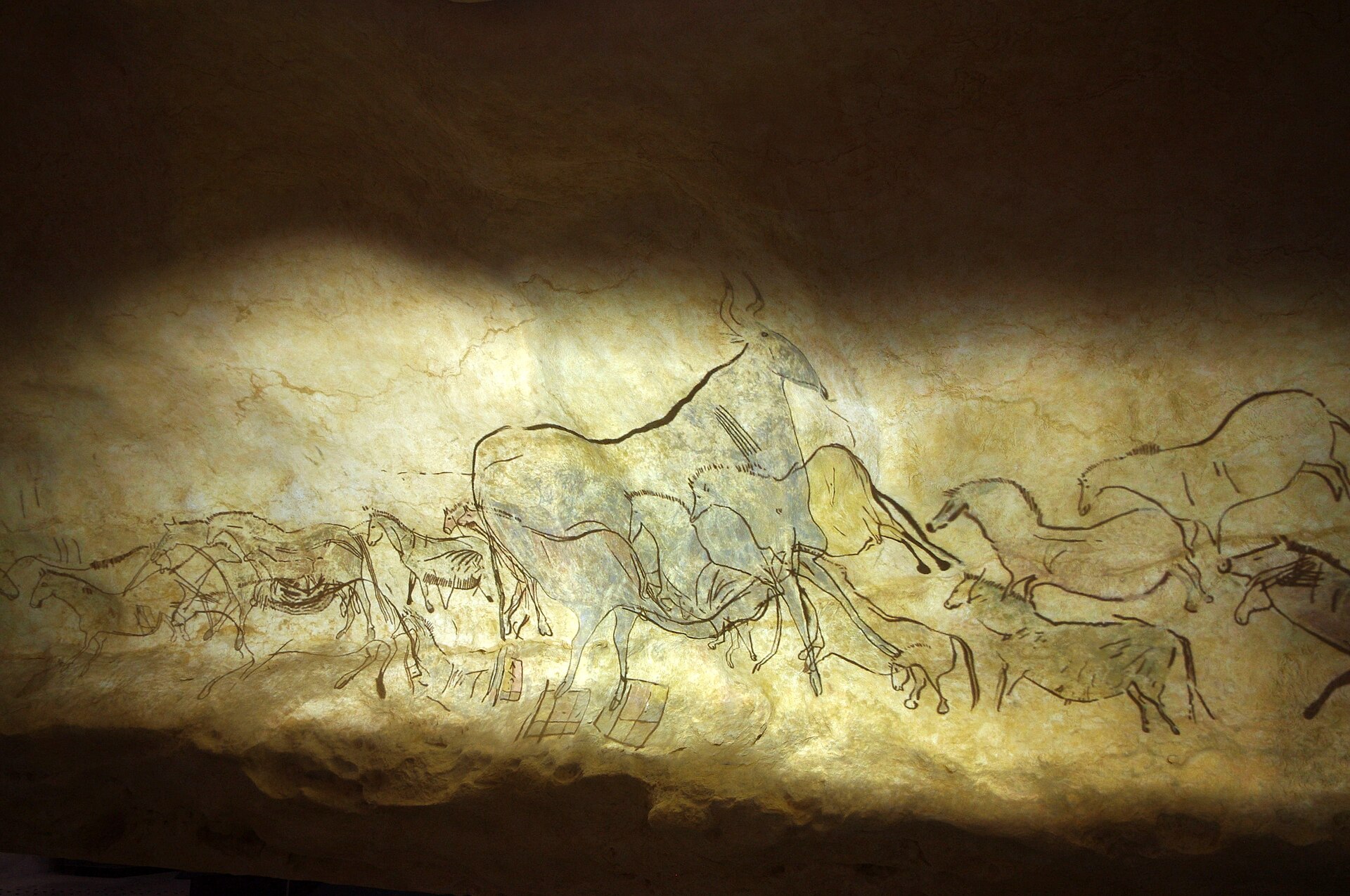
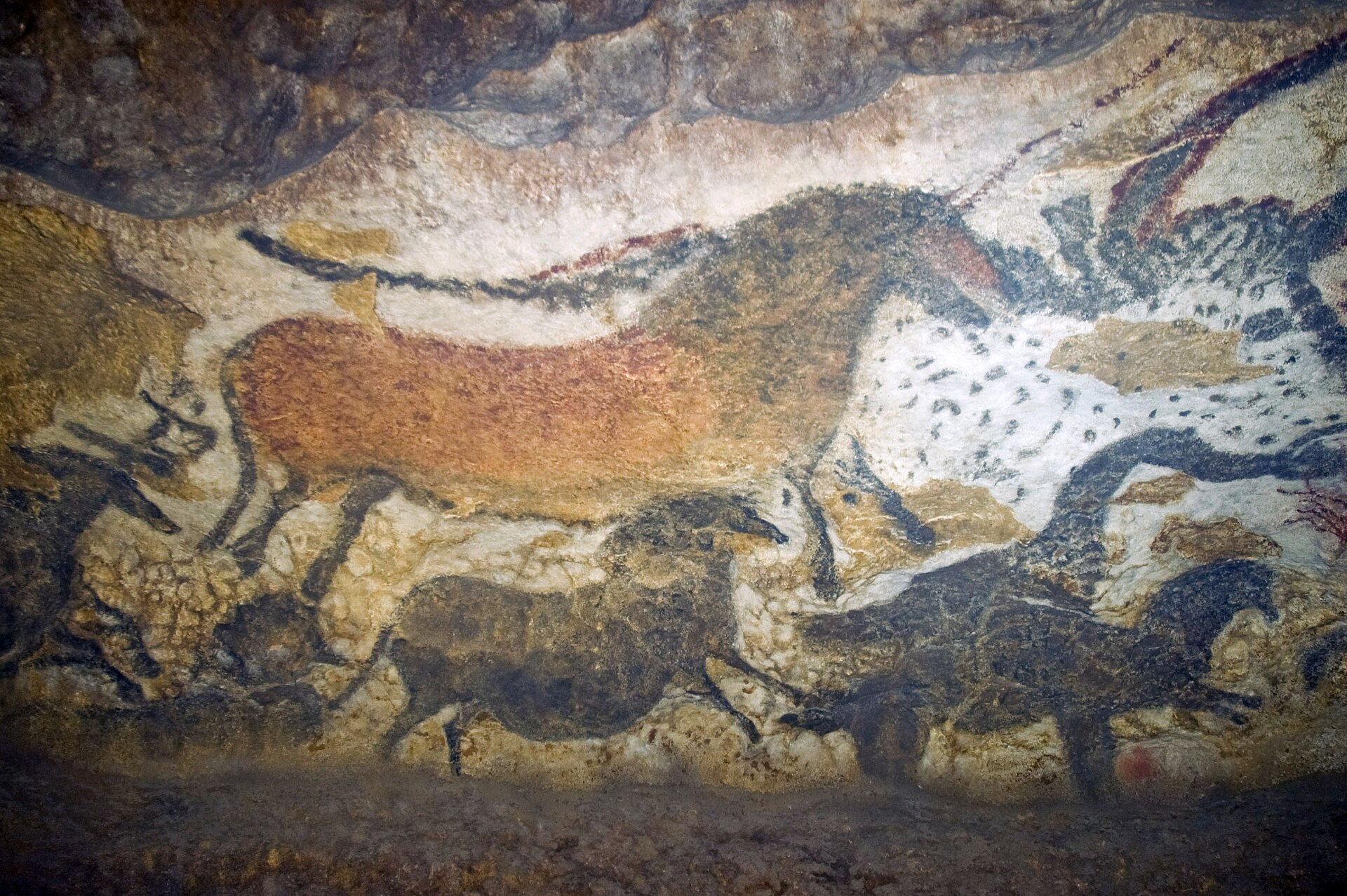
- Paintings of horses, bulls and deer.
- How it ended
- Sealed by a rockfall; found in 1940 and closed to the public in 1963.

Lyra Kael can take you here on the globe, tell you the story out loud and answer your questions. Start the time jump.
Background
Lascaux (English: la-SKOH, US also lah-SKOH; French: Grotte de Lascaux French pronunciation: [ɡʁɔt də lasko], "Lascaux Cave") is a network of caves near the village of Montignac, in the department of Dordogne in southwestern France. Over 600 parietal wall paintings cover the interior walls and ceilings of the cave. The paintings represent primarily large animals, typical local contemporary fauna that correspond with the fossil record of the Upper Paleolithic in the area. They are the combined effort of many generations.
With continued debate, the age of the paintings is now usually estimated at 17,000 to 22,000 years (early Magdalenian). Because of the outstanding prehistoric art in the cave, Lascaux was inducted into the UNESCO World Heritage List in 1979, as an element of the Prehistoric Sites and Decorated Caves of the Vézère Valley.
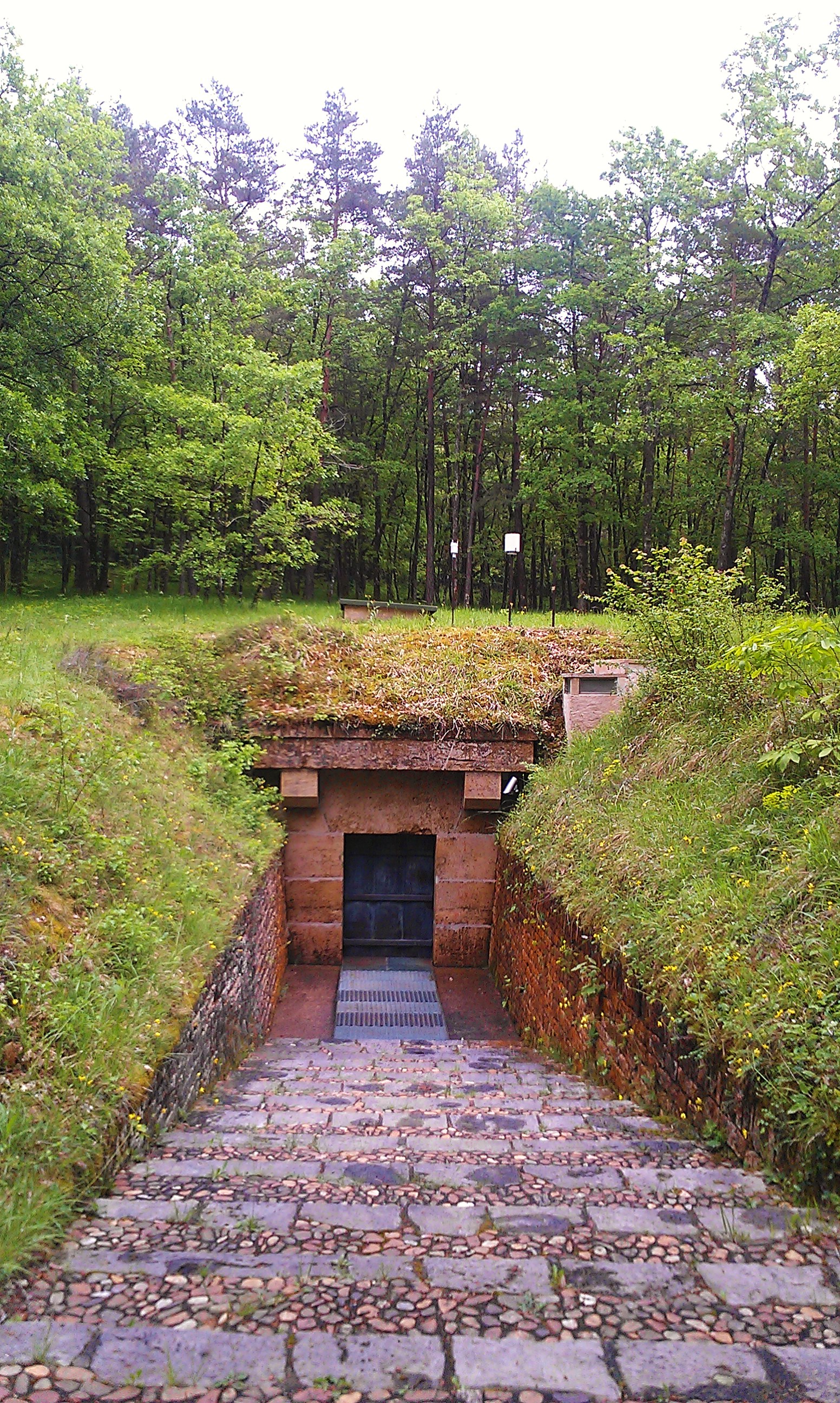
The original caves have been closed to the public since 1963, as their condition was quickly deteriorating, but there are now a number of replicas.
Text from Wikipedia, licensed CC BY-SA 4.0.