No. 193
K'inich Janaab Pakal
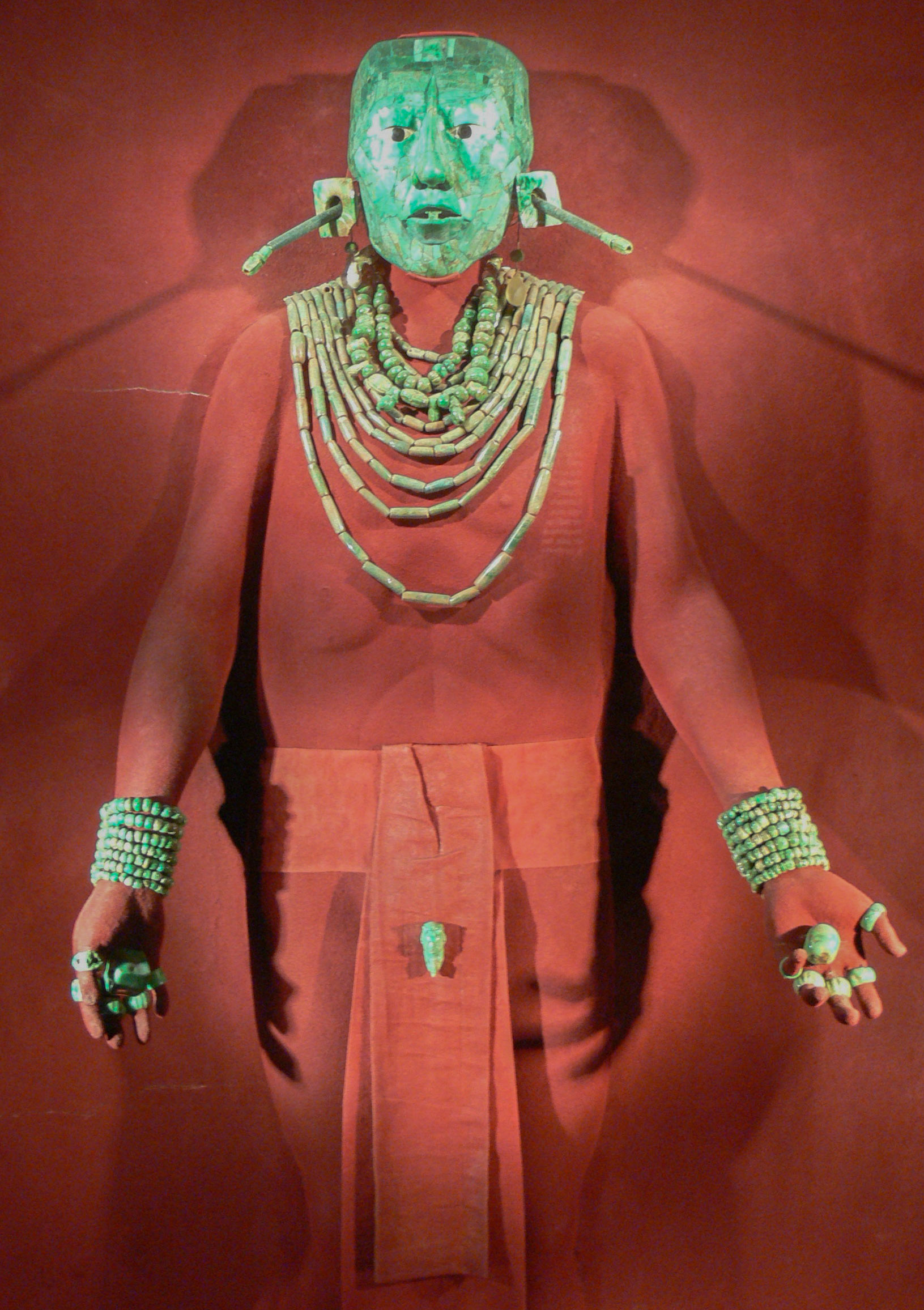

- Where
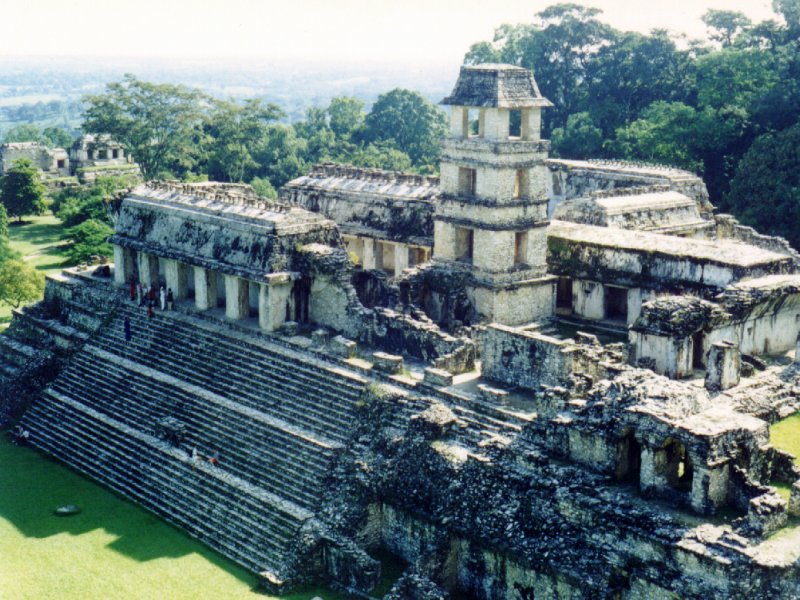
- Palenque, Maya
- Culture
- Palenque, Maya
- Lived
- 603-683 CE
- Why they matter
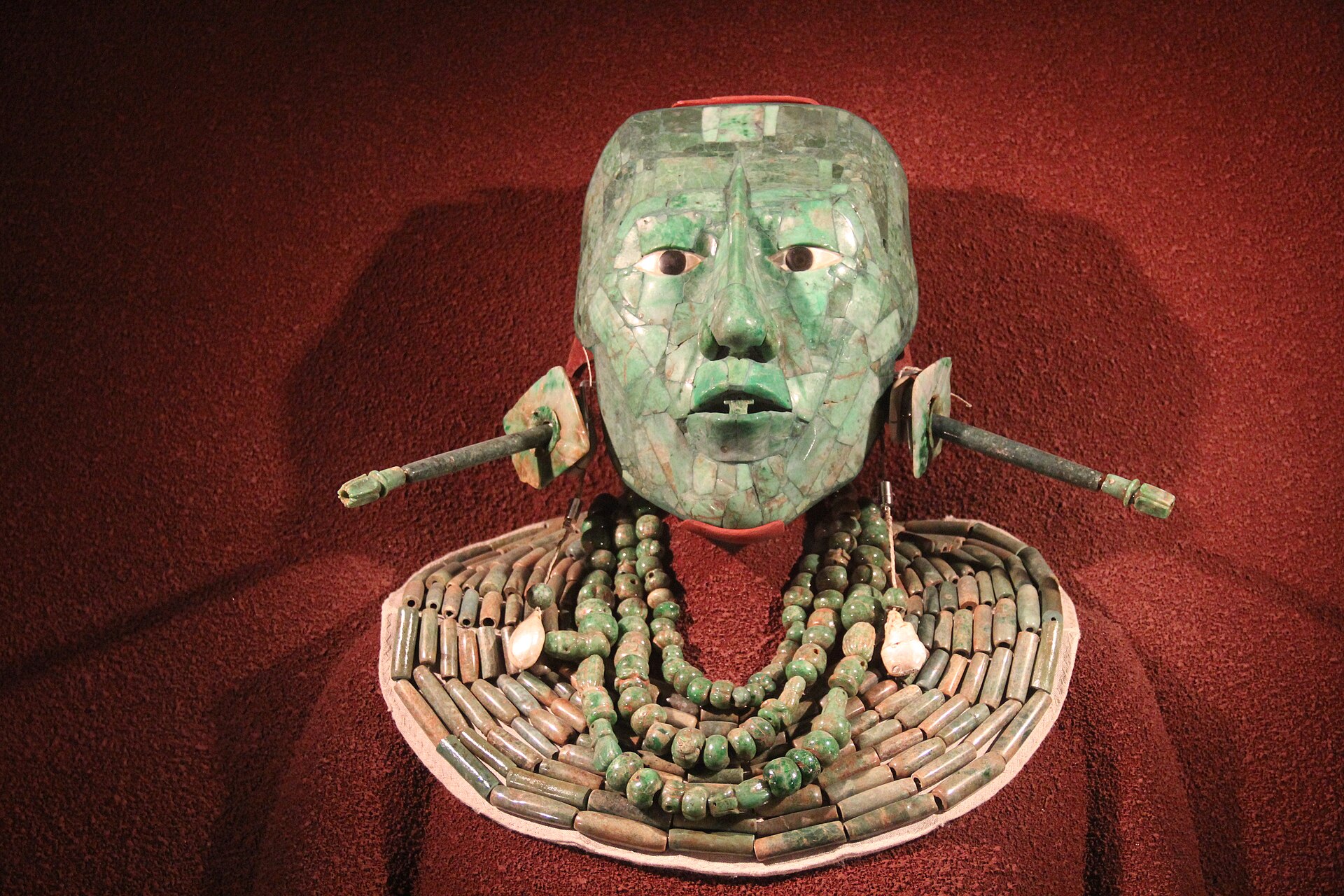
- Ruled 68 years; his jade-masked tomb was found in 1952.
- Fate
- Palenque fell silent about 120 years later.

Lyra Kael can take you here on the globe, tell you the story out loud and answer your questions. Start the time jump.
Background
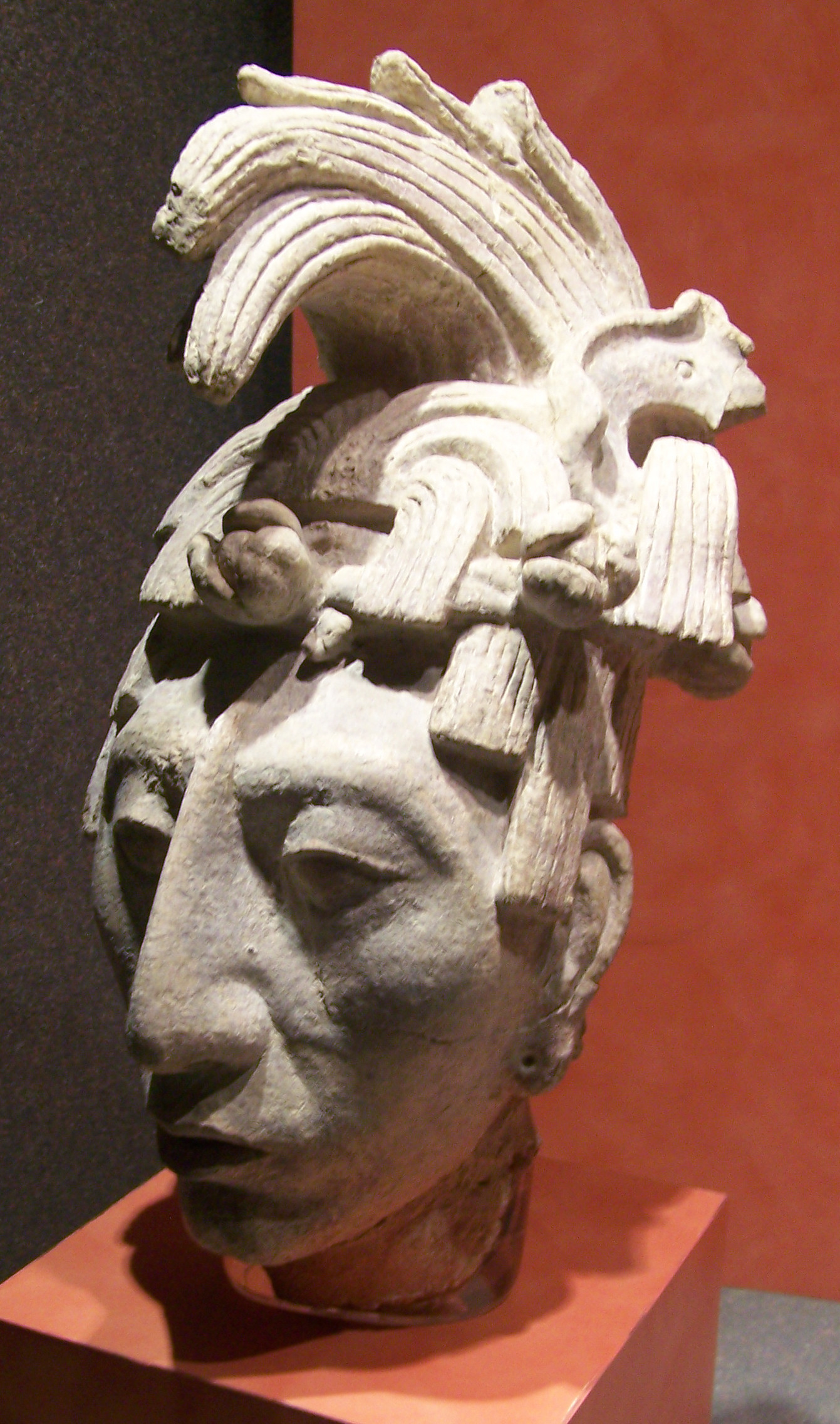
Kʼinich Janaab Pakal I (Mayan pronunciation: [kʼihniʧ χanaːɓ pakal]), also known as Pacal or Pacal the Great (24 March 603 – 29 August 683), was ajaw of the Maya city-state of Palenque in the Late Classic period of pre-Columbian Mesoamerican chronology. He acceded to the throne in July 615 and ruled until his death. Pakal reigned 68 years—the fifth-longest verified regnal period of any sovereign monarch in history, the longest in world history for more than a millennium, and the second-longest reign of any monarch in the history of the Americas. He took the throne at age 12. During his long rule, Pakal was responsible for the construction or extension of some of Palenque's most notable surviving inscriptions and monumental architecture. He is perhaps best known in popular culture for his depiction on the carved lid of his sarcophagus, which has become the subject of pseudoarchaeological speculations.
Text from Wikipedia, licensed CC BY-SA 4.0.