No. 10
Kerma

- Where
- Sudan
- Built by
- Early Kingdom of Kush
- Era
- 2500-1500 BCE
- Known for
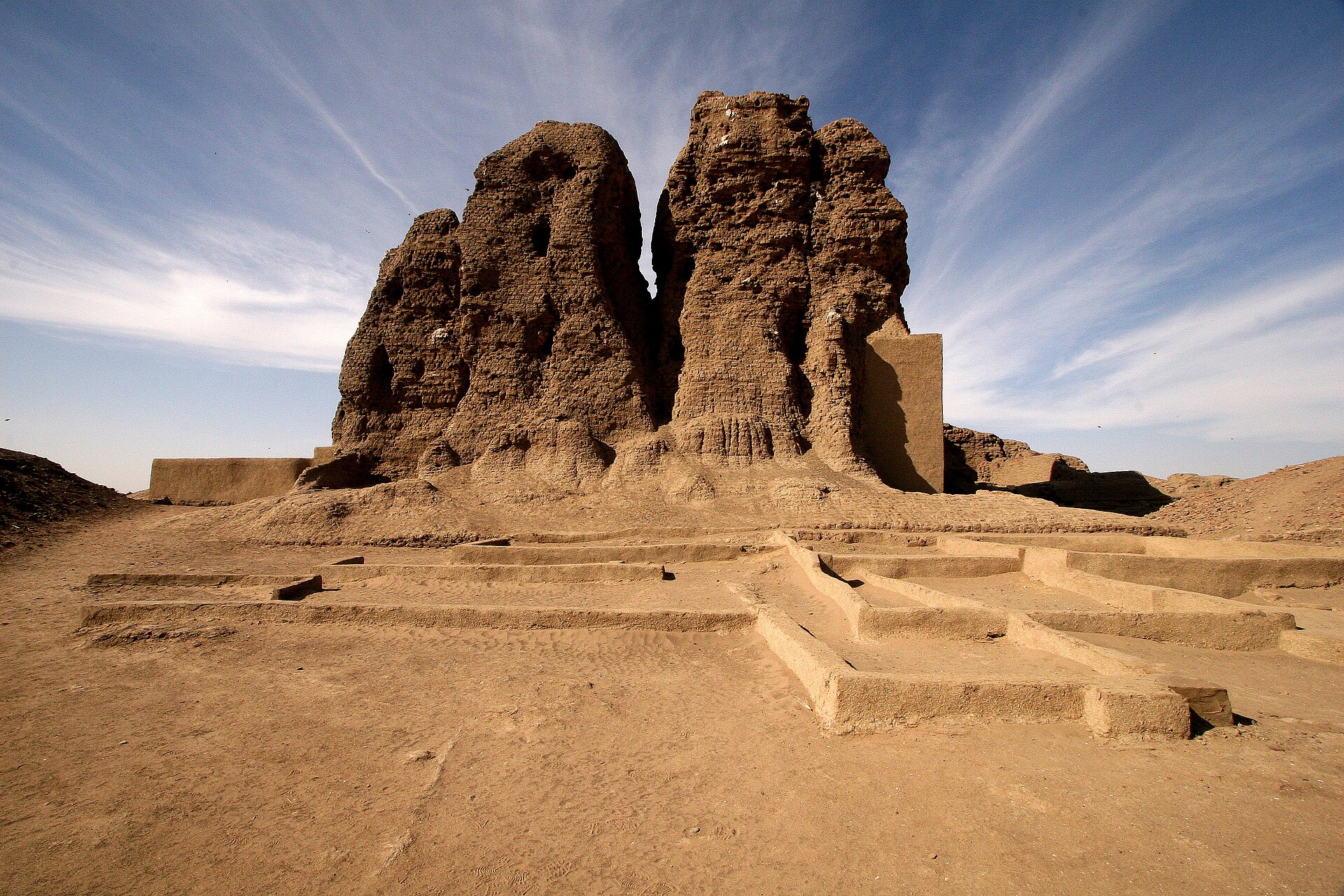
- Giant mud-brick temples called deffufas.
- How it ended
- Conquered by New Kingdom Egypt.

Lyra Kael can take you here on the globe, tell you the story out loud and answer your questions. Start the time jump.
Background
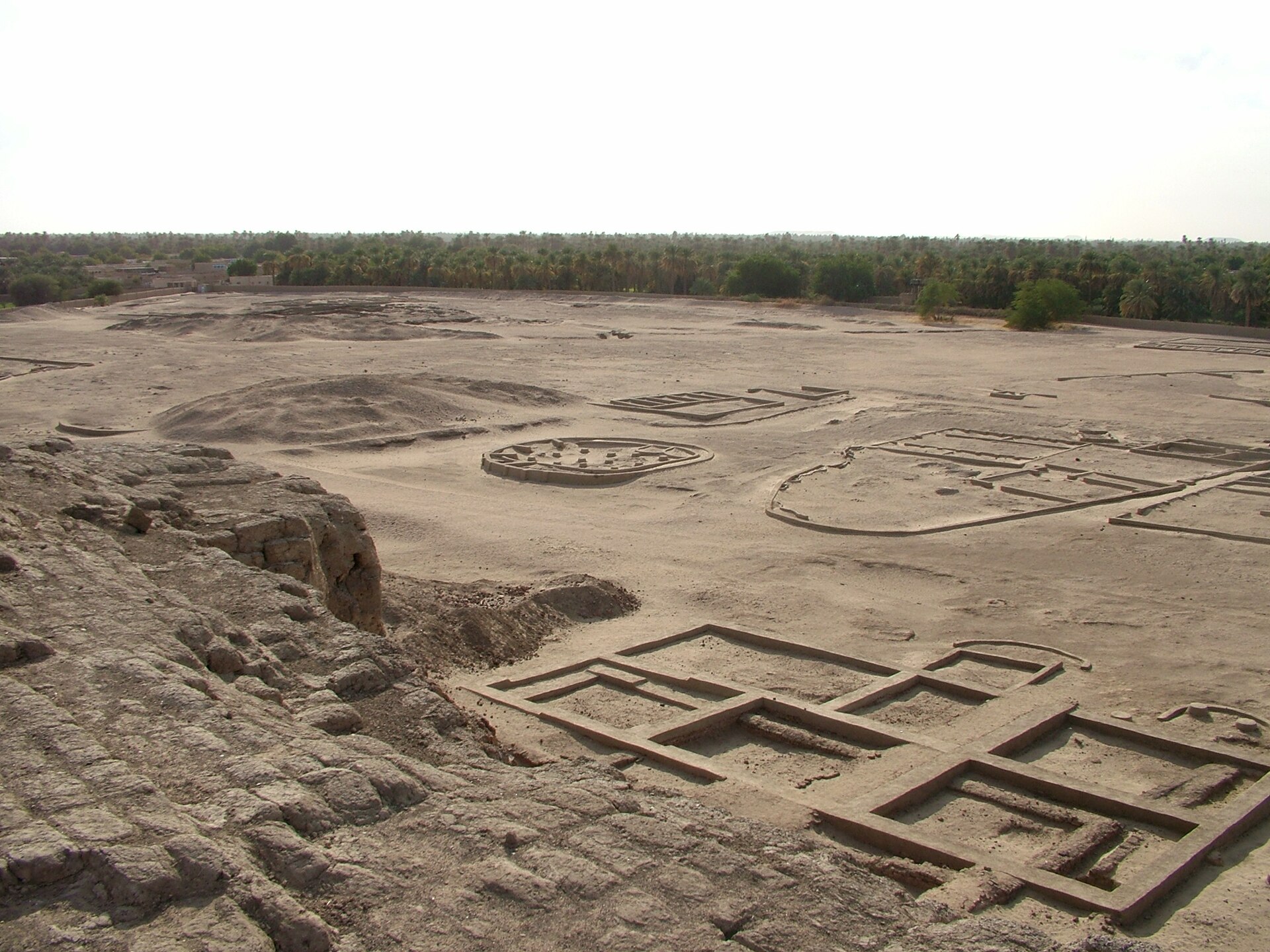
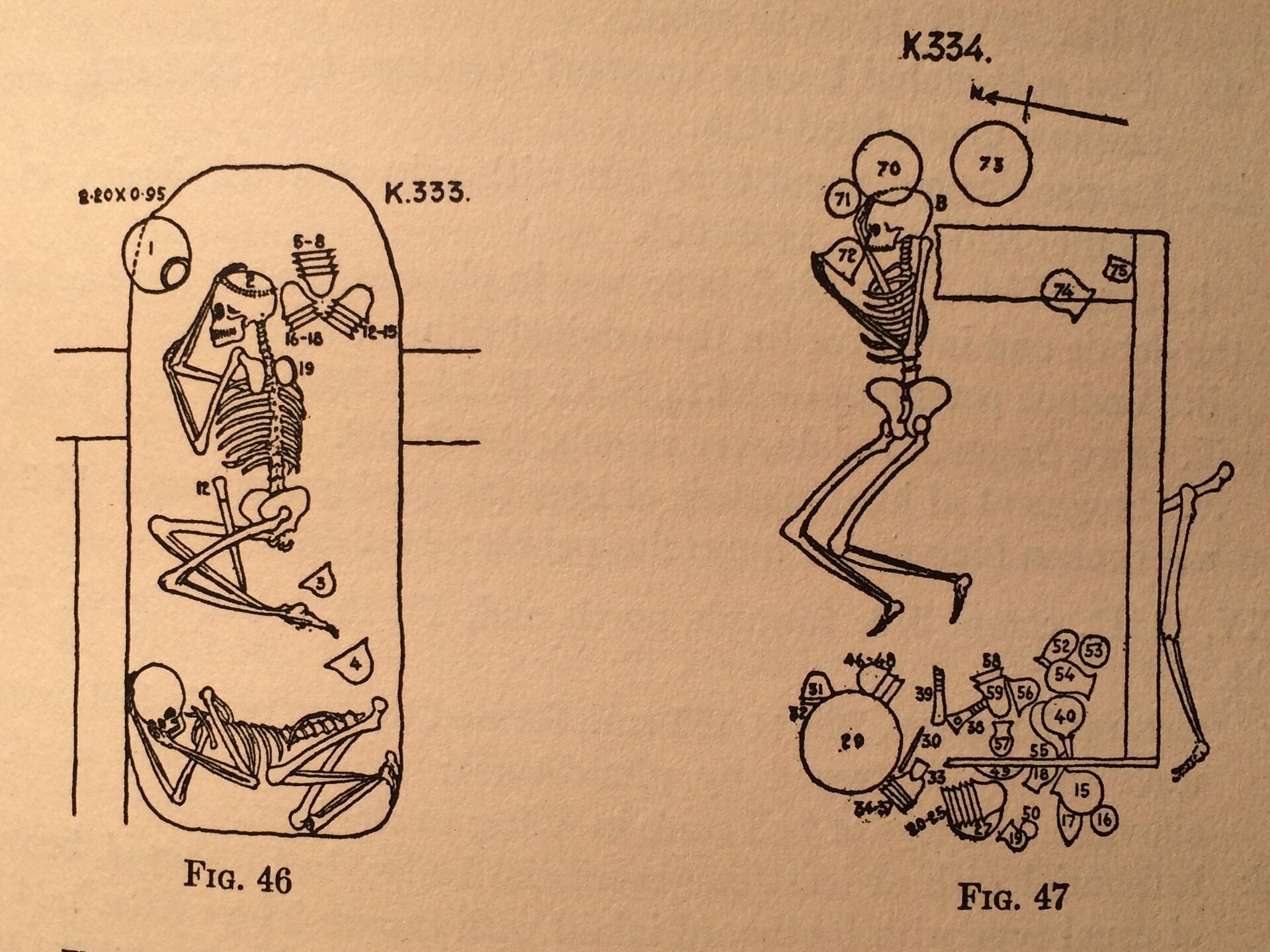
Kerma was the capital city of the Kingdom of Kerma, which had its roots in the pre-Kerma culture in present-day Sudan from 3500 BC. Kerma is one of the largest archaeological sites in ancient Nubia. It has produced decades of extensive excavations and research, including thousands of graves and tombs and the residential quarters of the main city surrounding the Western, or Lower, Deffufa.
The locale that is now Kerma was first settled by hunter-gatherers around 8350 BC, during the Mesolithic. Between 5550 BC and 5150 BC, the site was mostly abandoned, possibly due to decreased Nile flow during this time interval. A second hiatus in occupation occurred between 4050 BC and 3450 BC, likely as a result of minimal flow from the White Nile. Around 3000 BC, agriculture developed and a cultural tradition began around Kerma. Kerma later developed into a large urban center that was built around a large adobe temple known as the Western Deffufa, which was built after 1750 BC. A state society formed between 2550 BC and 1550 BC, with a significant decrease in cattle breeding being evidenced by the archaeological record around 1750 BC. Evidence for copper metallurgy appears from c. 2200–2000 BC. As a capital city and location of royal burials, Kerma sheds light on the complex social structure present in this society.
Text from Wikipedia, licensed CC BY-SA 4.0.