No. 3
Karnak and Luxor temples

- Where
- Egypt
- Built by
- Middle and New Kingdom pharaohs
- Era
- 2000-30 BCE
- Known for
- The largest temple complex of the ancient world.
- How it ended
- Thebes was sacked by Assyria in 663 BCE and faded as capitals moved north.

Lyra Kael can take you here on the globe, tell you the story out loud and answer your questions. Start the time jump.
Background
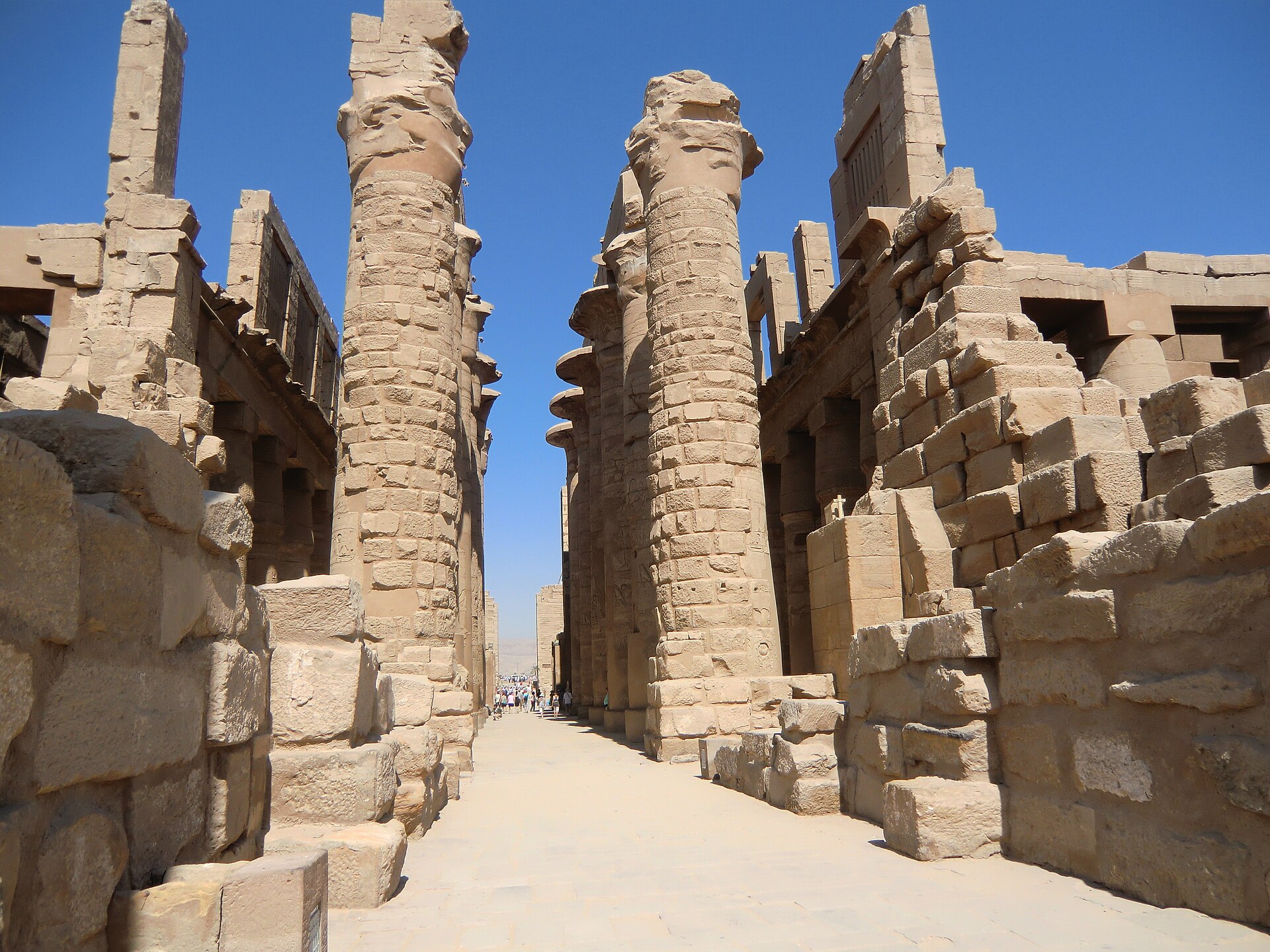
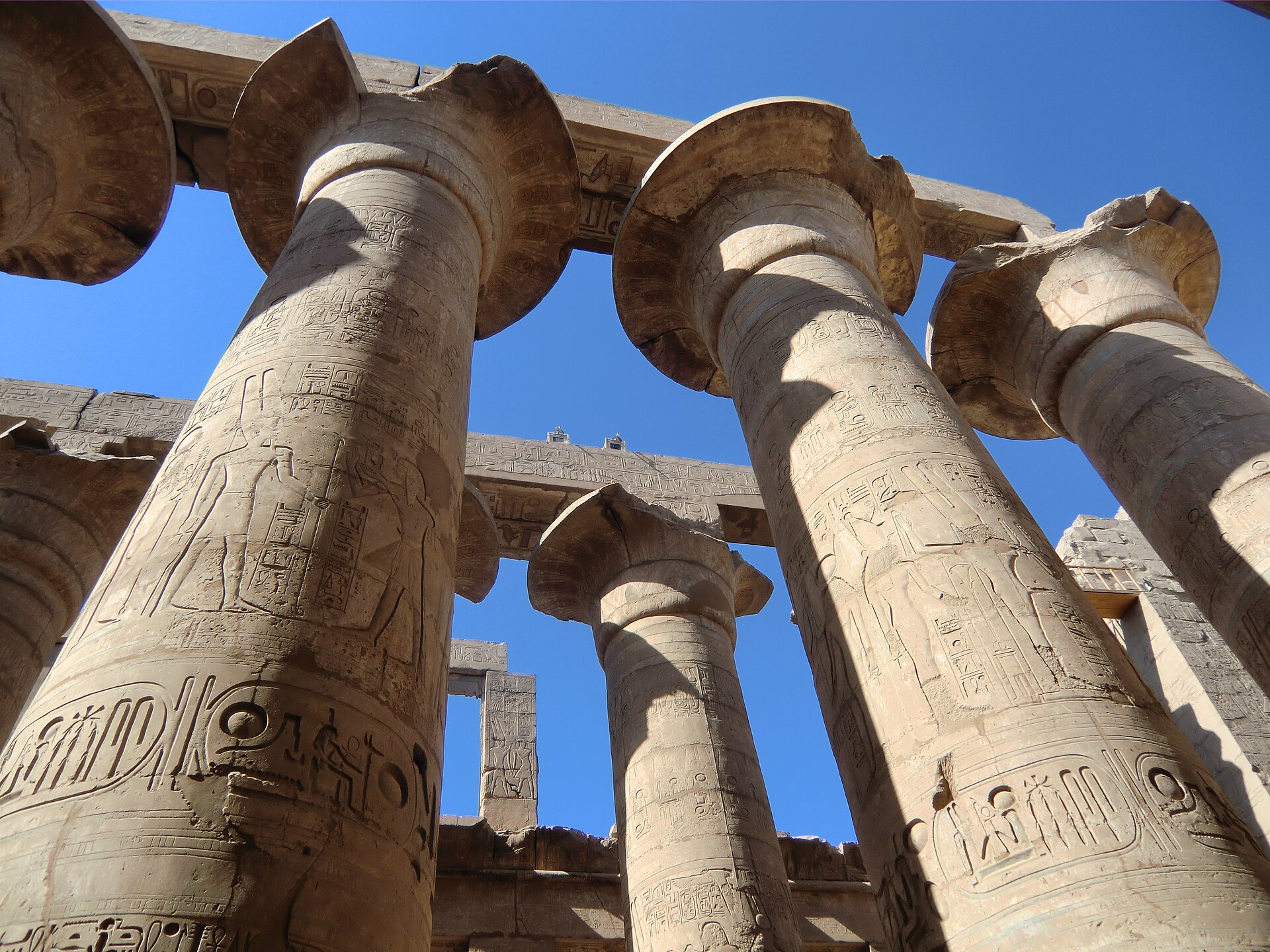
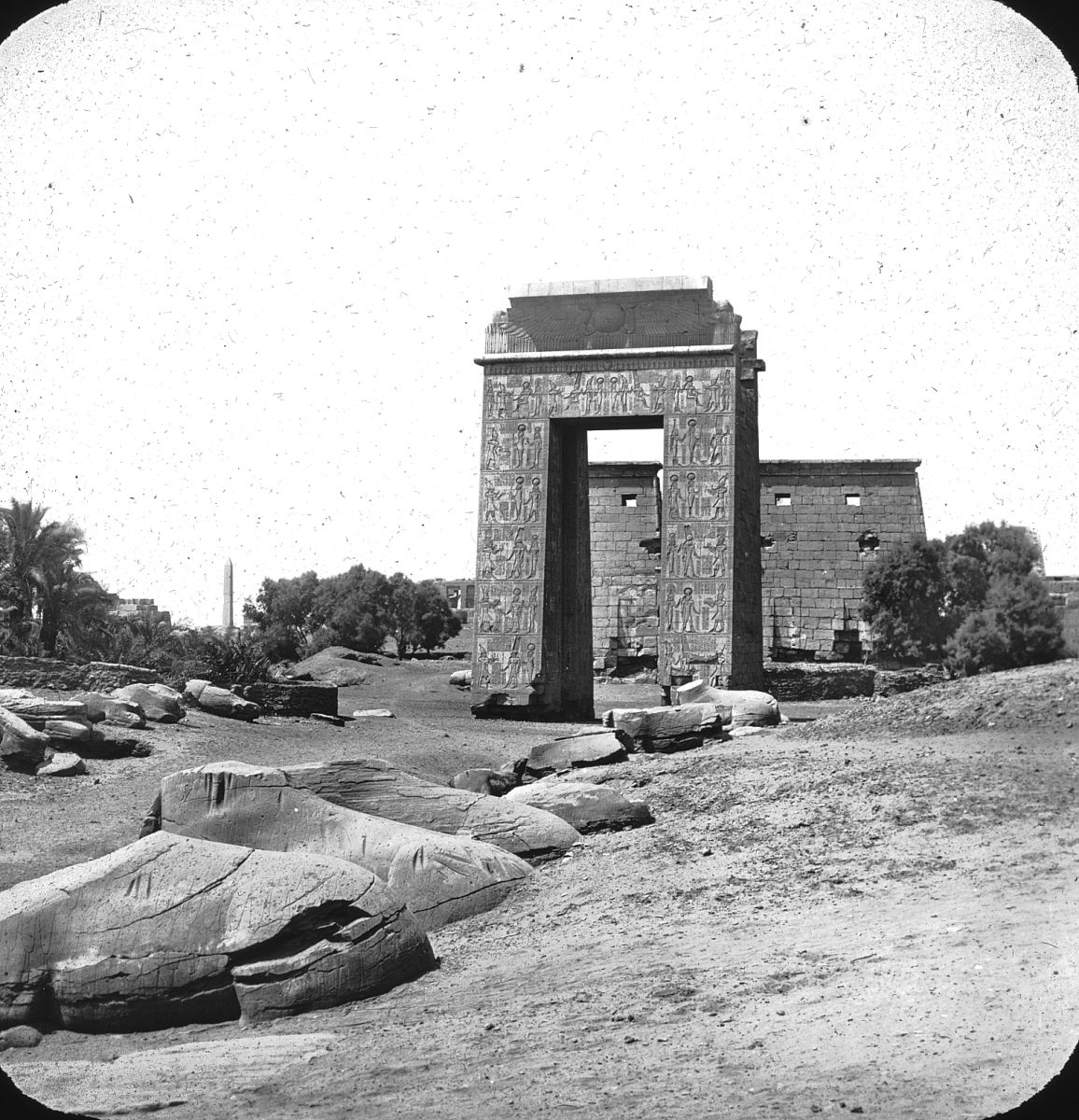
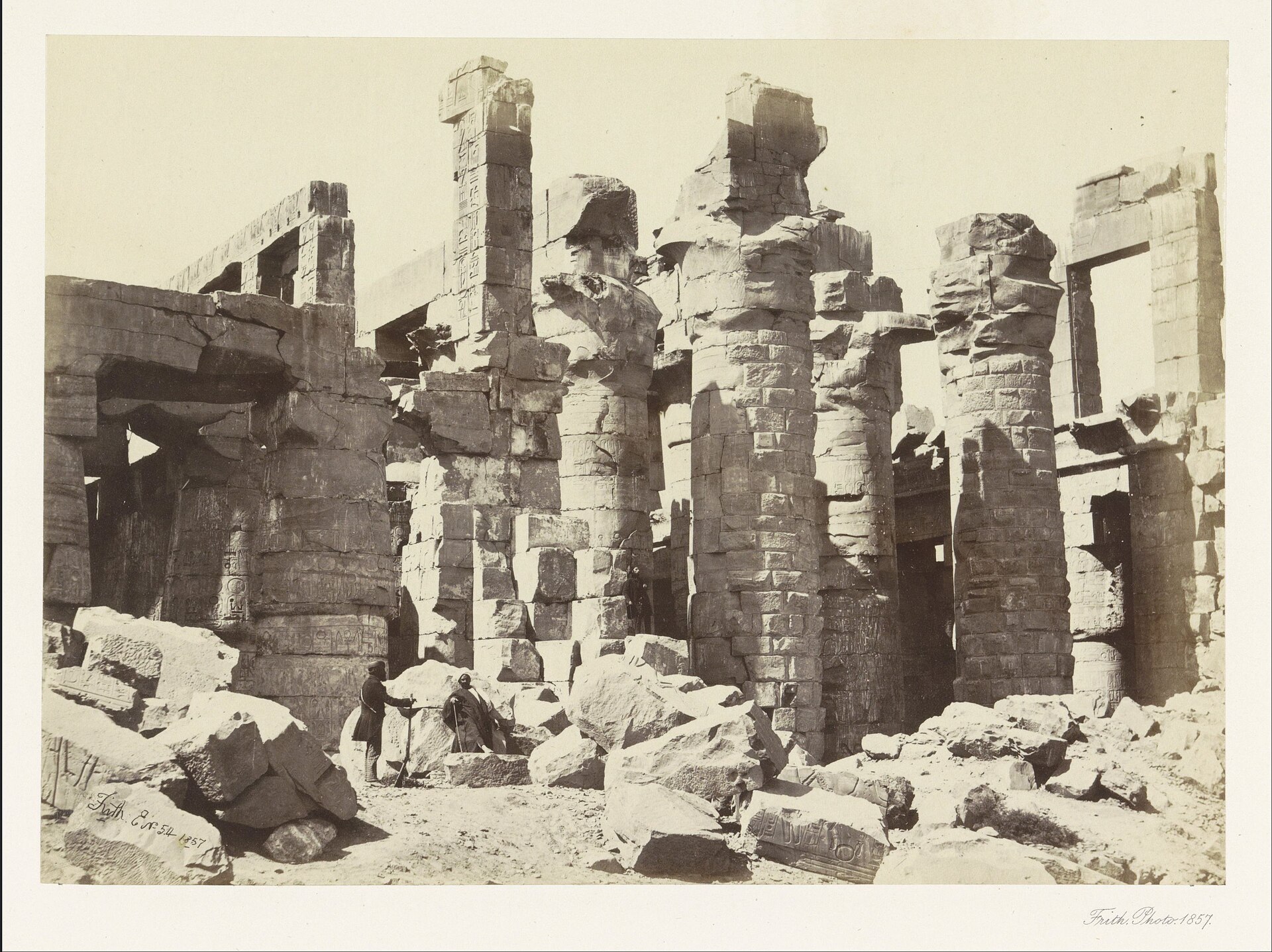
The Karnak Temple Complex, commonly known as Karnak (), comprises a vast mix of temples, pylons, chapels, and other buildings near Luxor, Egypt. Construction at the complex began during the reign of Senusret I (reigned 1971–1926 BCE) in the Middle Kingdom (c. 2000–1700 BC) and continued into the Ptolemaic Kingdom (305–30 BCE), although most of the extant buildings date from the New Kingdom. The area around Karnak was the ancient Egyptian Ipet-isut ("The Most Selected of Places") and the main place of worship of the 18th Dynastic Theban Triad, with the god Amun as its head.
It is part of the monumental city of Thebes, and in 1979 it was added to the UNESCO World Heritage List along with the rest of the city. Karnak gets its name from the nearby, and partly surrounded, modern village of El-Karnak, 2.5 kilometres (1.6 miles) north of Luxor.
Text from Wikipedia, licensed CC BY-SA 4.0.