No. 21
Jericho (Tell es-Sultan)

- Where
- West Bank
- Built by
- Early settlers onward
- Era
- 9000 BCE onward
- Known for
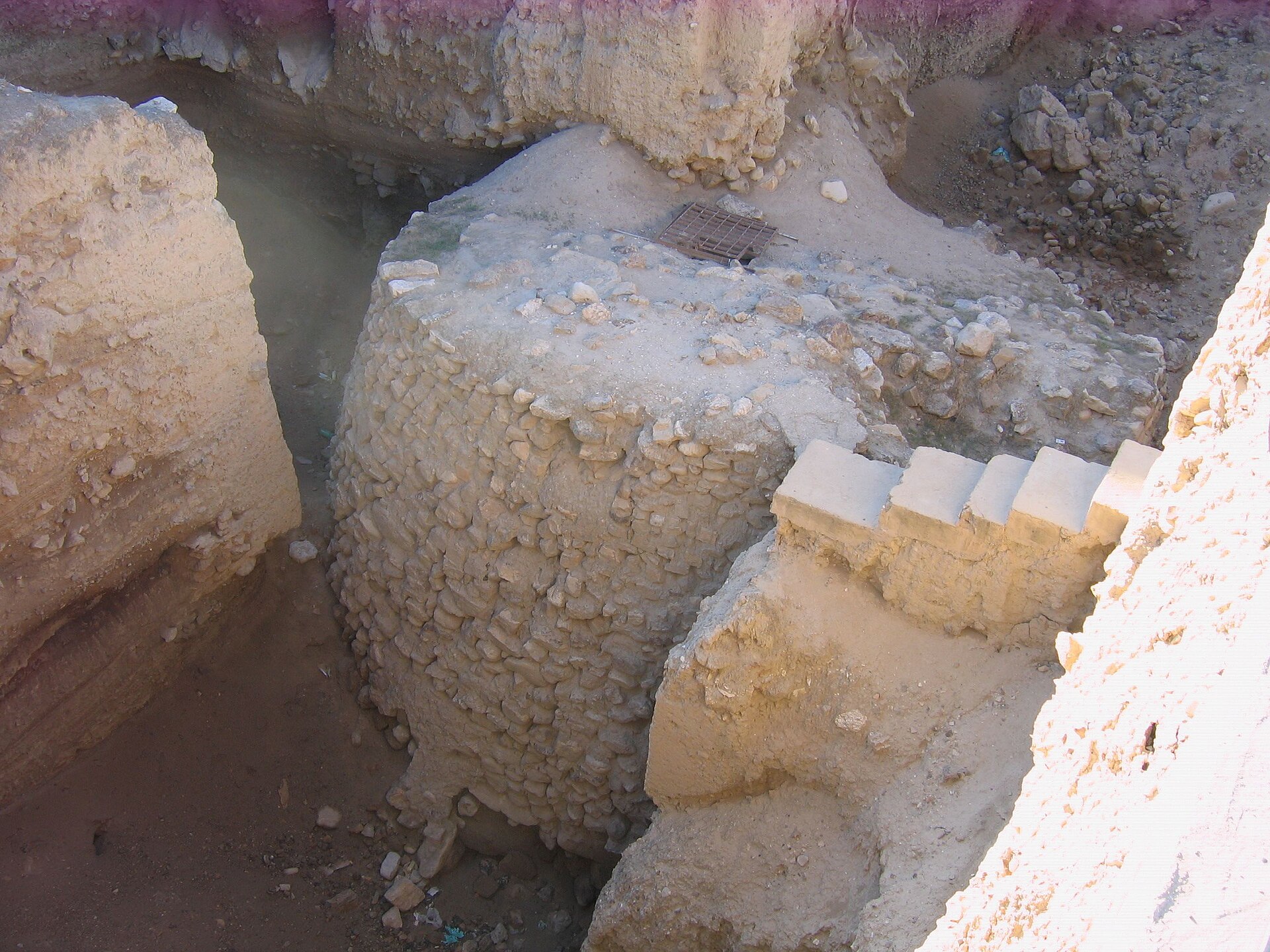
- A stone tower from about 8000 BCE, one of the oldest known.
- How it ended
- Destroyed and rebuilt many times over 10,000 years.

Lyra Kael can take you here on the globe, tell you the story out loud and answer your questions. Start the time jump.
Background
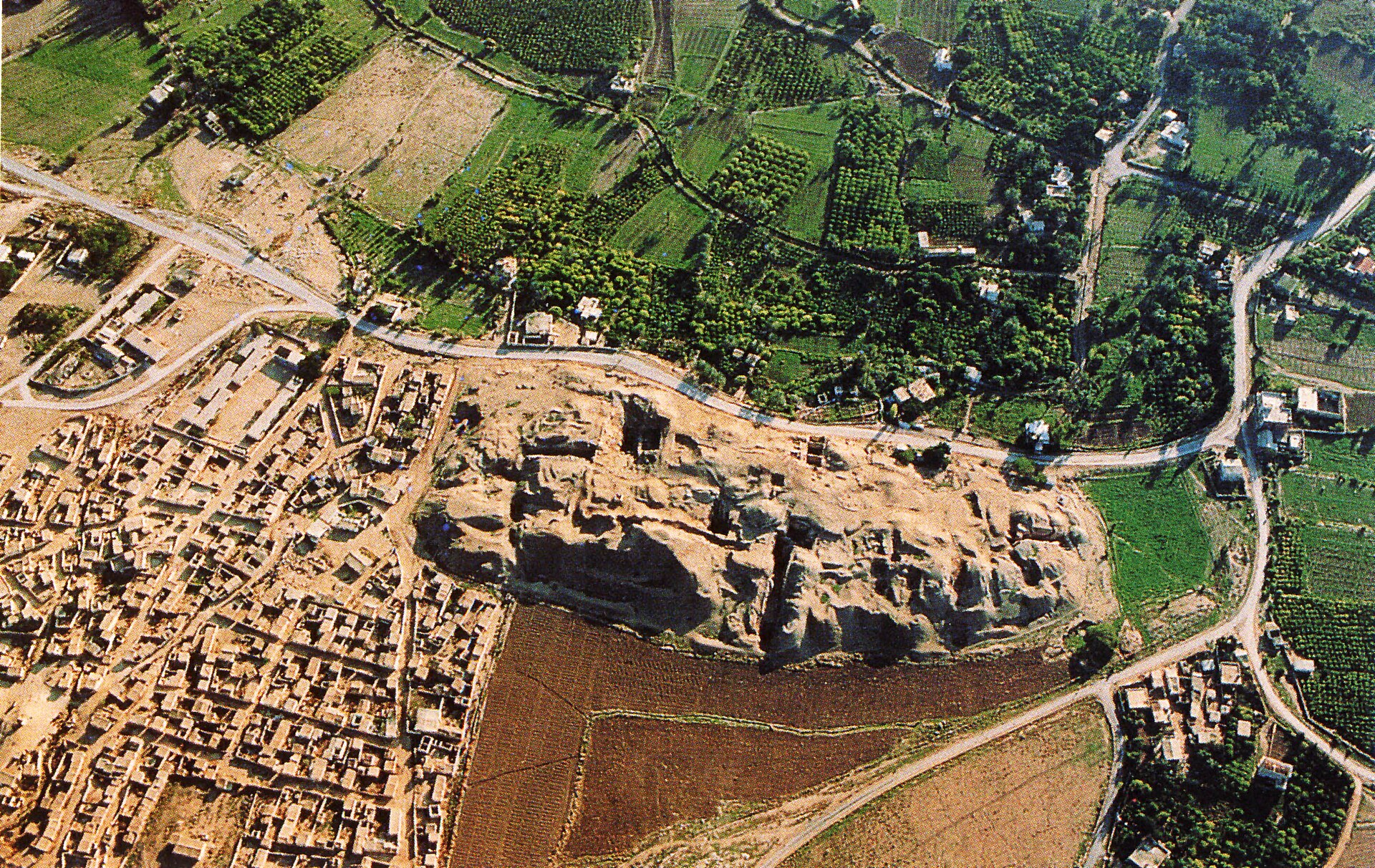
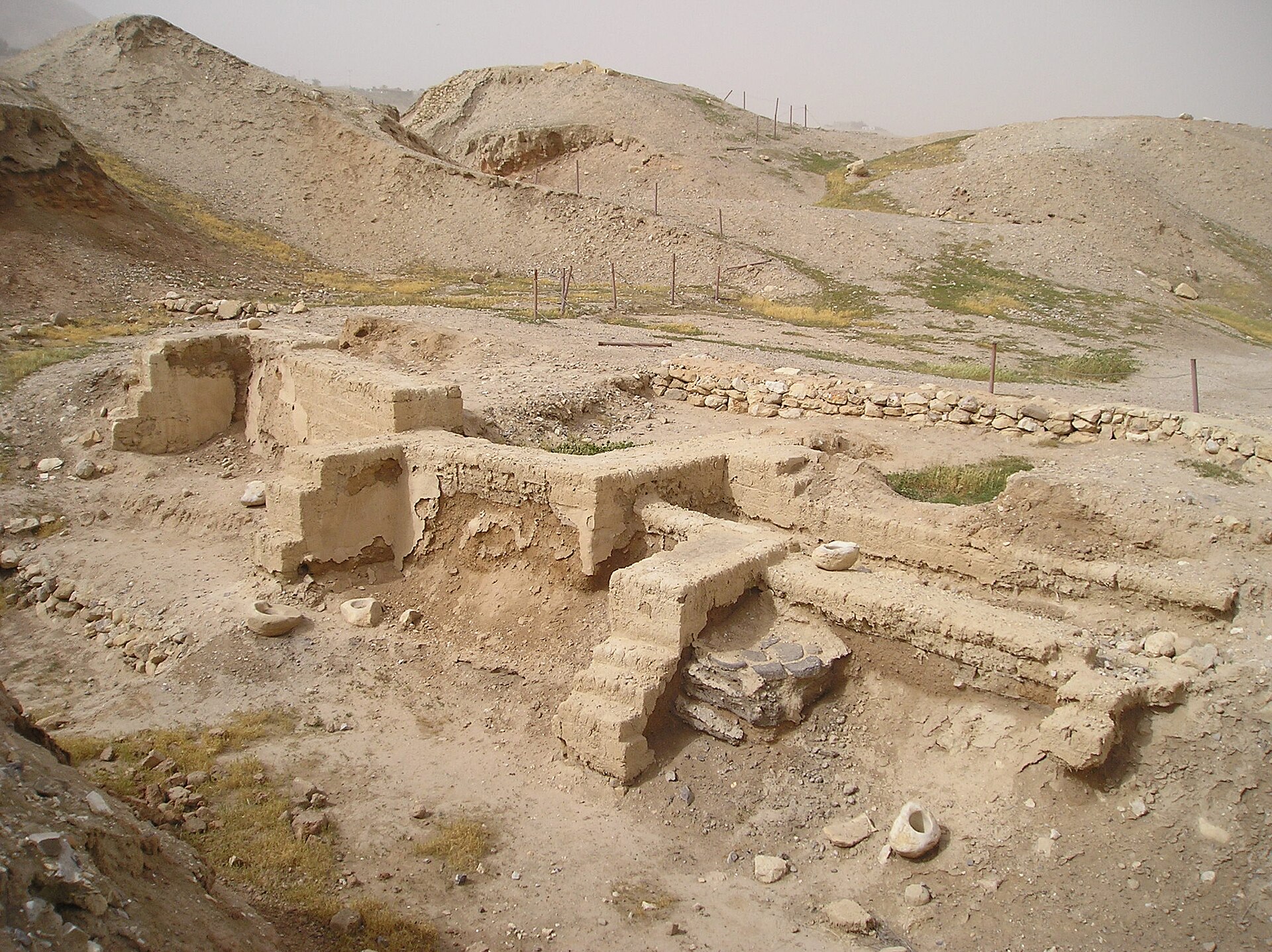
Tell es-Sultan (Arabic: تل السلطان, lit. Sultan's Hill), also known as Tel Jericho or Ancient Jericho, is an archaeological site and a UNESCO World Heritage Site (since 2023) in Palestine, in the city of Jericho, consisting of the remains of the oldest fortified city in the world. The site is managed as a National Archaeological Park by the Palestinian Ministry of Tourism and Antiquities/Department of Antiquities and Cultural Heritage (MoTA–DACH), which oversees on-site conservation in continued partnership with the Sapienza University of Rome archaeological expedition.
It is located adjacent to the Ein es-Sultan refugee camp, 2 km (1.2 mi) north of the centre of the Palestinian city of Jericho. The tell was inhabited from the 10th millennium BCE, which makes Jericho among the oldest continually inhabited cities in the world. The site is notable for its role in the history of Levantine archaeology.
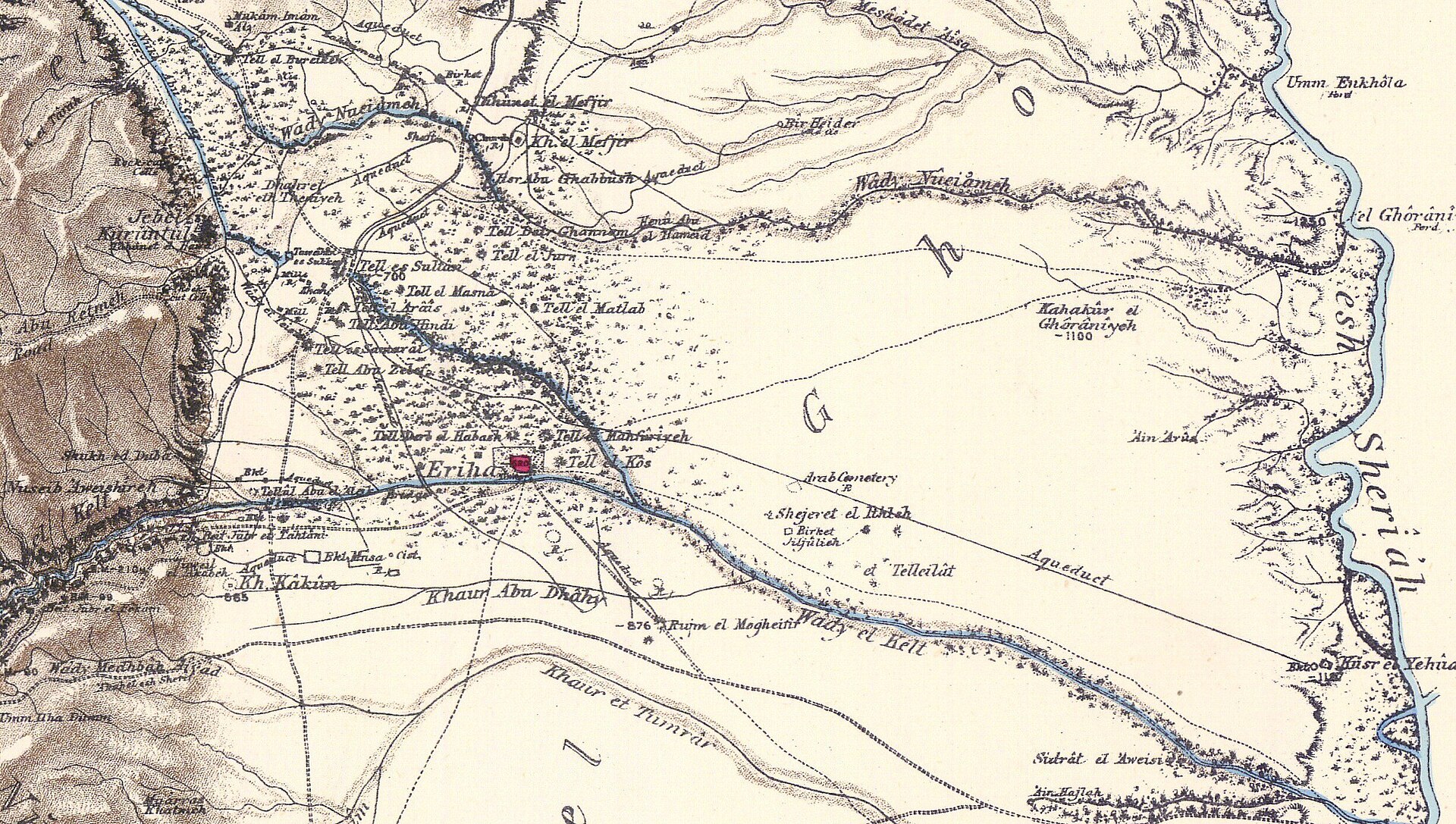
The area was first identified as the site of ancient Jericho in modern times by Charles Warren in 1868, on the basis of its proximity to the large spring of Ein es-Sultan, that had been proposed as the spring of Elisha by Edward Robinson three decades earlier.
Text from Wikipedia, licensed CC BY-SA 4.0.