No. 171
Hypatia

- Where
- Alexandria
- Culture
- Alexandria
- Lived
- 355-415 CE
- Why they matter
- A mathematician and astronomer who taught in Alexandria.
- Fate
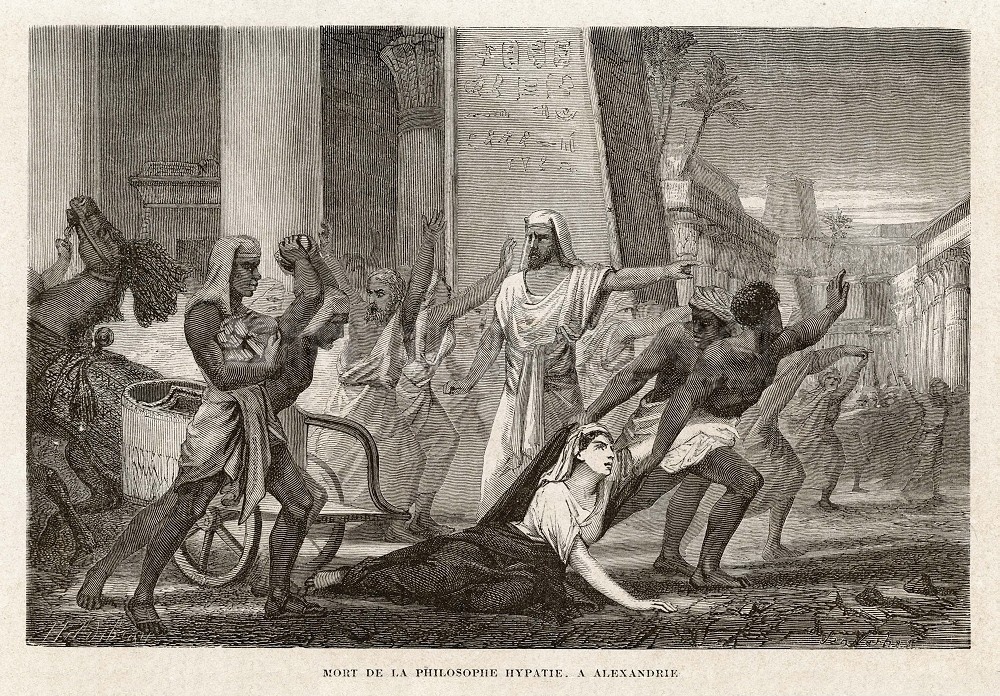
- Murdered by a mob.

Lyra Kael can take you here on the globe, tell you the story out loud and answer your questions. Start the time jump.
Background
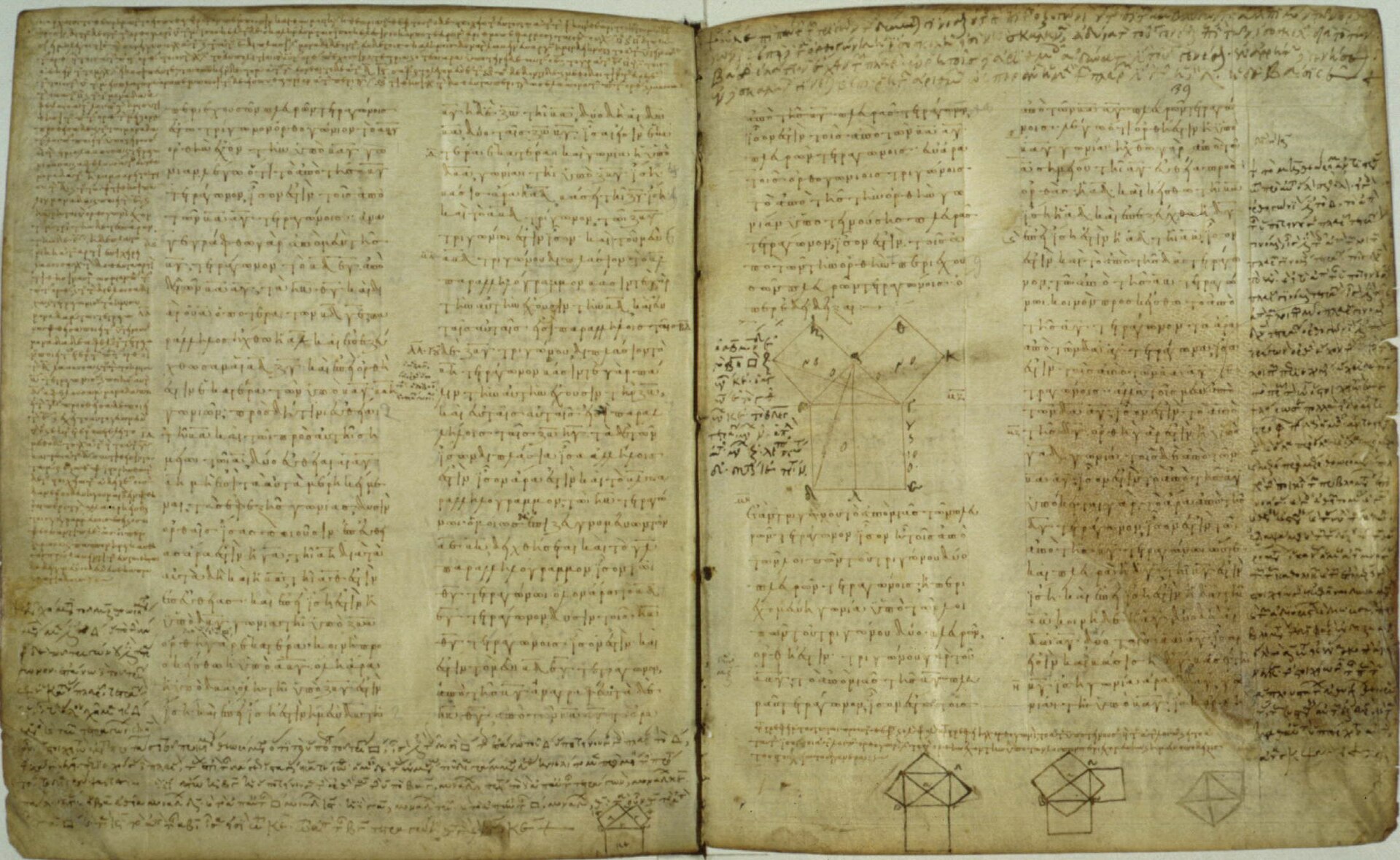
Hypatia (born c. 350–370 – March 415 AD) was a Neoplatonist philosopher, astronomer, and mathematician who lived in Alexandria, at that time in the province of Egypt and a major city of the Roman Empire. In Alexandria, Hypatia was a prominent thinker who taught subjects including philosophy and astronomy, and in her lifetime was renowned as a great teacher and a wise counselor. Not the only fourth century Alexandrian female mathematician, Hypatia was preceded by Pandrosion. However, Hypatia is the first female mathematician whose life is reasonably well recorded. She wrote a commentary on Diophantus's thirteen-volume Arithmetica, which may survive in part, having been interpolated into Diophantus's original text, and another commentary on Apollonius of Perga's treatise on conic sections, which has not survived. Many modern scholars also believe that Hypatia may have edited the surviving text of Ptolemy's Almagest, based on the title of her father Theon's commentary on Book III of the Almagest.
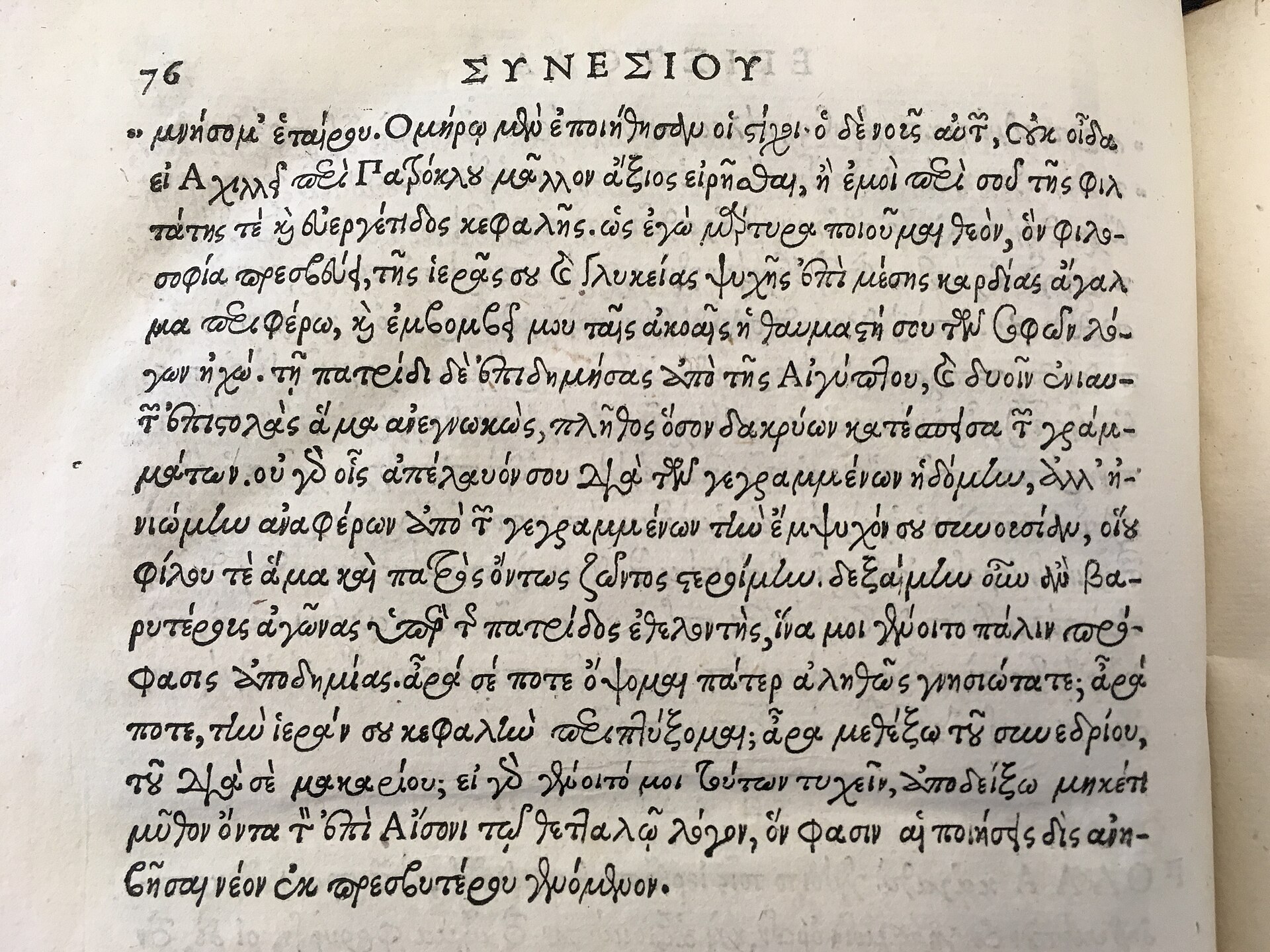
Hypatia constructed astrolabes and hydrometers, but did not invent either of these, which were both in use long before she was born. She was tolerant toward Christians and taught many Christian students, including Synesius, the future bishop of Ptolemais. Ancient sources record that Hypatia was widely beloved by pagans and Christians alike and that she established great influence with the political elite in Alexandria. Toward the end of her life, Hypatia advised Orestes, the Roman prefect of Alexandria, who was in the midst of a political feud with Cyril, the bishop of Alexandria. Rumors spread accusing her of preventing Orestes from reconciling with Cyril and, in March 415 AD, she was murdered by a mob of Christians led by a lector named Peter.
Hypatia's murder shocked the empire and transformed her into a "martyr for philosophy", leading future Neoplatonists such as the historian Damascius (c. 458 – c. 538) to become increasingly fervent in their opposition to Christianity. During the Middle Ages, Hypatia was co-opted as a symbol of Christian virtue and scholars believe she was part of the basis for the legend of Saint Catherine of Alexandria. During the Age of Enlightenment, she became a symbol of opposition to Catholicism. In the nineteenth century, European literature, especially Charles Kingsley's 1853 novel Hypatia, romanticized her as "the last of the Hellenes"
Text from Wikipedia, licensed CC BY-SA 4.0.