No. 164
Homer

- Where
- Greece
- Culture
- Greece
- Lived
- 700s BCE
- Why they matter
- The poet of the Iliad and the Odyssey.
- Fate
- Who he was, or whether he was one person, is unknown.

Lyra Kael can take you here on the globe, tell you the story out loud and answer your questions. Start the time jump.
Background
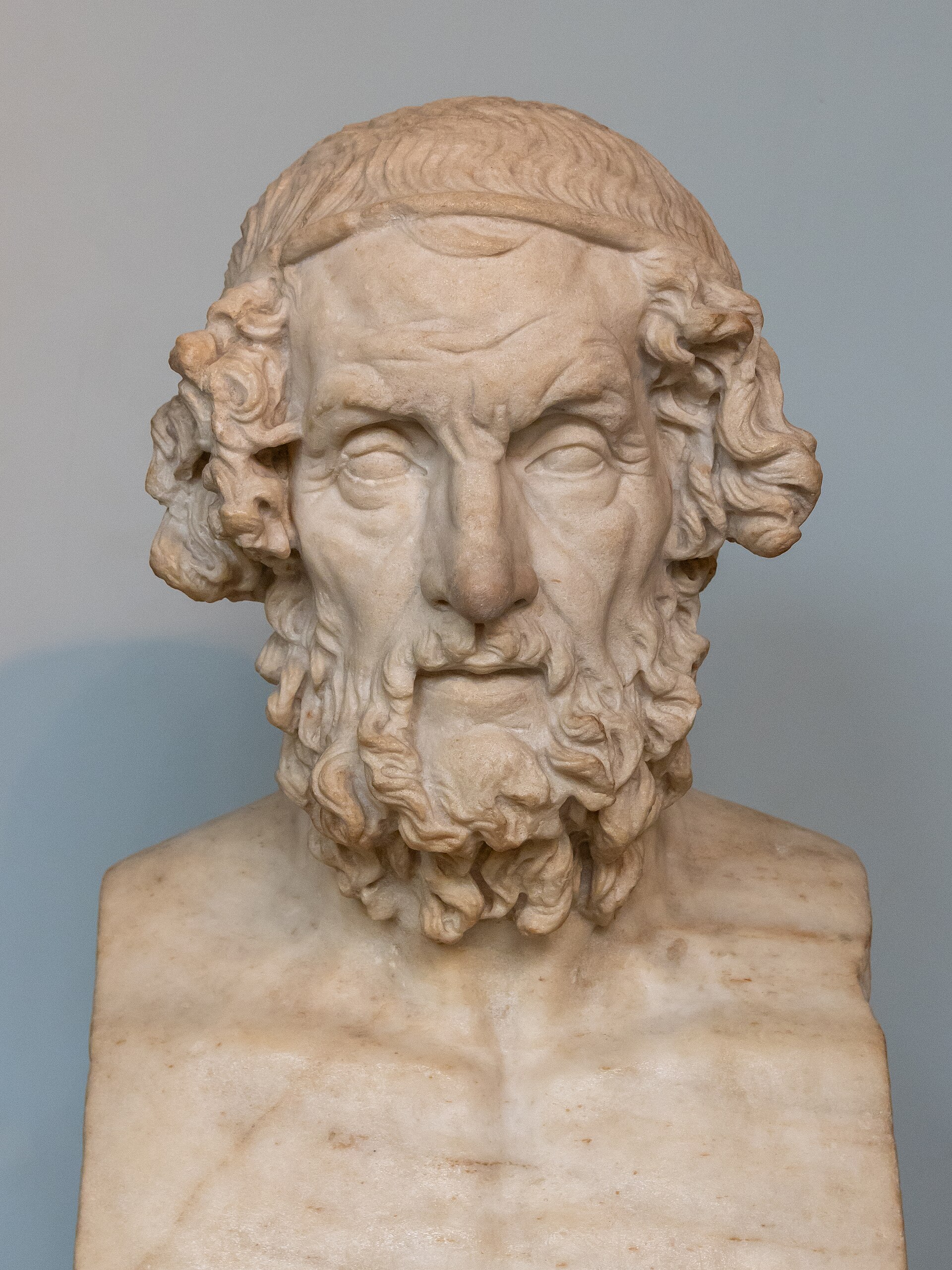
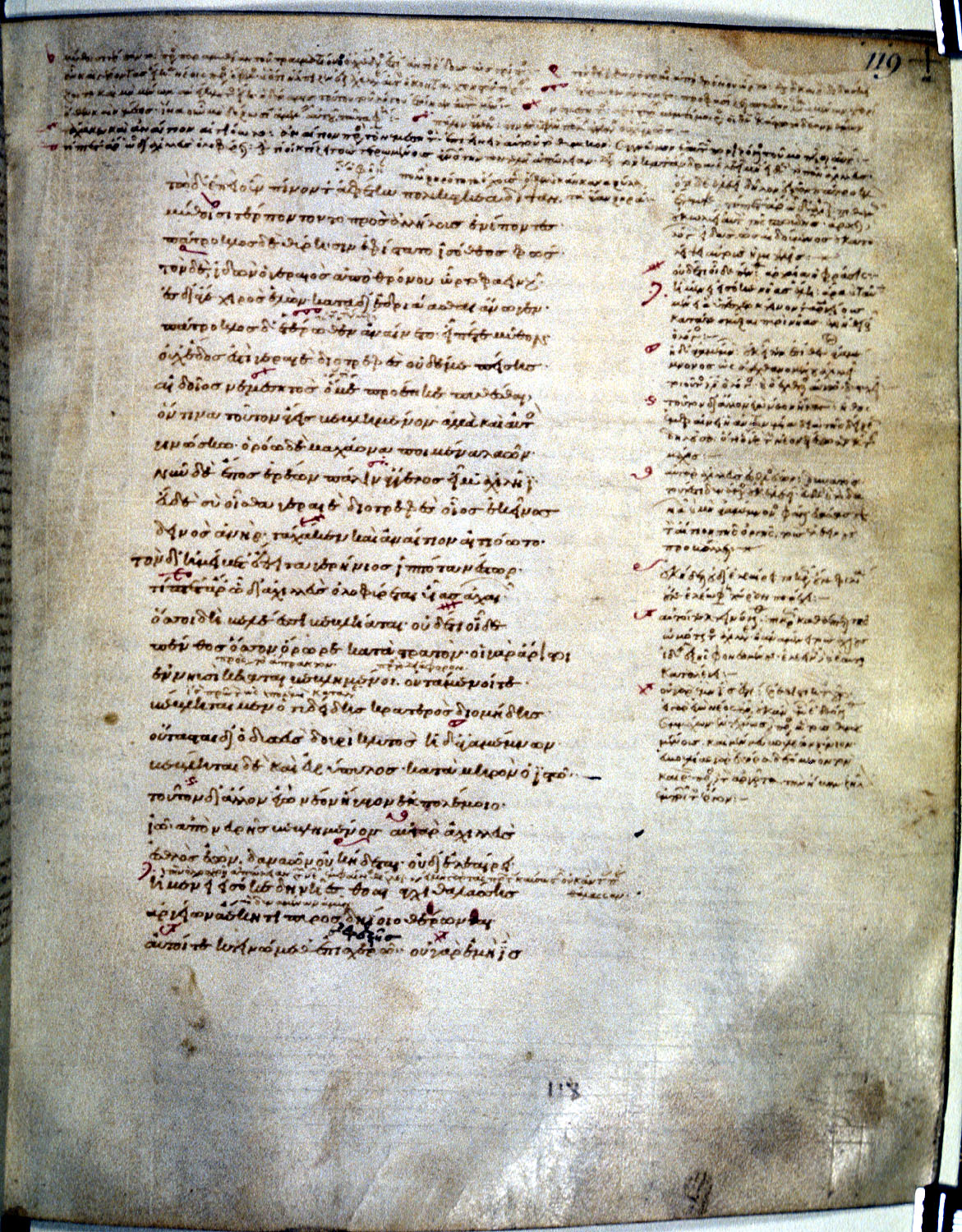
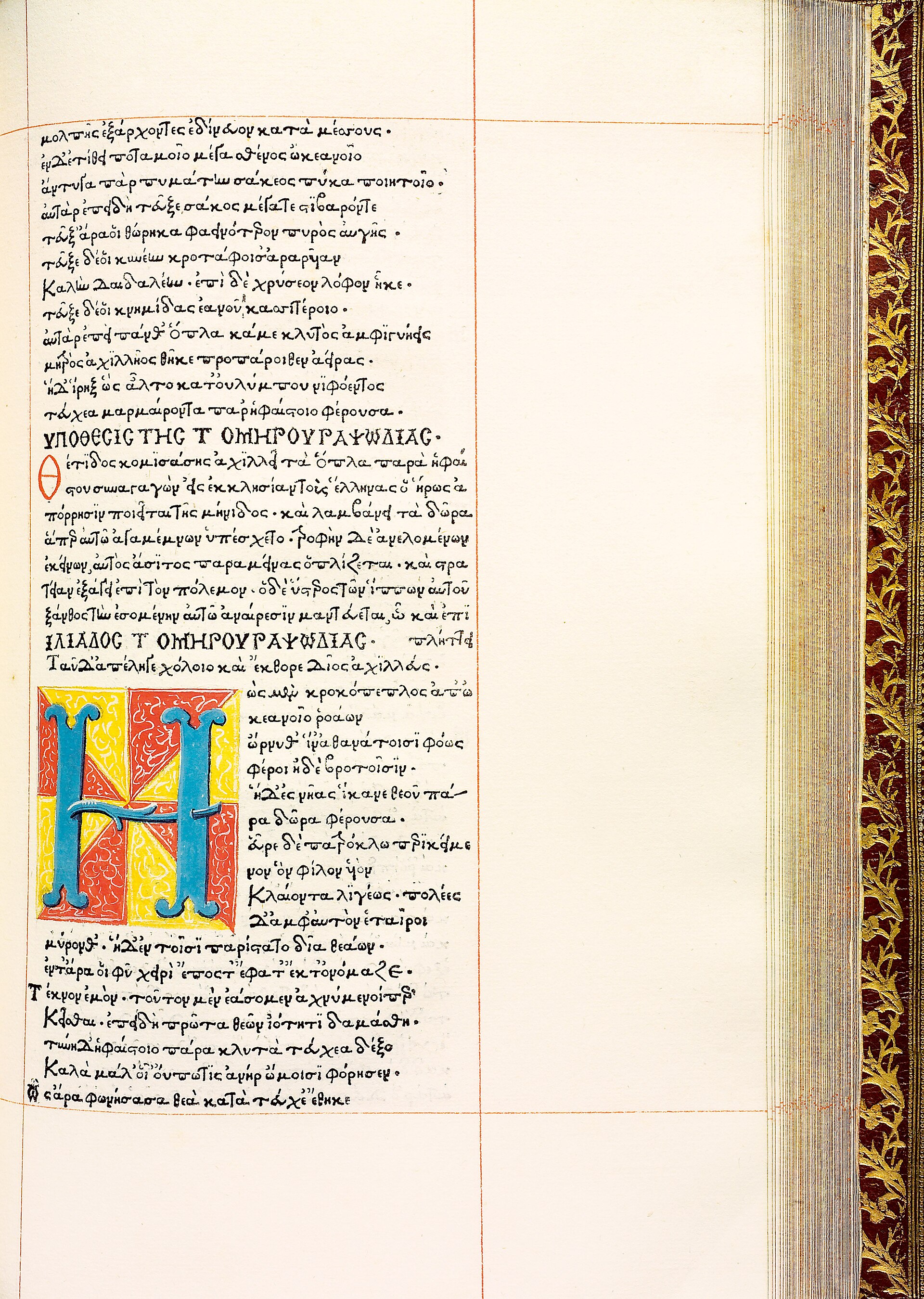
Homer (; Ancient Greek: Ὅμηρος [hómɛːros], Hómēros; possibly born c. 8th century BC) was an ancient Greek poet who is traditionally credited as the author of the Iliad and the Odyssey, two epic poems that are foundational works of ancient Greek literature. Homer was highly revered in ancient Greek society and is considered one of the most influential authors in history. The question of Homer's identity and existence—dubbed the "Homeric Question"—continues to be debated, and scholars generally regard the two poems as the works of separate authors.
The Iliad centers on a quarrel between King Agamemnon and the warrior Achilles during the last year of the Trojan War. The Odyssey chronicles the ten-year journey of Odysseus, king of Ithaca, back to his home after the fall of Troy. The epics depict man's struggle, the Odyssey especially so, as Odysseus perseveres through the punishment of the gods. The poems are in Homeric Greek, also known as Epic Greek, a literary language that shows a mixture of features of the Ionic and Aeolic dialects from different centuries; the predominant influence is Eastern Ionic. Most researchers believe that the poems were originally transmitted orally. Despite being predominantly known for their tragic and serious themes, the Homeric poems also contain instances of comedy and laughter.
The Homeric poems shaped aspects of ancient Greek culture and education, fostering ideals of heroism, glory, and honor. To Plato, Homer was in simple words the one who "has educated Greece" (τὴν Ἑλλάδα πεπαίδευκεν, tēn Helláda pepaídeuken). In Dante's Divine Comedy, Virgil refers to Homer as "Poet sovereign", king of all poets; in the preface to his translation of the Iliad, Alexander Pope acknowledges that Homer has always been considered the "greatest of poets". From antiquity to the present, Homeric epics have inspired many famous works of literature, music, art, and film.
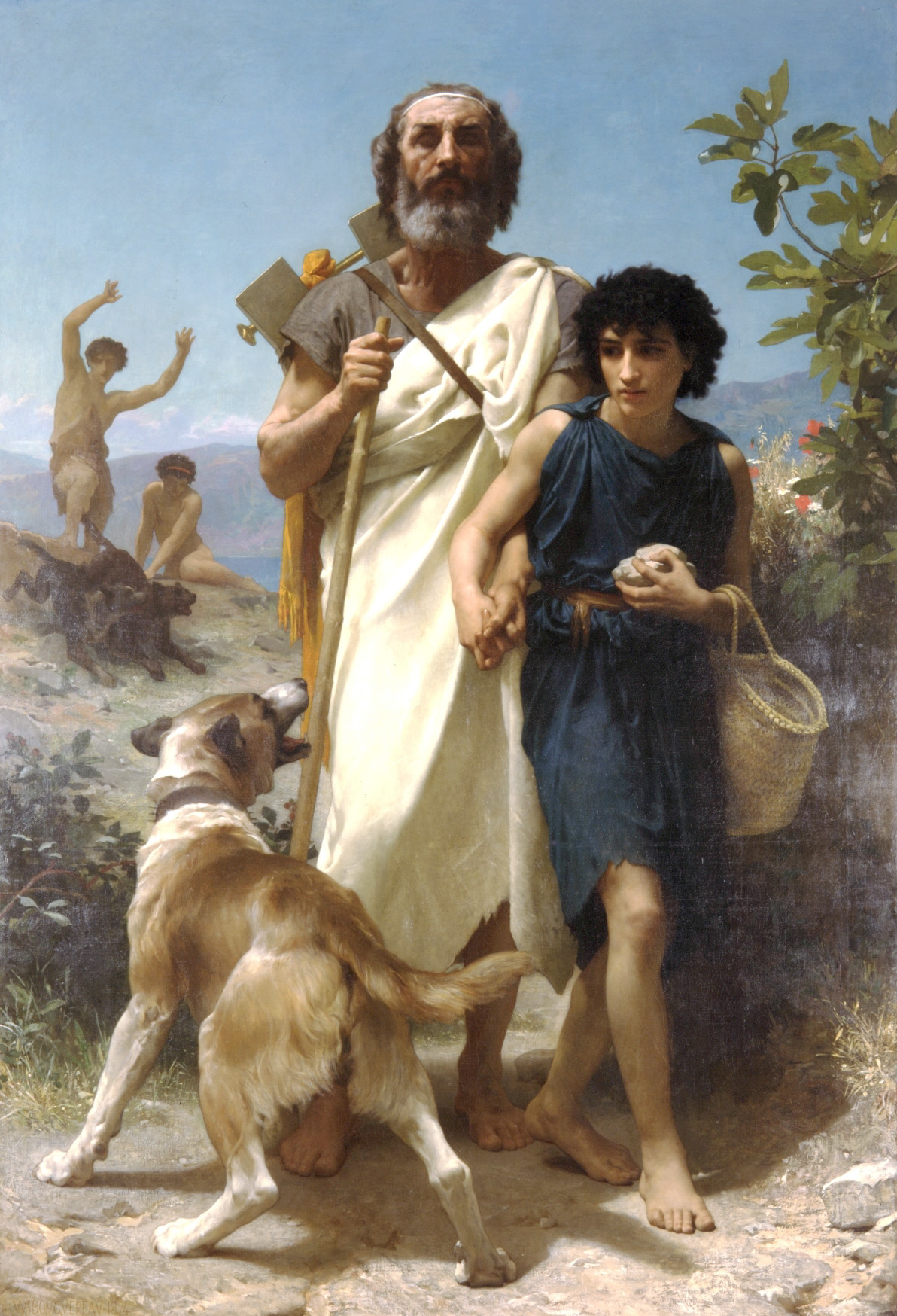
The questions of by whom, when, where, and under what circumstances the Iliad and Odyssey were composed are the subject of continued scholarship. It is thought that the poems were composed at some point around the late eighth or early seventh century BC. Many accounts of Homer's life circulated in classical antiquity, the most widespread that he was a blind bard from Ionia, a region including the central part of the western coast of Anatolia in present-day Turkey, and the Greek isl
Text from Wikipedia, licensed CC BY-SA 4.0.