No. 189
Himiko

- Where
- Japan
- Culture
- Japan
- Lived
- about 170-248 CE
- Why they matter
- A shaman queen of Yamatai known from Chinese records.
- Fate
- The location of her tomb is still argued.

Lyra Kael can take you here on the globe, tell you the story out loud and answer your questions. Start the time jump.
Background
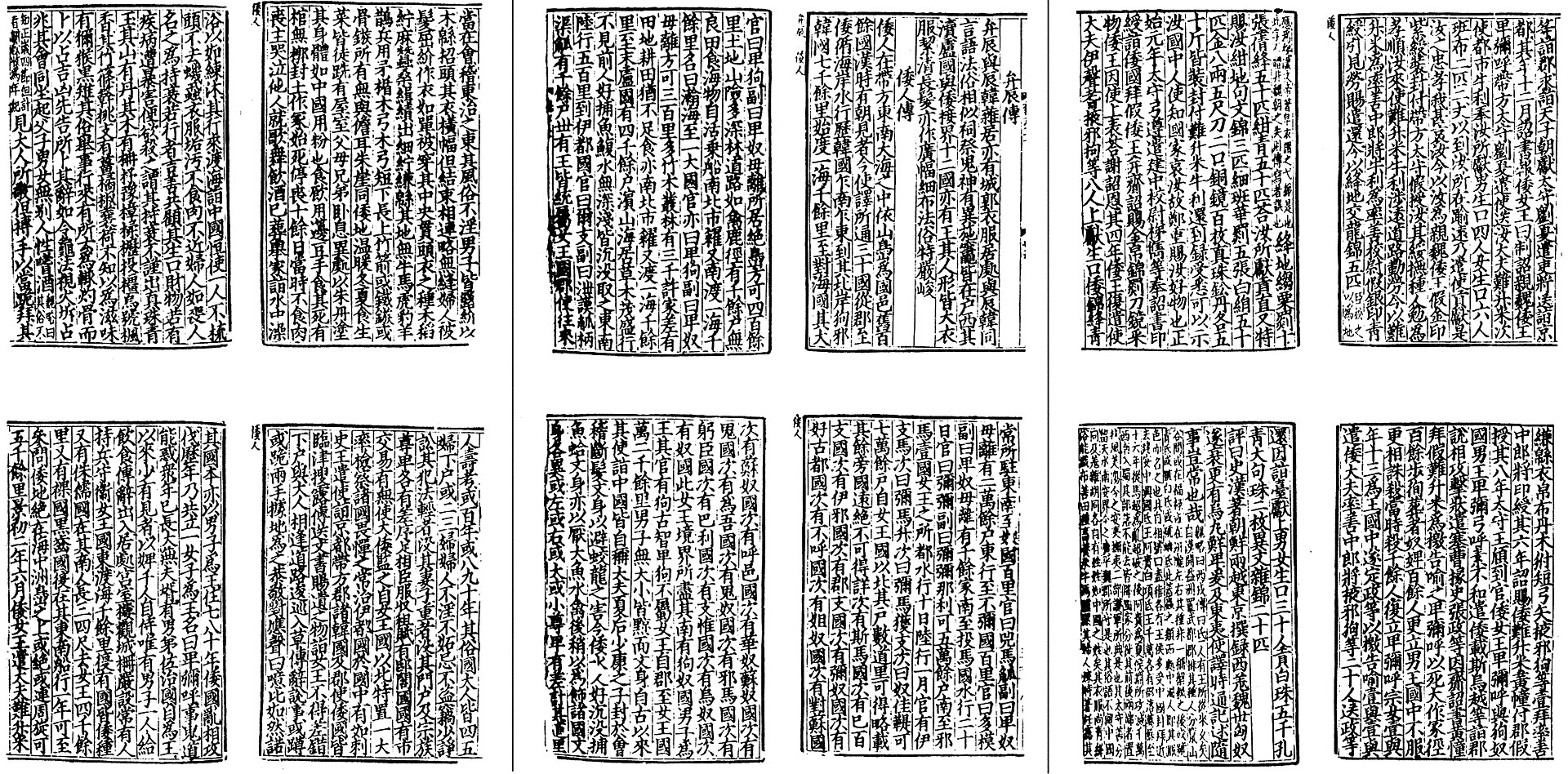
Himiko (卑弥呼; c. 170–247/248 AD), also known as the Shingi Waō (親魏倭王; "Ruler of Wa, Friend of Wei"), was a shamaness-queen of Yamatai-koku in Wakoku (倭国). Early Chinese dynastic histories chronicle tributary relations between Queen Himiko and the Cao Wei Kingdom (220–265) and record that the Yayoi period people chose her as ruler following decades of warfare among the kings of Wa. Early Japanese histories do not mention Himiko, but historians associate her with legendary figures such as Empress Consort Jingū, who is said to have served as regent from 201 to 269.
Scholarly debates over the identity of Himiko and the location of her domain, Yamatai, have raged since the late Edo period, with opinions divided between northern Kyūshū or traditional Yamato Province in present-day Kinki. The "Yamatai controversy", writes Keiji Imamura, is "the greatest debate over the ancient history of Japan." A prevailing view among scholars is that she may be buried at Hashihaka Kofun in Nara Prefecture.
She came to power aged 20 in 190, and died in either 247 or 248.
Text from Wikipedia, licensed CC BY-SA 4.0.