No. 26
Hattusa

- Where
- Turkey
- Built by
- Hittites
- Era
- 1650-1200 BCE
- Known for
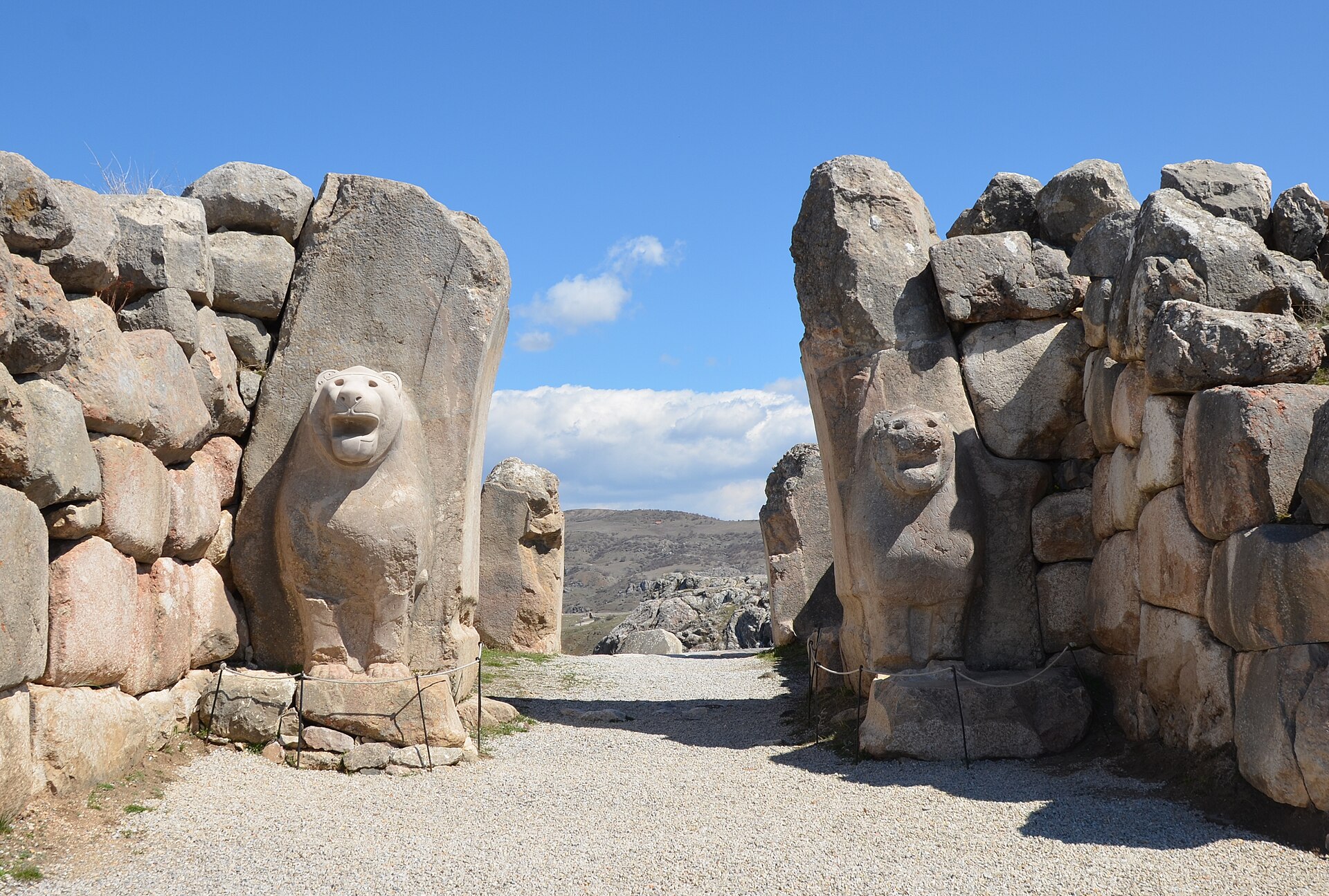
- The Lion Gate and the archive of the earliest known peace treaty.
- How it ended
- Burned and abandoned in the Bronze Age collapse.

Lyra Kael can take you here on the globe, tell you the story out loud and answer your questions. Start the time jump.
Background
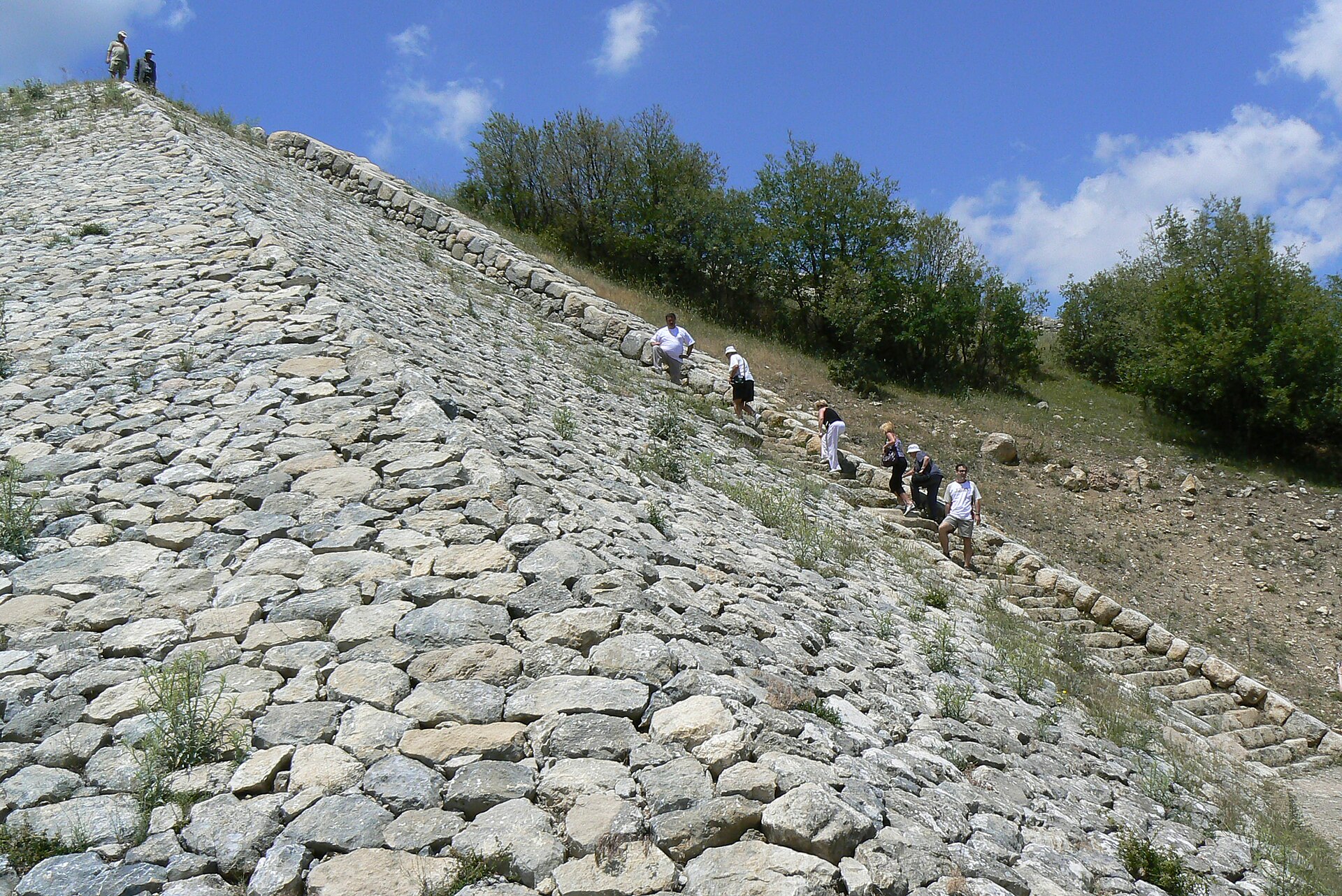
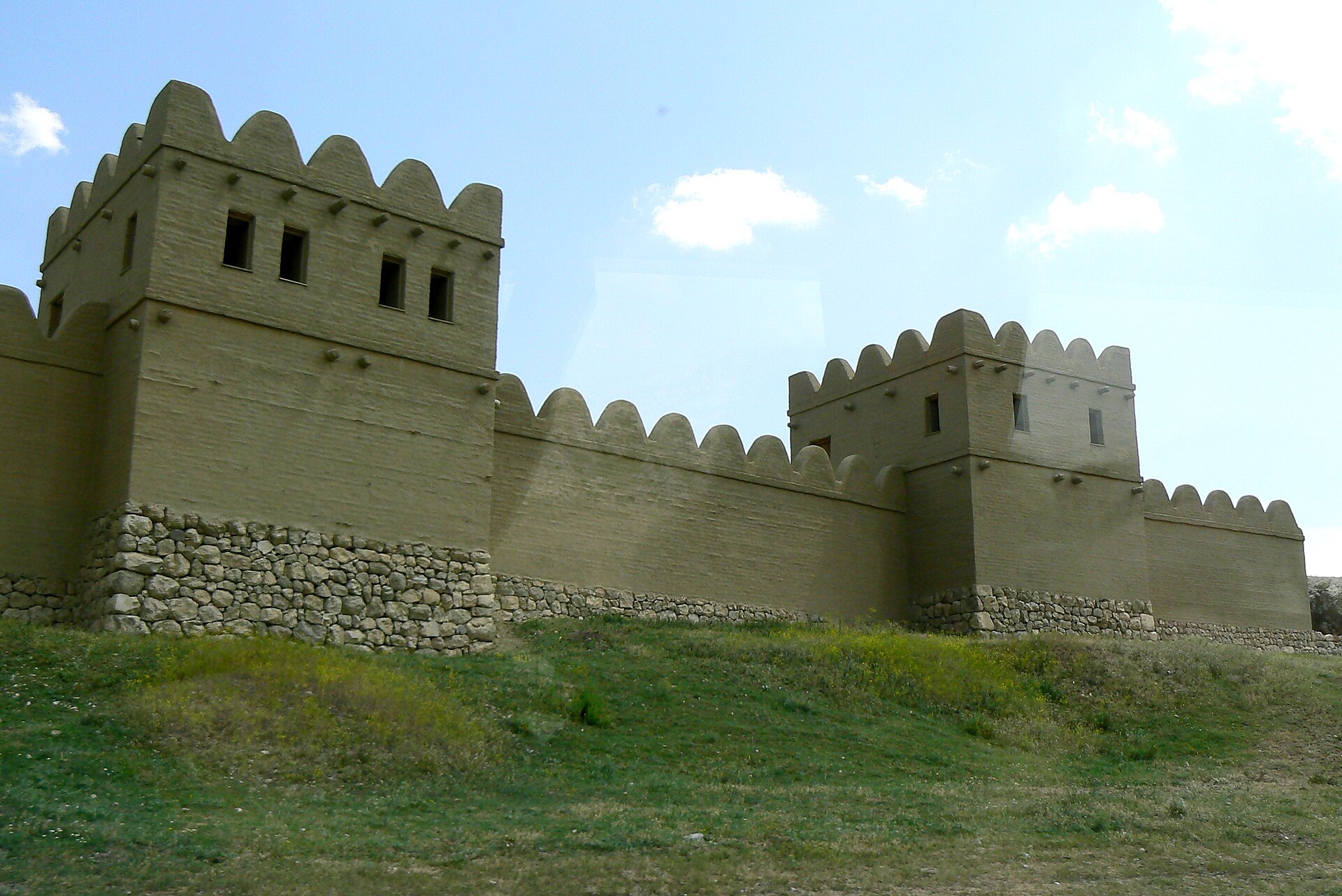
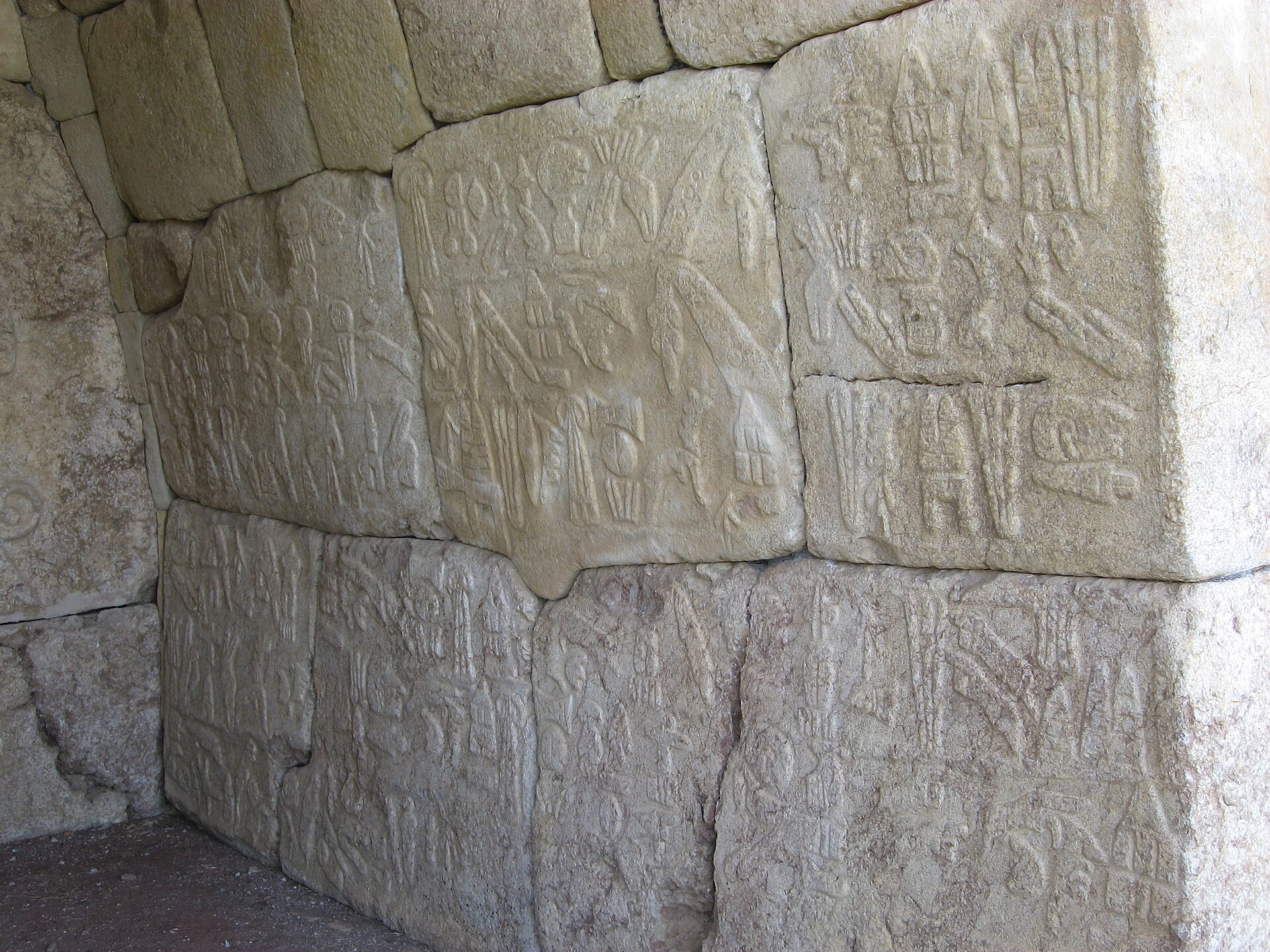
Hattusa, also Hattuşa, Ḫattuša, Hattusas, or Hattusha, was the capital of the Hittite Empire in the late Bronze Age during two distinct periods. Its ruins lie near to modern Boğazkale, Turkey (originally Boğazköy), within the great loop of the Kızılırmak River (Hittite: Marashantiya; Greek: Halys).
French archeologist Charles Texier brought attention to the ruins after his visit in 1834. Over the following century, sporadic exploration occurred, involving different archaeologists. The German Oriental Society and the German Archaeological Institute began systematic excavations in the early 20th century, which continue to this day. Hattusa was added to the UNESCO World Heritage Site list in 1986.
Text from Wikipedia, licensed CC BY-SA 4.0.