No. 157
Hammurabi

- Where
- Babylon
- Culture
- Babylon
- Lived
- reigned 1792-1750 BCE
- Why they matter
- Carved one of the earliest written law codes.
- Fate
- Babylon's power slipped under his heirs.


Lyra Kael can take you here on the globe, tell you the story out loud and answer your questions. Start the time jump.
Background
Hammurabi (; Old Babylonian Akkadian: 𒄩𒄠𒈬𒊏𒁉, romanized: Ḫammu-rāpi; Akkadian: [xammuˈraːpʰi]; c. 1810 BC – c. 1750 BC), also spelled Hammurapi, was the sixth Amorite king of Babylon, reigning from c. 1792 BC to c. 1750 BC. He was preceded by his father, Sin-muballit.
During his reign, he conquered the powerful kingdoms of Larsa, Eshnunna, and Mari, bringing almost all of Mesopotamia under Babylonian rule. It was under his rule that Babylon rose to the status of a leading kingdom on the political stage of the Middle East, and that the foundations were laid for it to become one of the major cities of ancient history.
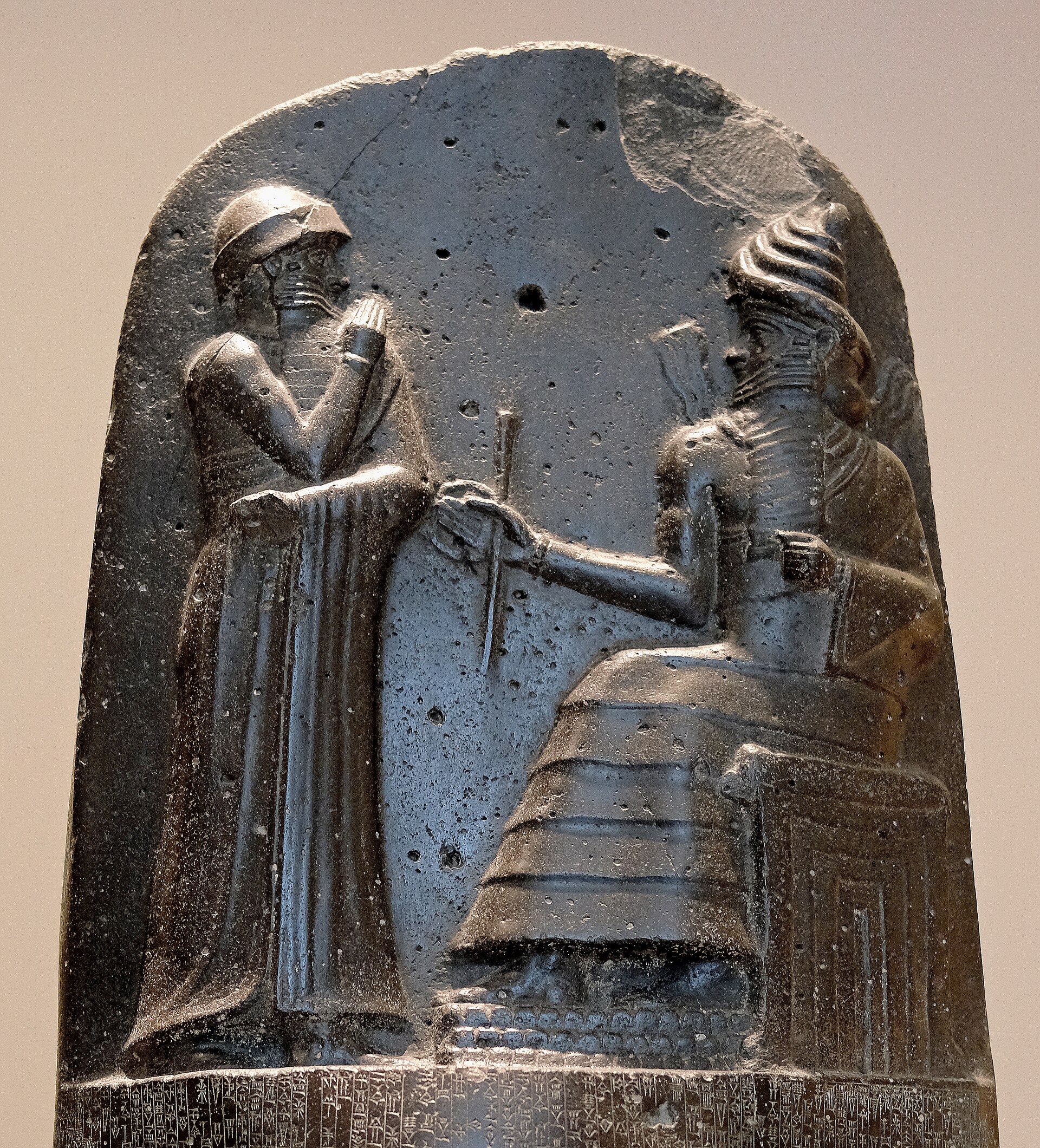
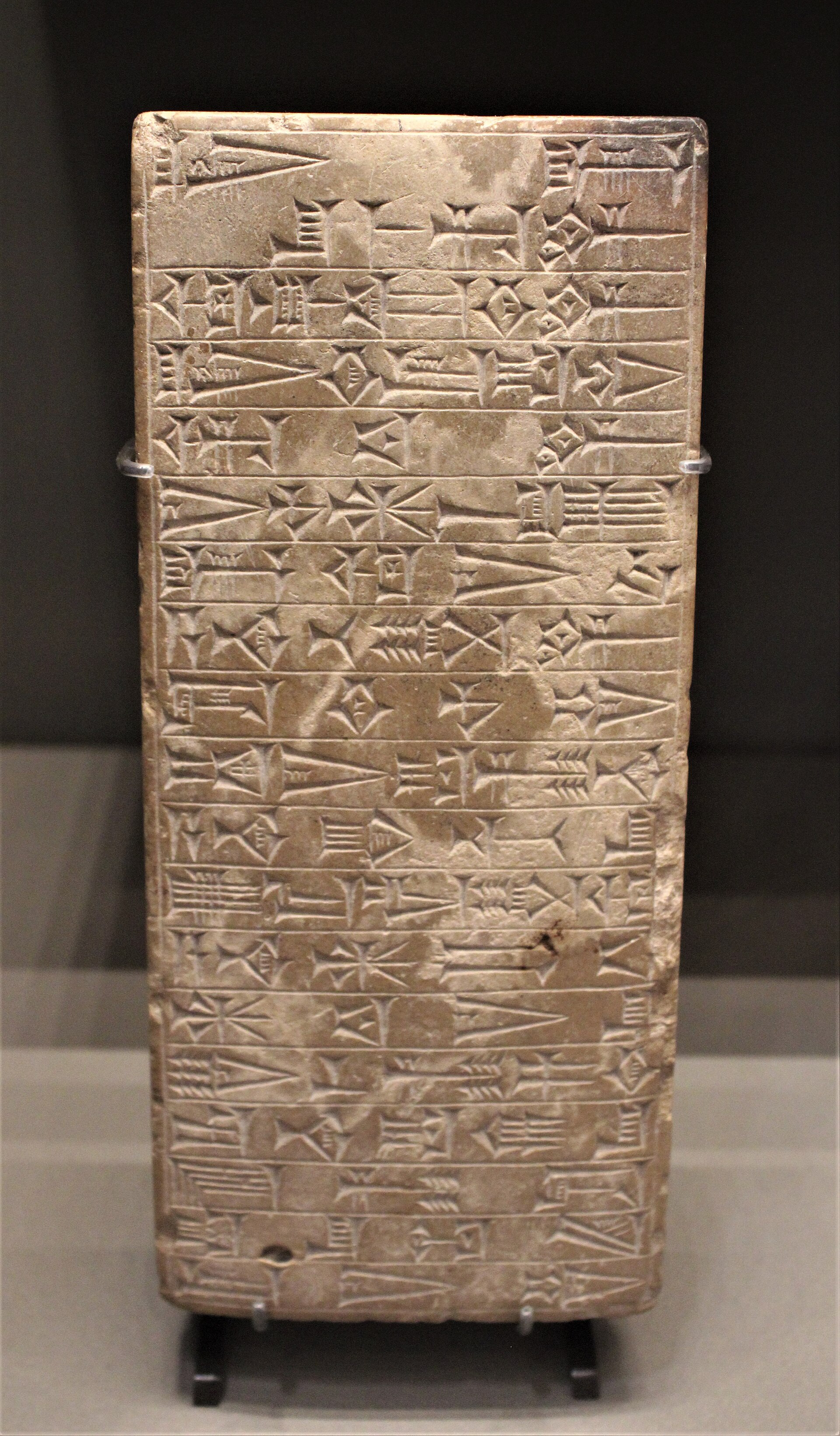
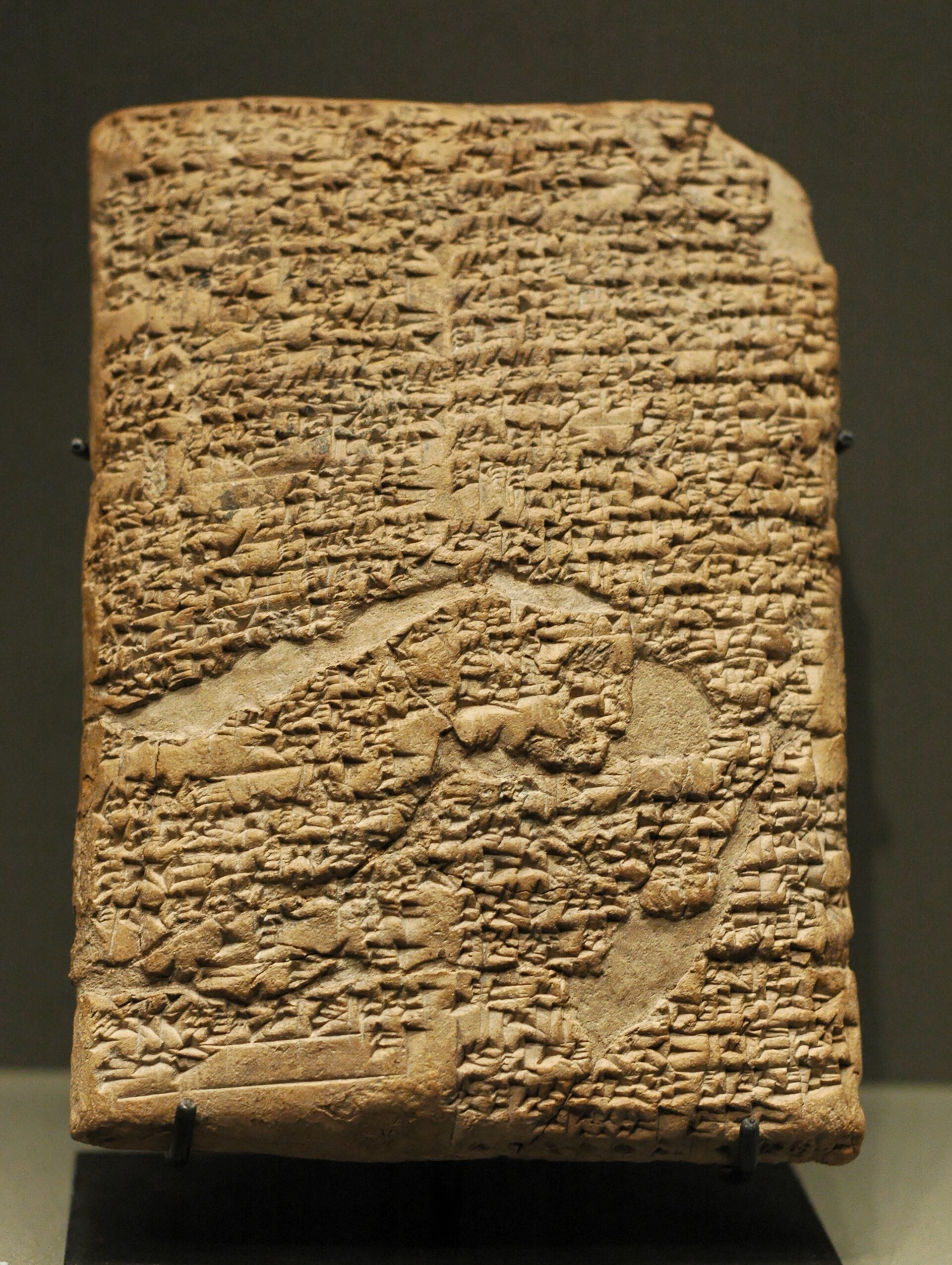
Hammurabi is best known for having issued his law code, said to have been inspired by Shamash, the Babylonian god of Justice. It is one of the oldest legal texts ever discovered, and the longest to have survived from the ancient Near East. His reign is also one of the Mesopotamian reigns best documented by written records, particularly thanks to the correspondence unearthed in two of the cities he subjugated, Larsa and Mari, which sheds light on various facets of how he exercised power during the second half of his reign.
His son Samsu-iluna succeeded him but failed to maintain the empire he had built. After his death, Hammurabi was revered as a great conqueror, but later his military accomplishments became de-emphasized and his role as the ideal lawgiver became the primary aspect of his legacy. Hammurabi was rediscovered by archaeologists in the late 19th century and has since been seen as an important figure in the history of law.
Text from Wikipedia, licensed CC BY-SA 4.0.