No. 66
Hallstatt salt mines

- Where
- Austria
- Built by
- Iron Age Celts
- Era
- 800-400 BCE
- Known for
- Salt mined for 7,000 years; it gave its name to an early Celtic culture.
- How it ended
- Landslides buried the mines and trade shifted west.

Lyra Kael can take you here on the globe, tell you the story out loud and answer your questions. Start the time jump.
Background
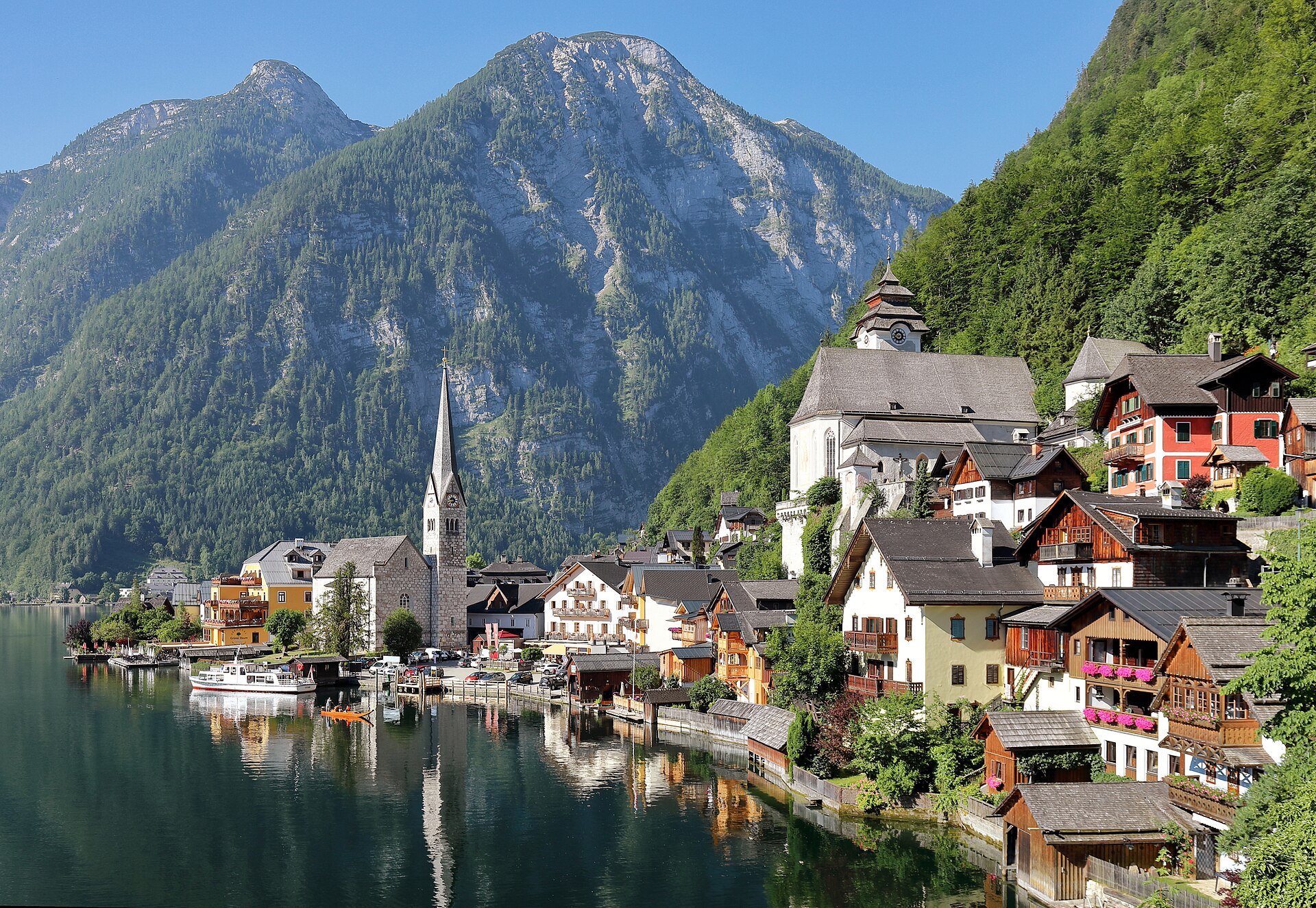
Hallstatt (German: [ˈhalʃtat] ) is a small town in the Gmunden District of the Austrian state of Upper Austria. Situated between the southwestern shore of Hallstätter See and the steep slopes of the Dachstein massif, the town lies in the Salzkammergut region, on the national road linking Salzburg and Graz.
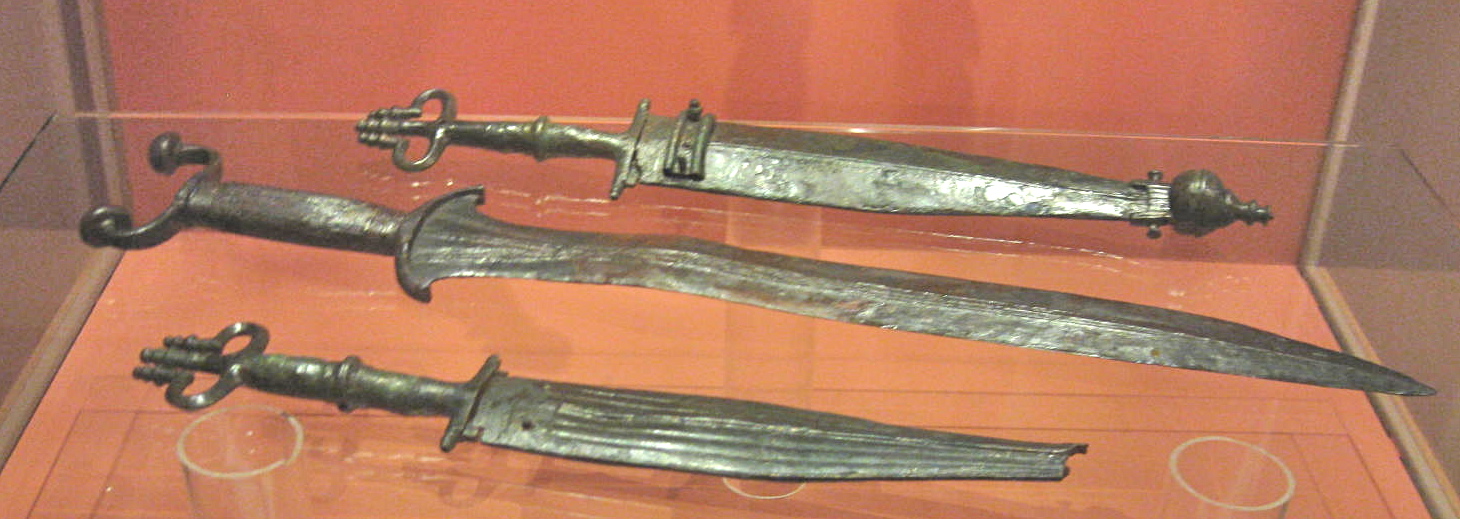
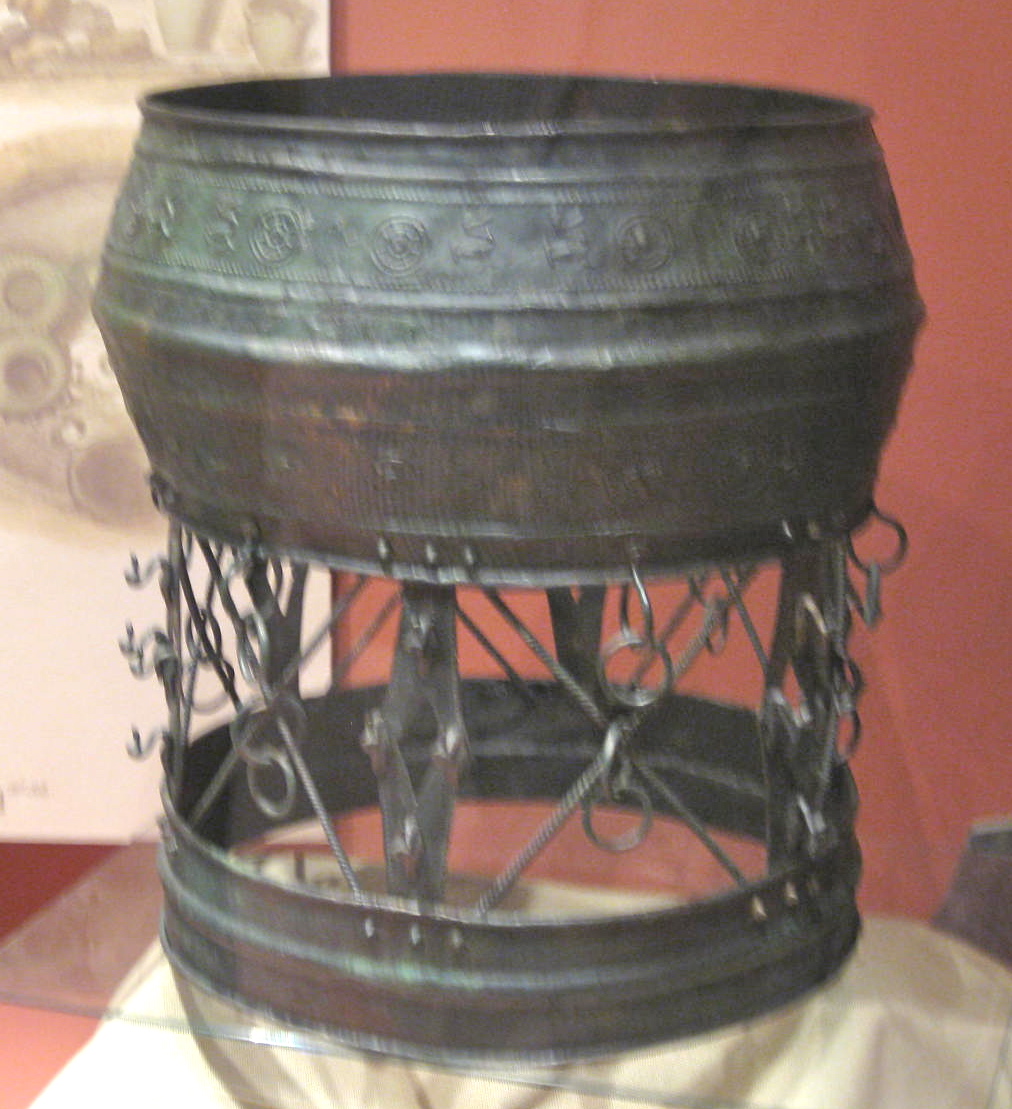
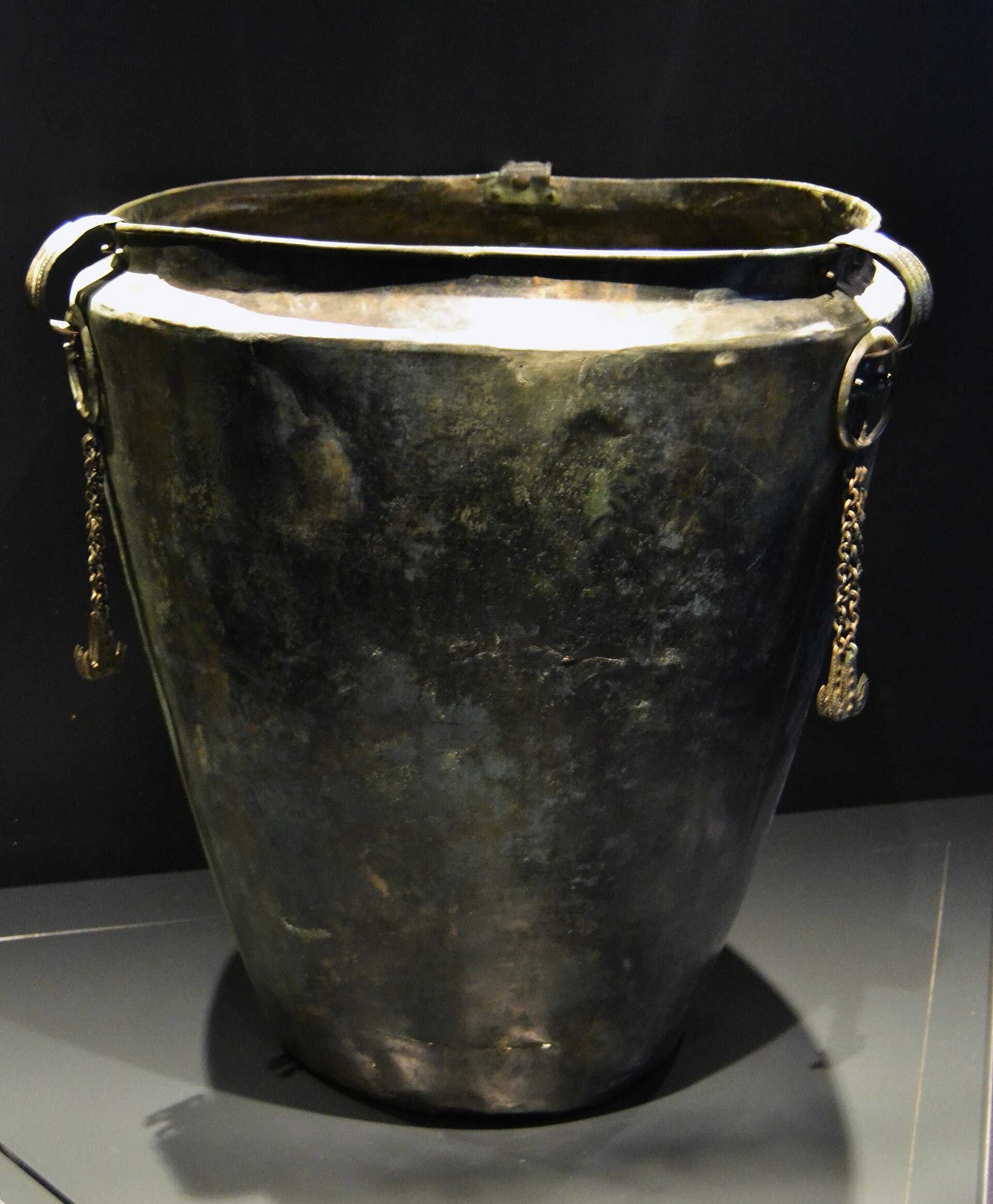
Hallstatt is known for its production of salt, dating back to prehistoric times, and gave its name to the Hallstatt culture, the archaeological culture linked to Proto-Celtic and early Celtic people of the Early Iron Age in Europe, c. 800–450 BC.
Hallstatt is at the core of the Hallstatt-Dachstein/Salzkammergut Cultural Landscape declared as one of the World Heritage Sites in Austria by UNESCO in 1997. It is an area of overtourism.
Text from Wikipedia, licensed CC BY-SA 4.0.