No. 183
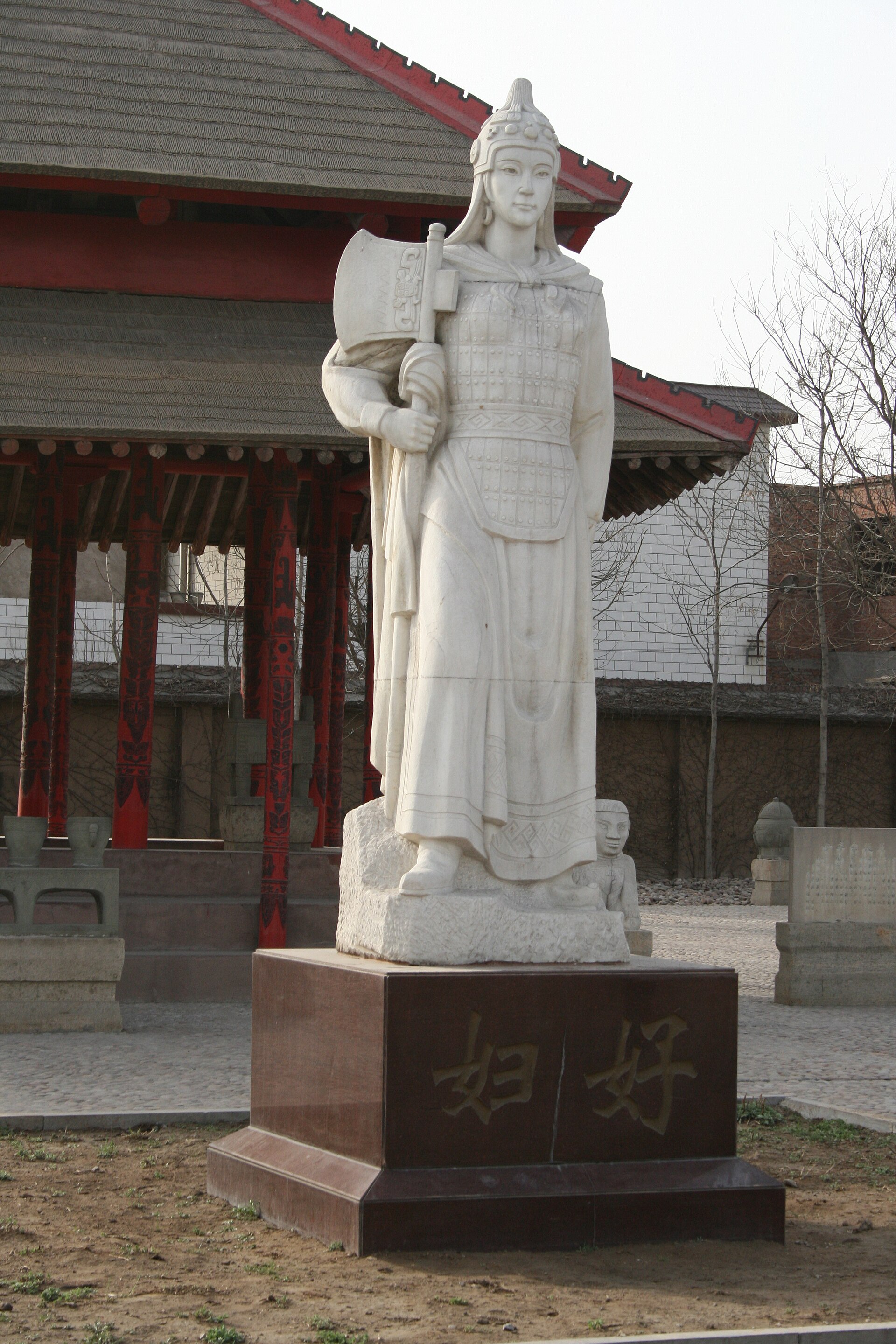
Fu Hao

- Where
- Shang China
- Culture
- Shang China
- Lived
- about 1200 BCE
- Why they matter
- A queen and army general whose tomb was found untouched.
- Fate
- Buried with more than 1,500 objects.

Lyra Kael can take you here on the globe, tell you the story out loud and answer your questions. Start the time jump.
Background
Fu Hao (traditional Chinese: 婦好; simplified Chinese: 妇好; pinyin: Fù Hǎo) died c. 1200 BC, posthumous temple name Mu Xin (母辛), was one of the many wives of King Wu Ding of the Shang dynasty and also served as a military general and high priestess. Fu Hao's life and military achievements are known almost entirely from the contents of her tomb, rather than from literary records.
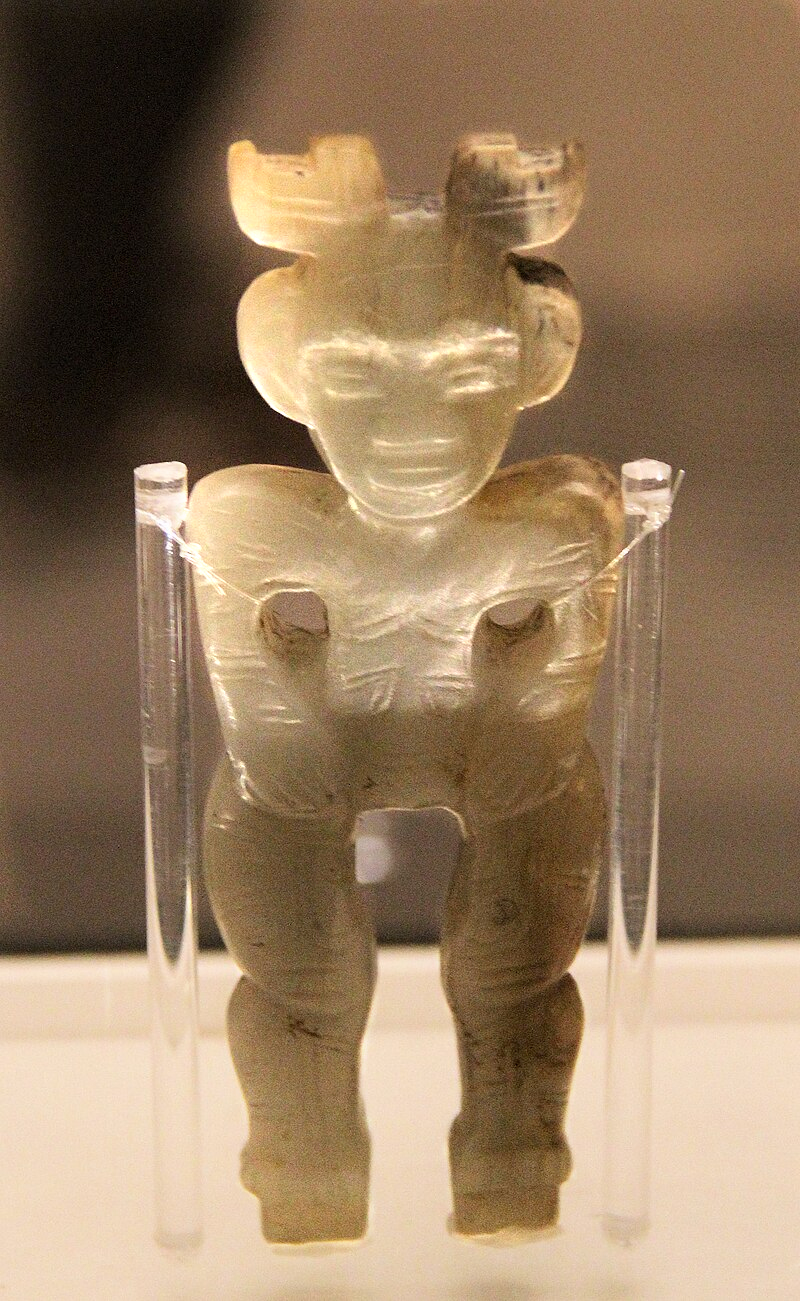
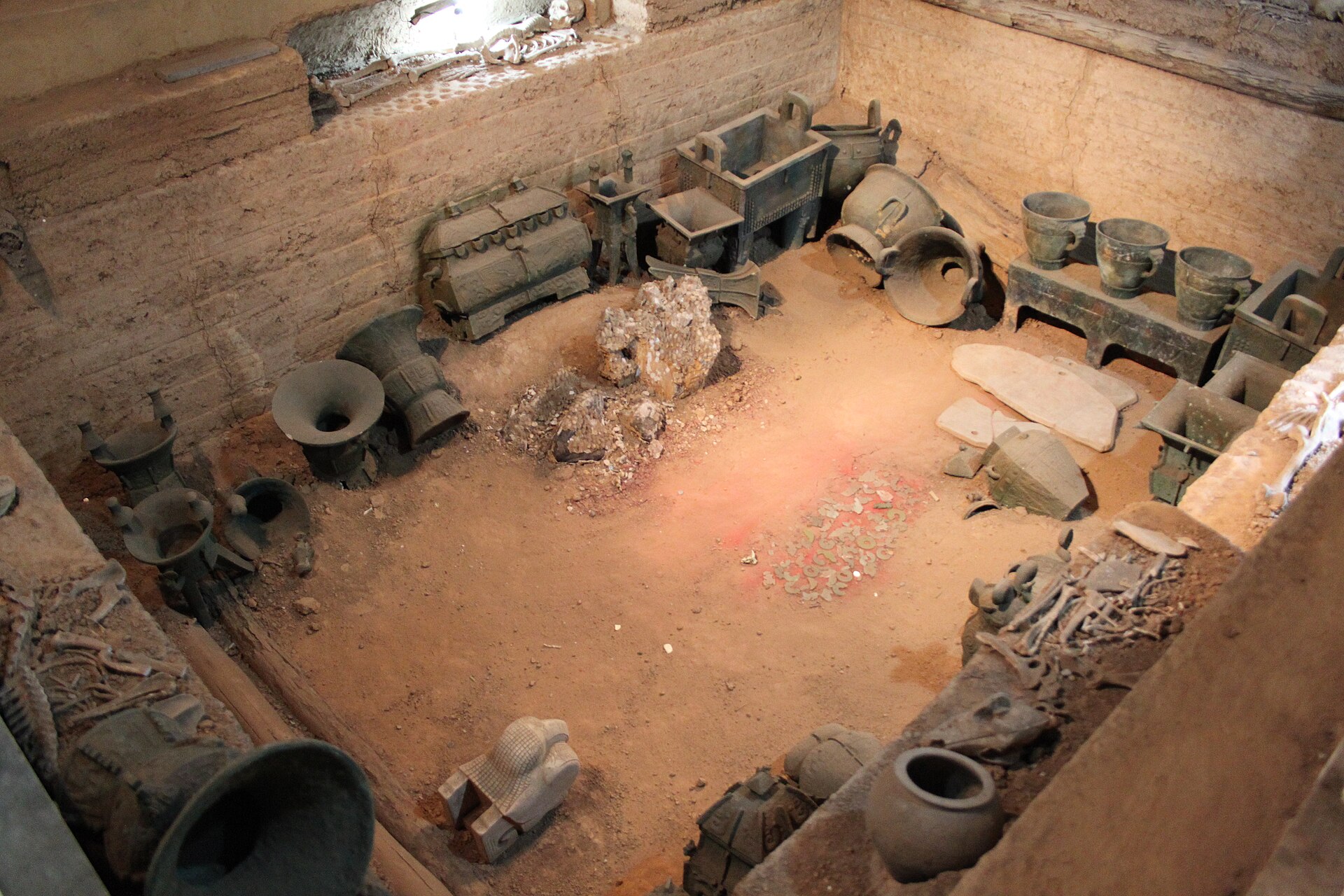
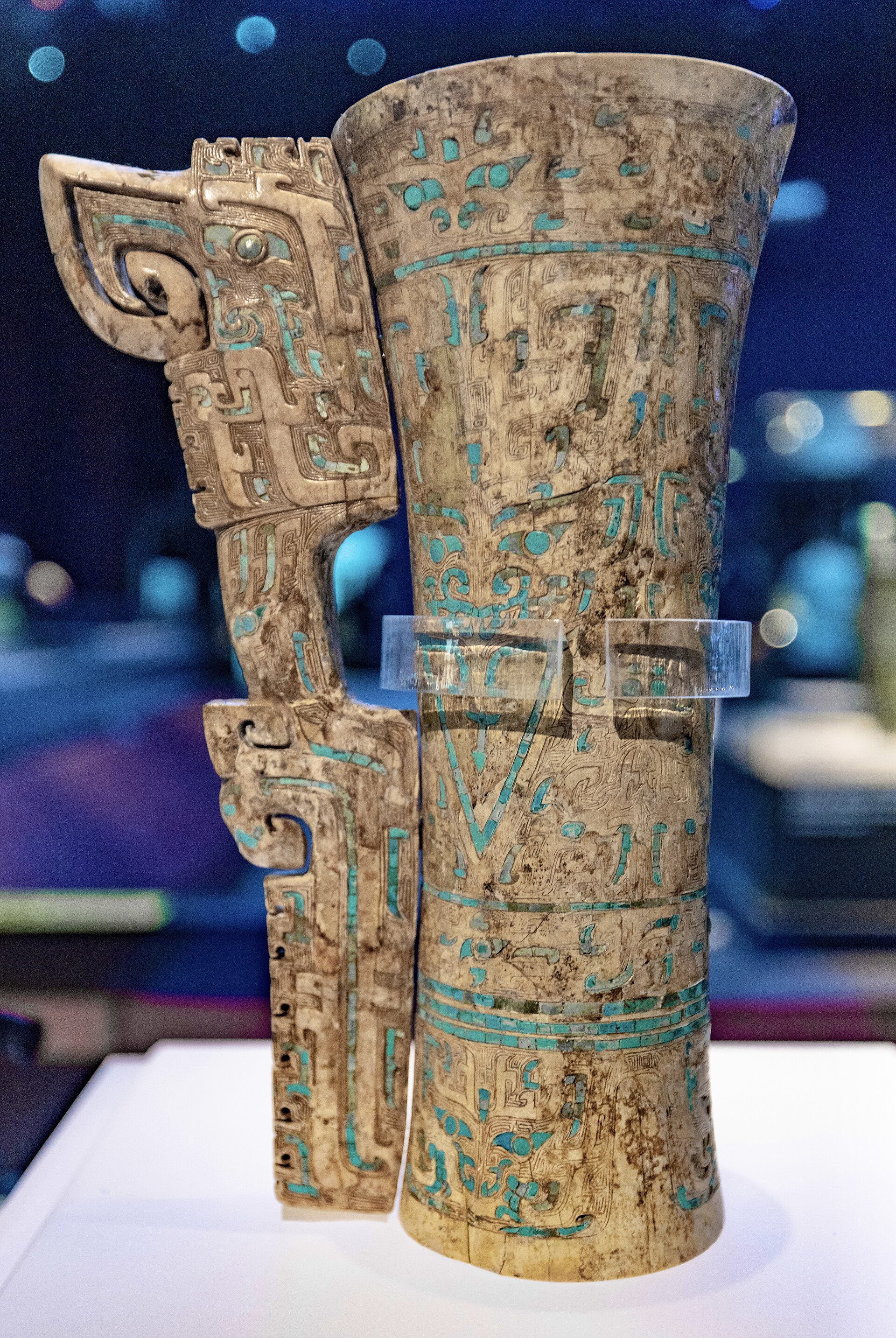
The Tomb of Fu Hao was unearthed intact in 1976 at Yinxu by archaeologist Zheng Zhenxiang, with treasures, known as her 700+ jade objects (Fu Hao was a collector, so some were already antiques), and also her collection of more than 500 bone objects, such as oracle bones (they were from her role as a religious priestess, and were used in her many rituals). Along with the jade and bone objects, Fu Hao was buried with 6 dogs, and 16 human sacrifices. Inside the pit was evidence of a wooden chamber 5 metres (16 feet) long, 3.5 metres (11 feet) wide and 1.3 metres (4.3 feet) high containing a lacquered wooden coffin that has since completely disintegrated. The tomb of Fu Hao provides much insight into her life, her relationship with the royal family, and her military role and achievements.
Fu Hao was a close contemporary of the ancient Egyptian pharaoh Tutankhamun, whose tomb was also found generally intact. For this reason, she has been described as the "Chinese Tutankhamun".
Text from Wikipedia, licensed CC BY-SA 4.0.