No. 102
Cusco and Sacsayhuaman

- Where
- Peru
- Built by
- Inca Empire
- Era
- 1400s
- Known for
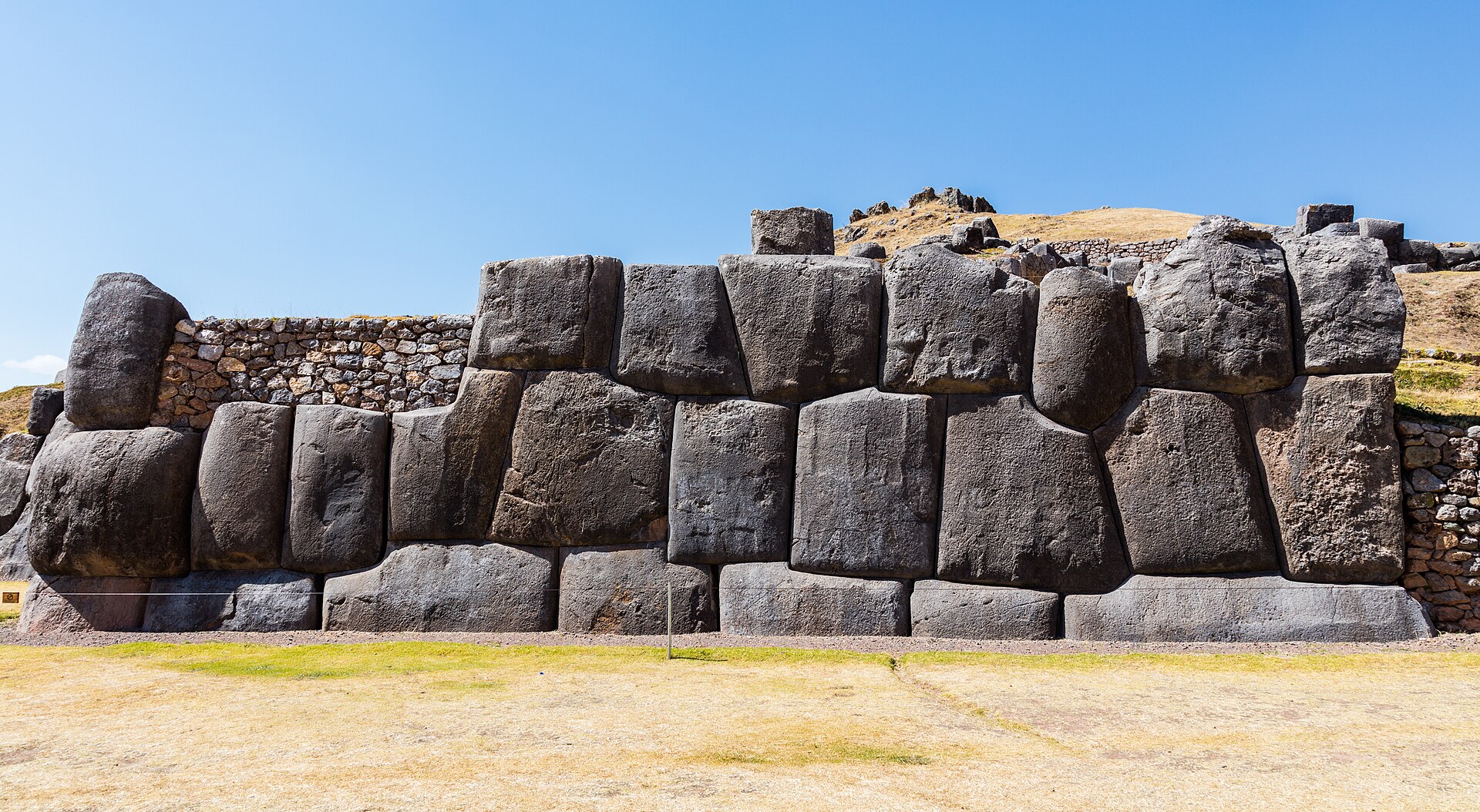
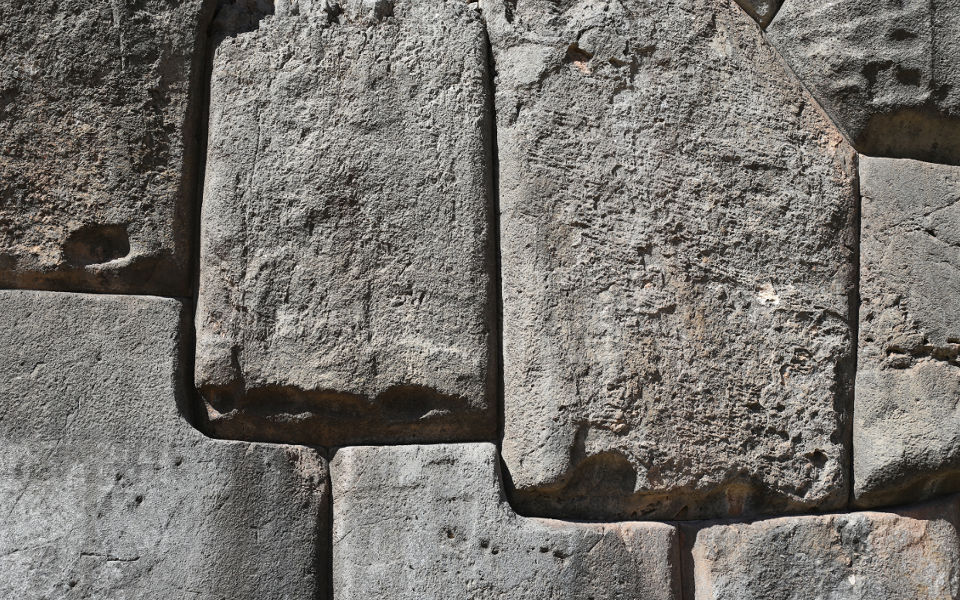
- Stone walls fitted so tightly a blade won't slip between them.
- How it ended
- Taken by the Spanish in 1533; stones were hauled off for colonial buildings.

Lyra Kael can take you here on the globe, tell you the story out loud and answer your questions. Start the time jump.
Background
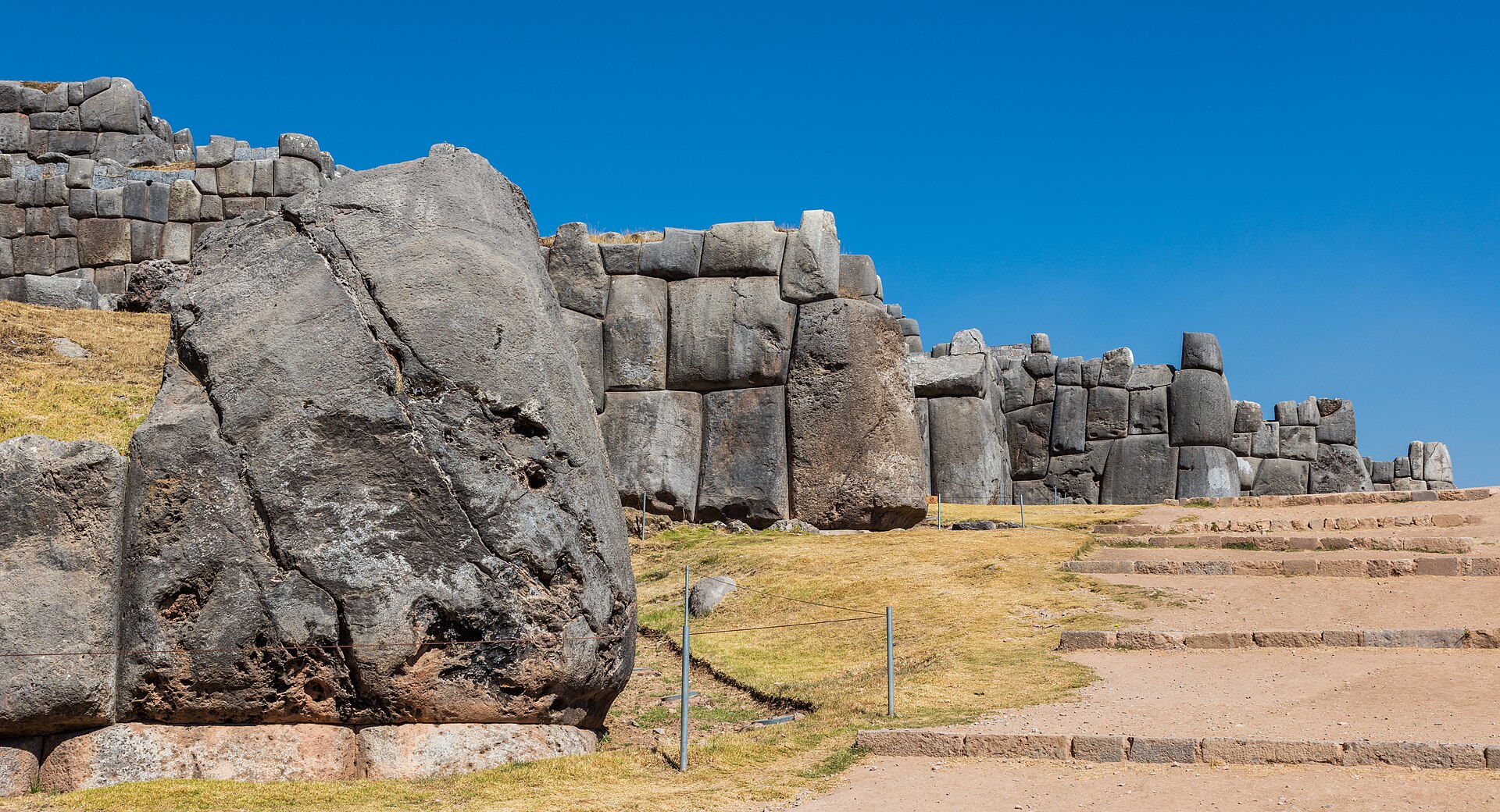
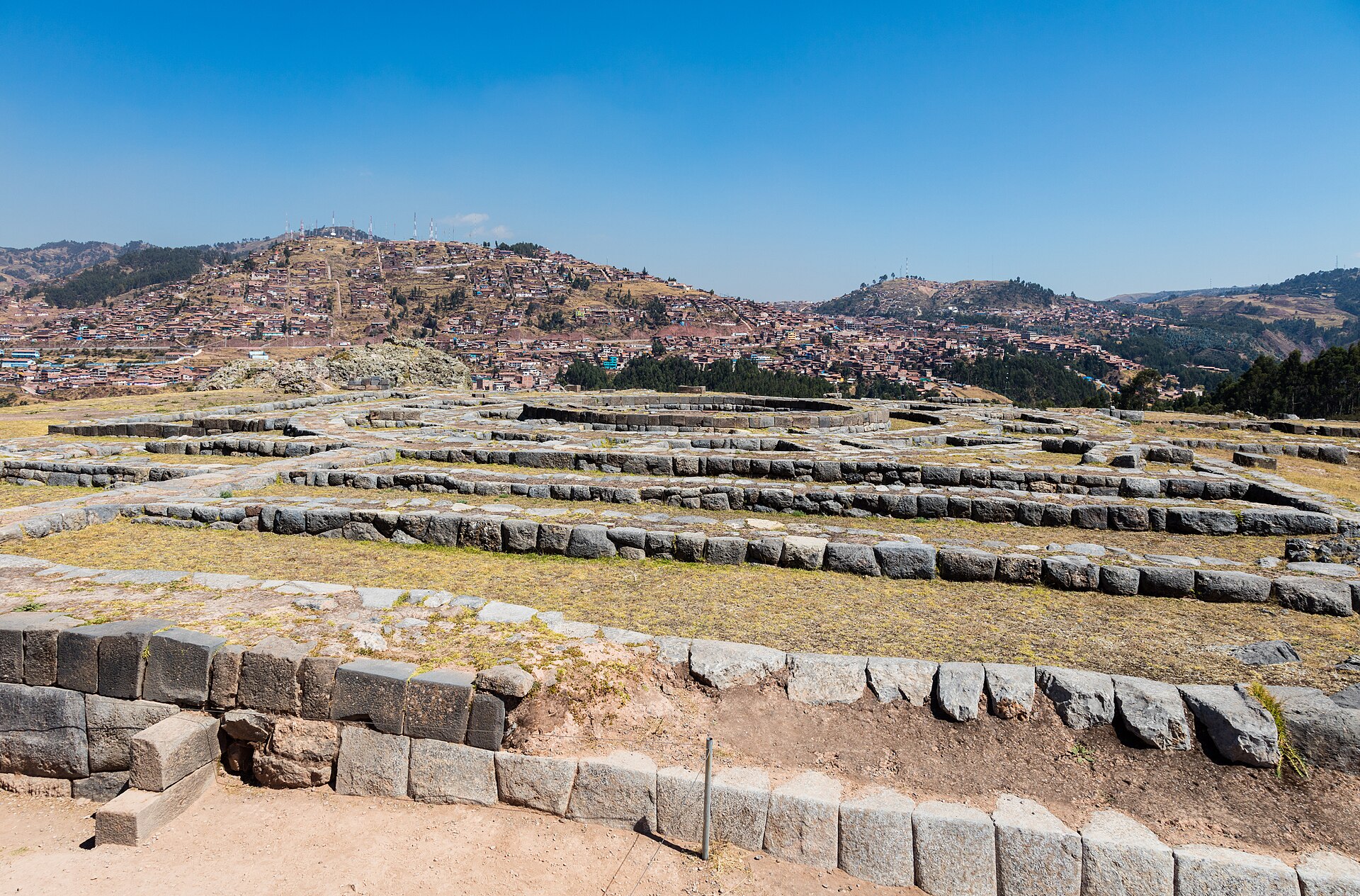
Sacsayhuamán ( SACK-sy-wuh-MəN; Spanish pronunciation: [saksajwaˈman]) or Saksaywaman (from Quechua Saksay waman pukara, pronounced [ˈsaksaj ˈwaman], lit. 'fortress of the royal falcon or hawk') is a citadel on the northern outskirts of the city of Cusco, Peru, the historic capital of the Inca Empire. The site is an important example of Inca architecture and sits at an altitude of 3,701 metres (12,142 ft).
The Spanish chroniclers recorded that within the Inca's oral history, the fortress was said to be built during the reign of Sapa Inca Pachacuti and his successors, Topa Inca Yupanqui and Huayna Capac. Dry stone walls constructed of huge stones were built on the site, with the workers carefully cutting the boulders to fit them together tightly without mortar.
In 1983, Cusco and Sacsayhuamán together were designated as sites on the UNESCO World Heritage List, for international recognition and protection. The archeological site is now a tourist destination.
Text from Wikipedia, licensed CC BY-SA 4.0.