No. 20
Catalhoyuk
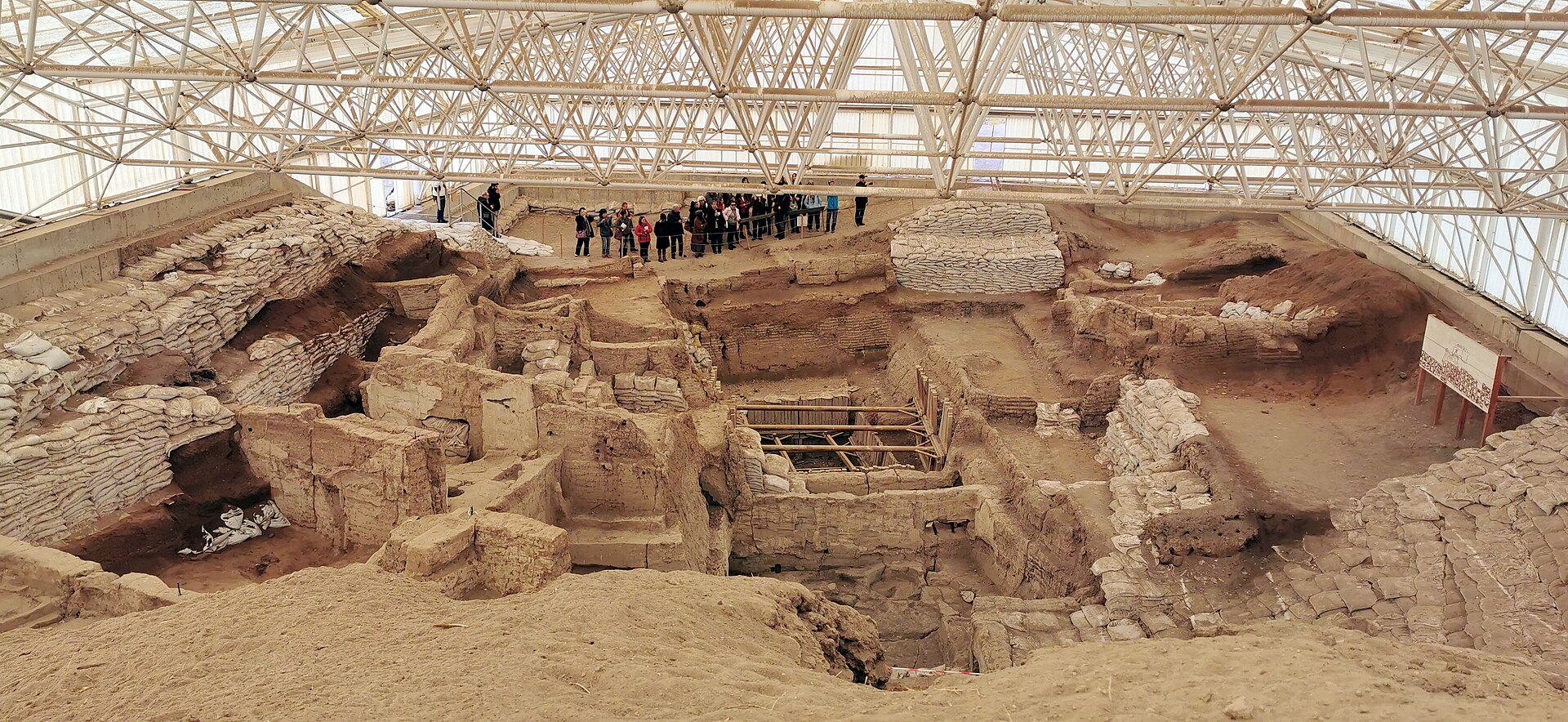

- Where
- Turkey
- Built by
- Early farmers
- Era
- 7100-5700 BCE
- Known for
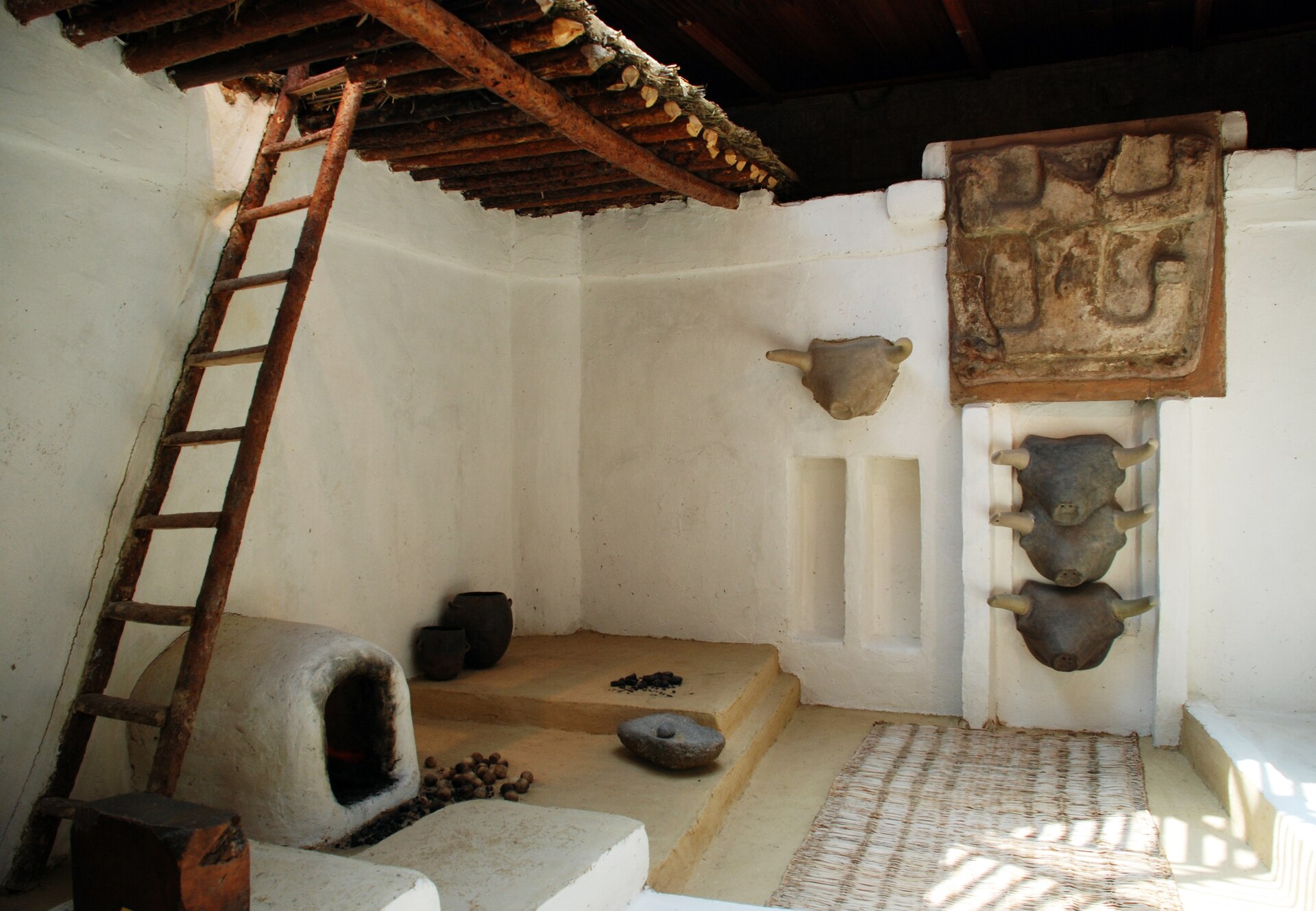
- A packed town with no streets; people entered homes through the roof.
- How it ended
- Slowly abandoned as people spread to smaller villages.

Lyra Kael can take you here on the globe, tell you the story out loud and answer your questions. Start the time jump.
Background
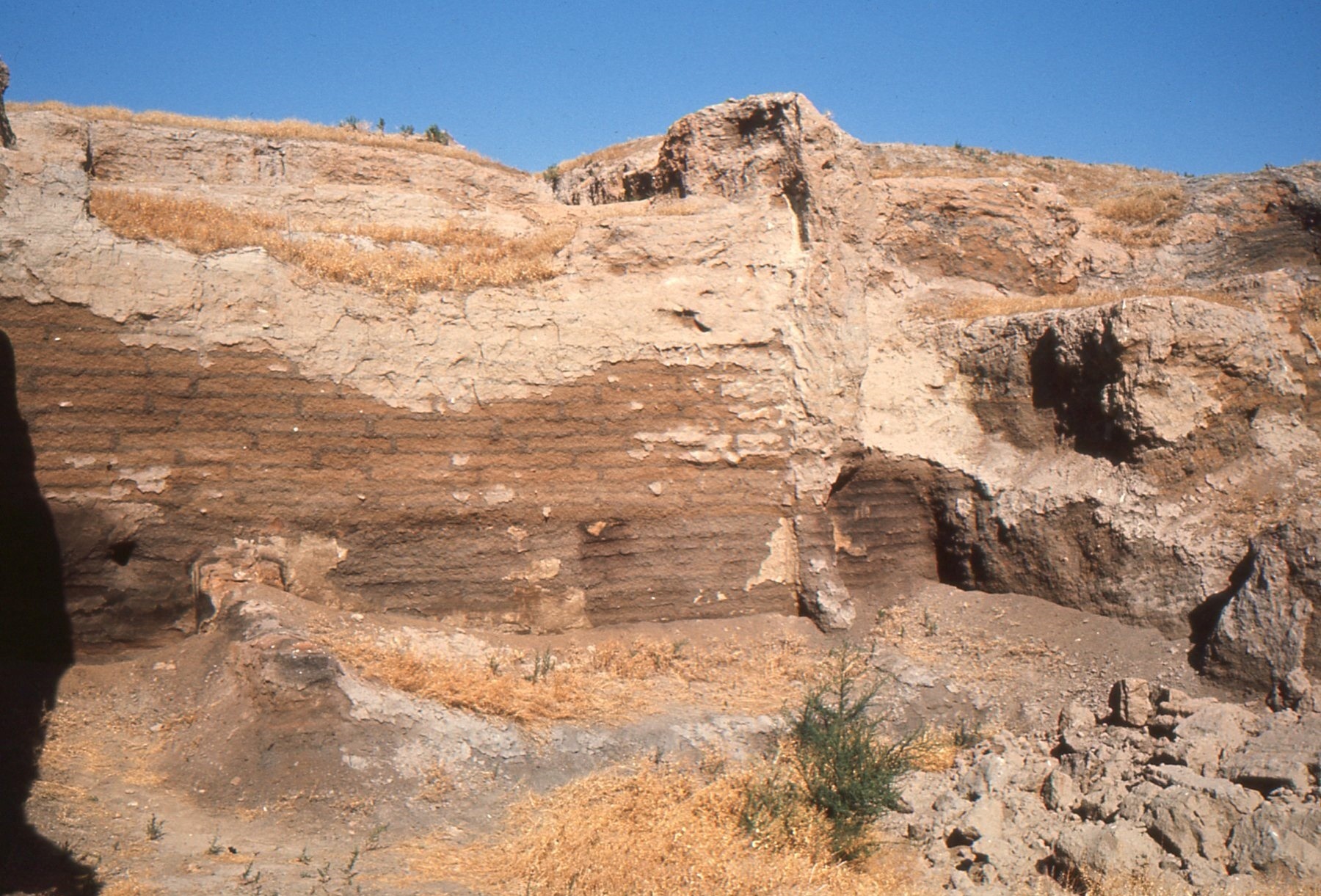
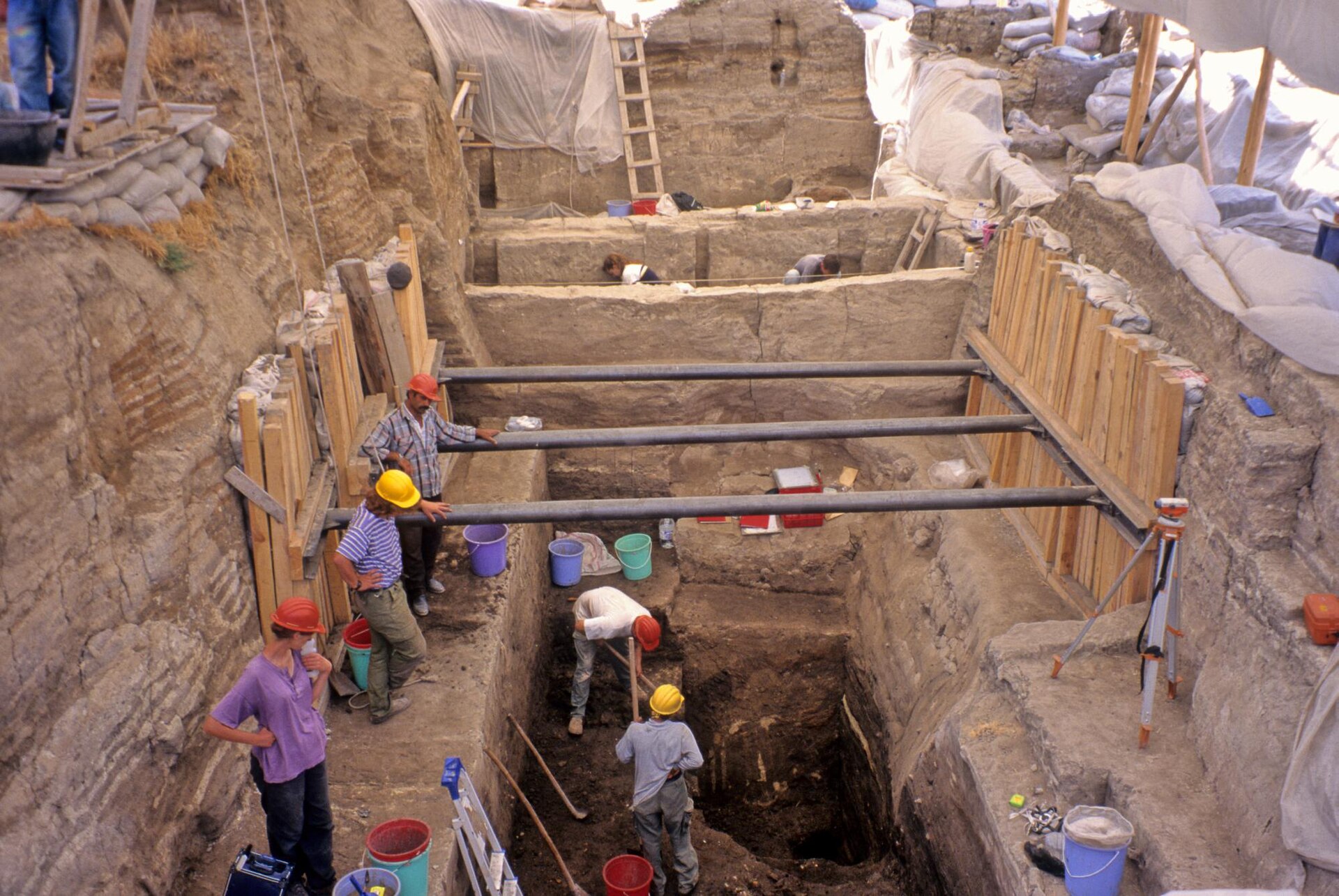
Çatalhöyük (English: Chatalhoyuk; , cha-tal-HOO-yuhk; Turkish pronunciation: [tʃaˈtaɫhœjyc]; also Çatal Höyük and Çatal Hüyük; from Turkish çatal "fork" + höyük "tumulus") is a tell (a mounded accretion resulting from long-term human settlement) of a very large Neolithic and Chalcolithic proto-city settlement in southern Anatolia, which existed from around 7500 BC to 5600 BC and flourished around 7000 BC. Çatalhöyük overlooks the Konya Plain, southeast of the present-day city of Konya (ancient Iconium) in Turkey, around 140 km (87 mi) from the twin-coned volcano of Mount Hasan. It is notable for its large size, apparent egalitarian social structure, and value as a well-preserved example of early Neolithic-era permanent human settlements.In July 2012, it was designated a UNESCO World Heritage Site.
Text from Wikipedia, licensed CC BY-SA 4.0.