No. 56
Byblos

- Where
- Lebanon
- Built by
- Phoenicians
- Era
- 5000 BCE onward
- Known for
- Among the oldest continuously lived-in towns, with early alphabet inscriptions.
- How it ended
- Never fully abandoned; other ports outgrew it.

Lyra Kael can take you here on the globe, tell you the story out loud and answer your questions. Start the time jump.
Background
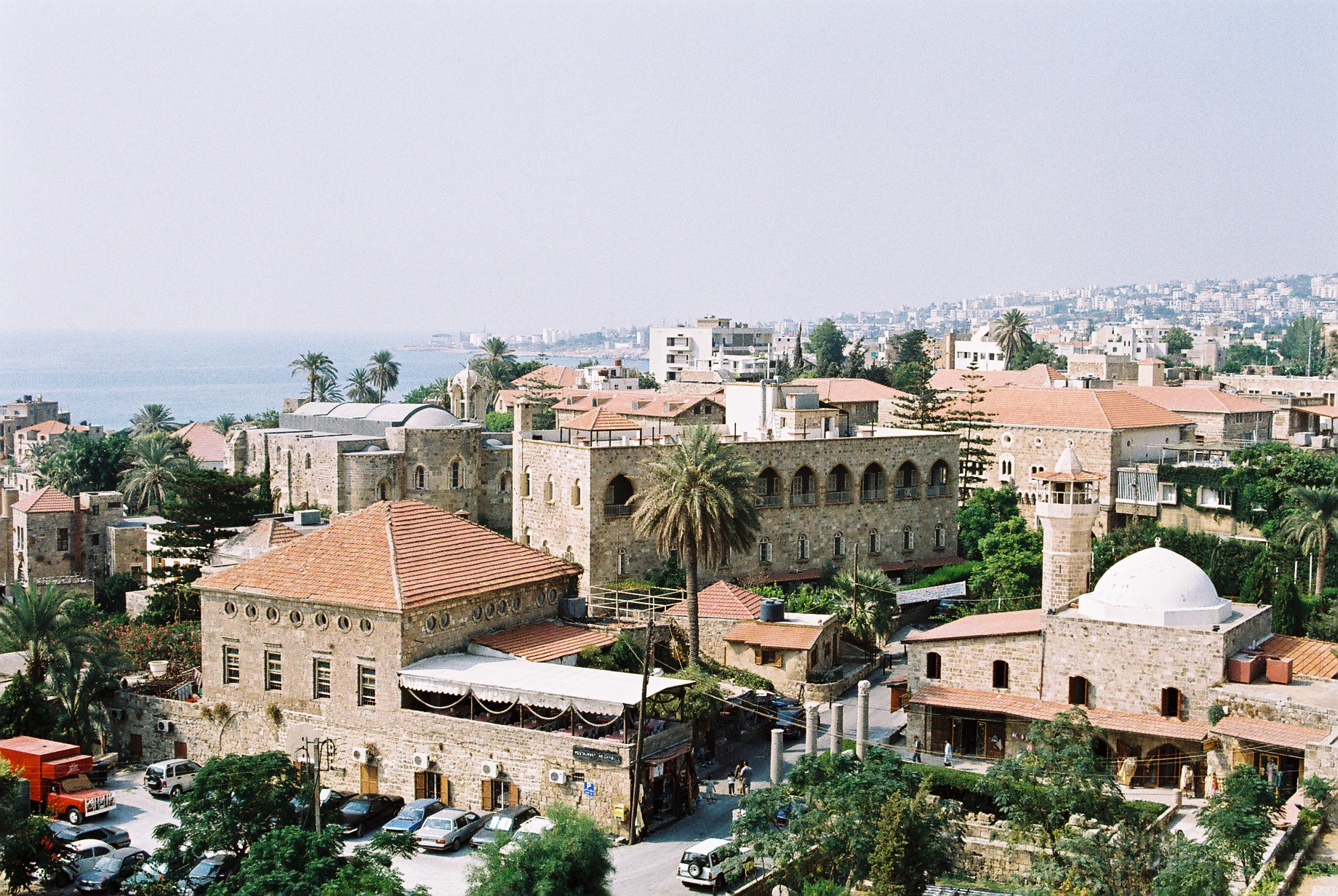
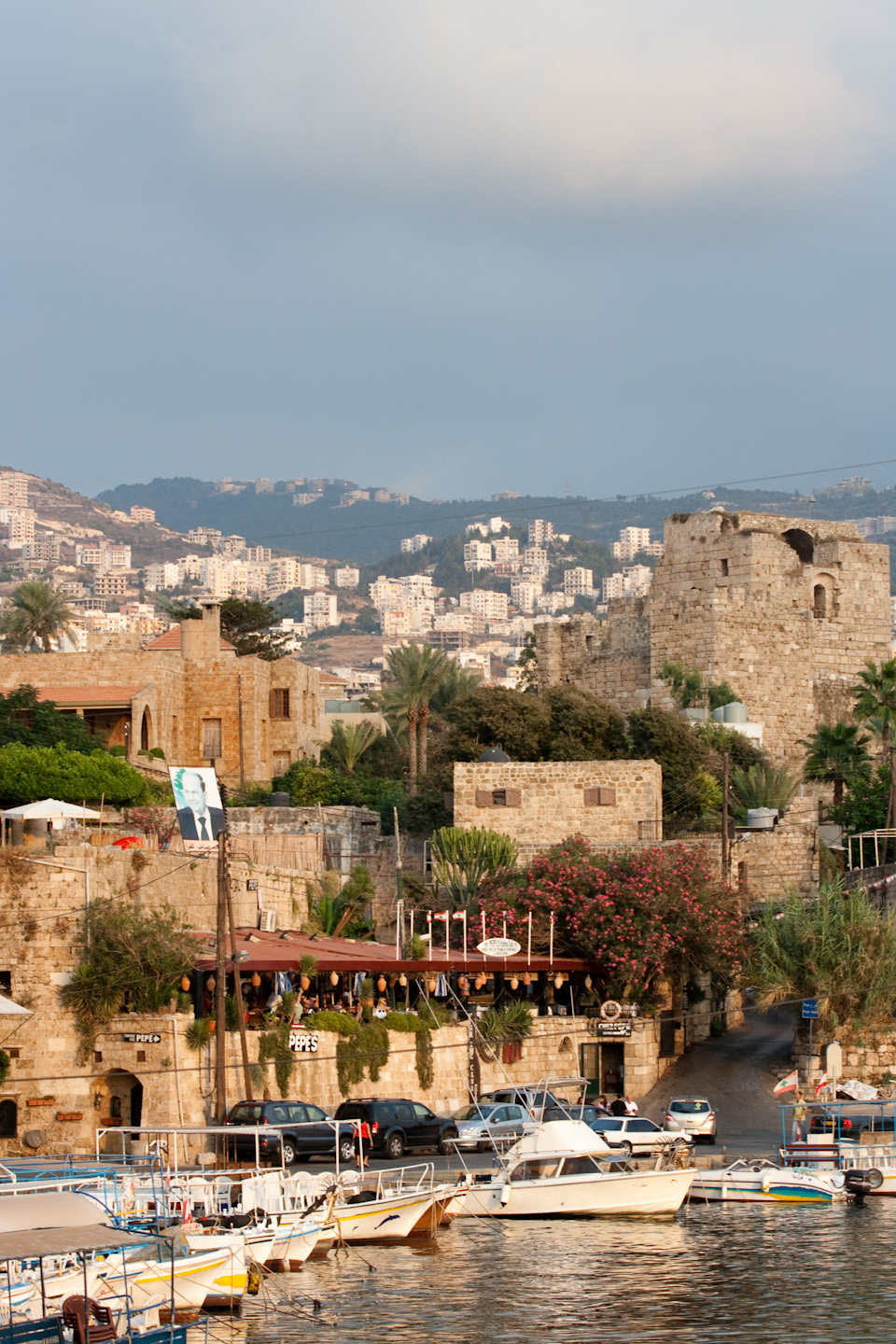
Byblos ( BIB-loss; Ancient Greek: Βύβλος), also known as Jbail, Jebeil, Jbeil or Jubayl (Arabic: جُبَيْل, romanized: Jubayl, locally Jbeil [ʒ(ə)beːl]), is an ancient city in the Keserwan-Jbeil Governorate of Lebanon. The area is believed to have been first settled between 8800 and 7000 BC and continuously inhabited since 5000 BC. During its history, Byblos was part of numerous cultures including Canaanite, Egyptian, Phoenician, Assyrian, Persian, Hellenistic, Roman, Umayyad, Abbasid, Genoese, Ayyubid, Mamluk and Ottoman. Urbanisation is thought to have begun during the third millennium BC when it developed into a city, making it one of the oldest cities in the world, if not the oldest. It is a UNESCO World Heritage Site.
Text from Wikipedia, licensed CC BY-SA 4.0.