No. 125
Baia

- Where
- Bay of Naples, Italy
- Built by
- Romans
- Era
- 100 BCE-300s CE
- Known for
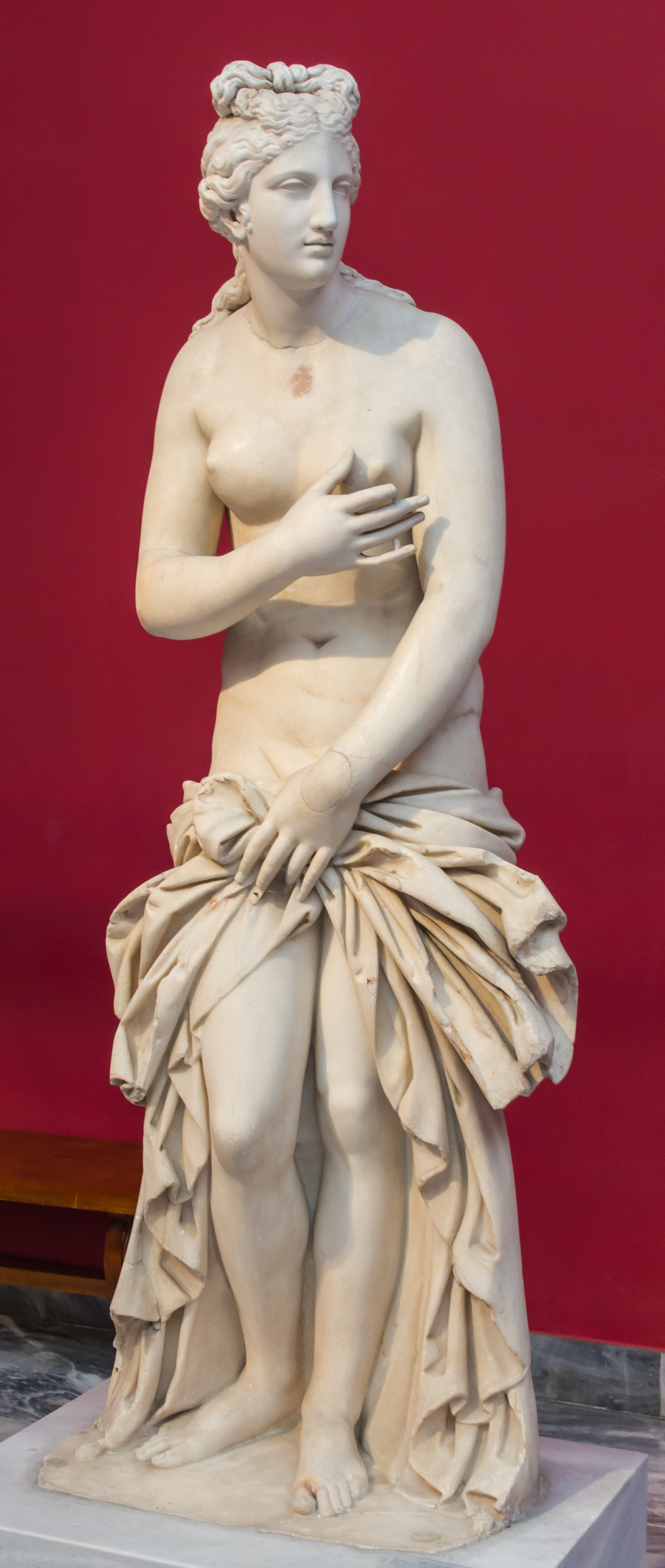
- Roman resort villas with mosaics and statues.
- How it went under
- Slow volcanic sinking of the ground.

Lyra Kael can take you here on the globe, tell you the story out loud and answer your questions. Start the time jump.
Background
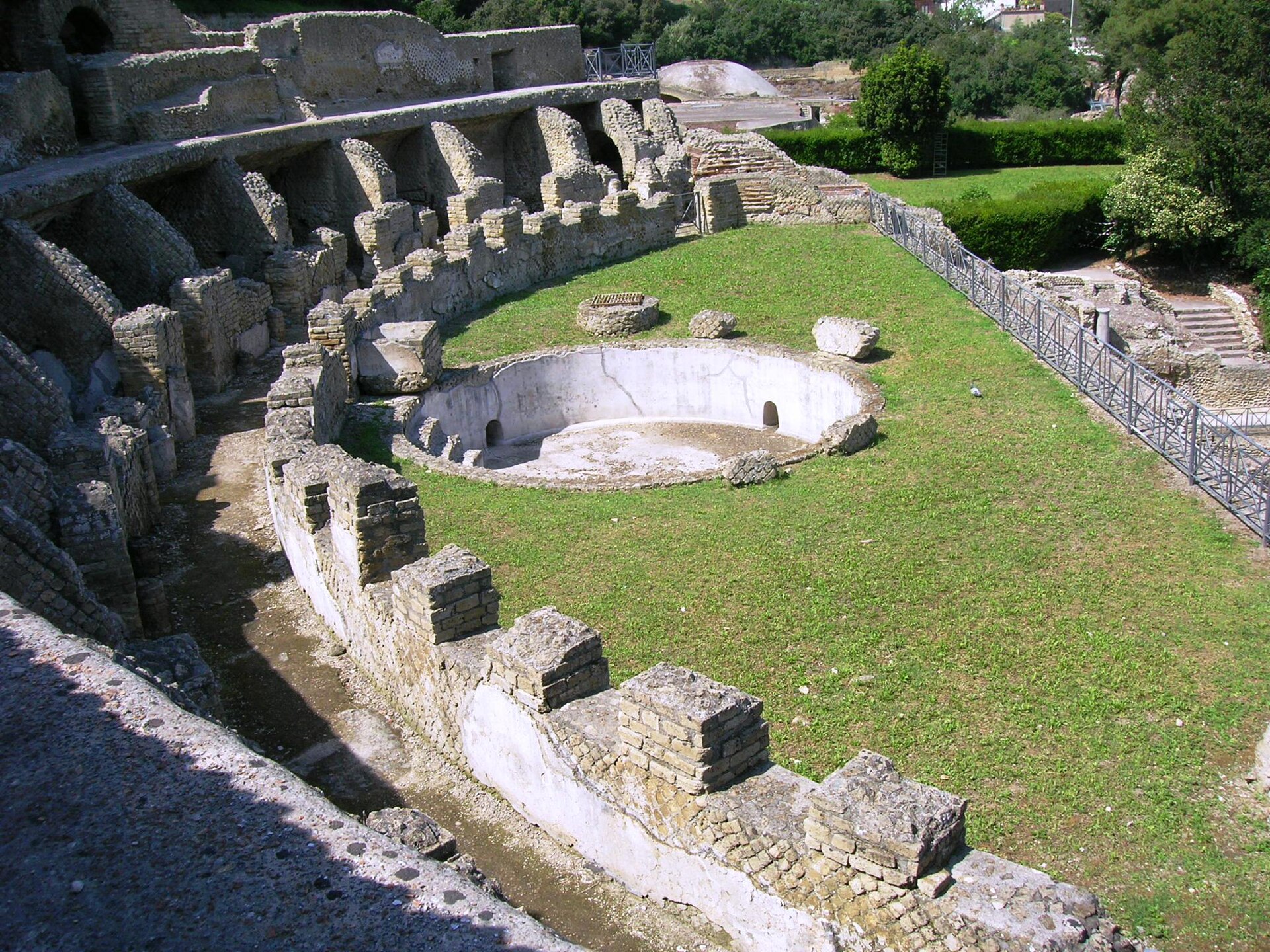
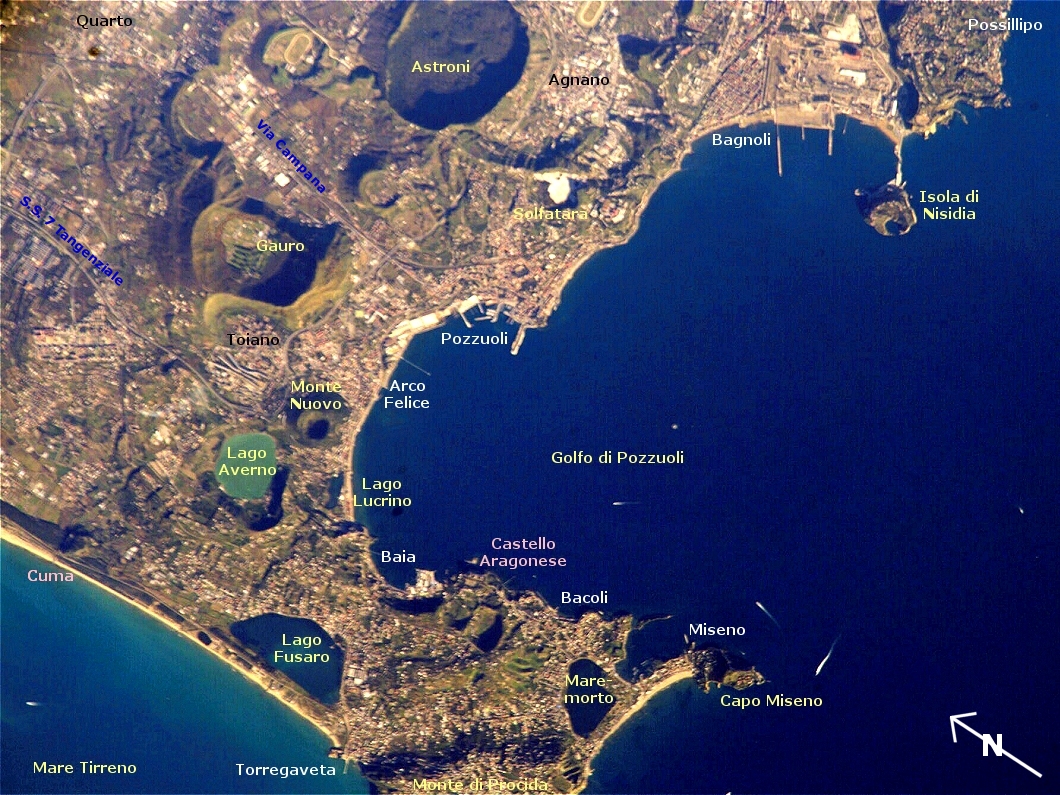
Baiae (Italian: Baia; Neapolitan: Baia) is an ancient Roman town situated on the northwest shore of the Gulf of Naples and now in the comune of Bacoli. It was a resort for centuries in antiquity, particularly towards the end of the Roman Republic, when it was reckoned as superior to Capri, Pompeii, and Herculaneum by wealthy Romans, who built villas here from 100 BC. Ancient authors attest that many emperors built in Baia, almost in competition with their predecessors, and they and their courts often stayed there. It was notorious for its hedonistic offerings and the attendant rumours of corruption and scandal.
The lower part of the town later became submerged in the sea due to local volcanic, bradyseismic activity which raised or lowered the land. Recent underwater archaeology has revealed many of the fine buildings now protected in the submerged archaeological park.
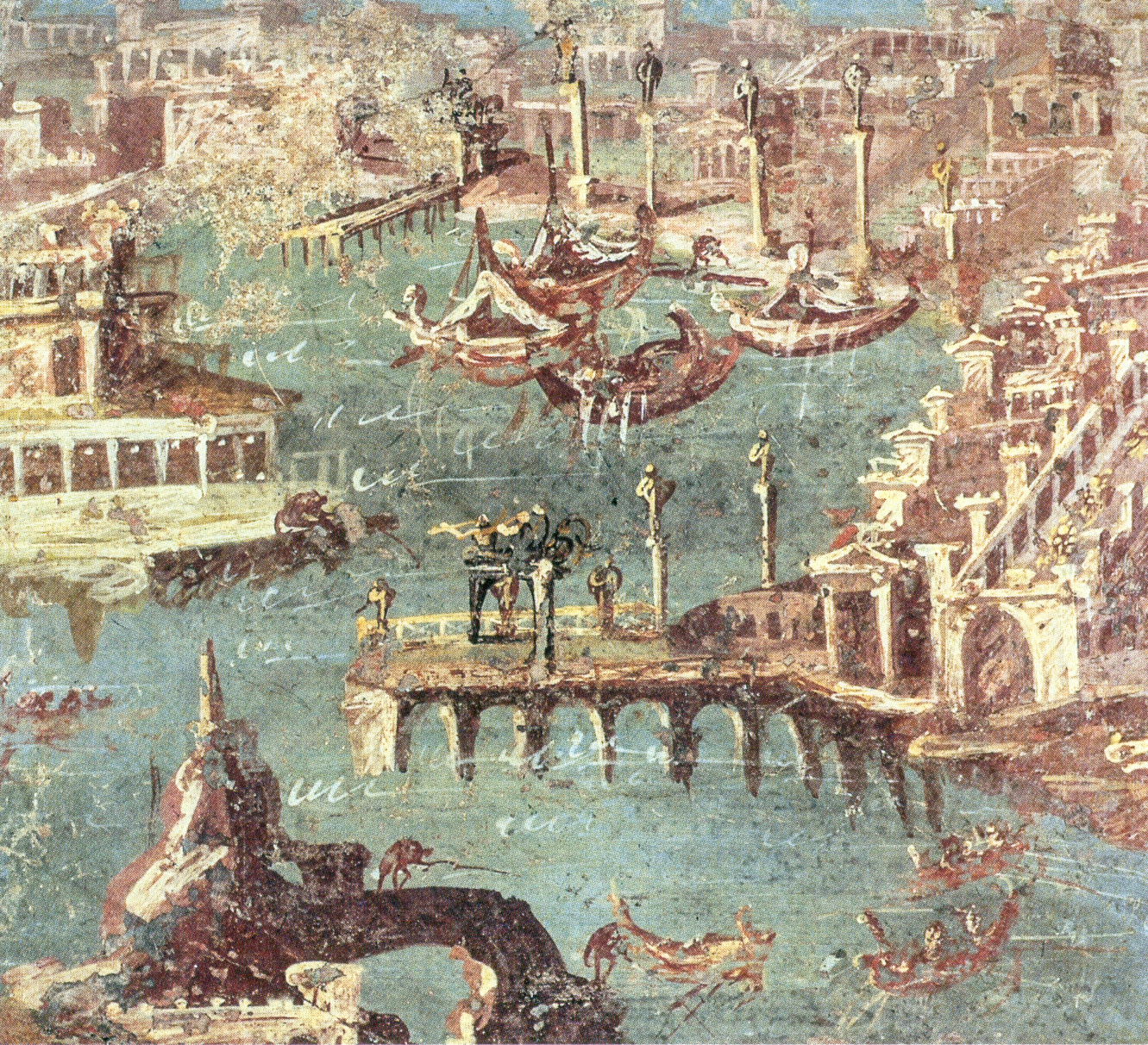
Baiae inspired scenes to be depicted on ancient glass flasks made for visitors (probably in Puteoli in the late 3rd to early 4th century AD) many of which have been found scattered throughout the empire, and today kept in many museums notably in Populonia, Empúries and Warsaw.
Text from Wikipedia, licensed CC BY-SA 4.0.