No. 173
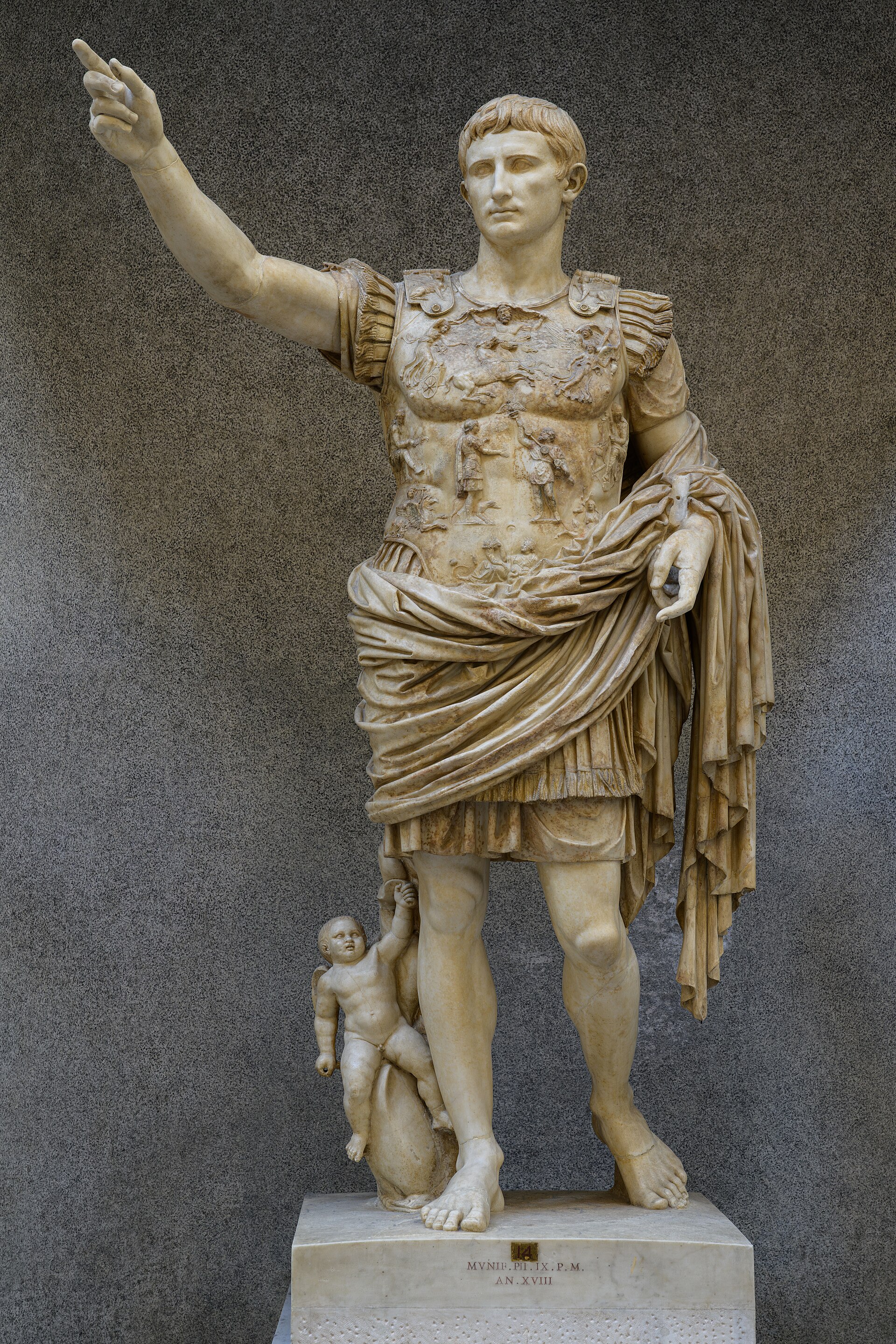
Augustus

- Where
- Rome
- Culture
- Rome
- Lived
- 63 BCE-14 CE
- Why they matter
- The first Roman emperor.
- Fate
- Died in bed after 40 years in power.

Lyra Kael can take you here on the globe, tell you the story out loud and answer your questions. Start the time jump.
Background
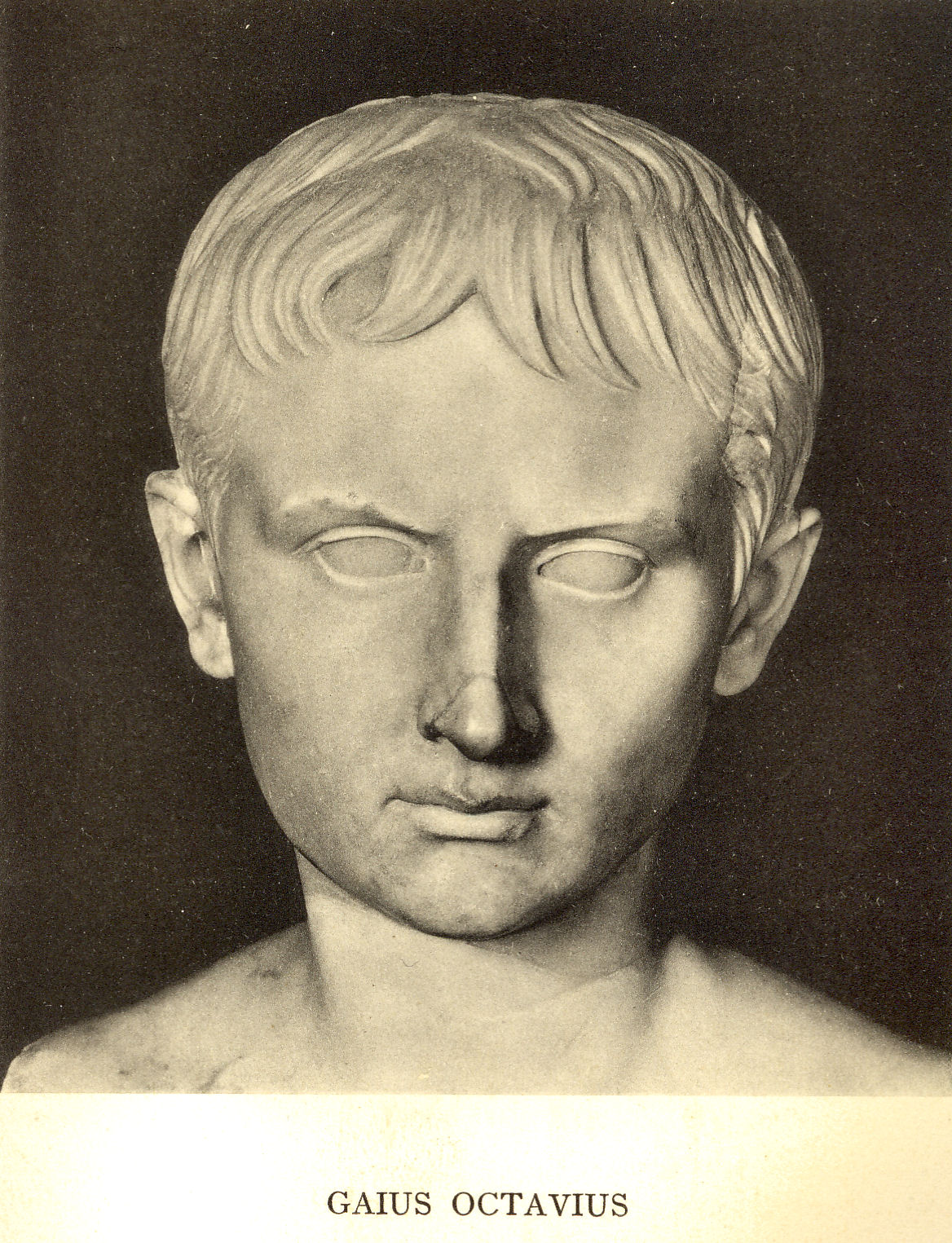
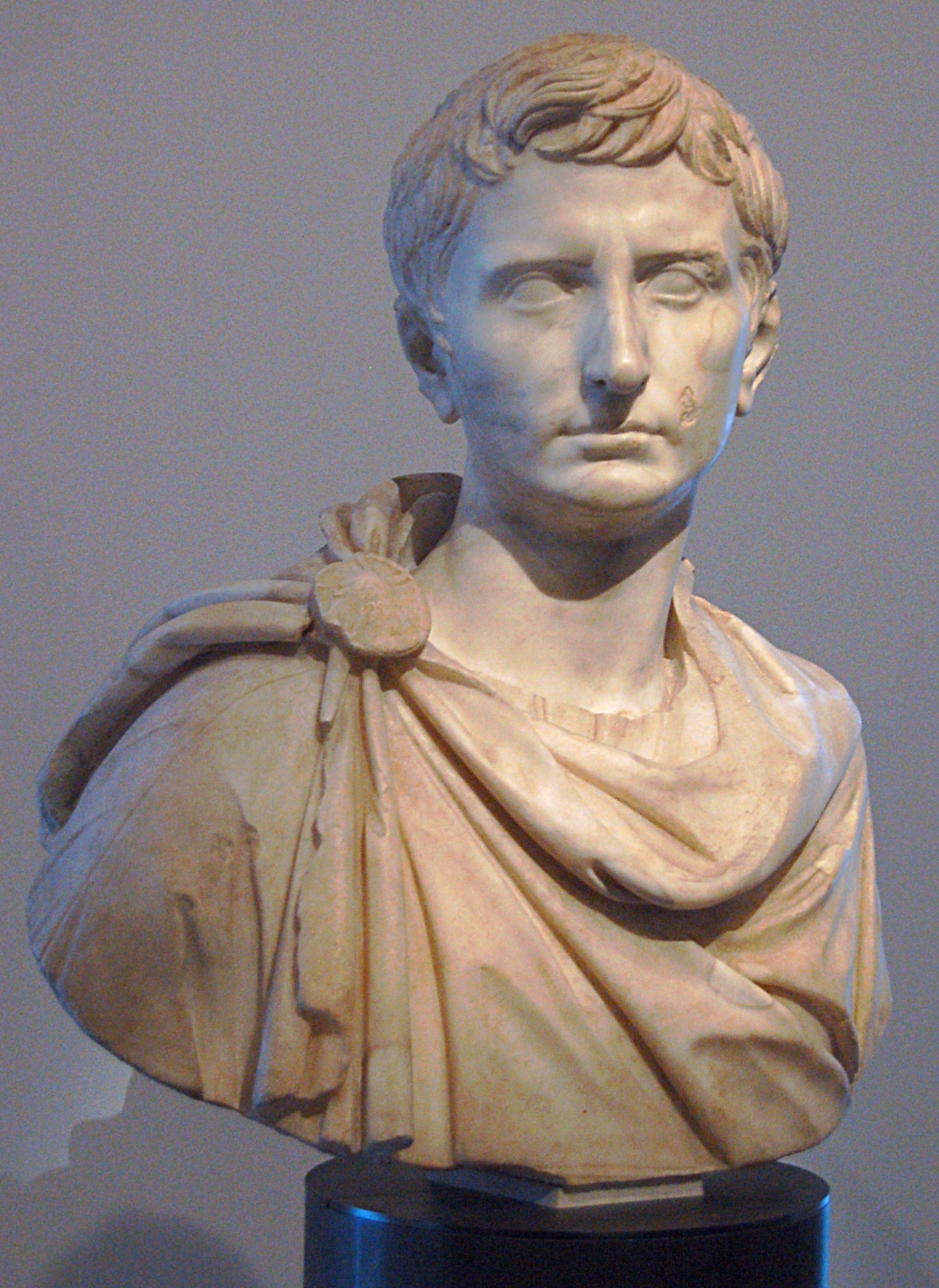
Augustus (born Gaius Octavius; 23 September 63 BC – 19 August AD 14), also known as Octavian (Latin: Octavianus), was the founder of the Roman Empire and the first Roman emperor from 27 BC until his death in AD 14. The reign of Augustus initiated an imperial cult and an era of imperial peace (the Pax Romana or Pax Augusta) when the Roman world was largely free of armed conflict. The principate, a style of government in which the emperor showed nominal deference to the Senate, was established during his reign and lasted until the Crisis of the Third Century.
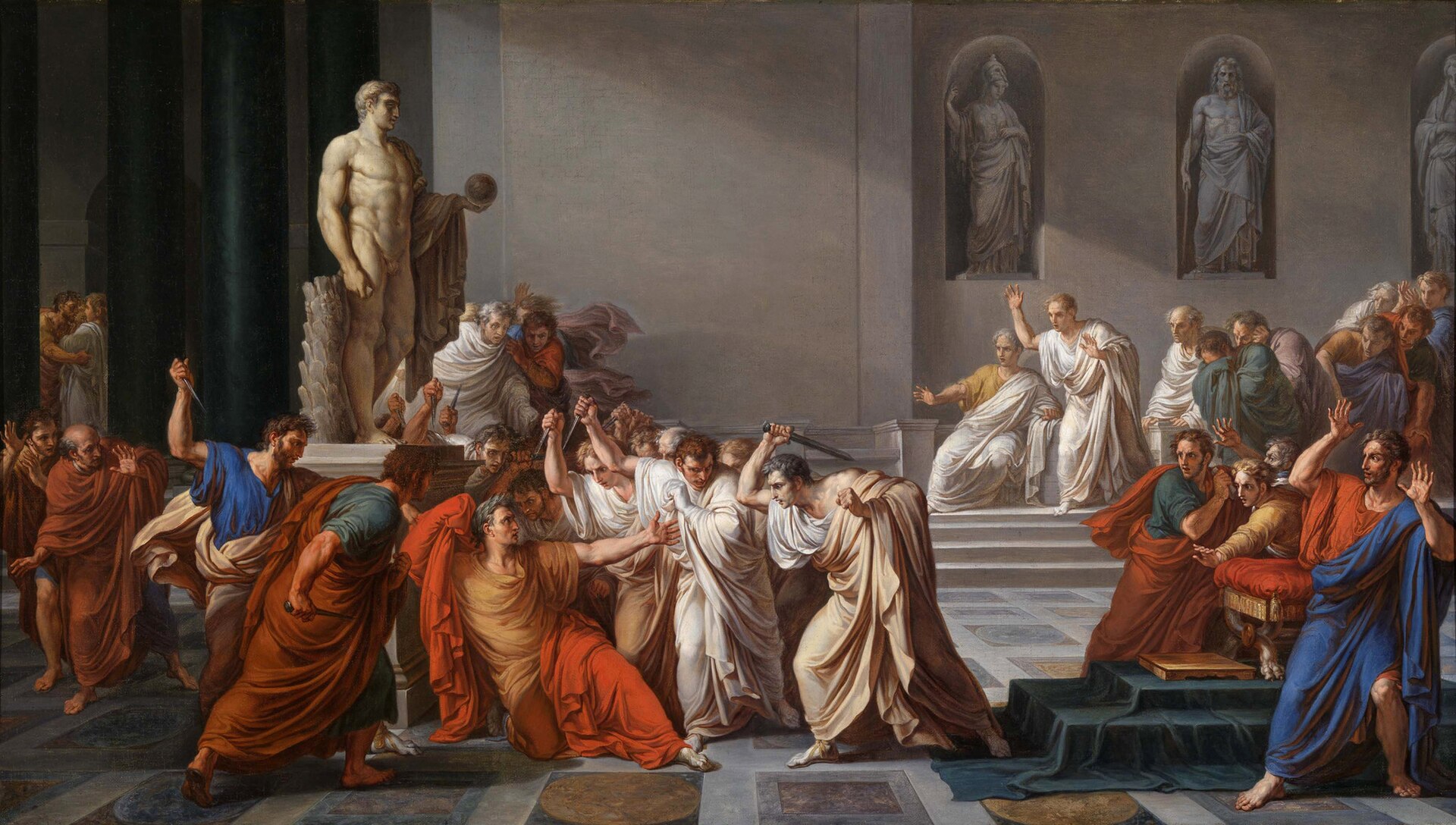
Octavian was born into an equestrian branch of the gens Octavia. Octavian's great-uncle, the dictator Julius Caesar, named him as his primary heir in his will, and after Caesar's assassination in 44 BC, Octavian inherited his estate and assumed his name. He fought for the loyalty of Caesar's legions. He was made a senator during a state emergency and seized power by marching on Rome in 43 BC, becoming its youngest elected consul. He, Mark Antony, and Marcus Lepidus formed a triumvirate regime with legally sanctioned powers to outlaw and oppose Caesar's assassins and their allies. Following their victory at the Battle of Philippi in 42 BC, the triumvirate divided the Roman Republic among themselves and ruled as de facto oligarchs. Competing ambitions eventually tore their alliance apart; Octavian had Lepidus exiled in 36 BC for opposing him in Sicily, while Marcus Agrippa, Octavian's naval commander, defeated Antony in Greece at the Battle of Actium in 31 BC. Antony and his wife Cleopatra, the Ptolemaic queen of Egypt, killed themselves during Octavian's invasion of Egypt, which then became Octavian's personal property.
After the demise of the triumvirate, Augustus reached an accord with the remaining Roman elite: he would restore the façade of a free republic, centered around the Senate, the executive magistrates and the legislative assemblies. But his control of the military and of half of Rome's provinces meant he maintained autocratic power legitimized by his appointment as commander-in-chief of most Roman armies. To avoid the appearance of monarchy or dictatorship, he eventually refused to stand for reelection to the consulship, but the Senate granted him the powers of the tribunate and censorship and the titles princeps ('first citizen'), augustus ('the revered'), and pater patriae (lit. 'father of t
Text from Wikipedia, licensed CC BY-SA 4.0.