No. 40
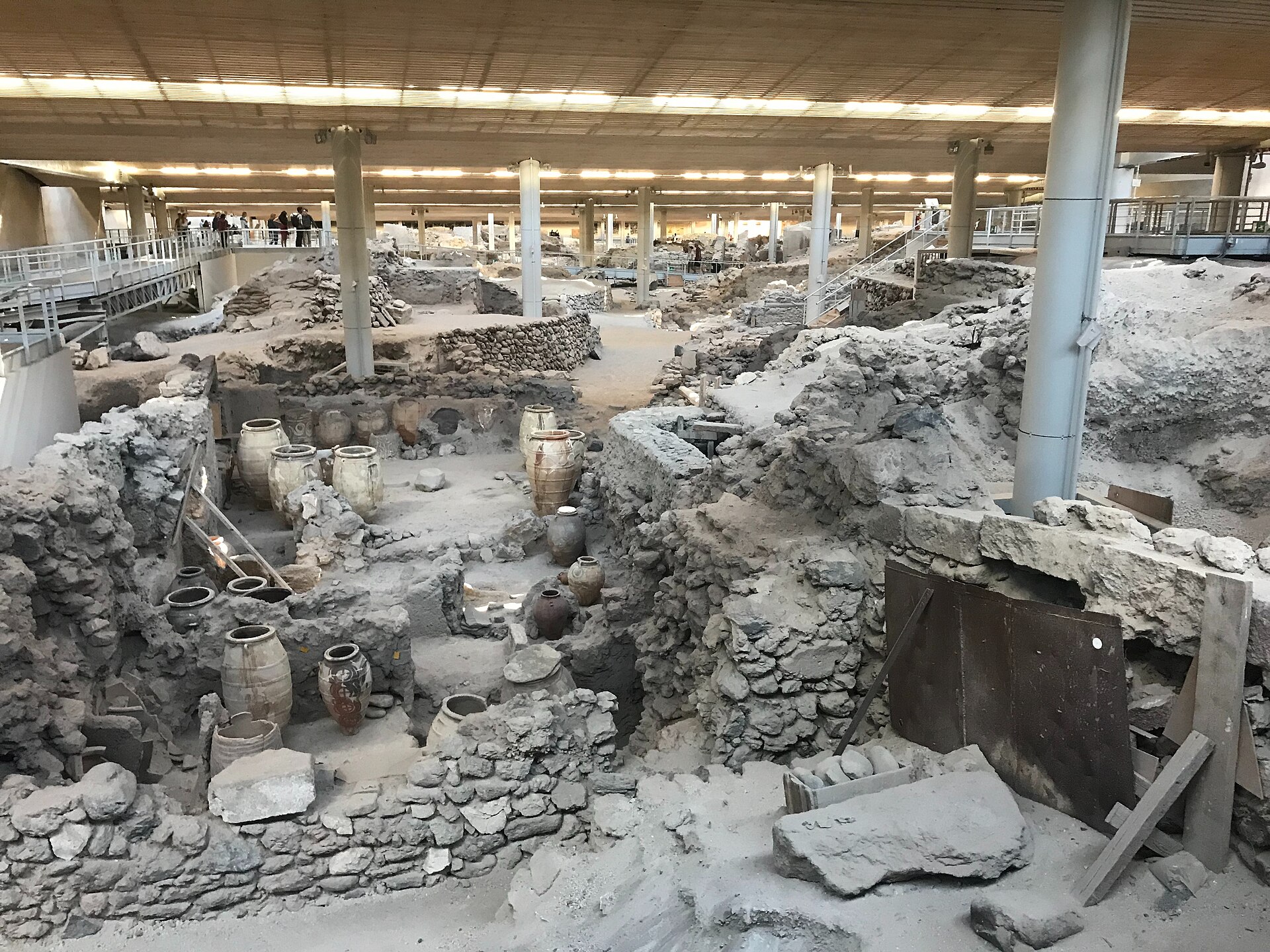
Akrotiri

- Where
- Santorini, Greece
- Built by
- Minoans
- Era
- 1600s BCE
- Known for
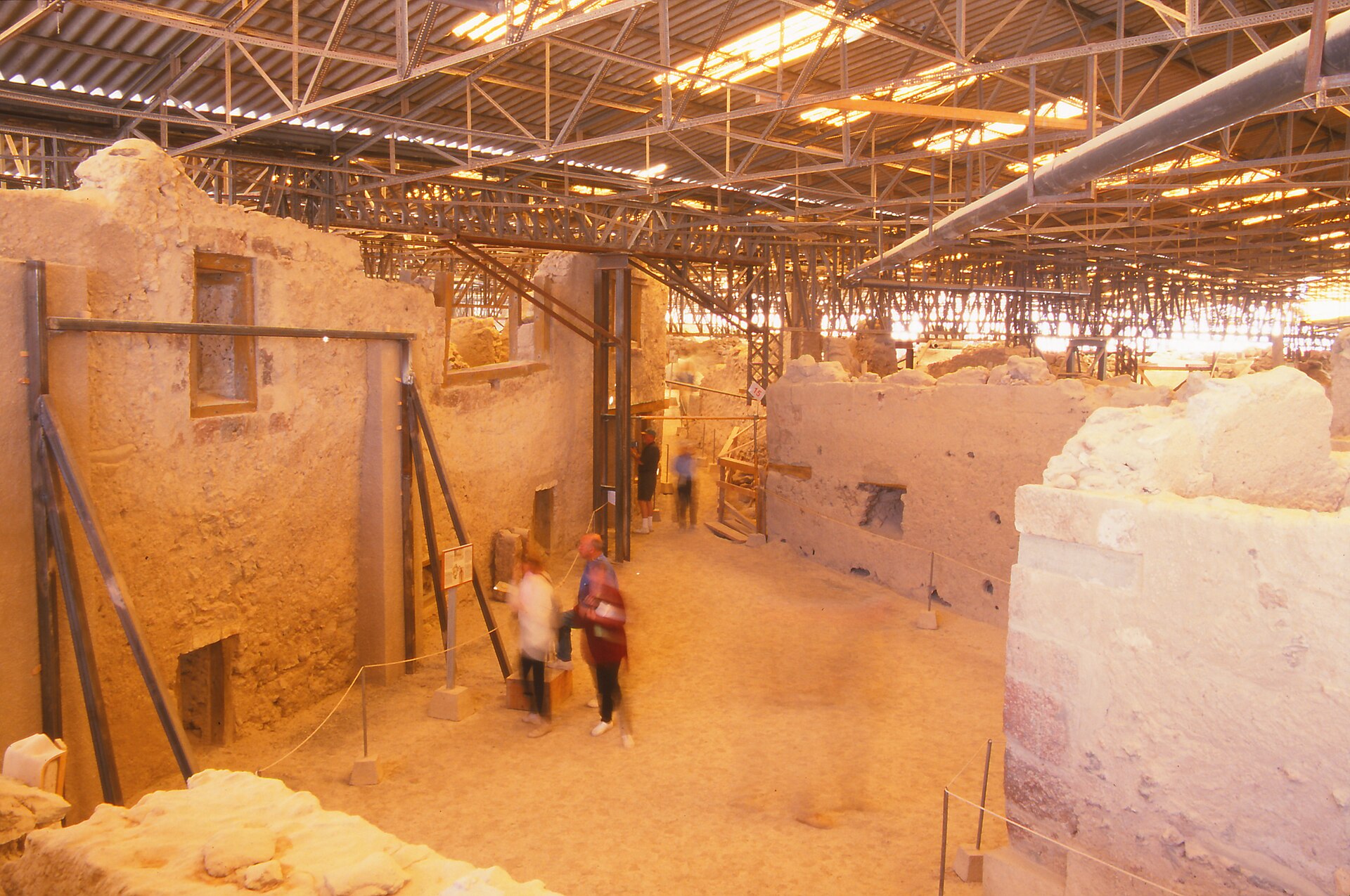
- A whole town sealed in volcanic ash, its frescoes intact.
- How it ended
- Buried by the Thera eruption; the people seem to have escaped in time.

Lyra Kael can take you here on the globe, tell you the story out loud and answer your questions. Start the time jump.
Background
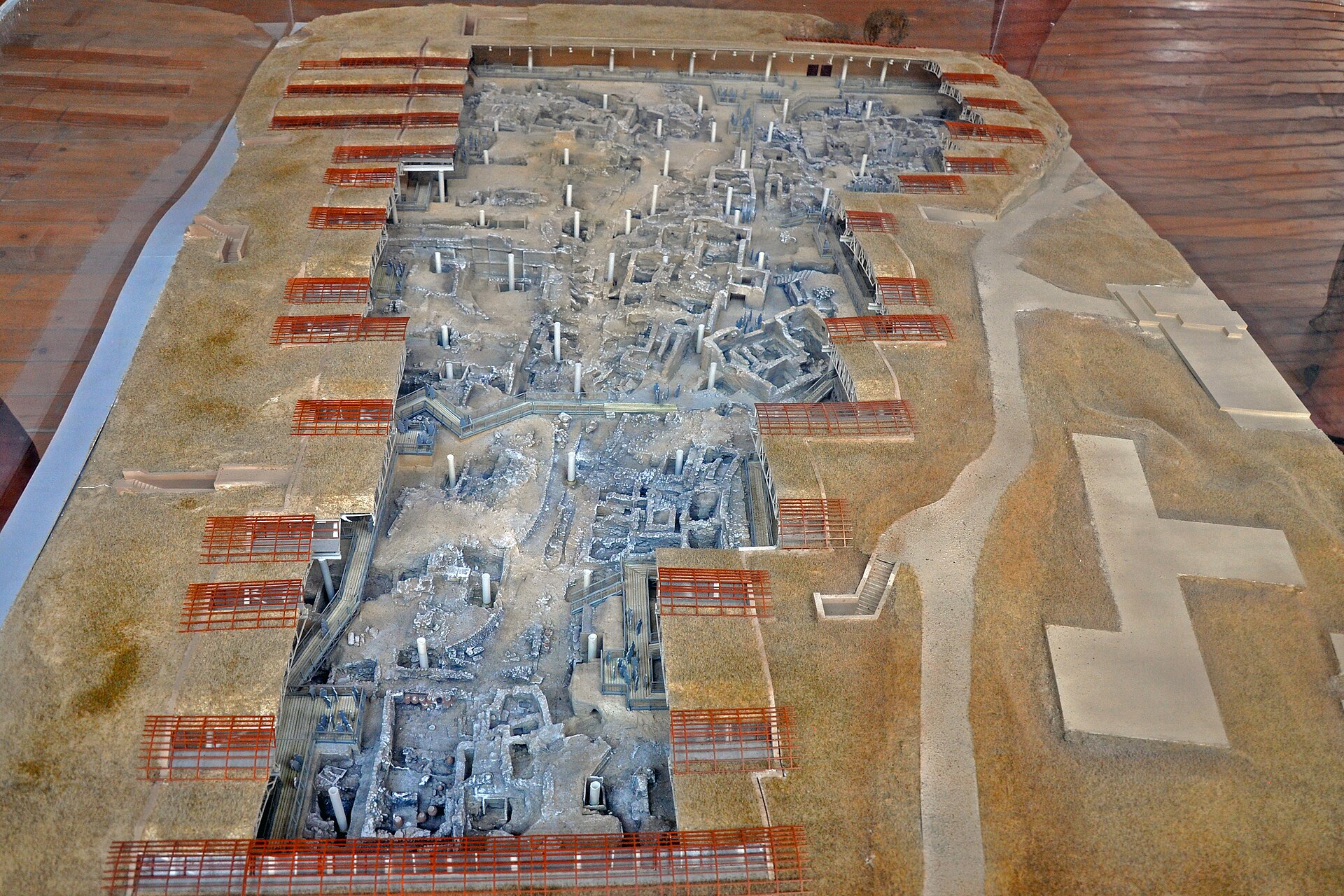
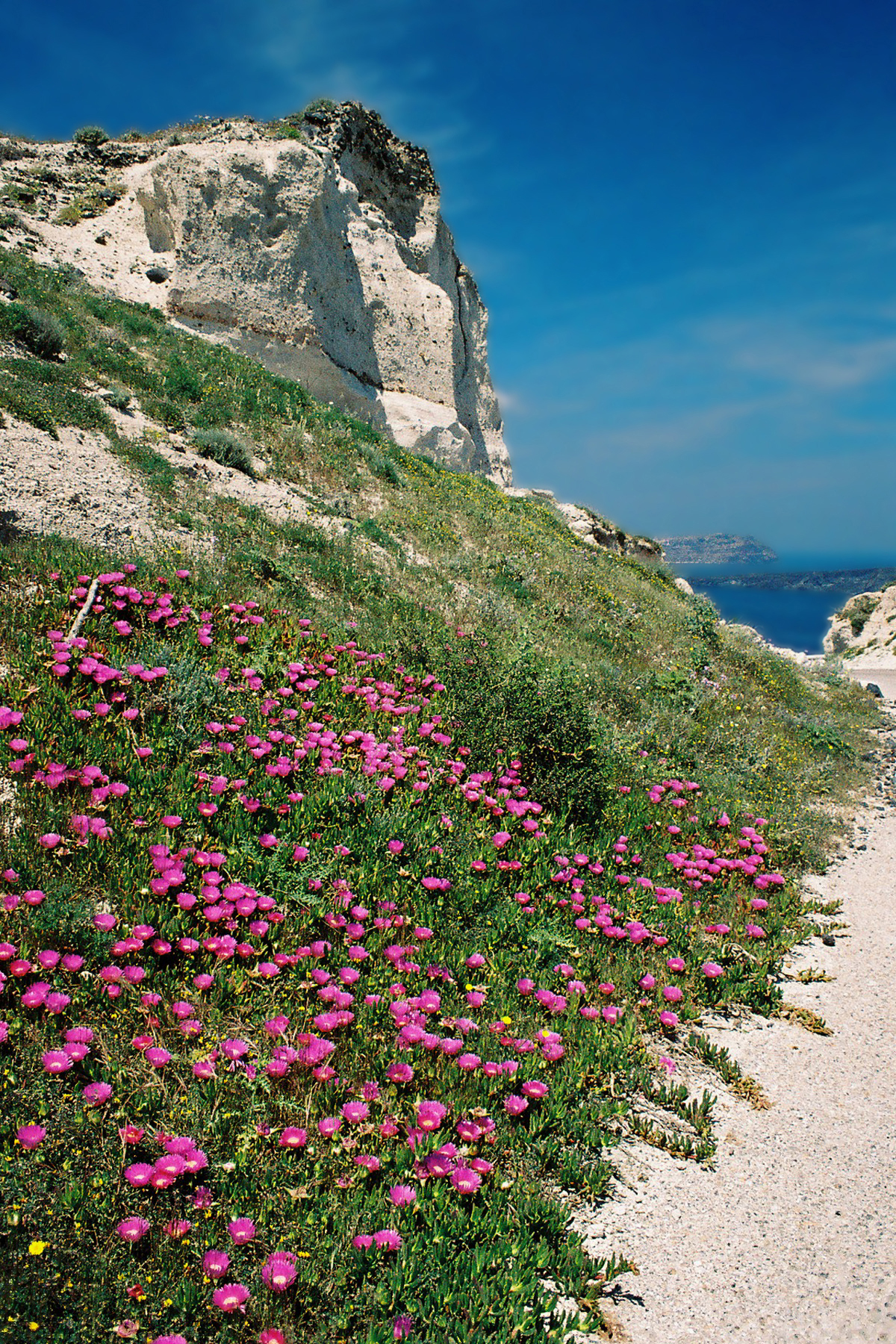
Akrotiri (Greek: Ακρωτήρι, pronounced Greek: [akroˈtiri]) is a Cycladic Bronze Age settlement site on the volcanic Greek island of Santorini. The name comes from the nearby village of Akrotiri, the name of the site in antiquity is unknown.
The settlement was destroyed during the Theran eruption sometime in the 16th century BC, and was buried in volcanic ash, which helped preserve its fine frescoes. Akrotiri has been excavated since 1967, after earlier excavations on the island.
Text from Wikipedia, licensed CC BY-SA 4.0.